Understanding the gap between what weather forecasts predict and what people experience on the ground is essential for ensuring that weather information truly supports decisions in agriculture, livelihoods, and disaster preparedness
The women of Bhendikanhar in Gadchiroli made a collective decision to improve the condition of the Kurma ghar (small huts where women stay during their menstrual cycles) in their village
In Govindpur, Chhattisgarh, a Custom Hiring Centre is making access to costly farm machinery easier for small and marginal farmers by making these machines available within villages on a rental basis
In the rain-fed villages of Maharashtra, people are finding new ways to understand their land and groundwater — not with satellites or dashboards, but with cardboard, shared knowledge, and a fresh look at the soil beneath their feet.
In late January, the United States withdrew once again from the Paris Agreement, while the Environmental Protection Agency (EPA) revoked its 2009 Endangerment Finding—moves that highlight how climate policy reversals in major economies can destabilise global efforts and pose serious risks for developing countries, particularly India.
Shailesh Haribhakti, Chairman of WOTR’s Advisory Board, reflects on the evolving landscape of Indian agriculture and shares an optimistic vision for its future.
The gap between reported data and ground realities is often vast in the rural development sector. Sujata Tripathy writes why real-time data is important which highlights not just the numbers but also the qualitative aspects of development.
Across India, disasters are no longer singular events but a polycrisis—where climate extremes, ecological degradation, water stress, and livelihood insecurity interact and amplify one another
Understanding the gap between what weather forecasts predict and what people experience on the ground is essential for ensuring that weather information truly supports decisions in agriculture, livelihoods, and disaster preparedness
The women of Bhendikanhar in Gadchiroli made a collective decision to improve the condition of the Kurma ghar (small huts where women stay during their menstrual cycles) in their village
In Govindpur, Chhattisgarh, a Custom Hiring Centre is making access to costly farm machinery easier for small and marginal farmers by making these machines available within villages on a rental basis
In the rain-fed villages of Maharashtra, people are finding new ways to understand their land and groundwater — not with satellites or dashboards, but with cardboard, shared knowledge, and a fresh look at the soil beneath their feet.
In late January, the United States withdrew once again from the Paris Agreement, while the Environmental Protection Agency (EPA) revoked its 2009 Endangerment Finding—moves that highlight how climate policy reversals in major economies can destabilise global efforts and pose serious risks for developing countries, particularly India.
Shailesh Haribhakti, Chairman of WOTR’s Advisory Board, reflects on the evolving landscape of Indian agriculture and shares an optimistic vision for its future.
The gap between reported data and ground realities is often vast in the rural development sector. Sujata Tripathy writes why real-time data is important which highlights not just the numbers but also the qualitative aspects of development.
Across India, disasters are no longer singular events but a polycrisis—where climate extremes, ecological degradation, water stress, and livelihood insecurity interact and amplify one another
How planning and implementation of ecosystem-based adaptation (EbA) and agroecology principles in arid or semi-arid regions can help address the growing impacts of climate change.
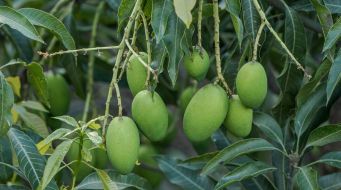
Mango orchards are improving rural livelihoods in Chhattisgarh, creating resilient farms, diverse incomes, and long-term opportunities for farming communities.
Drawing on WOTR’s grassroots experience, this piece explores the powerful connection between water security, ecosystem restoration, agriculture and nutrition security in rural India.