Gender inclusiveness and women empowerment has garnered strong support globally, especially in the last couple of decades, and rightly so. Women are pivotal to the progress of a nation and play a key role in defining the culture of a society.
A Better Tomorrow
Stories, Practices, and Solutions
Climate change itself may be gender-neutral, but any action we need to take for adaptation cannot be anything but women-centric. Climate action cannot do without women. The reasons are endless, but let me bring out the five specific ones, and all of them have to do with every day and straightforward logic.
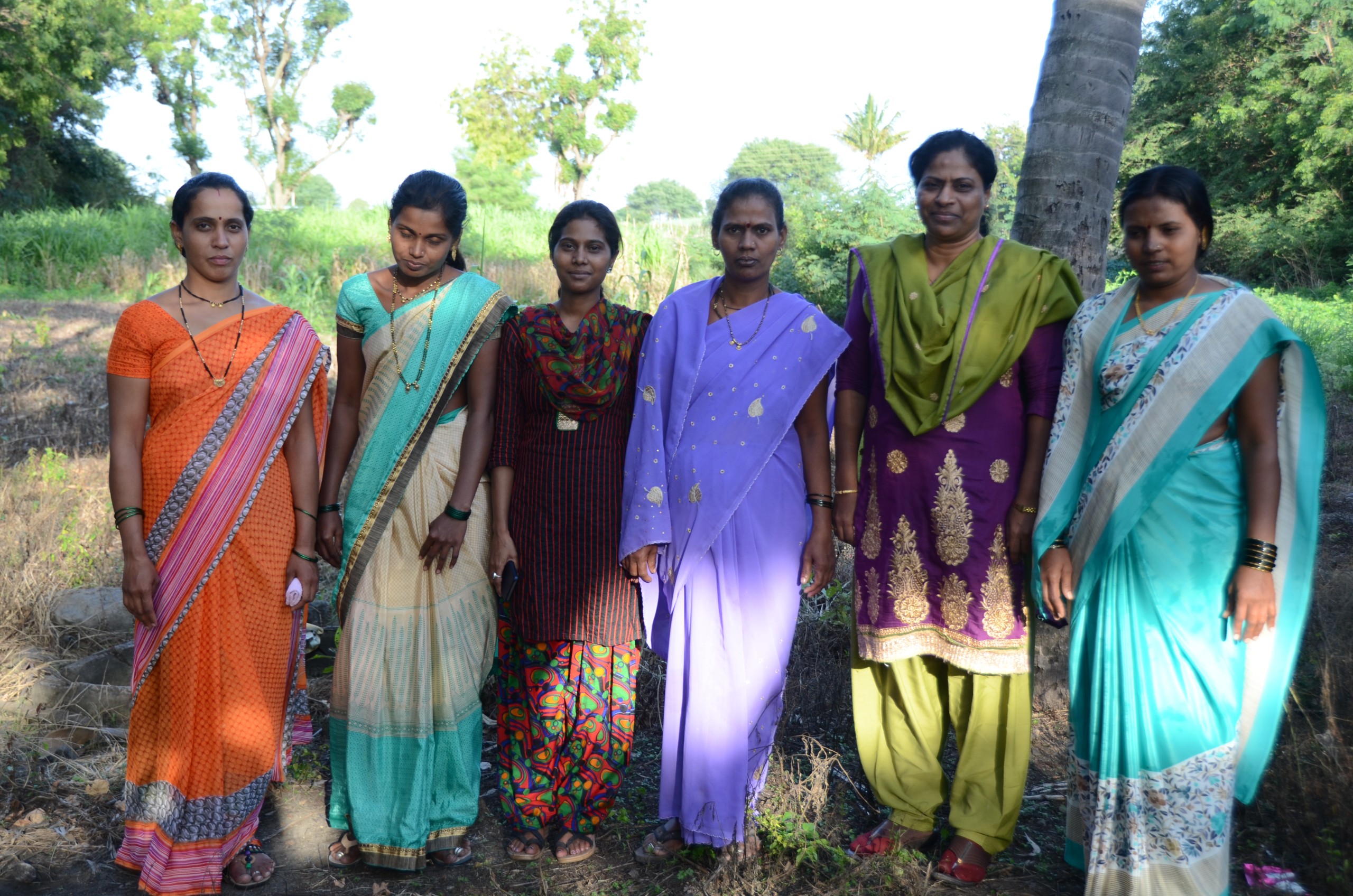
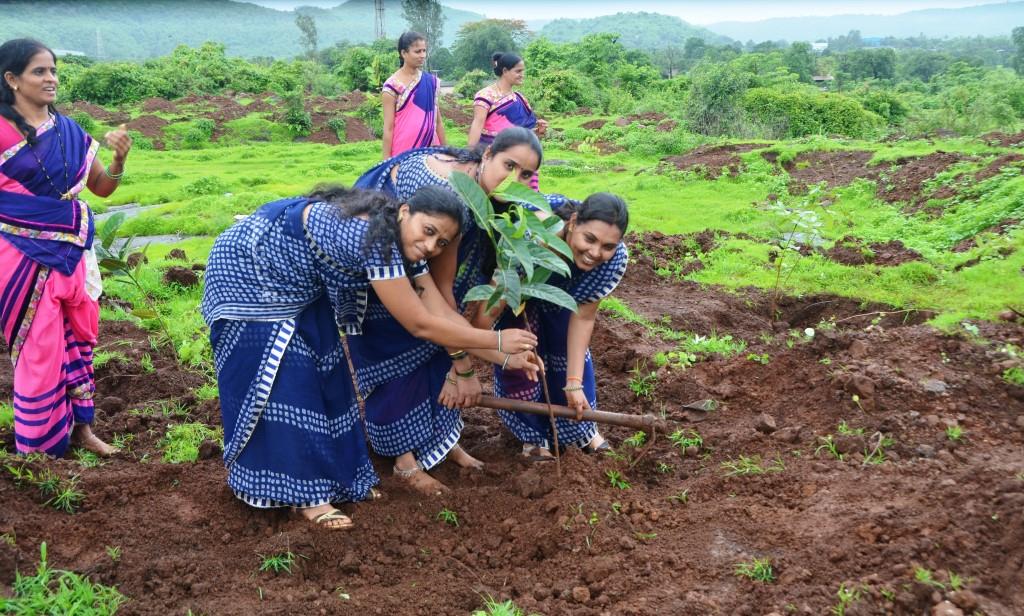
Over 48% of India’s rural population comprises of the female gender. They play an essential role in the rural economy by working as farmers, daily wage workers, traditional knowledge disseminators, entrepreneurs etc.They often also serve a significant role in managing household work, childcare, elderly care, taking care of ill ones
In the context of achieving sustainability in agriculture, this is especially pertinent as over indulgence in natural resources to maximize benefits in terms of utility and income for the present means farmers are paying less heed to future consequences.
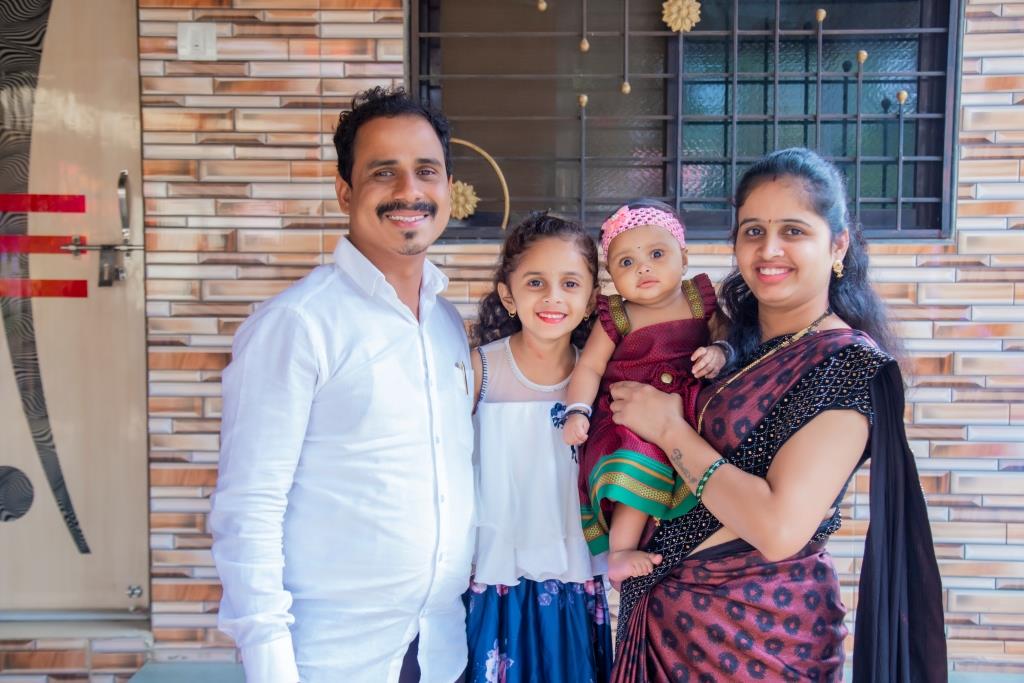
Today is National Girl Child Day and is celebrated on January 24 every year. It is primarily aimed at promoting awareness about the rights of the girl child, and increasing awareness on the importance of girls’ education, health and nutrition
On 19th November 2021, WOTR with IDH and eight other partners, launched ECOBARI – a collaborative aimed to promote Ecosystem Based Adaptation for Resilient Incomes. The event witnessed over 150 participants. ECOBARI received a huge support from the development fraternity;
Gender inclusiveness and women empowerment has garnered strong support globally, especially in the last couple of decades, and rightly so. Women are pivotal to the progress of a nation and play a key role in defining the culture of a society.
Climate change itself may be gender-neutral, but any action we need to take for adaptation cannot be anything but women-centric. Climate action cannot do without women. The reasons are endless, but let me bring out the five specific ones, and all of them have to do with every day and straightforward logic.
Over 48% of India’s rural population comprises of the female gender. They play an essential role in the rural economy by working as farmers, daily wage workers, traditional knowledge disseminators, entrepreneurs etc.They often also serve a significant role in managing household work, childcare, elderly care, taking care of ill ones
In the context of achieving sustainability in agriculture, this is especially pertinent as over indulgence in natural resources to maximize benefits in terms of utility and income for the present means farmers are paying less heed to future consequences.
Today is National Girl Child Day and is celebrated on January 24 every year. It is primarily aimed at promoting awareness about the rights of the girl child, and increasing awareness on the importance of girls’ education, health and nutrition
On 19th November 2021, WOTR with IDH and eight other partners, launched ECOBARI – a collaborative aimed to promote Ecosystem Based Adaptation for Resilient Incomes. The event witnessed over 150 participants. ECOBARI received a huge support from the development fraternity;
By Categories
By Tags
Read a collection blogs which brings together five stories from WOTR’s blog, shaped by the everyday lives, struggles, and choices of people in rural India. Told from the ground up, these pieces reflect moments of resilience, learning, and collective effort around water, livelihoods, and social change.
A water storage capacity of 2.5 million litres was created, bringing 64.25 acres of barren land back under cultivation while reducing soil erosion and improving groundwater recharge.
Maruti implemented a series of watershed interventions, including a farm pond and Water Absorption Trenches (WATs) to prevent surface runoff and recharge the aquifers
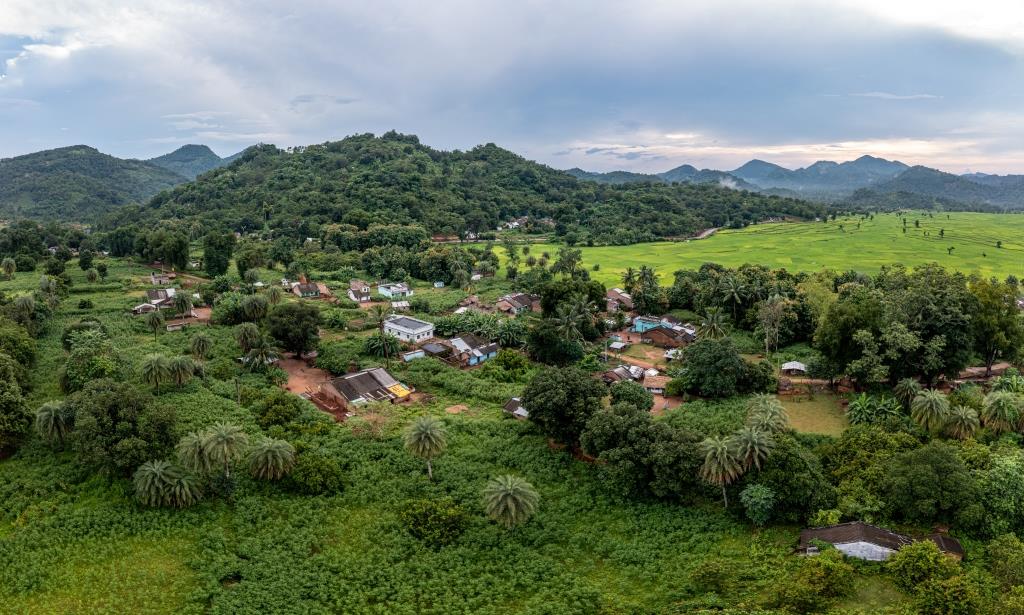
The Kadasi Revenue village in Odisha, which gets water from five springs, provided a closer look at the interplay between nature, community, and water resources to W-CReS researcher Navnath Ghodake during his field visit.
Farmers in rural Maharashtra are transforming their harvests and building climate resilience through innovative crop protection and sustainable agricultural growth.
W-CReS researchers’ journey across Maharashtra documenting good O&M practices turned into a travel across diverse terrains and lived realities, with each step testing perception and decision-making
Mahavir’s farm has moved from producing what felt safe to what the local market needs.
The growing use of synthetic and glass-coated kite thread, commonly known as manjha, has turned a leisure activity into a serious public safety and environmental issue