Understanding the gap between what weather forecasts predict and what people experience on the ground is essential for ensuring that weather information truly supports decisions in agriculture, livelihoods, and disaster preparedness
Across India, disasters are no longer singular events but a polycrisis—where climate extremes, ecological degradation, water stress, and livelihood insecurity interact and amplify one another
When we mix weather,climate and climate change terms together, it can lead to confusion about what actually caused an event, who is responsible, and what actions are most effective
The Global South is being asked to shoulder the world’s nature and climate ambitions while global finance continues to move decisively in the opposite direction.
View a curated selection of five WOTR films that we believe are a must watch for anyone interested in community-led development, water security, women’s empowerment, and long-term resilience.
Experts fear early monsoons in Maharashtra could disrupt the sowing and harvesting cycles. We spoke to farmers across Maharashtra to understand their losses, coping strategies, and expectations.
As the heat in India increases, the rising temperature is also affecting the food security of the country. India is focusing on climate-resilient agriculture by developing climate-resilient crop varieties, designed to cope with unpredictable weather and boost farm productivity.
The idea that pollution increases early in development but later decreases as countries get richer and adopt cleaner technologies—as suggested by the Environmental Kuznets Curve—doesn’t hold in reality, where the damage is often lasting and hard to reverse.
Understanding the gap between what weather forecasts predict and what people experience on the ground is essential for ensuring that weather information truly supports decisions in agriculture, livelihoods, and disaster preparedness
Across India, disasters are no longer singular events but a polycrisis—where climate extremes, ecological degradation, water stress, and livelihood insecurity interact and amplify one another
When we mix weather,climate and climate change terms together, it can lead to confusion about what actually caused an event, who is responsible, and what actions are most effective
The Global South is being asked to shoulder the world’s nature and climate ambitions while global finance continues to move decisively in the opposite direction.
View a curated selection of five WOTR films that we believe are a must watch for anyone interested in community-led development, water security, women’s empowerment, and long-term resilience.
Experts fear early monsoons in Maharashtra could disrupt the sowing and harvesting cycles. We spoke to farmers across Maharashtra to understand their losses, coping strategies, and expectations.
As the heat in India increases, the rising temperature is also affecting the food security of the country. India is focusing on climate-resilient agriculture by developing climate-resilient crop varieties, designed to cope with unpredictable weather and boost farm productivity.
The idea that pollution increases early in development but later decreases as countries get richer and adopt cleaner technologies—as suggested by the Environmental Kuznets Curve—doesn’t hold in reality, where the damage is often lasting and hard to reverse.
How planning and implementation of ecosystem-based adaptation (EbA) and agroecology principles in arid or semi-arid regions can help address the growing impacts of climate change.
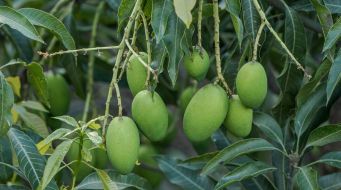
Mango orchards are improving rural livelihoods in Chhattisgarh, creating resilient farms, diverse incomes, and long-term opportunities for farming communities.
Drawing on WOTR’s grassroots experience, this piece explores the powerful connection between water security, ecosystem restoration, agriculture and nutrition security in rural India.