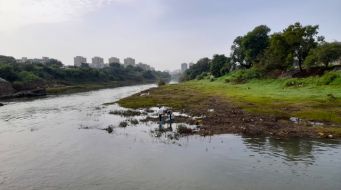
Urbanization and water scarcity are escalating challenges, but often overlooked, urban wetlands, offer crucial solutions. These vibrant ecosystems, found within or near cities, provide vital environmental benefits.
A Better Tomorrow
Stories, Practices, and Solutions
Pandarinath Shinde, a jal sevak with WOTR, helps farmers adapt to climate change by teaching efficient water management and farming practices. He has implemented techniques like micro-irrigation and soil testing on his farm, increasing his income and assisting other farmers in improving their crop yields.
Krushiputra FPC, established in 2019, improved water conservation and farming practices in Subhanpur village, increasing crop yields by 30-40%. The FPC promotes micro-irrigation and offers resources, leading to collective profits and sustainable growth.
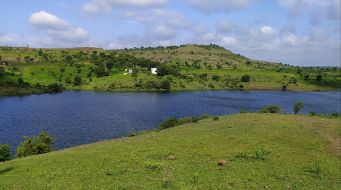
Maharashtra, leads in implementing water harvesting initiatives, with over 99% of its 97,062 water bodies being artificial. W-CReS collaborated with ATE Chandra Foundation to assess the impact of rejuvenation of water bodies five years after implementation.
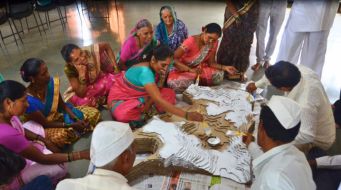
Borgaon Budruk’s Village Development Committee (VDC) and Village Water Management Teams (VWMT) have successfully addressed water scarcity through community-driven water conservation efforts, significantly improving local conditions.
Shyam Motiram Jadhav and his wife, Vaishali Jadhav, have successfully increased their farm’s productivity and earnings by using a sprinkler system to grow brinjals, which require less water and yield higher profits compared to maize.
The village of Borgaon Math relied on one hand pump, leading to shortages and conflicts. Bhagirathi, a farmer, often traveled long distances for water, impacting daily life and her children’s education .WOTR’s efforts have provided reliable water access, improving living conditions and education.
In rural Maharashtra, communities have become water stewards with support from WOTR. Villages like Borgaon Math and Bori Khurd have adopted rainwater harvesting, micro-irrigation, and organic farming, boosting water availability and crop yields.
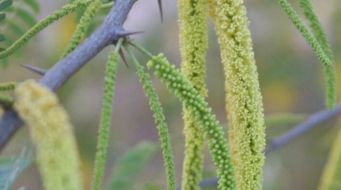
Prosopis juliflora, or Vilayati Kikar, sparks debate for its dual impact on arid and semi-arid landscapes. This invasive species provides valuable ecosystem services (ES) while also causing significant ecosystem disservices (EDS).
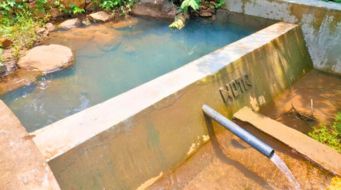
Diversion-Based Irrigation (DBI) merges ancient practices with modern technology, using gravity and slope to water crops without external energy. Understanding site conditions is crucial for successful DBI implementation, supporting sustainable agriculture.
Urbanization and water scarcity are escalating challenges, but often overlooked, urban wetlands, offer crucial solutions. These vibrant ecosystems, found within or near cities, provide vital environmental benefits.
Pandarinath Shinde, a jal sevak with WOTR, helps farmers adapt to climate change by teaching efficient water management and farming practices. He has implemented techniques like micro-irrigation and soil testing on his farm, increasing his income and assisting other farmers in improving their crop yields.
Krushiputra FPC, established in 2019, improved water conservation and farming practices in Subhanpur village, increasing crop yields by 30-40%. The FPC promotes micro-irrigation and offers resources, leading to collective profits and sustainable growth.
Maharashtra, leads in implementing water harvesting initiatives, with over 99% of its 97,062 water bodies being artificial. W-CReS collaborated with ATE Chandra Foundation to assess the impact of rejuvenation of water bodies five years after implementation.
Borgaon Budruk’s Village Development Committee (VDC) and Village Water Management Teams (VWMT) have successfully addressed water scarcity through community-driven water conservation efforts, significantly improving local conditions.
Shyam Motiram Jadhav and his wife, Vaishali Jadhav, have successfully increased their farm’s productivity and earnings by using a sprinkler system to grow brinjals, which require less water and yield higher profits compared to maize.
The village of Borgaon Math relied on one hand pump, leading to shortages and conflicts. Bhagirathi, a farmer, often traveled long distances for water, impacting daily life and her children’s education .WOTR’s efforts have provided reliable water access, improving living conditions and education.

In rural Maharashtra, communities have become water stewards with support from WOTR. Villages like Borgaon Math and Bori Khurd have adopted rainwater harvesting, micro-irrigation, and organic farming, boosting water availability and crop yields.
Prosopis juliflora, or Vilayati Kikar, sparks debate for its dual impact on arid and semi-arid landscapes. This invasive species provides valuable ecosystem services (ES) while also causing significant ecosystem disservices (EDS).
Diversion-Based Irrigation (DBI) merges ancient practices with modern technology, using gravity and slope to water crops without external energy. Understanding site conditions is crucial for successful DBI implementation, supporting sustainable agriculture.
By Categories
By Tags
Shailesh Haribhakti, Chairman of WOTR’s Advisory Board, reflects on the evolving landscape of Indian agriculture and shares an optimistic vision for its future.
Thirteen years of WOTR initiatives in Odisha centering women’s leadership, linking it with water security, health, livelihoods, and sustainable rural development transformation.
A systems approach to rural resilience integrating climate, water, agriculture, and community-led science for sustainable development through participatory research and dialogue.
Exploring the growing importance of resilience in development, the piece highlights the need to look beyond activities and numbers to understand real impact. Garima Dutt emphasises on how meaningful measurement can help capture lasting change in people and communities
The gap between reported data and ground realities is often vast in the rural development sector. Sujata Tripathy writes why real-time data is important which highlights not just the numbers but also the qualitative aspects of development.
In our Must Watch – From the Archives collection, we revisit powerful films that chronicle 32 years of transformation. These stories capture the resilience of rural communities, the strength of collective action and the quiet yet lasting change that numbers alone can’t express.
How Karauli farmers stopped soil erosion using traditional Pagaras, community action, and climate-smart farming to restore land, livelihoods, and resilience
From dust-filled mines to life-giving ponds, Karauli’s communities revive water, farming, dignity, and hope through collective climate resilience efforts