When we mix weather,climate and climate change terms together, it can lead to confusion about what actually caused an event, who is responsible, and what actions are most effective
The Global South is being asked to shoulder the world’s nature and climate ambitions while global finance continues to move decisively in the opposite direction.
A water storage capacity of 2.5 million litres was created, bringing 64.25 acres of barren land back under cultivation while reducing soil erosion and improving groundwater recharge.
Maruti implemented a series of watershed interventions, including a farm pond and Water Absorption Trenches (WATs) to prevent surface runoff and recharge the aquifers
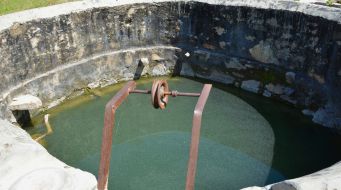
The Kadasi Revenue village in Odisha, which gets water from five springs, provided a closer look at the interplay between nature, community, and water resources to W-CReS researcher Navnath Ghodake during his field visit.
W-CReS researchers’ journey across Maharashtra documenting good O&M practices turned into a travel across diverse terrains and lived realities, with each step testing perception and decision-making
The growing use of synthetic and glass-coated kite thread, commonly known as manjha, has turned a leisure activity into a serious public safety and environmental issue
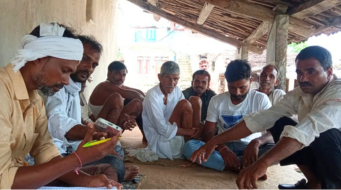
From aspiring government teacher to community leader, Mahaveer journey shows how community mobilisation, leadership and collective action can transform rural development in Rajasthan.
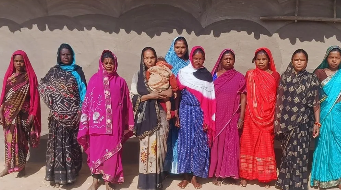
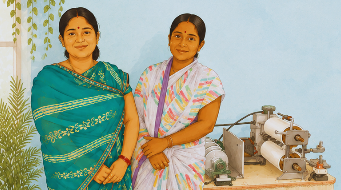
It is a small enterprise, still finding its feet. But its beginnings are firmly local, shaped by what the women know, what the farmers need and what the village already has.
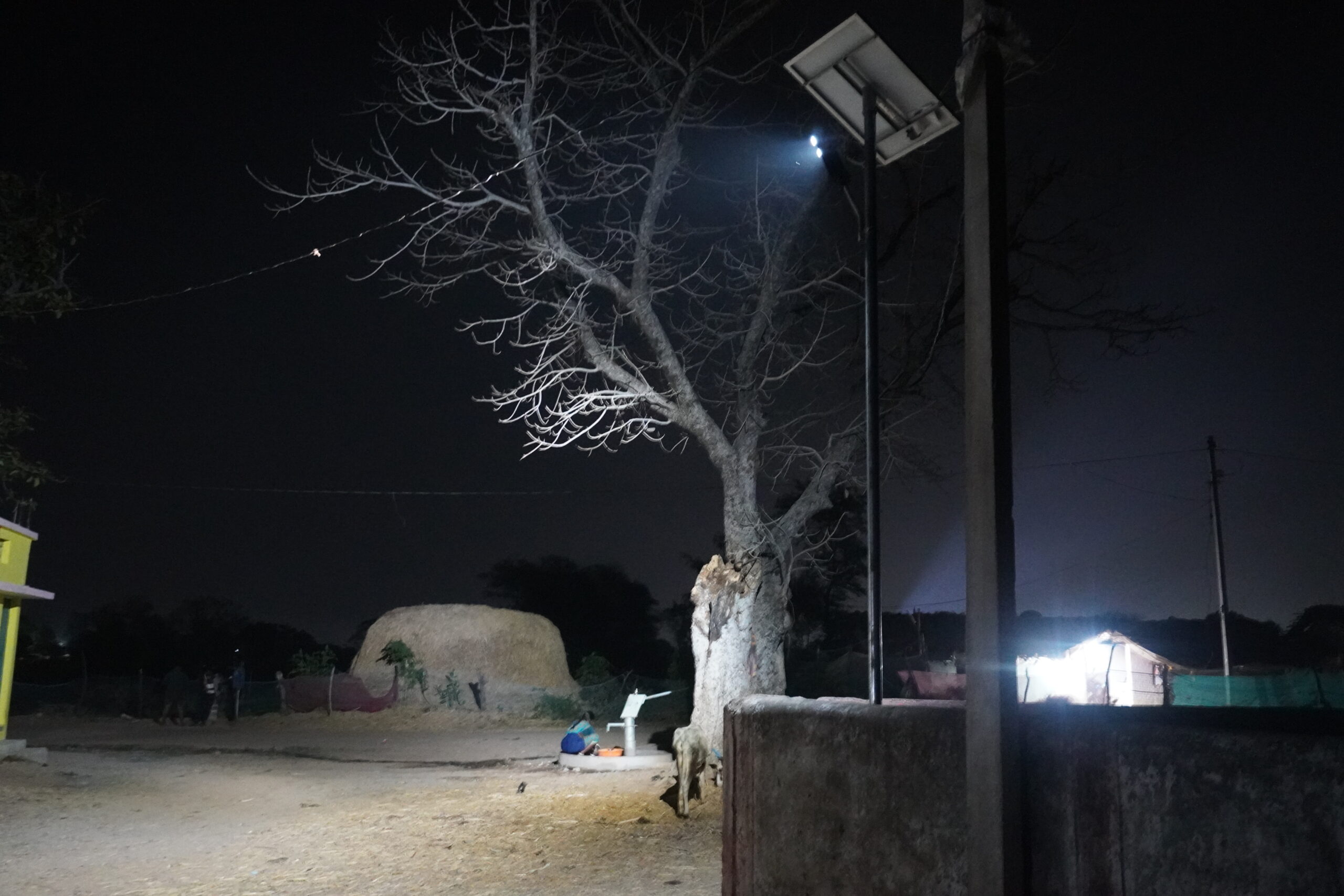
Bringing light, safety, and renewed community life to 20 villages in Kabirdham through 150 solar streetlights, empowering communities to reclaim their public spaces.
How planning and implementation of ecosystem-based adaptation (EbA) and agroecology principles in arid or semi-arid regions can help address the growing impacts of climate change.
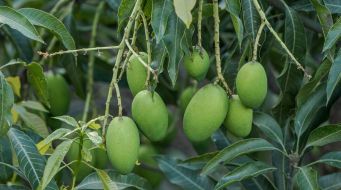
Mango orchards are improving rural livelihoods in Chhattisgarh, creating resilient farms, diverse incomes, and long-term opportunities for farming communities.