Shailesh Haribhakti, Chairman of WOTR’s Advisory Board, reflects on the evolving landscape of Indian agriculture and shares an optimistic vision for its future.
Maruti implemented a series of watershed interventions, including a farm pond and Water Absorption Trenches (WATs) to prevent surface runoff and recharge the aquifers
Read how Farmer Producer Companies in Maharashtra have become powerful platforms that enable farmers to pool resources, access knowledge, and meet consumer demand.
Diel Behera, a young farmer from Kulang, Odisha, is building a steady income through climate-resilient farming—driven by determination and a strong community.
Abedan Badaraita’s journey with natural farming in Madaul village, Odisha, is a powerful reminder of what resilience and community-led action can achieve.
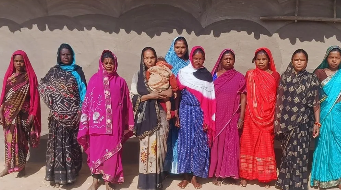
13 women are managing 11 collection centres across five Farmer Producer Companies (FPCs) in Jalna, Maharashtra, all of which deal in maize, connecting with over 1,800 farmers.
As the heat in India increases, the rising temperature is also affecting the food security of the country. India is focusing on climate-resilient agriculture by developing climate-resilient crop varieties, designed to cope with unpredictable weather and boost farm productivity.
For Saroj Devi, multilayer farming marked a turning point in her farming career, ultimately providing a stable and diverse source of food for her family and the community.
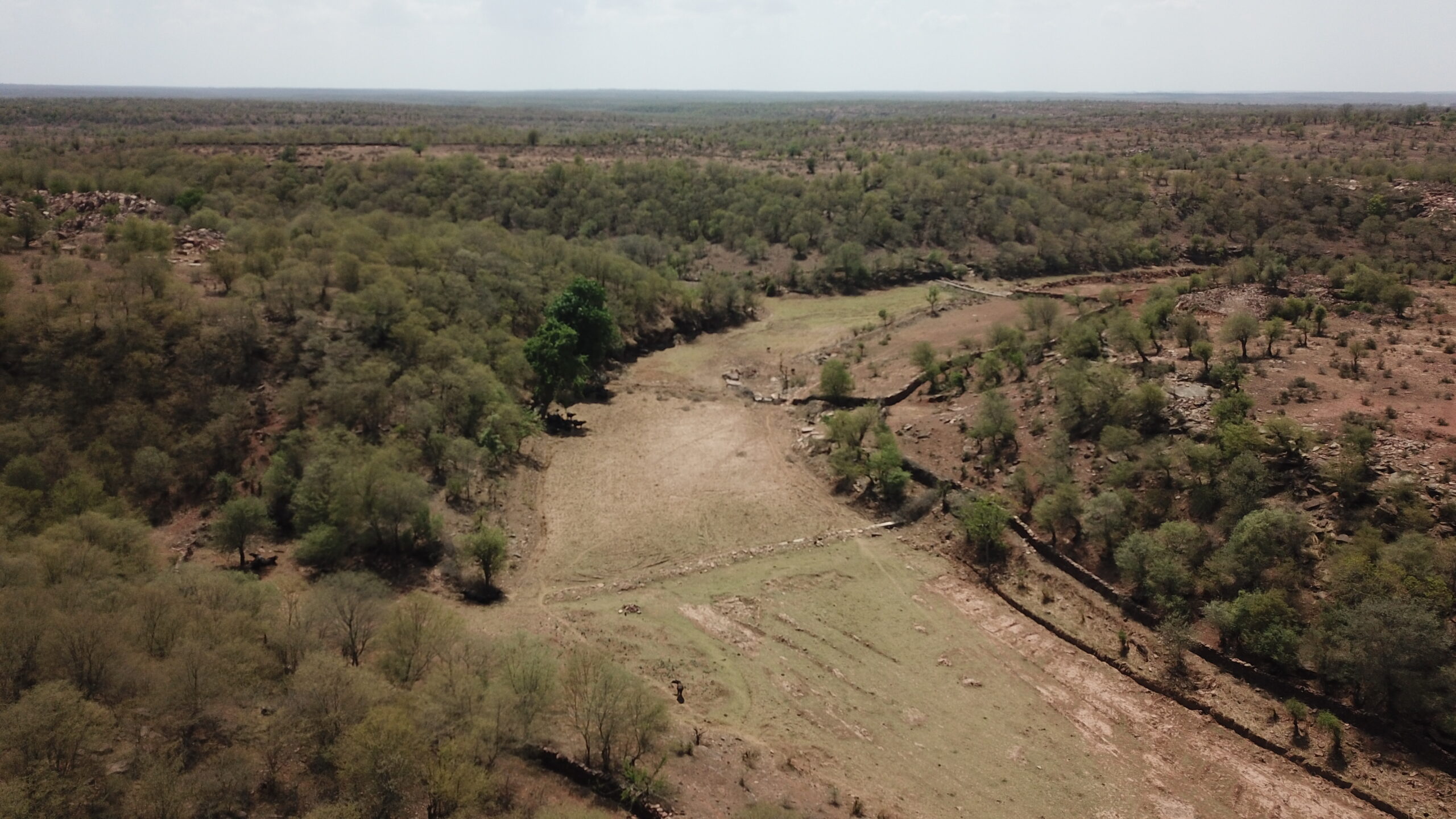
Water Budgeting in Yeniye Khurd assesses water availability, demand, and agricultural needs, revealing a deficit and guiding community-led planning for resilience.
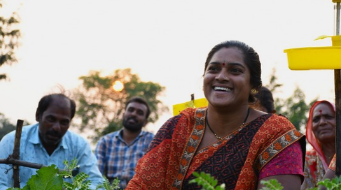
At an FPO meeting, a woman’s presence can be easy to count. She is a member. Her name may appear on the board. What is harder to see is what that presence means in practice.
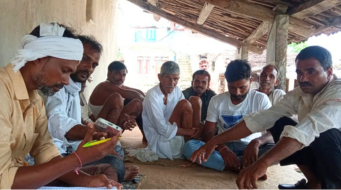
From aspiring government teacher to community leader, Mahaveer journey shows how community mobilisation, leadership and collective action can transform rural development in Rajasthan.
It is a small enterprise, still finding its feet. But its beginnings are firmly local, shaped by what the women know, what the farmers need and what the village already has.
Bringing light, safety, and renewed community life to 20 villages in Kabirdham through 150 solar streetlights, empowering communities to reclaim their public spaces.
How planning and implementation of ecosystem-based adaptation (EbA) and agroecology principles in arid or semi-arid regions can help address the growing impacts of climate change.