In the rain-fed villages of Maharashtra, people are finding new ways to understand their land and groundwater — not with satellites or dashboards, but with cardboard, shared knowledge, and a fresh look at the soil beneath their feet.
Maruti implemented a series of watershed interventions, including a farm pond and Water Absorption Trenches (WATs) to prevent surface runoff and recharge the aquifers
The Kadasi Revenue village in Odisha, which gets water from five springs, provided a closer look at the interplay between nature, community, and water resources to W-CReS researcher Navnath Ghodake during his field visit.
W-CReS researchers’ journey across Maharashtra documenting good O&M practices turned into a travel across diverse terrains and lived realities, with each step testing perception and decision-making
It’s unusual that science, soil, and stories come together in a single space but something quietly transformative happened during W-CReS’s recent CDVI workshop in Odisha
In the rain-fed villages of Maharashtra, people are finding new ways to understand their land and groundwater — not with satellites or dashboards, but with cardboard, shared knowledge, and a fresh look at the soil beneath their feet.
Maruti implemented a series of watershed interventions, including a farm pond and Water Absorption Trenches (WATs) to prevent surface runoff and recharge the aquifers
The Kadasi Revenue village in Odisha, which gets water from five springs, provided a closer look at the interplay between nature, community, and water resources to W-CReS researcher Navnath Ghodake during his field visit.
W-CReS researchers’ journey across Maharashtra documenting good O&M practices turned into a travel across diverse terrains and lived realities, with each step testing perception and decision-making
It’s unusual that science, soil, and stories come together in a single space but something quietly transformative happened during W-CReS’s recent CDVI workshop in Odisha
How planning and implementation of ecosystem-based adaptation (EbA) and agroecology principles in arid or semi-arid regions can help address the growing impacts of climate change.
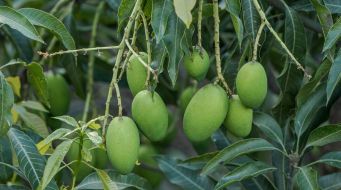
Mango orchards are improving rural livelihoods in Chhattisgarh, creating resilient farms, diverse incomes, and long-term opportunities for farming communities.
Drawing on WOTR’s grassroots experience, this piece explores the powerful connection between water security, ecosystem restoration, agriculture and nutrition security in rural India.