Amidst the challenges of the Covid-19 lockdown, Rayagada district in Odisha harnessed community strength to drive change. Through initiatives like sustainable agriculture, alternative livelihoods, and the construction of watershed structures, villagers collaborated to improve water management, boost incomes, and enhance resilience against climate and economic hardships.
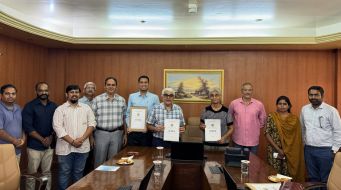
WOTR Centre for Resilience Studies (W-CReS) and the Indian Institute of Tropical Meteorology (IITM) partner to combine advanced climate science research with community-focused initiatives.
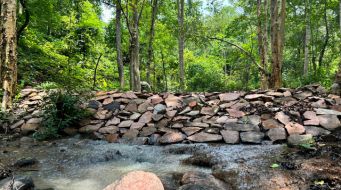
Soil erosion in Koriya, Chhattisgarh, threatens agriculture and infrastructure, requiring solutions like Loose Boulder Structures (LBS). LBS, a cost-effective method, controls erosion, conserves water, and supports local ecosystems.
Two projects spearheaded by the Watershed Organisation Trust (WOTR) have been honoured with the CSR Times Awards 2024 in the Water Conservation and Management category.
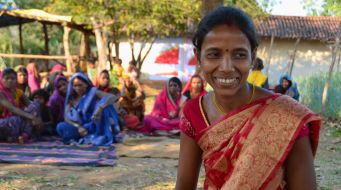
In the remote village of Kolhua, Saroj Singh, a Mahila Pravartak, is transforming healthcare by promoting immunisation and improving nutrition, overcoming challenges and gaining the community’s trust.
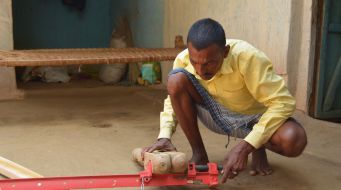
Suraj Lal turned his carpentry passion into a business, crafting furniture for his village with WOTR and AHB’s support. Similarly, Bir Singh and his team in Dungripara built a successful construction enterprise, creating a path to self-sufficiency.
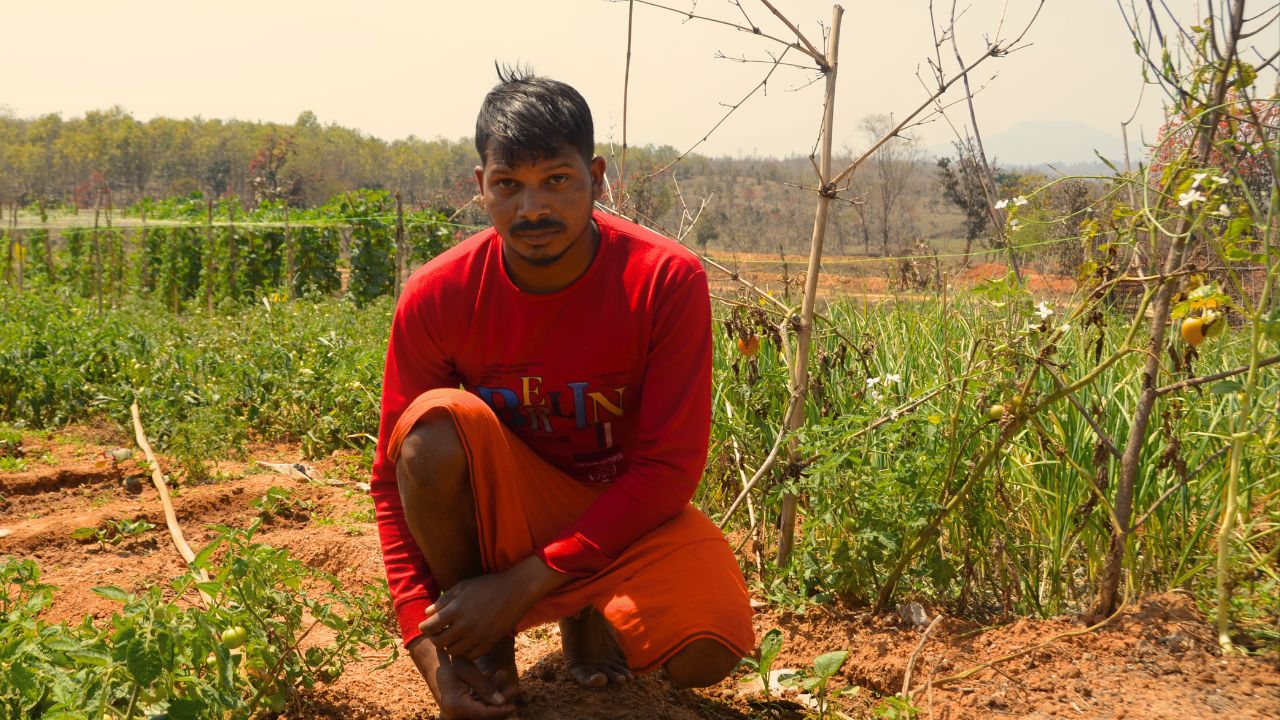
Sahulia Singh’s family, once reliant on a limited diet of rice and potatoes, now grows a variety of vegetables through WOTR’s kitchen garden initiative, improving their nutrition and reducing dependence on distant markets.
Phulman Singh and Ravi Marabi transformed their barren lands into thriving farms, bringing them closer to realising their dreams of building homes for their families.
Agriculture is moving beyond just producing more food to ensuring it nourishes people. As hidden hunger rises, the focus is shifting from yield to nutrition.
Environmental DNA (eDNA) is transforming how scientists monitor biodiversity and ecosystem health by detecting genetic traces left by organisms in their environment. It offers a non-invasive, efficient way to track species, study climate impacts, and support conservation efforts.
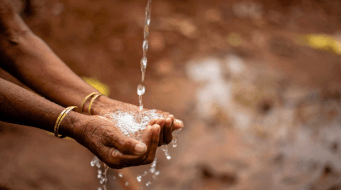
India’s growing water crisis, driven by rising demand, pollution and inefficient technologies, poses a serious threat to its development goals. Addressing this challenge requires a shift toward sustainable and circular water management practices. With the right mix of policy, technology, and community action.
‘Neeranjali – A Film About Collective Action for the Commons’ showcases tribal communities restoring water, land, and livelihoods through collective action, sustainable practices, and resilience in Korba villages, Chhattisgarh.