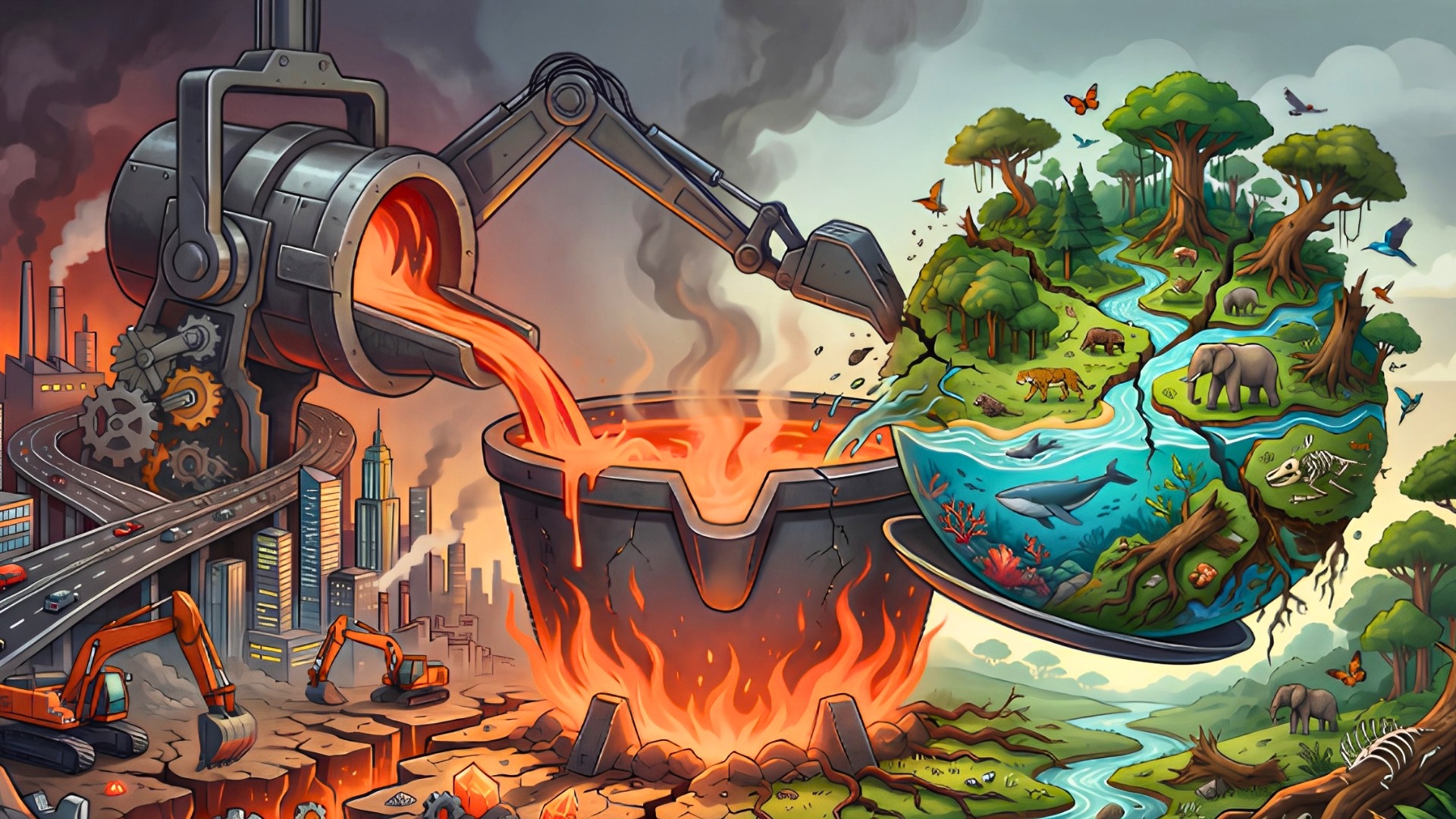
Carbon footprint is the total amount of greenhouse gases (including carbon dioxide and methane) that are generated by human actions. By making small changes to our daily actions, one can decrease their carbon footprint.
Culture is a reflection of an organisation’s identity, its unique personality, and the values it holds dear. It is the sum of its traditions, rituals, symbols, and stories, all of which contribute to a shared sense of purpose and meaning.
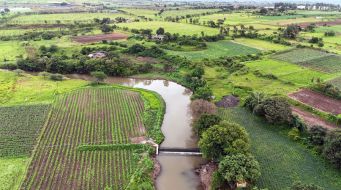
WOTR’s journey towards EbA began with its extensive experience in watershed development. This approach now recognises that the well-being of both people and nature is inextricably linked.
Despite the issues in water sector, a lot can still be done with the active involvement of relevant stakeholders, the private sector being integral to this
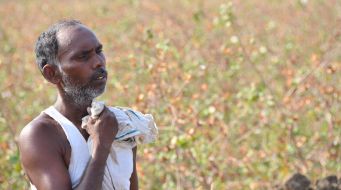
October Heat refers to the rise in temperature that occurs during the post-monsoon and pre-winter season. In recent years, however, October has increasingly felt like an extension of summer rather than an early indication of winter.
The Watershed Organisation Trust finds significant alignment between the recommendations by the Global Commission on the Economics of Water’s report and our own Water Stewardship Initiative
The story of how collective action turned Nagdarwadi from a village in distress into a model for watershed development, inspiring the Marathi film Paani.
The Watershed Organisation Trust actively participated in Poshan Maah 2024 by implementing several programmes addressing malnutrition and health issues among women and children in India
Carbon footprint is the total amount of greenhouse gases (including carbon dioxide and methane) that are generated by human actions. By making small changes to our daily actions, one can decrease their carbon footprint.
Culture is a reflection of an organisation’s identity, its unique personality, and the values it holds dear. It is the sum of its traditions, rituals, symbols, and stories, all of which contribute to a shared sense of purpose and meaning.
WOTR’s journey towards EbA began with its extensive experience in watershed development. This approach now recognises that the well-being of both people and nature is inextricably linked.
Despite the issues in water sector, a lot can still be done with the active involvement of relevant stakeholders, the private sector being integral to this
October Heat refers to the rise in temperature that occurs during the post-monsoon and pre-winter season. In recent years, however, October has increasingly felt like an extension of summer rather than an early indication of winter.
The Watershed Organisation Trust finds significant alignment between the recommendations by the Global Commission on the Economics of Water’s report and our own Water Stewardship Initiative
The story of how collective action turned Nagdarwadi from a village in distress into a model for watershed development, inspiring the Marathi film Paani.
The Watershed Organisation Trust actively participated in Poshan Maah 2024 by implementing several programmes addressing malnutrition and health issues among women and children in India
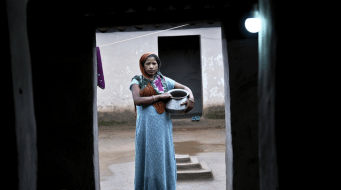
Sindhu’s 15-year journey reveals how widow property rights remain unclaimed without awareness, community support, and institutional guidance in rural India.
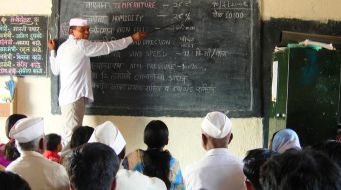
Capacity Building as a cornerstone of rural development strengthens leadership, resilience, sustainability, and community-driven solutions through inclusive training initiatives.
Participatory systems thinking empowers community-led development by integrating local knowledge, strengthening resilience, sustainability, and enabling adaptive, inclusive, long-term rural solutions.
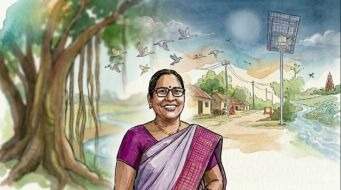
In Chhattisgarh, solar solutions bring water, irrigation, and light to villages, boosting livelihoods and building resilient, self-reliant communities.
In Rayagada district, crescent bunds help cashew trees retain water on hilly slopes, improving yields. A simple solution strengthening tribal livelihoods and climate resilience.
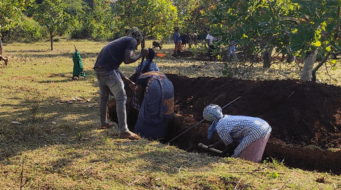
In Karauli district, revived pokhars and pagaras are conserving rainwater and restoring agriculture. These community-led efforts are reducing dependence on hazardous mining while improving livelihoods and health.
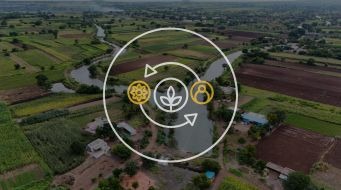
Circular economy keeps resources in use for as long as possible, extracts maximum value from them, and then recovers and regenerates products at the end of service life.