The Group Micro Irrigation (GMI) model promotes equitable groundwater access and encourages the adoption of efficient micro-irrigation systems among farmers.
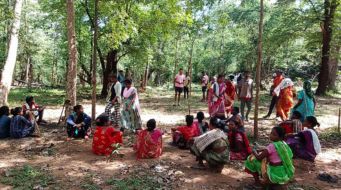
A three-year project by WOTR and HDFC Bank Parivartan aims to uplift 11,700 people in 40 tribal villages of Gadchiroli through sustainable agriculture, water conservation, and livelihood development.
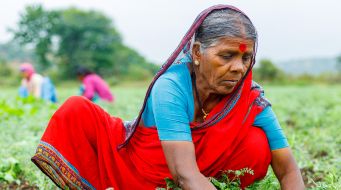
The vital contributions of women farmers in India’s agricultural sector remain largely unseen because of various societal and structural barriers, even though they are the backbone of many rural communities.
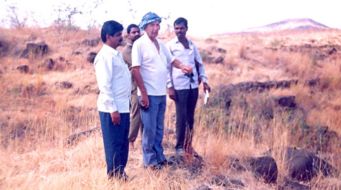
As we commemorate Father Hermann Bacher’s 100th birth anniversary, we reflect on his lasting legacy and the profound impact he had on rural development and water conservation
Odisha’s geothermal landscape holds immense potential, with untapped resources and exciting future prospects. Various initiatives are underway to explore and harness this energy, paving the way for sustainable development in the region.
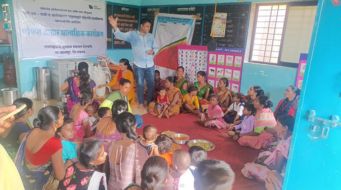
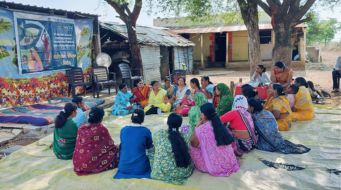
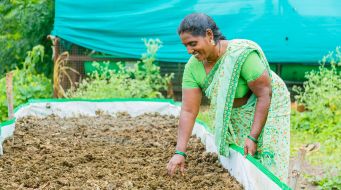
The Shri Bhagwant Mahila Farmer Producer Company Ltd in Solapur, supported by WOTR, NABARD, and Walmart Foundation, has empowered 1,500 women farmers across 19 villages, achieving a turnover of Rs 93,54,818 since 2022.
Provisioning Ecosystem Services (PES) encompass essential natural resources directly supporting human livelihoods and well-being. They play a crucial role in climate change adaptation and contribute to achieving various SDGs.
The Group Micro Irrigation (GMI) model promotes equitable groundwater access and encourages the adoption of efficient micro-irrigation systems among farmers.
A three-year project by WOTR and HDFC Bank Parivartan aims to uplift 11,700 people in 40 tribal villages of Gadchiroli through sustainable agriculture, water conservation, and livelihood development.
The vital contributions of women farmers in India’s agricultural sector remain largely unseen because of various societal and structural barriers, even though they are the backbone of many rural communities.
As we commemorate Father Hermann Bacher’s 100th birth anniversary, we reflect on his lasting legacy and the profound impact he had on rural development and water conservation
Odisha’s geothermal landscape holds immense potential, with untapped resources and exciting future prospects. Various initiatives are underway to explore and harness this energy, paving the way for sustainable development in the region.
The Shri Bhagwant Mahila Farmer Producer Company Ltd in Solapur, supported by WOTR, NABARD, and Walmart Foundation, has empowered 1,500 women farmers across 19 villages, achieving a turnover of Rs 93,54,818 since 2022.
Provisioning Ecosystem Services (PES) encompass essential natural resources directly supporting human livelihoods and well-being. They play a crucial role in climate change adaptation and contribute to achieving various SDGs.
Environmental DNA (eDNA) is transforming how scientists monitor biodiversity and ecosystem health by detecting genetic traces left by organisms in their environment. It offers a non-invasive, efficient way to track species, study climate impacts, and support conservation efforts.
India’s growing water crisis, driven by rising demand, pollution and inefficient technologies, poses a serious threat to its development goals. Addressing this challenge requires a shift toward sustainable and circular water management practices. With the right mix of policy, technology, and community action.
‘Neeranjali – A Film About Collective Action for the Commons’ showcases tribal communities restoring water, land, and livelihoods through collective action, sustainable practices, and resilience in Korba villages, Chhattisgarh.
The women of Bhendikanhar in Gadchiroli made a collective decision to improve the condition of the Kurma ghar (small huts where women stay during their menstrual cycles) in their village
Community well improves water access in Samlai, reducing hardship for women, supporting farming livelihoods, and bringing dignity, convenience, and renewed hope