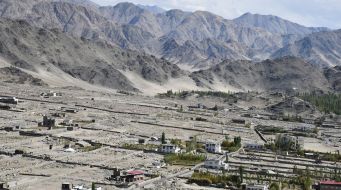
Pastoralism has shaped India’s rangelands for centuries. Here’s why pastoralists are key to protecting biodiversity and healthy ecosystems.
A Better Tomorrow
Stories, Practices, and Solutions
Mangroves do far more than store carbon. They’re coastal shields, fish nurseries, biodiversity havens, and living systems tied to millions of lives.
Observed every year on 16 July, World Snake Day aims to dispel myths and raise awareness about one of the most misunderstood creatures on Earth.
Ecolinguistics reminds us that language is not neutral; it shapes how we understand and engage with the world.
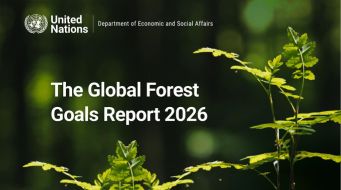
Global Forest Goals Report 2026 reveals critical gaps in forest conservation, financing, and livelihoods, highlighting urgent action before 2030.
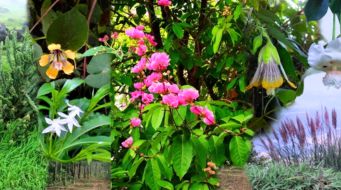
Plant blindness may be biodiversity’s most overlooked threat. Here’s why learning to see plants could change everything for our planet.
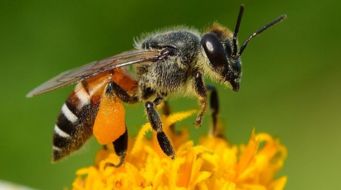
Bees sustain our food, ecosystems, and economies. Discover why protecting pollinators is humanity’s most urgent environmental responsibility.
EbA strengthens ecological processes – restoring soil moisture, improving vegetation cover, enhancing water retention, and supporting biodiversity.
Discover how responsible AI innovations can protect ecosystems, empower vulnerable communities, tackle climate change, and support sustainable global development.
Economic growth has surged globally, but it continues to overlook the true value of biodiversity, placing disproportionate risks on the Global South.
Pastoralism has shaped India’s rangelands for centuries. Here’s why pastoralists are key to protecting biodiversity and healthy ecosystems.
Mangroves do far more than store carbon. They’re coastal shields, fish nurseries, biodiversity havens, and living systems tied to millions of lives.
Observed every year on 16 July, World Snake Day aims to dispel myths and raise awareness about one of the most misunderstood creatures on Earth.
Ecolinguistics reminds us that language is not neutral; it shapes how we understand and engage with the world.
Global Forest Goals Report 2026 reveals critical gaps in forest conservation, financing, and livelihoods, highlighting urgent action before 2030.
Plant blindness may be biodiversity’s most overlooked threat. Here’s why learning to see plants could change everything for our planet.
Bees sustain our food, ecosystems, and economies. Discover why protecting pollinators is humanity’s most urgent environmental responsibility.
EbA strengthens ecological processes – restoring soil moisture, improving vegetation cover, enhancing water retention, and supporting biodiversity.
Discover how responsible AI innovations can protect ecosystems, empower vulnerable communities, tackle climate change, and support sustainable global development.
Economic growth has surged globally, but it continues to overlook the true value of biodiversity, placing disproportionate risks on the Global South.
By Categories
By Tags
Deep dive into how WOTR’s W-CReS is helping farmers understand the challenges in times of El Niño through localised training.
How 20 farmers in Jharkhand came together to cultivate chillies across 28.5 acres, earning a collective net profit of ₹25.40 lakh in a single season.
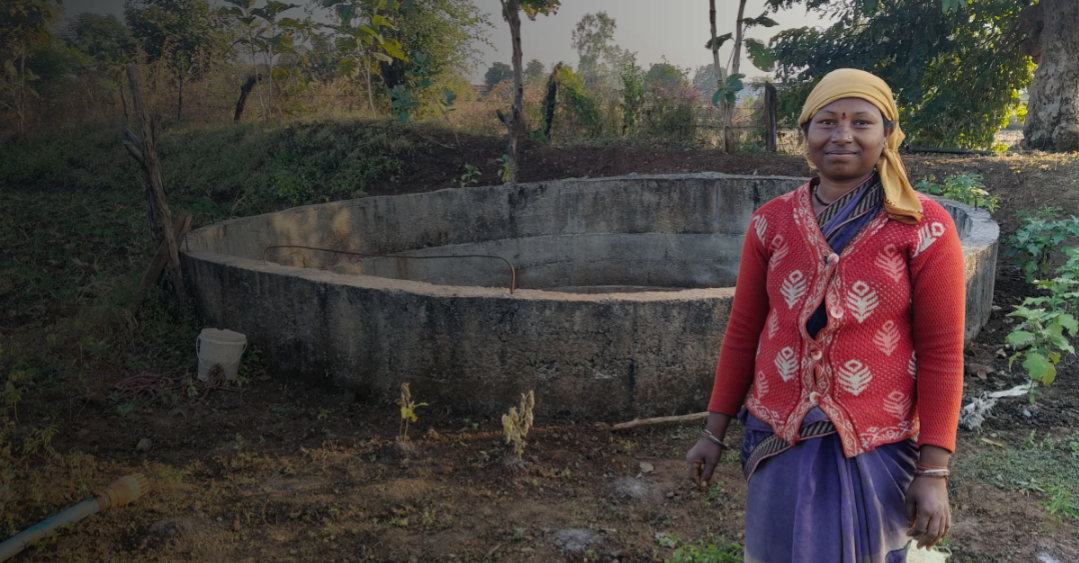
How access to water helped Draupati turn her skills and ambition into opportunity, diversify her farming, and build a more secure livelihood for her family.
India drylands face mounting climate pressures. Discover how IDIA is carrying integrated research, regional consultations and community knowledge to guide informed decisions and strengthen resilience.
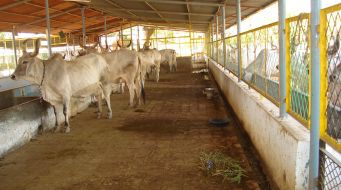
Farmer Producer Companies help smallholders access dairy schemes, productive assets, digital services and local support to strengthen rural livelihoods and incomes.
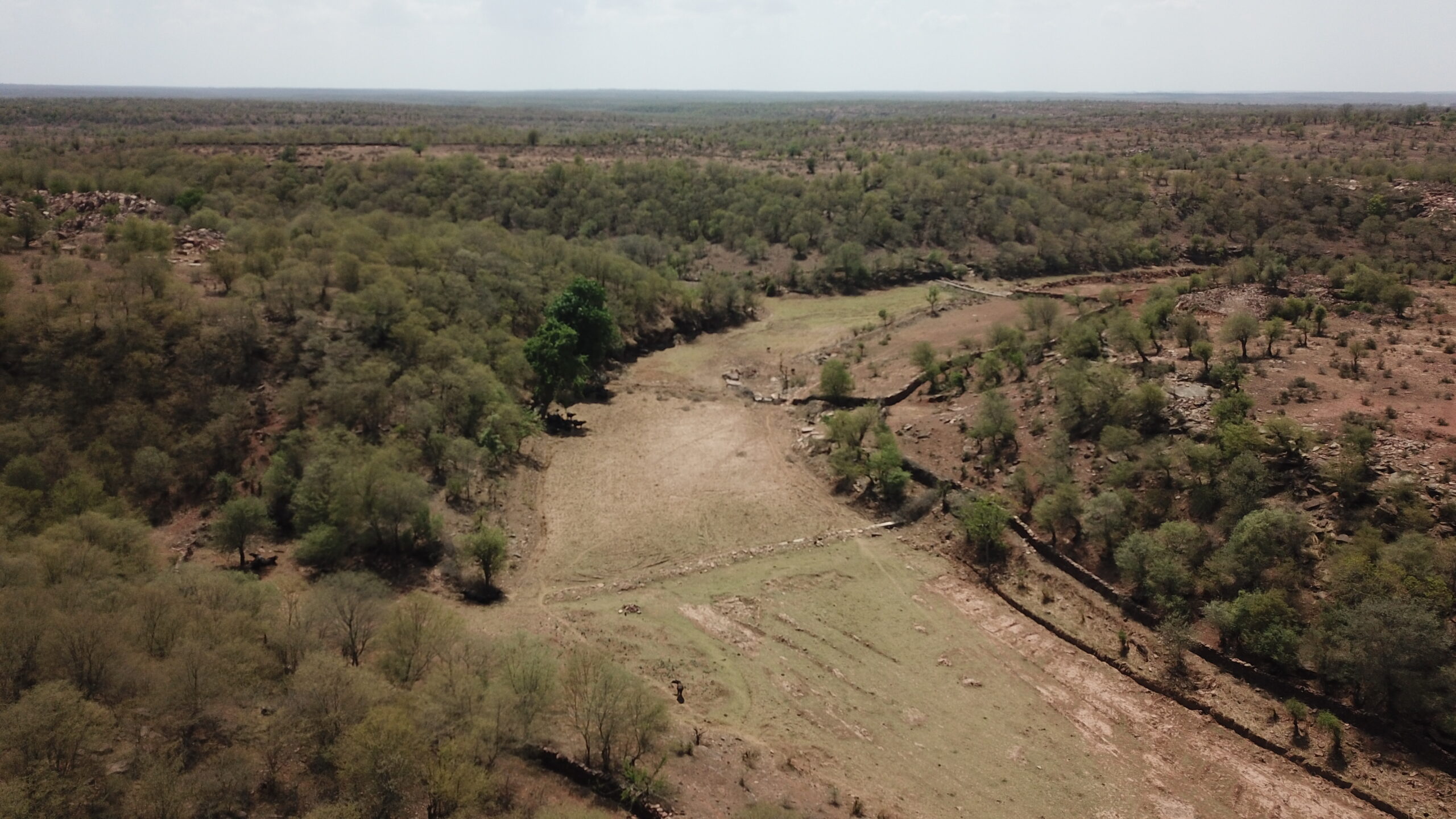
Water Budgeting in Yeniye Khurd assesses water availability, demand, and agricultural needs, revealing a deficit and guiding community-led planning for resilience.
At an FPO meeting, a woman’s presence can be easy to count. She is a member. Her name may appear on the board. What is harder to see is what that presence means in practice.
A walkthrough of how WOTR is enabling farmers in Maharashtra’s Marathwada region prepare for an increasingly unpredictable climate.