Mangroves do far more than store carbon. They’re coastal shields, fish nurseries, biodiversity havens, and living systems tied to millions of lives.
A Better Tomorrow
Stories, Practices, and Solutions
Observed every year on 16 July, World Snake Day aims to dispel myths and raise awareness about one of the most misunderstood creatures on Earth.
Ecolinguistics reminds us that language is not neutral; it shapes how we understand and engage with the world.
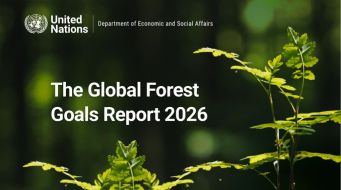
Global Forest Goals Report 2026 reveals critical gaps in forest conservation, financing, and livelihoods, highlighting urgent action before 2030.
Plant blindness may be biodiversity’s most overlooked threat. Here’s why learning to see plants could change everything for our planet.
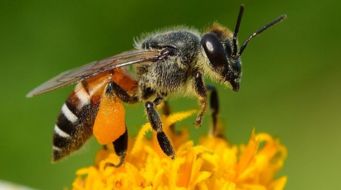
Bees sustain our food, ecosystems, and economies. Discover why protecting pollinators is humanity’s most urgent environmental responsibility.
EbA strengthens ecological processes – restoring soil moisture, improving vegetation cover, enhancing water retention, and supporting biodiversity.
Discover how responsible AI innovations can protect ecosystems, empower vulnerable communities, tackle climate change, and support sustainable global development.
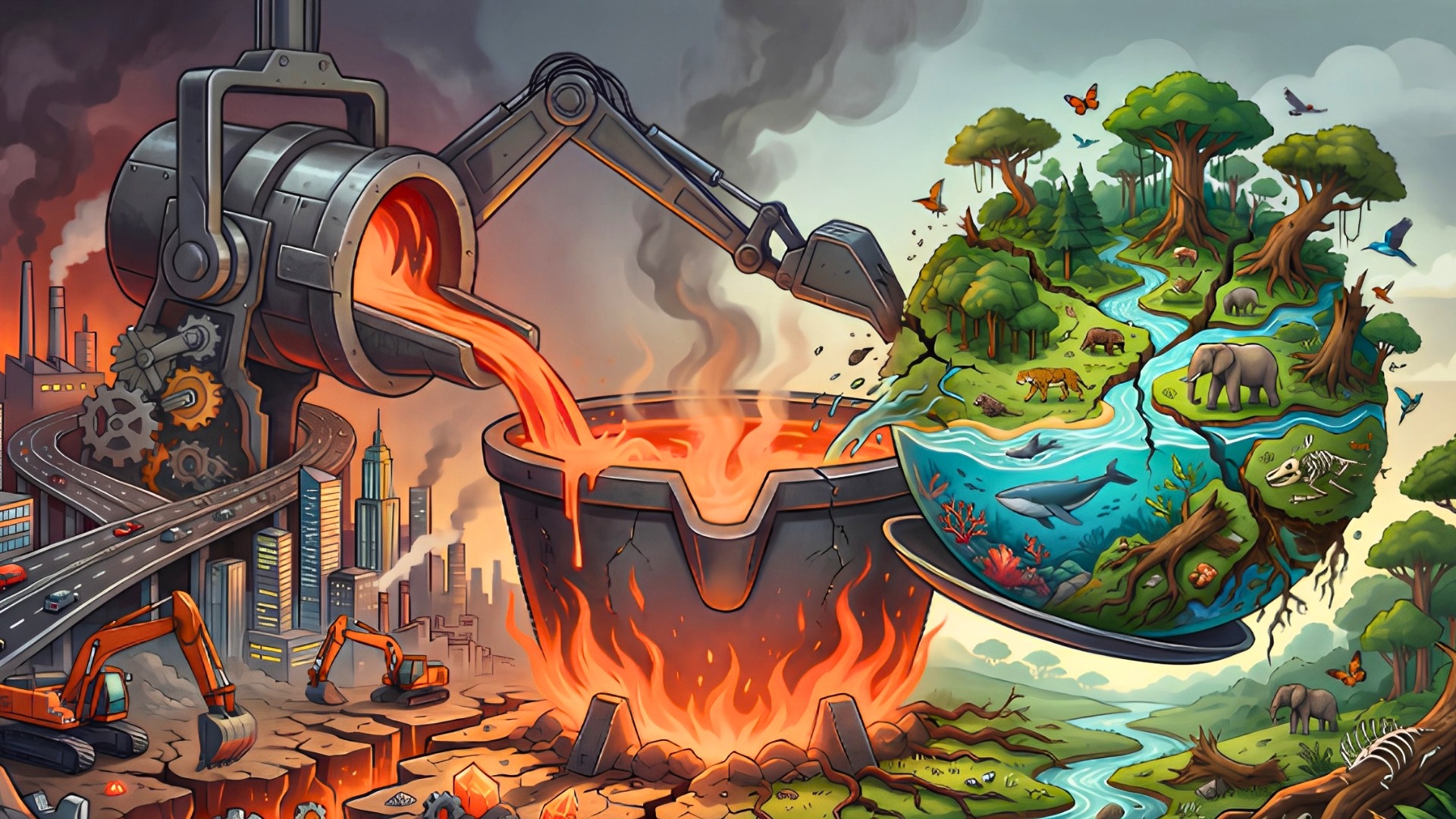
Economic growth has surged globally, but it continues to overlook the true value of biodiversity, placing disproportionate risks on the Global South.
Explore how biodiversity and national security intersect amid development and energy priorities in India and global geopolitics.
Mangroves do far more than store carbon. They’re coastal shields, fish nurseries, biodiversity havens, and living systems tied to millions of lives.
Observed every year on 16 July, World Snake Day aims to dispel myths and raise awareness about one of the most misunderstood creatures on Earth.
Ecolinguistics reminds us that language is not neutral; it shapes how we understand and engage with the world.
Global Forest Goals Report 2026 reveals critical gaps in forest conservation, financing, and livelihoods, highlighting urgent action before 2030.
Plant blindness may be biodiversity’s most overlooked threat. Here’s why learning to see plants could change everything for our planet.
Bees sustain our food, ecosystems, and economies. Discover why protecting pollinators is humanity’s most urgent environmental responsibility.
EbA strengthens ecological processes – restoring soil moisture, improving vegetation cover, enhancing water retention, and supporting biodiversity.
Discover how responsible AI innovations can protect ecosystems, empower vulnerable communities, tackle climate change, and support sustainable global development.
Economic growth has surged globally, but it continues to overlook the true value of biodiversity, placing disproportionate risks on the Global South.
Explore how biodiversity and national security intersect amid development and energy priorities in India and global geopolitics.
By Categories
By Tags
A story of how water stewardship empowered Bhagwat Gavande to become a trusted rural resource leader in his village
El Niño exposes hidden economic costs of degraded ecosystems, revealing why water stewardship and natural capital investment strengthen rural climate resilience.
Crop simulation reveals a startling truth: without adaptation, South Asian farmers could lose up to half their harvest by 2047. How can simulation help with adaptation?
Explore how 3D mapping of aquifers changed how Mhaswandi and Masai practice water stewardship.
Mangroves do far more than store carbon. They’re coastal shields, fish nurseries, biodiversity havens, and living systems tied to millions of lives.
How climate change affects women farmers in India, and the solutions they are building for a more resilient future.
Observed every year on 16 July, World Snake Day aims to dispel myths and raise awareness about one of the most misunderstood creatures on Earth.
This film tells the story of what changed when over 11,800 farmers came together to build their own Farmer Producer Companies