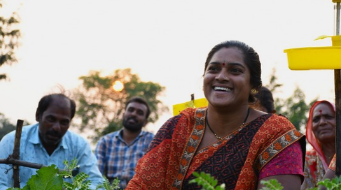
WOTR and W-CReS, in collaboration with the Economics of Land Degradation (ELD) Initiative, GIZ, organised a national roundtable titled “Restore Land through Integrated Efforts – Unlocking Opportunities for Today’s Needs and Sustainability Tomorrow.”
A Better Tomorrow
Stories, Practices, and Solutions
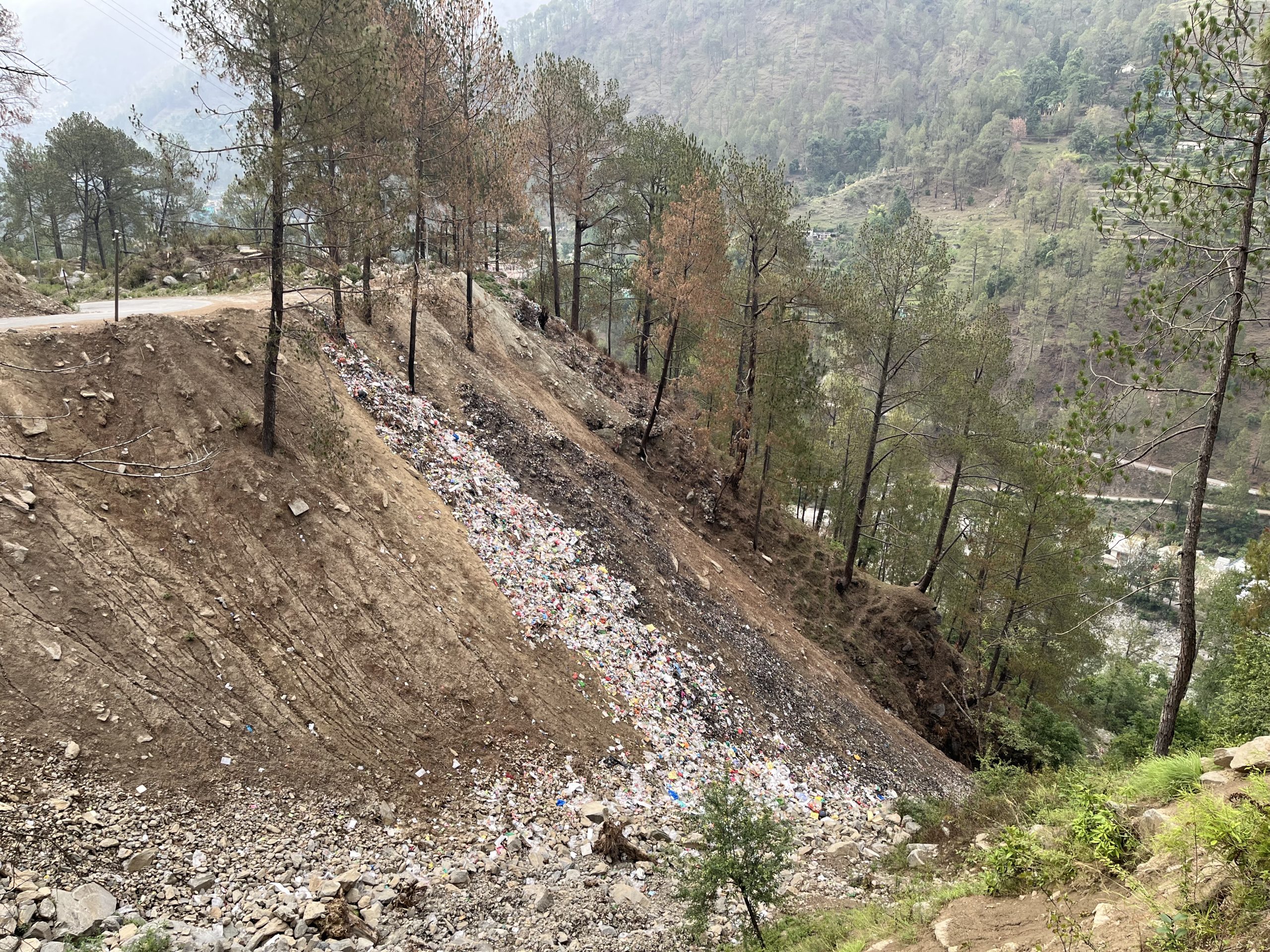
It wouldn’t be an exaggeration to say that plastic dominated the last century as an omnipresent component of the global economy. It has infiltrated every ecosystem and continent on Earth. Plastic is present in every product we use daily, from writing
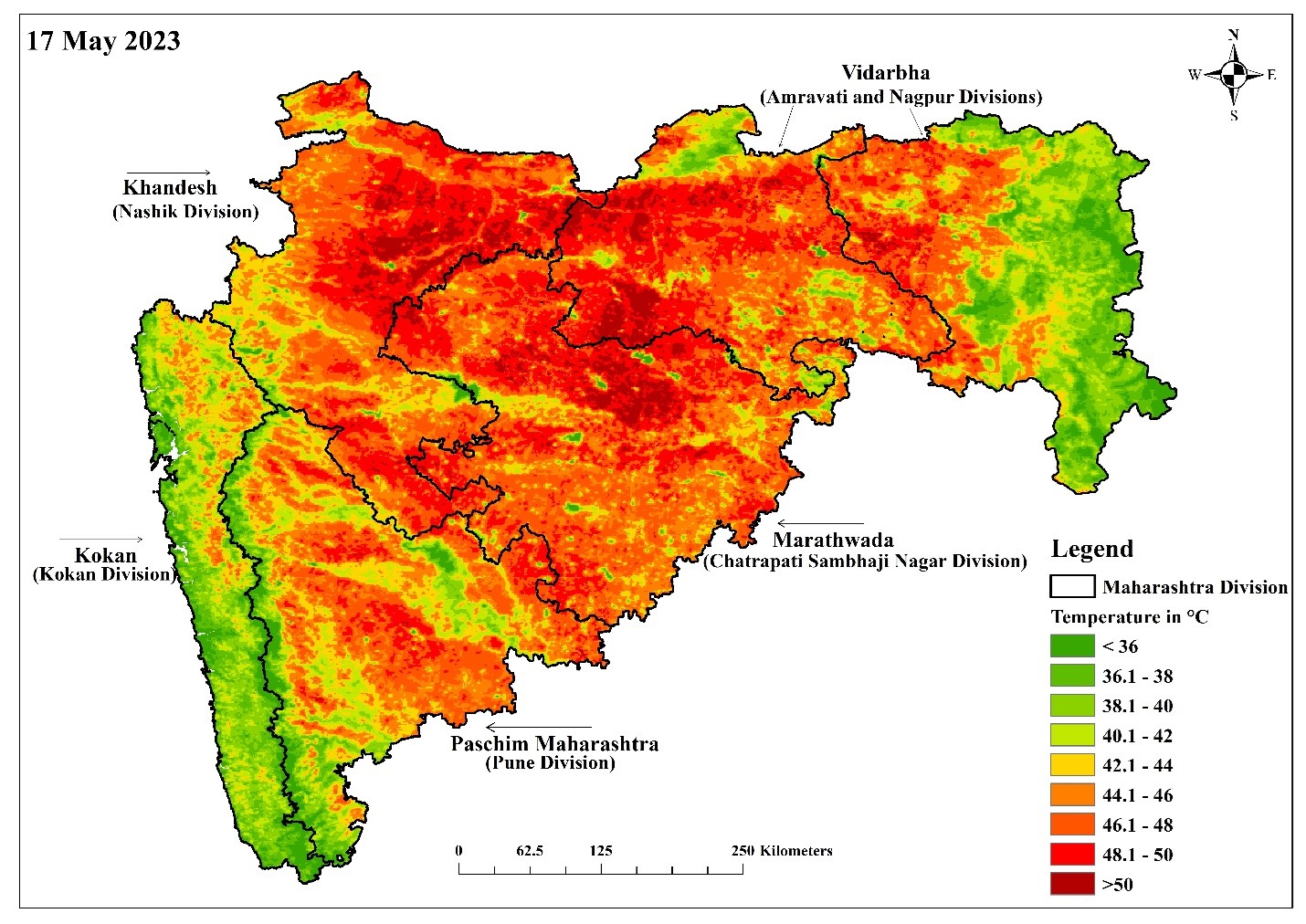
Land Surface Temperature (LST) is a critical parameter for monitoring global changes in heat flux and surface temperature, offering valuable insights into surface energy balance, environmental climate change, ecosystem dynamics, and natural
India is the second largest producer of rice, wheat, sugarcane, groundnut, vegetables, fruit, and cotton and the largest producer of milk, pulses, and jute in the world. As an agrarian country, 70% of India’s rural population depends on agriculture as their
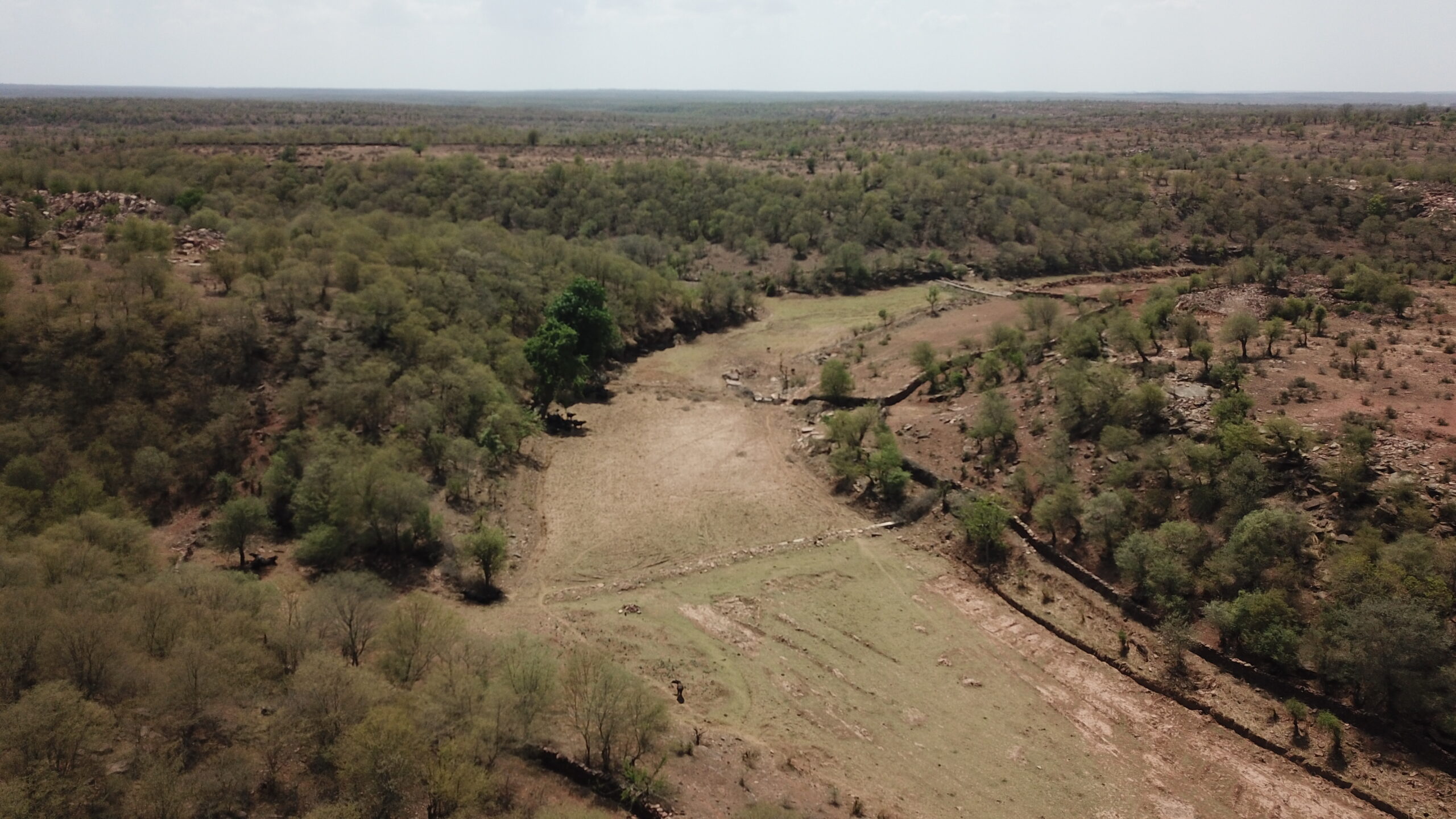
Land resources are vital in supporting physical, social, and economic infrastructure and activities. Functions such as agriculture, watershed management, forestation, mining, transport, and development
WOTR and W-CReS, in collaboration with the Economics of Land Degradation (ELD) Initiative, GIZ, organised a national roundtable titled “Restore Land through Integrated Efforts – Unlocking Opportunities for Today’s Needs and Sustainability Tomorrow.”
It wouldn’t be an exaggeration to say that plastic dominated the last century as an omnipresent component of the global economy. It has infiltrated every ecosystem and continent on Earth. Plastic is present in every product we use daily, from writing
Land Surface Temperature (LST) is a critical parameter for monitoring global changes in heat flux and surface temperature, offering valuable insights into surface energy balance, environmental climate change, ecosystem dynamics, and natural
India is the second largest producer of rice, wheat, sugarcane, groundnut, vegetables, fruit, and cotton and the largest producer of milk, pulses, and jute in the world. As an agrarian country, 70% of India’s rural population depends on agriculture as their
Land resources are vital in supporting physical, social, and economic infrastructure and activities. Functions such as agriculture, watershed management, forestation, mining, transport, and development
By Categories
By Tags
Deep dive into how WOTR’s W-CReS is helping farmers understand the challenges in times of El Niño through localised training.
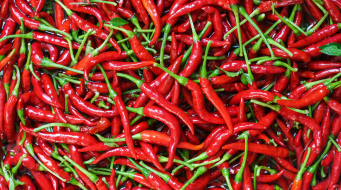
How 20 farmers in Jharkhand came together to cultivate chillies across 28.5 acres, earning a collective net profit of ₹25.40 lakh in a single season.
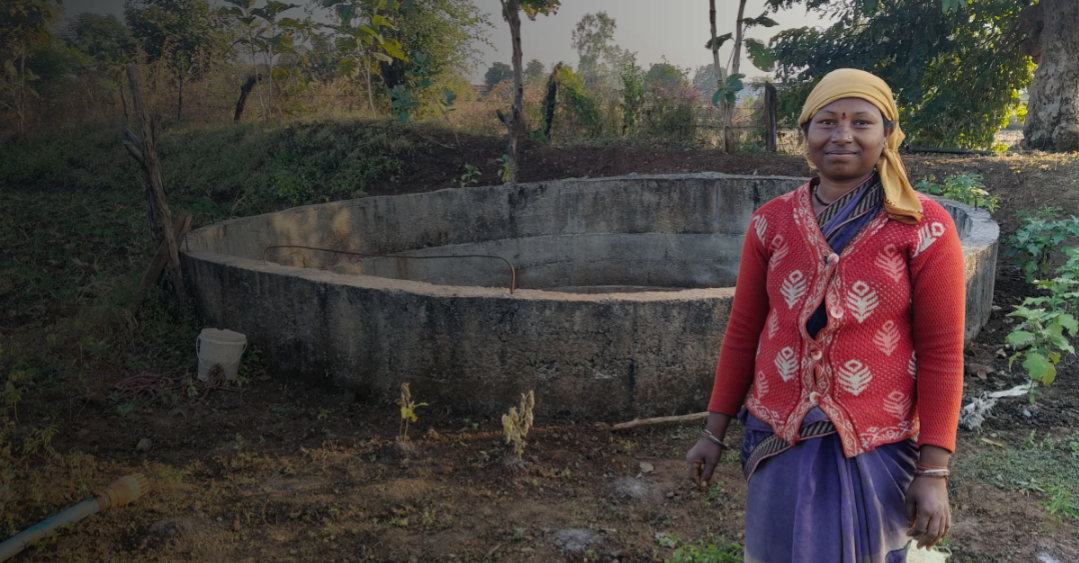
How access to water helped Draupati turn her skills and ambition into opportunity, diversify her farming, and build a more secure livelihood for her family.
India drylands face mounting climate pressures. Discover how IDIA is carrying integrated research, regional consultations and community knowledge to guide informed decisions and strengthen resilience.
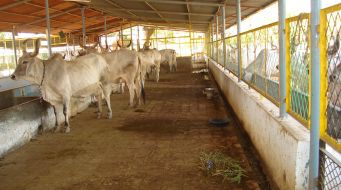
Farmer Producer Companies help smallholders access dairy schemes, productive assets, digital services and local support to strengthen rural livelihoods and incomes.
Water Budgeting in Yeniye Khurd assesses water availability, demand, and agricultural needs, revealing a deficit and guiding community-led planning for resilience.
At an FPO meeting, a woman’s presence can be easy to count. She is a member. Her name may appear on the board. What is harder to see is what that presence means in practice.
A walkthrough of how WOTR is enabling farmers in Maharashtra’s Marathwada region prepare for an increasingly unpredictable climate.