Deficit irrigation is the way towards sustainable agriculture in India, particularly in regions with uncertain and uneven rainfall patterns. There are several challenges posed by climate change, urbanisation, and industrialisation on agricultural
A Better Tomorrow
Stories, Practices, and Solutions
India experiences diverse rainfall patterns due to its agro-climatic and ecological variations. Maharashtra, in particular, faces challenges related to erratic and insufficient rainfall, leading to vulnerability in agriculture. The onset of the
Tracing the historical evolution of global warming awareness from its origins in the late 1930s to its current status, it is a pressing global concern due to human activities like burning fossil fuels. The
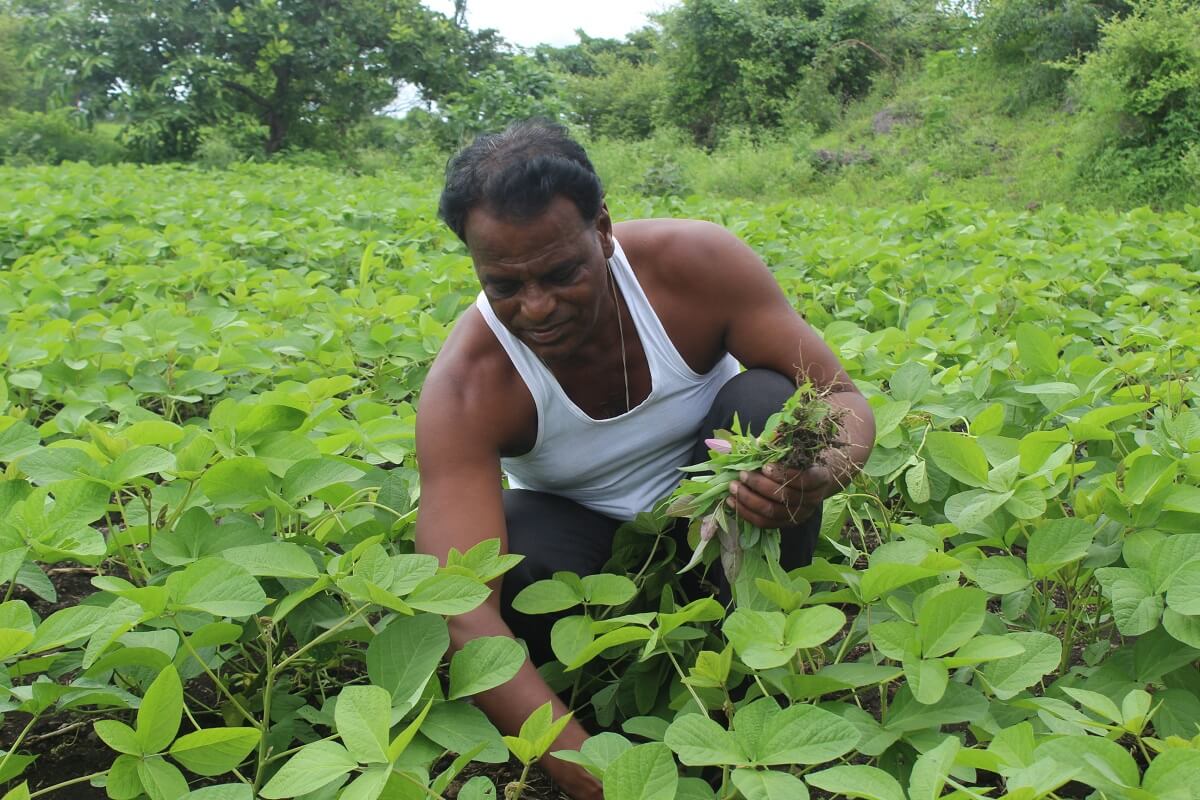
Basaava Swami, a 50-year-old farmer from Kherada village in the Bidar district of Aurad taluka, had long been practising conventional farming methods. However, his curiosity led him on a path of discovery of SCI-system of crop intensification which
In the quiet heart of Bonthi Village, nestled within Bidar District of Karnataka, Rama Malhari Rane, a 62-year-old farmer, faced a dire challenge. With 10 acres of land thirsting for hydration, and a dried-up well as testament to the scorching heat, Rama
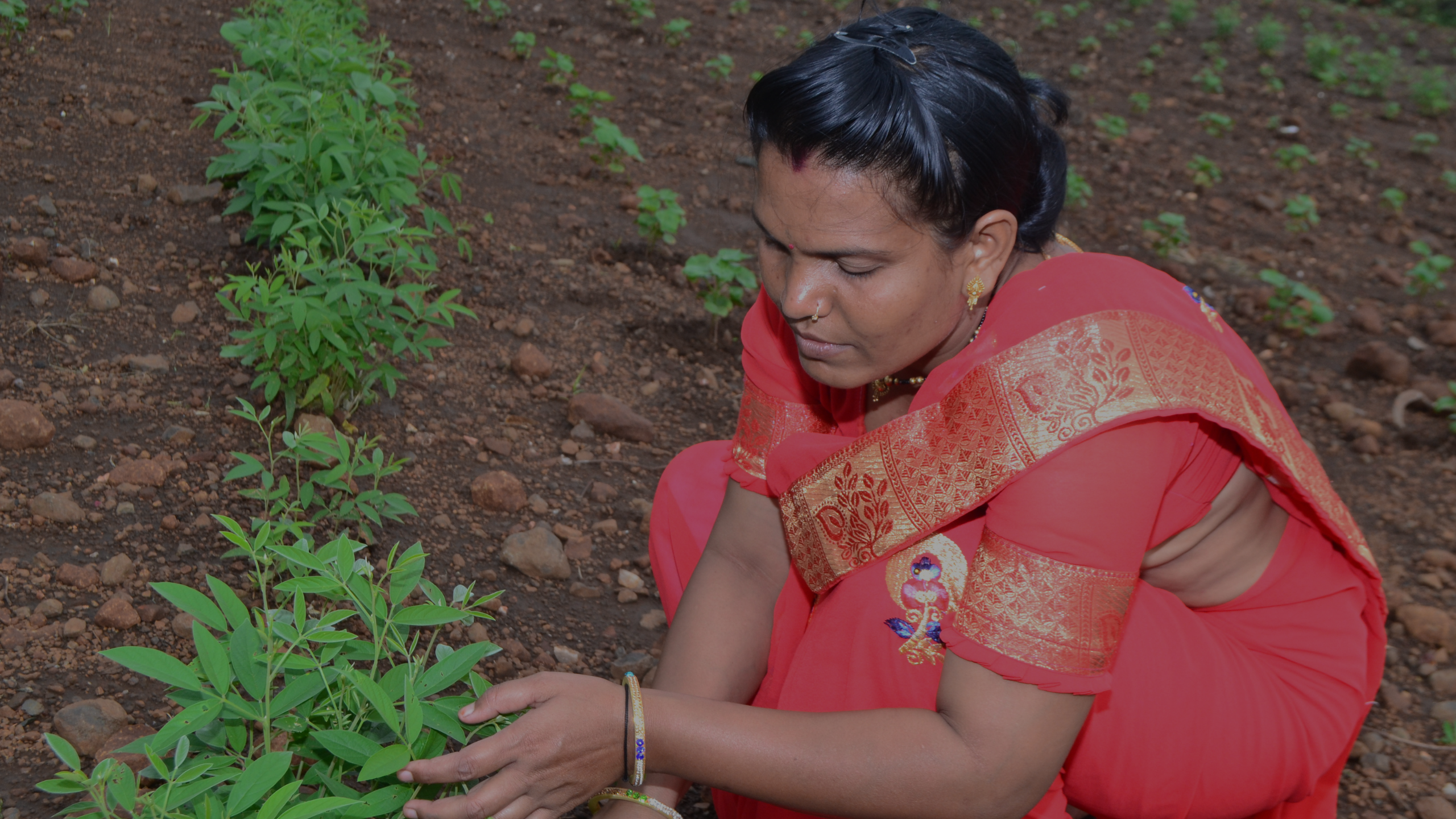
Kanta Golayit always harboured a deep-seated desire to cultivate her own land and reap a bountiful harvest. Despite the vast land she owned, the yield was dishearteningly meagre. With acute water scarcity and inadequate irrigation facilities
Despite the Indian Meteorological Department’s (IMD) optimistic forecast of a normal monsoon in 2023, gauging at about 96% of the Long Period Average (LPA) with a model error margin of ± 4%, concerns still loom large. The IMD’s cautionary note
India, with its vast rural expanse, presents an intriguing case where feasibility studies in rural development projects could play a transformative role. With over 65% of its more than 1.4 billion people living in rural areas, the need for focused
Rural communities are the backbone of our nation. According to the World Bank, 65% of India’s population resides in rural areas, making rural development a critical aspect of sustainable development and inclusive growth. However, these
WOTR’s innovative CoDriVE-PD (Community Driven Vulnerability Evaluation – Programme Designer) approach breaks away from conventional methods by actively involving communities in the data collection process, recognizing that community
Deficit irrigation is the way towards sustainable agriculture in India, particularly in regions with uncertain and uneven rainfall patterns. There are several challenges posed by climate change, urbanisation, and industrialisation on agricultural
India experiences diverse rainfall patterns due to its agro-climatic and ecological variations. Maharashtra, in particular, faces challenges related to erratic and insufficient rainfall, leading to vulnerability in agriculture. The onset of the
Tracing the historical evolution of global warming awareness from its origins in the late 1930s to its current status, it is a pressing global concern due to human activities like burning fossil fuels. The
Basaava Swami, a 50-year-old farmer from Kherada village in the Bidar district of Aurad taluka, had long been practising conventional farming methods. However, his curiosity led him on a path of discovery of SCI-system of crop intensification which
In the quiet heart of Bonthi Village, nestled within Bidar District of Karnataka, Rama Malhari Rane, a 62-year-old farmer, faced a dire challenge. With 10 acres of land thirsting for hydration, and a dried-up well as testament to the scorching heat, Rama
Kanta Golayit always harboured a deep-seated desire to cultivate her own land and reap a bountiful harvest. Despite the vast land she owned, the yield was dishearteningly meagre. With acute water scarcity and inadequate irrigation facilities
Despite the Indian Meteorological Department’s (IMD) optimistic forecast of a normal monsoon in 2023, gauging at about 96% of the Long Period Average (LPA) with a model error margin of ± 4%, concerns still loom large. The IMD’s cautionary note
India, with its vast rural expanse, presents an intriguing case where feasibility studies in rural development projects could play a transformative role. With over 65% of its more than 1.4 billion people living in rural areas, the need for focused
Rural communities are the backbone of our nation. According to the World Bank, 65% of India’s population resides in rural areas, making rural development a critical aspect of sustainable development and inclusive growth. However, these
WOTR’s innovative CoDriVE-PD (Community Driven Vulnerability Evaluation – Programme Designer) approach breaks away from conventional methods by actively involving communities in the data collection process, recognizing that community
By Categories
By Tags
Reimagining FPCs as drivers of climate resilience through ecosystem-based approaches to farming. Highlighting how water conservation, soil health and women’s leadership are strengthening livelihoods.
Mango orchards are transforming farmers’ lives in Chhattisgarh through sustainable incomes, water conservation, and climate resilience.
Organic farming comes alive as Chhattisgarh women turn forest knowledge into natural pesticides, inspiring farmers across villages.
The Community-Driven Visual Integrator (CDVI) 3D model enables communities in Telangana to visualize groundwater systems and understand them as shared resources. By simplifying complex hydrogeological data into participatory tools.
Explore how biodiversity and national security intersect amid development and energy priorities in India and global geopolitics.
Grasslands are vital yet often overlooked ecosystems that support biodiversity, livelihoods, and climate resilience. Their decline due to policy and land-use changes, and emphasises the urgent need for conservation, and restoration.
A reflection on how science and technology can enable meaningful change in rural communities when adapted to local contexts and realities.
Understanding the gap between what weather forecasts predict and what people experience on the ground is essential for ensuring that weather information truly supports decisions in agriculture, livelihoods, and disaster preparedness