A Better Tomorrow

Stories, Practices, and Solutions

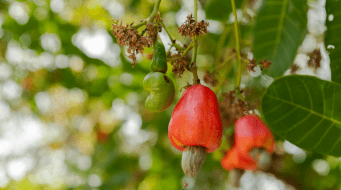
Odisha’s tribal communities face economic and livelihood challenges due to persistent water shortages and limited opportunities. This blog explores how cashew cultivation, supported by various government initiatives and NGOs, is transforming these communities. Historical struggles over land rights and recent developments in cashew farming are highlighted, showcasing both the challenges and the potential for sustainable agricultural practices.
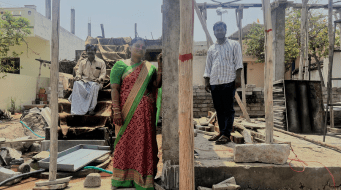
Despite initial skepticism from men in their village, three women from Yellammathada started a successful paper plate-making business. Through a training program by HSBC, they launched their venture with a loan and received equipment and training. The business has allowed them to repay their loan, earn profits, and gain financial independence.
Lambadi women in Telangana have revitalised the traditional craft of Maggam embroidery, enabling them to earn a stable income from home. This change, initiated by a training program from WOTR, has allowed them to avoid migration for labor work and support their families better. Women now earn Rs 5,000-10,000 through their embroidery, which also preserves their cultural heritage.
Three years ago, Maheshwaram Panduranga and his wife Manga faced a severe water crisis on their 3-acre farm in Loyapally, Telangana. With help from WOTR and HSBC, they constructed a farm pond, significantly improving water levels. They then ventured into fish farming, earning substantial profits and transforming their financial situation. The couple now enjoys a better lifestyle and serves as an inspiration for others in their village.
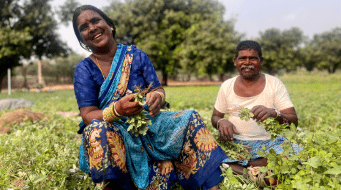
Polamoney Buchaya, 63, and his wife Bugamma, 54, transitioned to farming after Buchaya’s heart attack in 2020, cultivating green leafy vegetables on leased land. Supported by WOTR and HSBC, they adopted rainpipe irrigation, enhancing water efficiency and crop yield. This shift increased their earnings significantly, providing a steady income. Their success has inspired other farmers in their village to adopt similar practices.
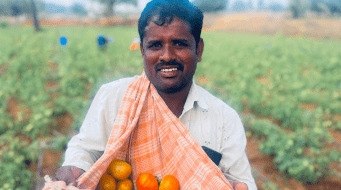
Godugu Krishna, a farmer in Telangana, transformed his 2.5-acre farm from debt-ridden to profitable through innovative water management and organic farming, supported by WOTR and HSBC. Initially reliant on rain-fed farming and struggling with high costs, Krishna adopted drip irrigation and diversified crops. This shift increased his yields and profits, allowing him to repay debts, expand into dairy production, and achieve financial stability. His success has turned skepticism into respect within his community.
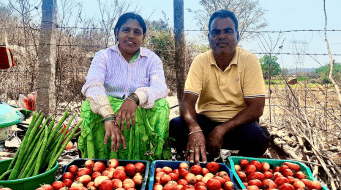
When Kumpally Paapi Reddy and his wife K Venkata Laxmi started farming on rocky wasteland in Gaddamallaiahguda, Telangana, they were met with skepticism. Despite the challenges, they transformed the land through sheer determination and innovative practices. Partnering with WOTR and HSBC in 2020, they implemented water management strategies and shifted to organic farming.
Aruna Ganesh Shivasagar, a resident of Kumbharwadi village, Sangamner, dreamt of growing her own food despite not owning land. With support from WOTR and Axis Bank Foundation’s ‘Sustainable Livelihoods Programme’, she embraced gurney gardening in her front yard. Despite initial skepticism, Aruna successfully cultivated a variety of vegetables, reaping a harvest within three months.
As scorching heatwaves become increasingly common in India, rural communities face heightened risks from heat stress. This blog post explores the nature of heatwaves, the impact of moist and dry heat stress, and the specific challenges rural India confronts. With limited infrastructure, reliance on outdoor labor, and water scarcity exacerbating the situation, the health and economic consequences are severe.
Odisha’s tribal communities face economic and livelihood challenges due to persistent water shortages and limited opportunities. This blog explores how cashew cultivation, supported by various government initiatives and NGOs, is transforming these communities. Historical struggles over land rights and recent developments in cashew farming are highlighted, showcasing both the challenges and the potential for sustainable agricultural practices.
Despite initial skepticism from men in their village, three women from Yellammathada started a successful paper plate-making business. Through a training program by HSBC, they launched their venture with a loan and received equipment and training. The business has allowed them to repay their loan, earn profits, and gain financial independence.
Lambadi women in Telangana have revitalised the traditional craft of Maggam embroidery, enabling them to earn a stable income from home. This change, initiated by a training program from WOTR, has allowed them to avoid migration for labor work and support their families better. Women now earn Rs 5,000-10,000 through their embroidery, which also preserves their cultural heritage.
Three years ago, Maheshwaram Panduranga and his wife Manga faced a severe water crisis on their 3-acre farm in Loyapally, Telangana. With help from WOTR and HSBC, they constructed a farm pond, significantly improving water levels. They then ventured into fish farming, earning substantial profits and transforming their financial situation. The couple now enjoys a better lifestyle and serves as an inspiration for others in their village.
Polamoney Buchaya, 63, and his wife Bugamma, 54, transitioned to farming after Buchaya’s heart attack in 2020, cultivating green leafy vegetables on leased land. Supported by WOTR and HSBC, they adopted rainpipe irrigation, enhancing water efficiency and crop yield. This shift increased their earnings significantly, providing a steady income. Their success has inspired other farmers in their village to adopt similar practices.
Godugu Krishna, a farmer in Telangana, transformed his 2.5-acre farm from debt-ridden to profitable through innovative water management and organic farming, supported by WOTR and HSBC. Initially reliant on rain-fed farming and struggling with high costs, Krishna adopted drip irrigation and diversified crops. This shift increased his yields and profits, allowing him to repay debts, expand into dairy production, and achieve financial stability. His success has turned skepticism into respect within his community.
When Kumpally Paapi Reddy and his wife K Venkata Laxmi started farming on rocky wasteland in Gaddamallaiahguda, Telangana, they were met with skepticism. Despite the challenges, they transformed the land through sheer determination and innovative practices. Partnering with WOTR and HSBC in 2020, they implemented water management strategies and shifted to organic farming.
Aruna Ganesh Shivasagar, a resident of Kumbharwadi village, Sangamner, dreamt of growing her own food despite not owning land. With support from WOTR and Axis Bank Foundation’s ‘Sustainable Livelihoods Programme’, she embraced gurney gardening in her front yard. Despite initial skepticism, Aruna successfully cultivated a variety of vegetables, reaping a harvest within three months.
As scorching heatwaves become increasingly common in India, rural communities face heightened risks from heat stress. This blog post explores the nature of heatwaves, the impact of moist and dry heat stress, and the specific challenges rural India confronts. With limited infrastructure, reliance on outdoor labor, and water scarcity exacerbating the situation, the health and economic consequences are severe.

By Categories

By Tags

This blog post is based on a unique multilayer farming initiative implemented as part of the “Integrated Water Resources Development and Promotion of Ecosystem-based Adaptation (EbA) in Maharashtra and Telangana—A Practice and Knowledge Embedded Approach” project, which is supported by the Honeywell Hometown Solutions India Foundation (HHSIF).