October Heat refers to the rise in temperature that occurs during the post-monsoon and pre-winter season. In recent years, however, October has increasingly felt like an extension of summer rather than an early indication of winter.
A Better Tomorrow
Stories, Practices, and Solutions
The Group Micro Irrigation (GMI) model promotes equitable groundwater access and encourages the adoption of efficient micro-irrigation systems among farmers.
Odisha’s geothermal landscape holds immense potential, with untapped resources and exciting future prospects. Various initiatives are underway to explore and harness this energy, paving the way for sustainable development in the region.
India’s agricultural sector faces challenges from conventional practices, but adopting natural farming can enhance soil quality, promote biodiversity, and improve food security while benefiting farmers economically.
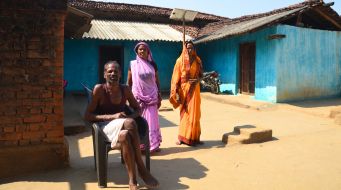
Amidst the challenges of the Covid-19 lockdown, Rayagada district in Odisha harnessed community strength to drive change. Through initiatives like sustainable agriculture, alternative livelihoods, and the construction of watershed structures, villagers collaborated to improve water management, boost incomes, and enhance resilience against climate and economic hardships.
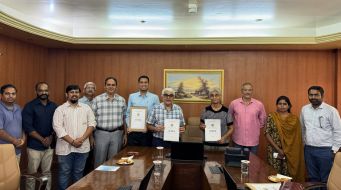
WOTR Centre for Resilience Studies (W-CReS) and the Indian Institute of Tropical Meteorology (IITM) partner to combine advanced climate science research with community-focused initiatives.
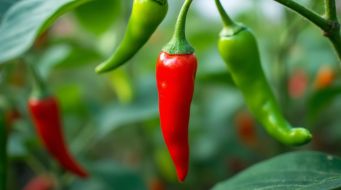
Decoding the effect of heat waves and temperature extremes on Indian chilli farmers in 2024
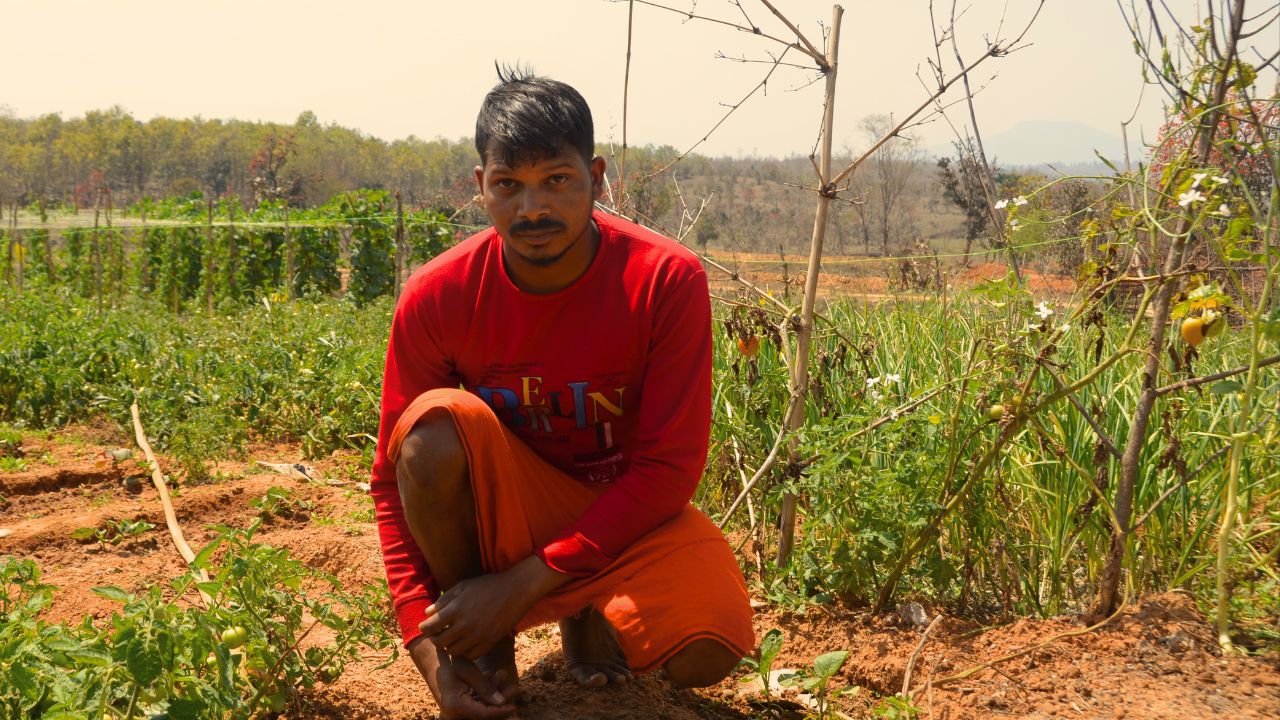
With WOTR’s support, Ravi Singh Marabi and Man Singh levelled their land, transforming their farming practices and boosting productivity.
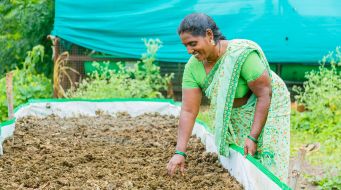
Sahulia Singh’s family, once reliant on a limited diet of rice and potatoes, now grows a variety of vegetables through WOTR’s kitchen garden initiative, improving their nutrition and reducing dependence on distant markets.
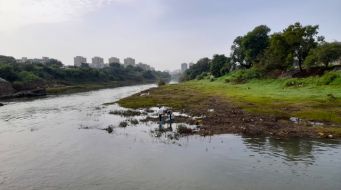
Urbanization and water scarcity are escalating challenges, but often overlooked, urban wetlands, offer crucial solutions. These vibrant ecosystems, found within or near cities, provide vital environmental benefits.
October Heat refers to the rise in temperature that occurs during the post-monsoon and pre-winter season. In recent years, however, October has increasingly felt like an extension of summer rather than an early indication of winter.
The Group Micro Irrigation (GMI) model promotes equitable groundwater access and encourages the adoption of efficient micro-irrigation systems among farmers.
Odisha’s geothermal landscape holds immense potential, with untapped resources and exciting future prospects. Various initiatives are underway to explore and harness this energy, paving the way for sustainable development in the region.
India’s agricultural sector faces challenges from conventional practices, but adopting natural farming can enhance soil quality, promote biodiversity, and improve food security while benefiting farmers economically.
Amidst the challenges of the Covid-19 lockdown, Rayagada district in Odisha harnessed community strength to drive change. Through initiatives like sustainable agriculture, alternative livelihoods, and the construction of watershed structures, villagers collaborated to improve water management, boost incomes, and enhance resilience against climate and economic hardships.
WOTR Centre for Resilience Studies (W-CReS) and the Indian Institute of Tropical Meteorology (IITM) partner to combine advanced climate science research with community-focused initiatives.
Decoding the effect of heat waves and temperature extremes on Indian chilli farmers in 2024
With WOTR’s support, Ravi Singh Marabi and Man Singh levelled their land, transforming their farming practices and boosting productivity.
Sahulia Singh’s family, once reliant on a limited diet of rice and potatoes, now grows a variety of vegetables through WOTR’s kitchen garden initiative, improving their nutrition and reducing dependence on distant markets.
Urbanization and water scarcity are escalating challenges, but often overlooked, urban wetlands, offer crucial solutions. These vibrant ecosystems, found within or near cities, provide vital environmental benefits.
By Categories
By Tags
Explore how 3D mapping of aquifers changed how Mhaswandi and Masai practice water stewardship.
Mangroves do far more than store carbon. They’re coastal shields, fish nurseries, biodiversity havens, and living systems tied to millions of lives.
How climate change affects women farmers in India, and the solutions they are building for a more resilient future.
Observed every year on 16 July, World Snake Day aims to dispel myths and raise awareness about one of the most misunderstood creatures on Earth.
This film tells the story of what changed when over 11,800 farmers came together to build their own Farmer Producer Companies
A tree planted is not a tree grown. The 6R approach helps turn plantation drives into lasting forests.
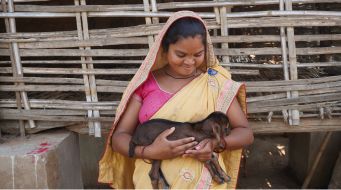
वैज्ञानिक बकरीशेड और WOTR के प्रशिक्षण ने सुमन सिंह की जिंदगी बदल दी। उनके दृढ़ संकल्प ने संघर्ष को आजीविका के एक टिकाऊ ग्रामीण स्रोत में बदल दिया।
How one irrigation structure gave Ramgarh its first Rabi harvest and local farmer Fulsai Pandu his land back