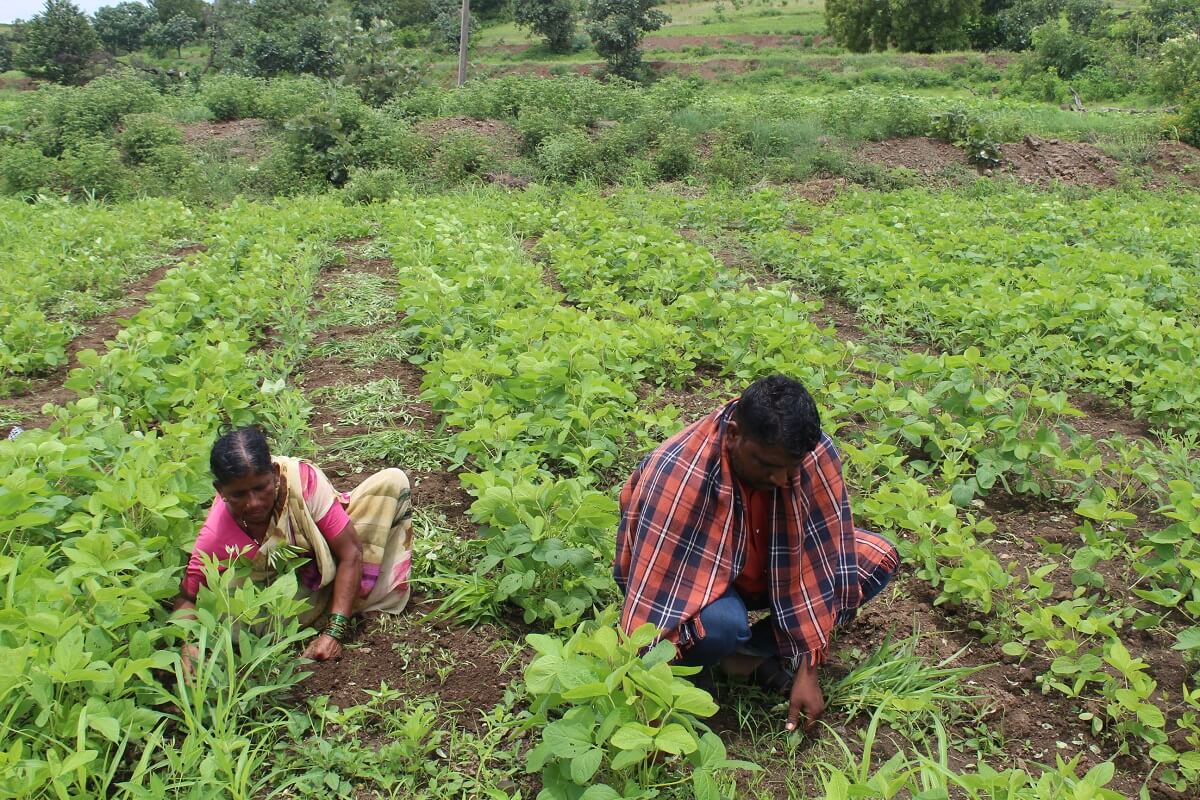
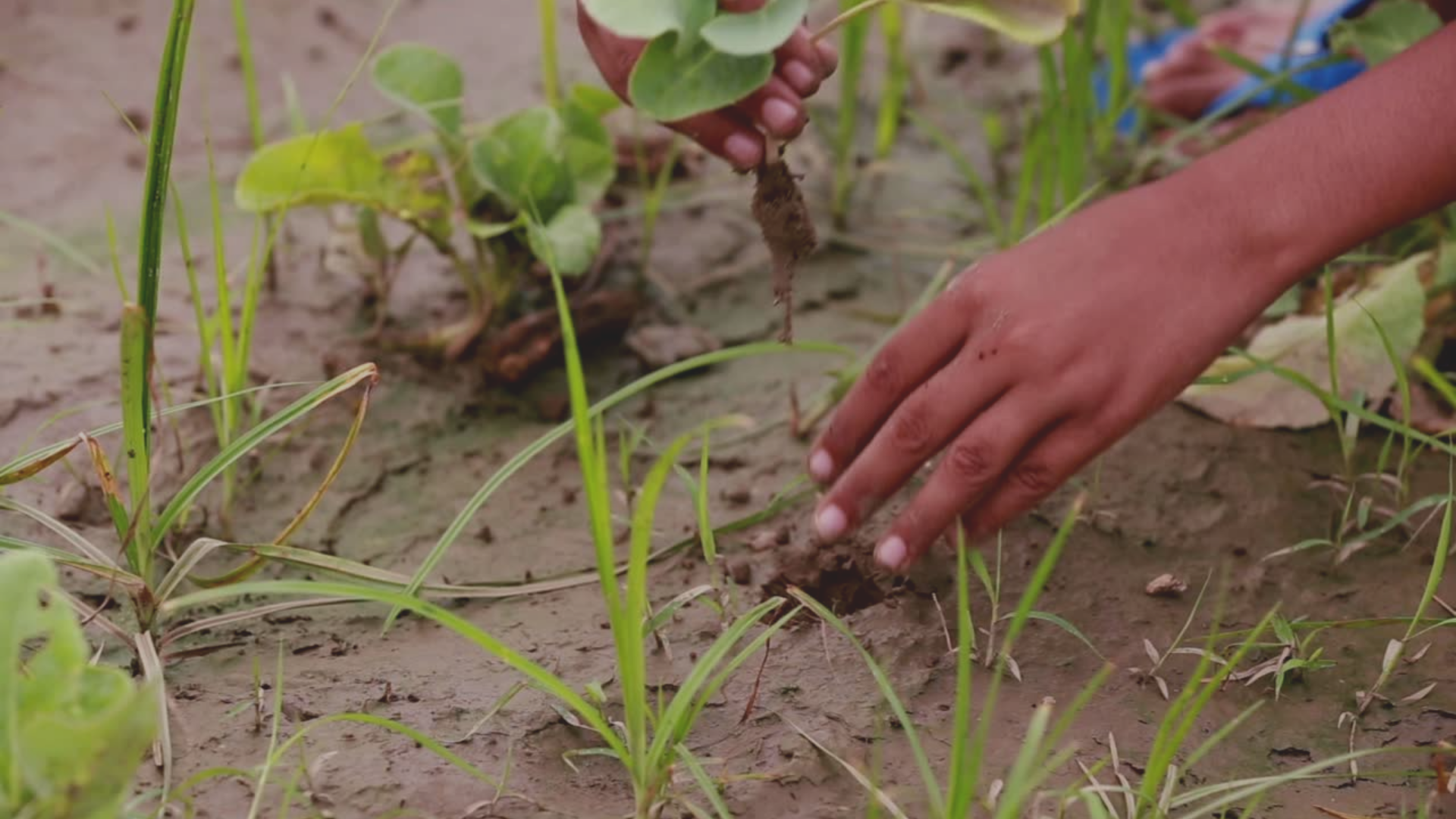
Basaava Swami, a 50-year-old farmer from Kherada village in the Bidar district of Aurad taluka, had long been practising conventional farming methods. However, his curiosity led him on a path of discovery of SCI-system of crop intensification which
A Better Tomorrow
Stories, Practices, and Solutions
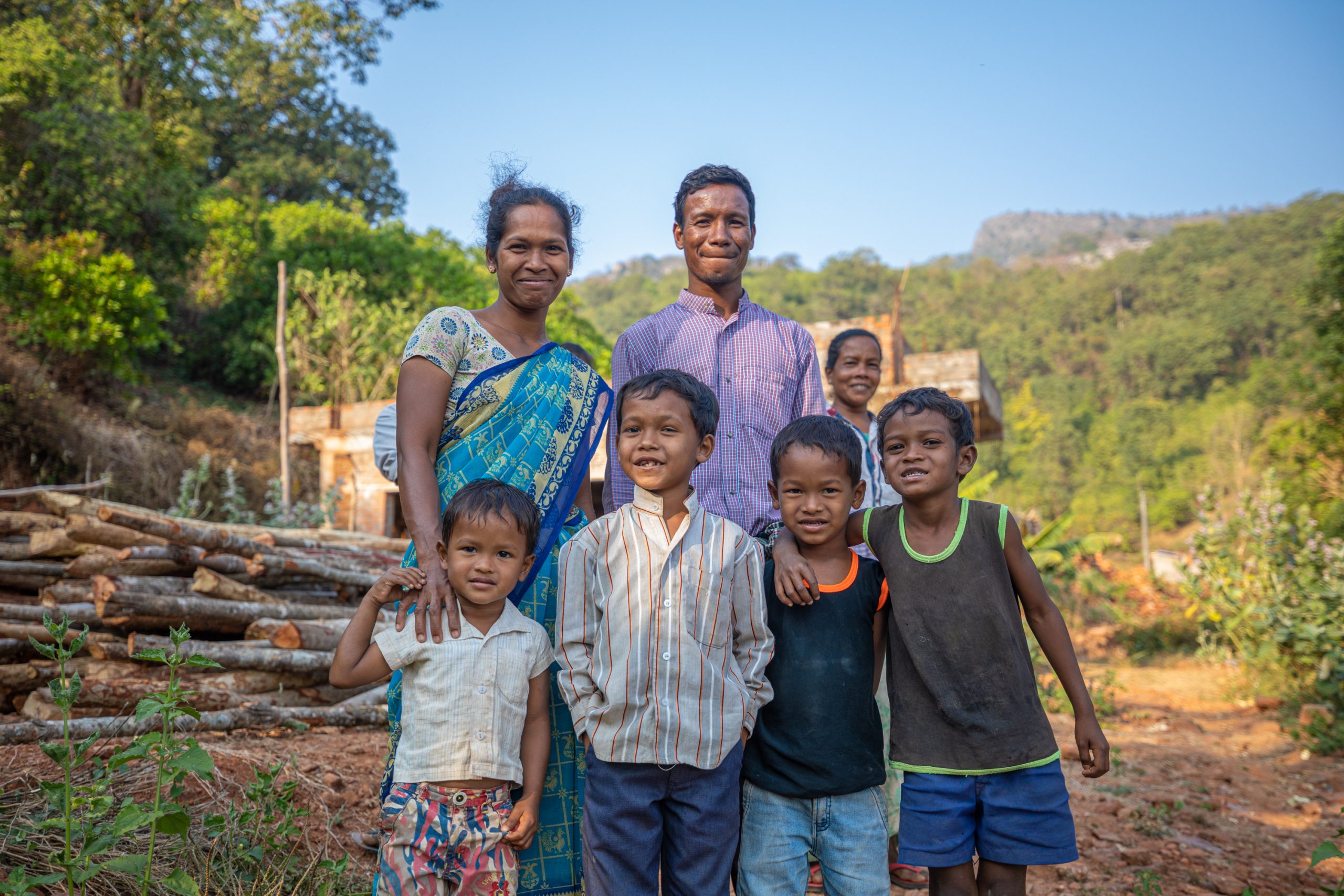
In the quiet heart of Bonthi Village, nestled within Bidar District of Karnataka, Rama Malhari Rane, a 62-year-old farmer, faced a dire challenge. With 10 acres of land thirsting for hydration, and a dried-up well as testament to the scorching heat, Rama
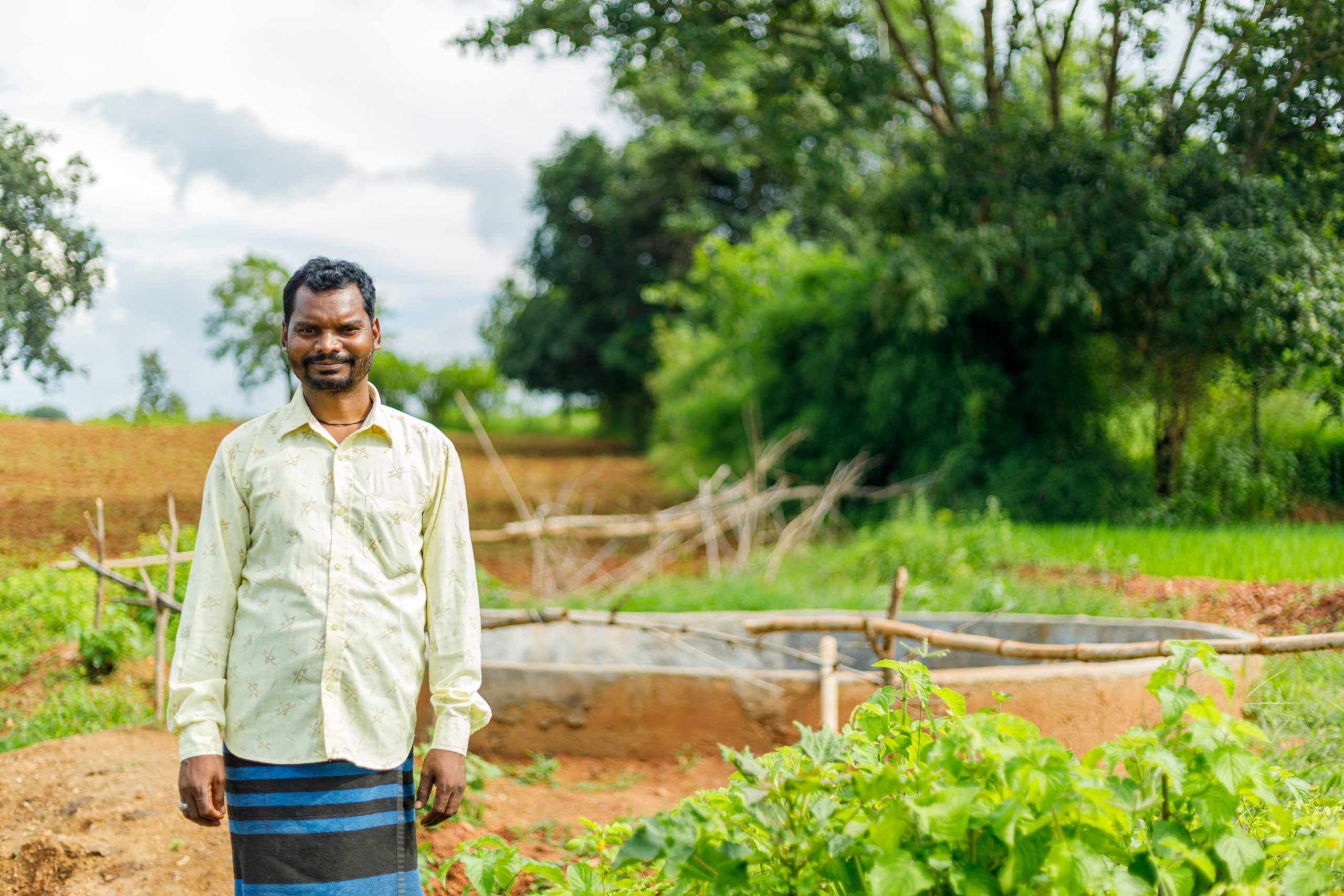
Kanta Golayit always harboured a deep-seated desire to cultivate her own land and reap a bountiful harvest. Despite the vast land she owned, the yield was dishearteningly meagre. With acute water scarcity and inadequate irrigation facilities
Despite the Indian Meteorological Department’s (IMD) optimistic forecast of a normal monsoon in 2023, gauging at about 96% of the Long Period Average (LPA) with a model error margin of ± 4%, concerns still loom large. The IMD’s cautionary note
In a significant global acknowledgment, the Food and Agriculture Organization in conjunction with the United Nations, has declared 2023 as the International Year of Millets. This worldwide recognition serves to highlight the immense
WOTR is tackling the devastating impact of climate change on rural livelihoods in India. With their project ‘Natural Resource Management and Improving Sustainable Livelihood Opportunities,’ they’re enhancing water conservation, livestock management, and microfinance in eight Chhindwara district villages. This initiative
Our constitutional forefathers, with their far-sighted vision, had foreseen the crucial role of trees in mitigating the future implications of climate change. Recognising the need to create enthusiasm among people towards conservation, they initiated ‘Van
India, with its vast rural expanse, presents an intriguing case where feasibility studies in rural development projects could play a transformative role. With over 65% of its more than 1.4 billion people living in rural areas, the need for focused
Shivmangal Singh, a hardworking man of 38, knew the contours of struggle and perseverance intimately. As a resident of the remote Mudijhariya village in Koriya district of Chhattisgarh, he bore the weight of providing for a family of six. Alongside his eldest son, Shivmangal shouldered the responsibility
Agriculture plays a significant role in the economies of many developing countries in the Global South. Nonetheless, the sector faces numerous challenges , including climate change, market pressures, land degradation, extreme weather events, and
Basaava Swami, a 50-year-old farmer from Kherada village in the Bidar district of Aurad taluka, had long been practising conventional farming methods. However, his curiosity led him on a path of discovery of SCI-system of crop intensification which
In the quiet heart of Bonthi Village, nestled within Bidar District of Karnataka, Rama Malhari Rane, a 62-year-old farmer, faced a dire challenge. With 10 acres of land thirsting for hydration, and a dried-up well as testament to the scorching heat, Rama
Kanta Golayit always harboured a deep-seated desire to cultivate her own land and reap a bountiful harvest. Despite the vast land she owned, the yield was dishearteningly meagre. With acute water scarcity and inadequate irrigation facilities
Despite the Indian Meteorological Department’s (IMD) optimistic forecast of a normal monsoon in 2023, gauging at about 96% of the Long Period Average (LPA) with a model error margin of ± 4%, concerns still loom large. The IMD’s cautionary note
In a significant global acknowledgment, the Food and Agriculture Organization in conjunction with the United Nations, has declared 2023 as the International Year of Millets. This worldwide recognition serves to highlight the immense
WOTR is tackling the devastating impact of climate change on rural livelihoods in India. With their project ‘Natural Resource Management and Improving Sustainable Livelihood Opportunities,’ they’re enhancing water conservation, livestock management, and microfinance in eight Chhindwara district villages. This initiative
Our constitutional forefathers, with their far-sighted vision, had foreseen the crucial role of trees in mitigating the future implications of climate change. Recognising the need to create enthusiasm among people towards conservation, they initiated ‘Van
India, with its vast rural expanse, presents an intriguing case where feasibility studies in rural development projects could play a transformative role. With over 65% of its more than 1.4 billion people living in rural areas, the need for focused
Shivmangal Singh, a hardworking man of 38, knew the contours of struggle and perseverance intimately. As a resident of the remote Mudijhariya village in Koriya district of Chhattisgarh, he bore the weight of providing for a family of six. Alongside his eldest son, Shivmangal shouldered the responsibility
Agriculture plays a significant role in the economies of many developing countries in the Global South. Nonetheless, the sector faces numerous challenges , including climate change, market pressures, land degradation, extreme weather events, and
By Categories
By Tags
Aruna Ganesh Shivasagar, a resident of Kumbharwadi village, Sangamner, dreamt of growing her own food despite not owning land. With support from WOTR and Axis Bank Foundation’s ‘Sustainable Livelihoods Programme’, she embraced gurney gardening in her front yard. Despite initial skepticism, Aruna successfully cultivated a variety of vegetables, reaping a harvest within three months.
As scorching heatwaves become increasingly common in India, rural communities face heightened risks from heat stress. This blog post explores the nature of heatwaves, the impact of moist and dry heat stress, and the specific challenges rural India confronts. With limited infrastructure, reliance on outdoor labor, and water scarcity exacerbating the situation, the health and economic consequences are severe.
In a short span, these women from Gandharwadi village in Patoda, Beed, have forged deep bonds through Farmer Field Schools (FFS) initiated by WOTR and Axis Bank Foundation’s ‘Sustainable Livelihoods Programme’. Their journey from initial reluctance to newfound confidence showcases the transformative power of education and community support.
As WOTR proudly celebrates 30 years of fostering sustainable development in Indian communities, we’re thrilled to reflect on our transformative partnership with IndusInd Bank. In a recent conversation with us, Matilda Lobo, Head of CSR at IndusInd Bank, eloquently highlighted the remarkable impact this collaboration has brought about in the lives of countless people.
Years of low yields took a toll, but Kamli Bai refused to surrender. During the Rabi season, she worked tirelessly to establish a 0.1-hectare demo plot, her actions echoing the efforts of nine other farmers in Modwa village. Selected by the Village Development Committee and guided by WOTR, Kamli Bai diligently implemented every step, determined to prove these new methods could work. This year, a remarkable change swept through Kamli Bai’s fields.
With the arrival of the rabi (winter sowing) season, Adinath Manik Thombare, a farmer from Deulgaon Ghat in Beed gets busy sowing onions on his farm. He says he is relieved growing onions, given that only a few years ago, agriculture was largely unprofitable to pursue in his village due to unavailability of water. In need of solutions, Adinath started participating in training and exposure visits conducted by WOTR, under Axis Bank Foundation’s ‘Sustainable Livelihood Programme’.
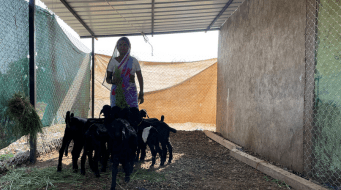
Babai Sahadev Selhar, aged 52, and her family, long-time traditional goat rearers in Beed, faced mounting challenges in recent years. Residing adjacent to a forest, their livelihood was threatened by persistent wild animal attacks, resulting in a significant loss of income, nearly a third of their total earnings. In response, Selhar was graciously provided with a goatshed by WOTR, facilitated through the Axis Bank Foundation’s ‘Sustainable Livelihood Programme in Maharashtra’.
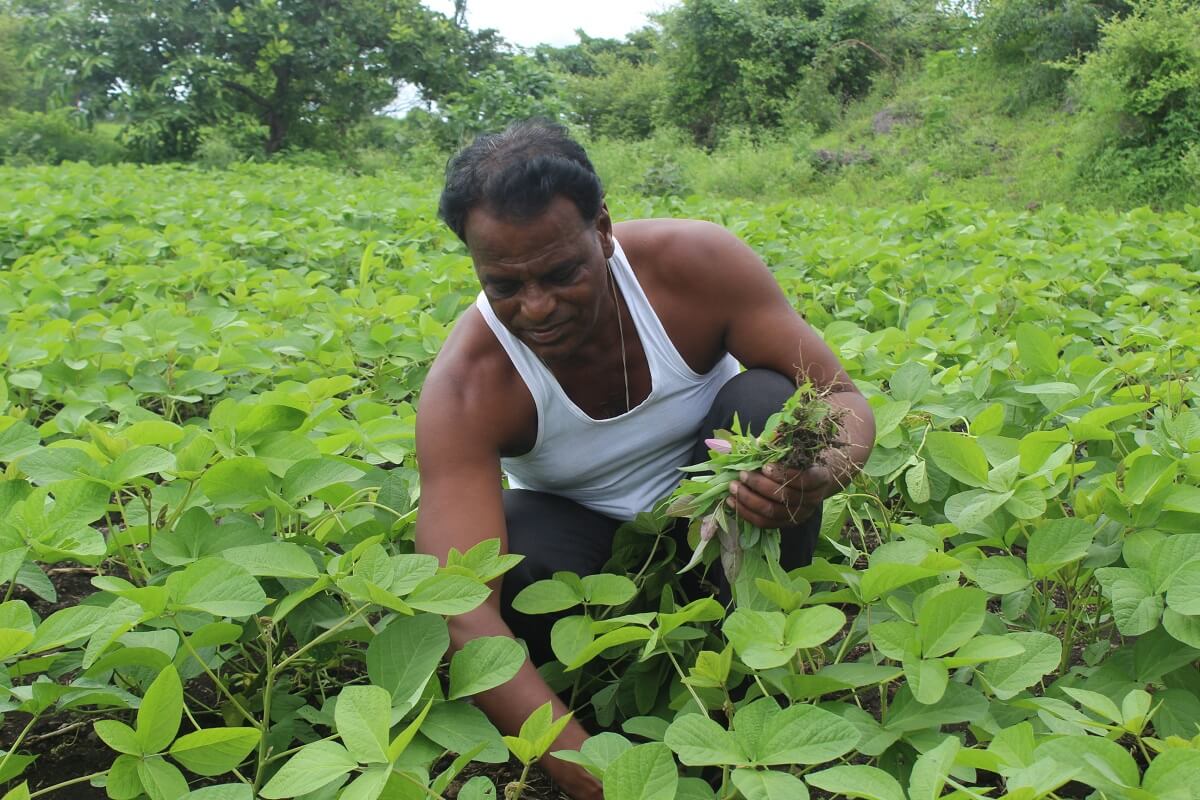
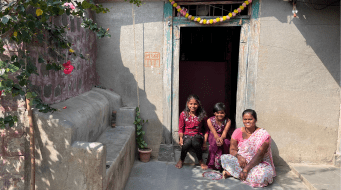
Eight years ago, Vidya Chavan’s husband went for a walk, and never returned. Broken by years of unproductive agriculture, made worse due to unpredictable weather patterns, he decided to end his life, leaving the responsibilities of running the five member household to his wife. Determined to provide for her three daughters, she started rebuilding her life.