Rural communities are the backbone of our nation. According to the World Bank, 65% of India’s population resides in rural areas, making rural development a critical aspect of sustainable development and inclusive growth. However, these
A Better Tomorrow
Stories, Practices, and Solutions
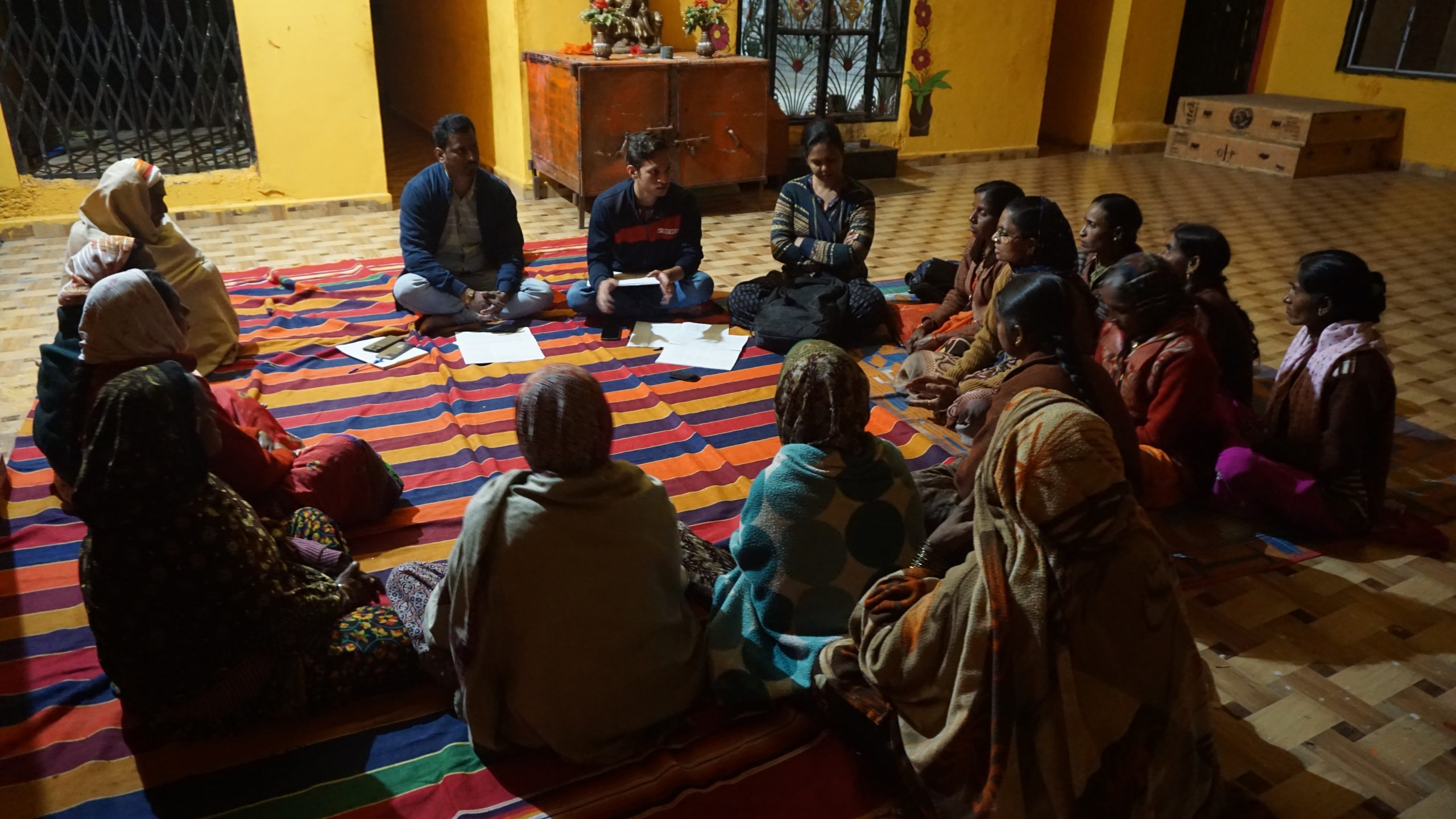
WOTR’s innovative CoDriVE-PD (Community Driven Vulnerability Evaluation – Programme Designer) approach breaks away from conventional methods by actively involving communities in the data collection process, recognizing that community
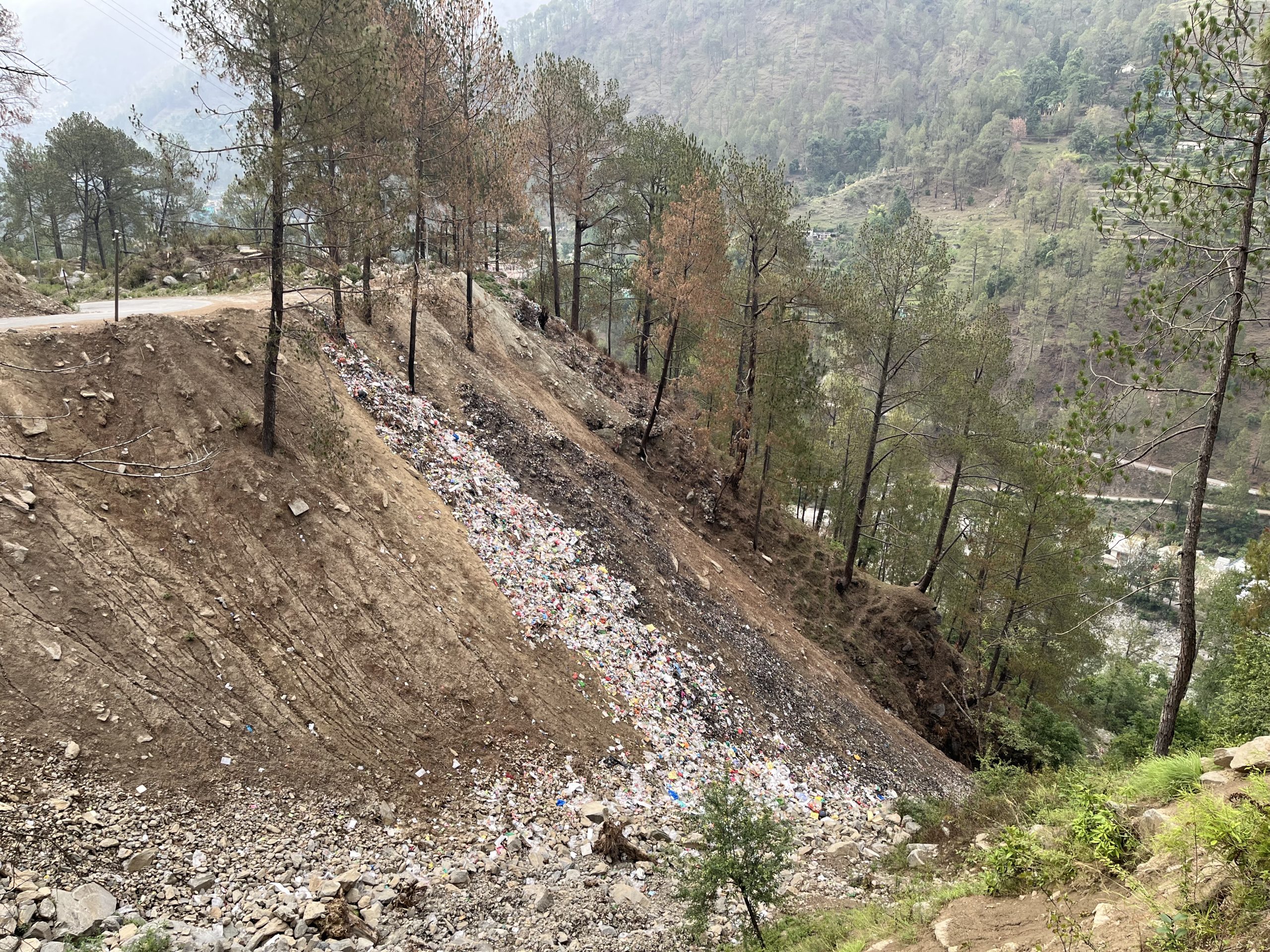
It wouldn’t be an exaggeration to say that plastic dominated the last century as an omnipresent component of the global economy. It has infiltrated every ecosystem and continent on Earth. Plastic is present in every product we use daily, from writing
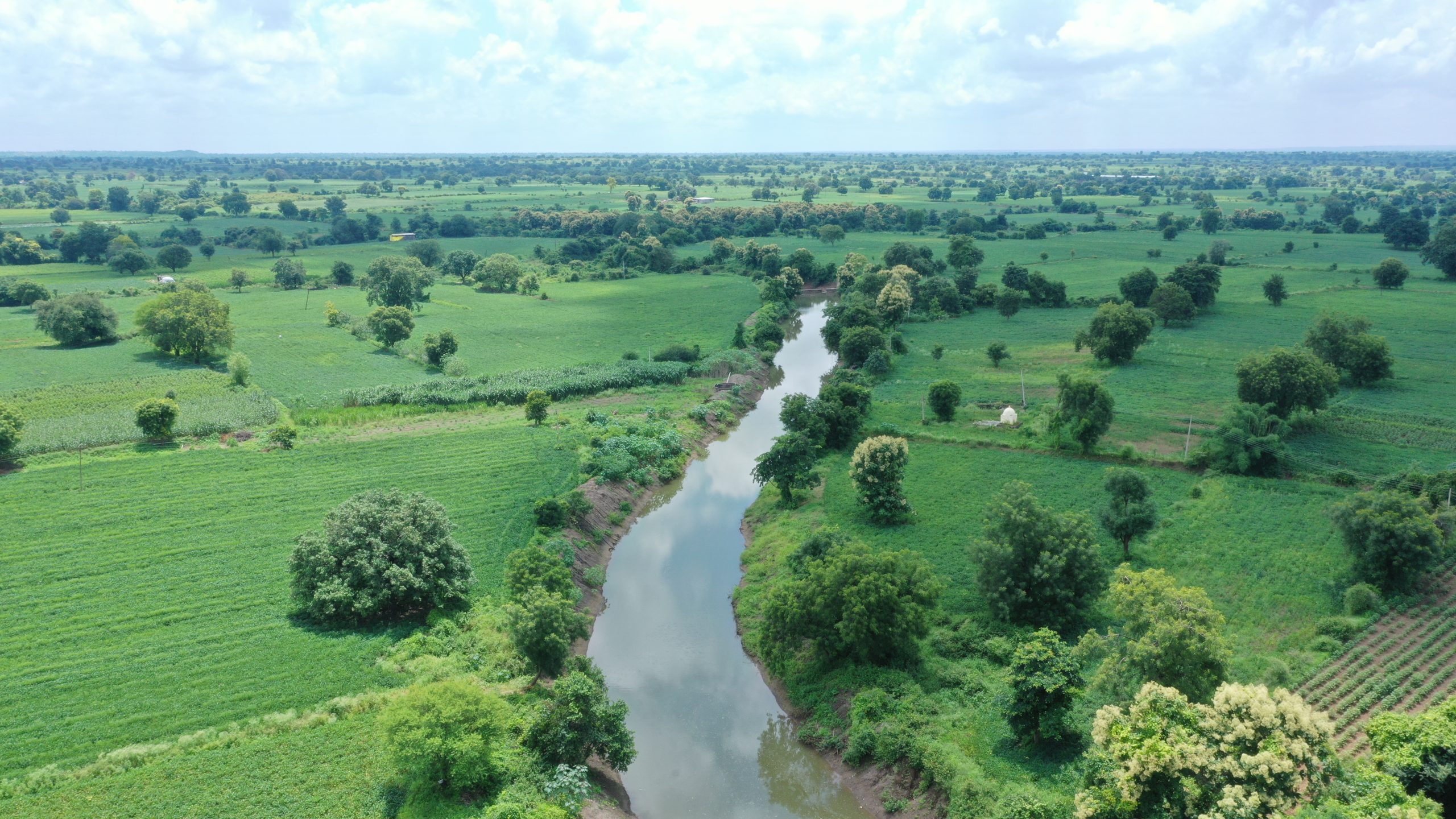
Jalna’s water-scarce rural communities found hope through the transformative PPCP project. Between 2014 and 2019, WOTR, in collaboration with Hindustan Unilever Foundation and the Maharashtra government, undertook an integrated watershed development initiative, leading to the empowerment of local communities. As a result, water levels have significantly improved, soil productivity has been revived, and farmers have gained newfound empowerment.
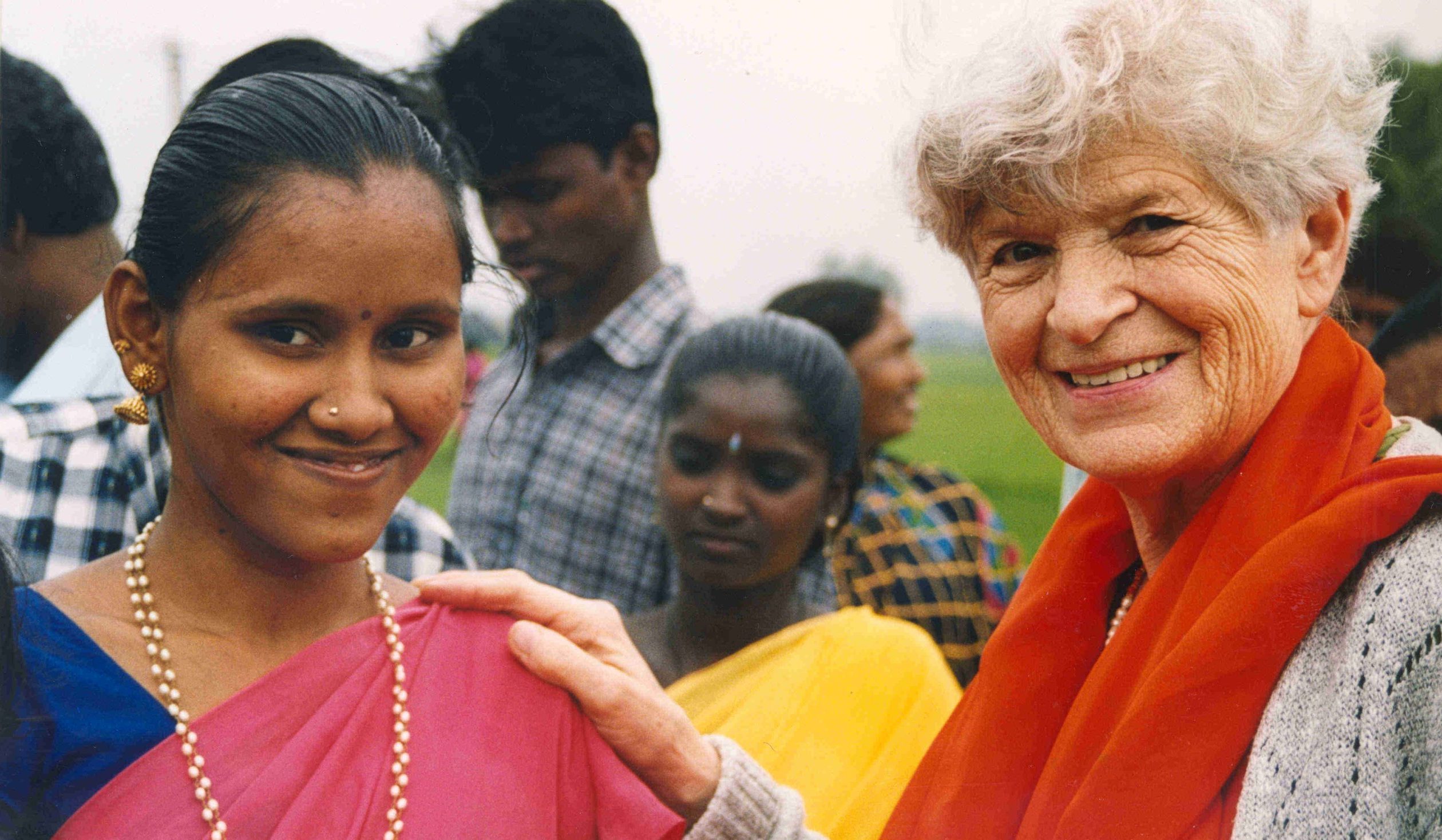
In a world often overshadowed by hardship and suffering, there are extraordinary individuals who choose to dedicate their lives to making a difference. Today, on the occasion of Rosi Gollmann’s 96th birthday, we celebrate the
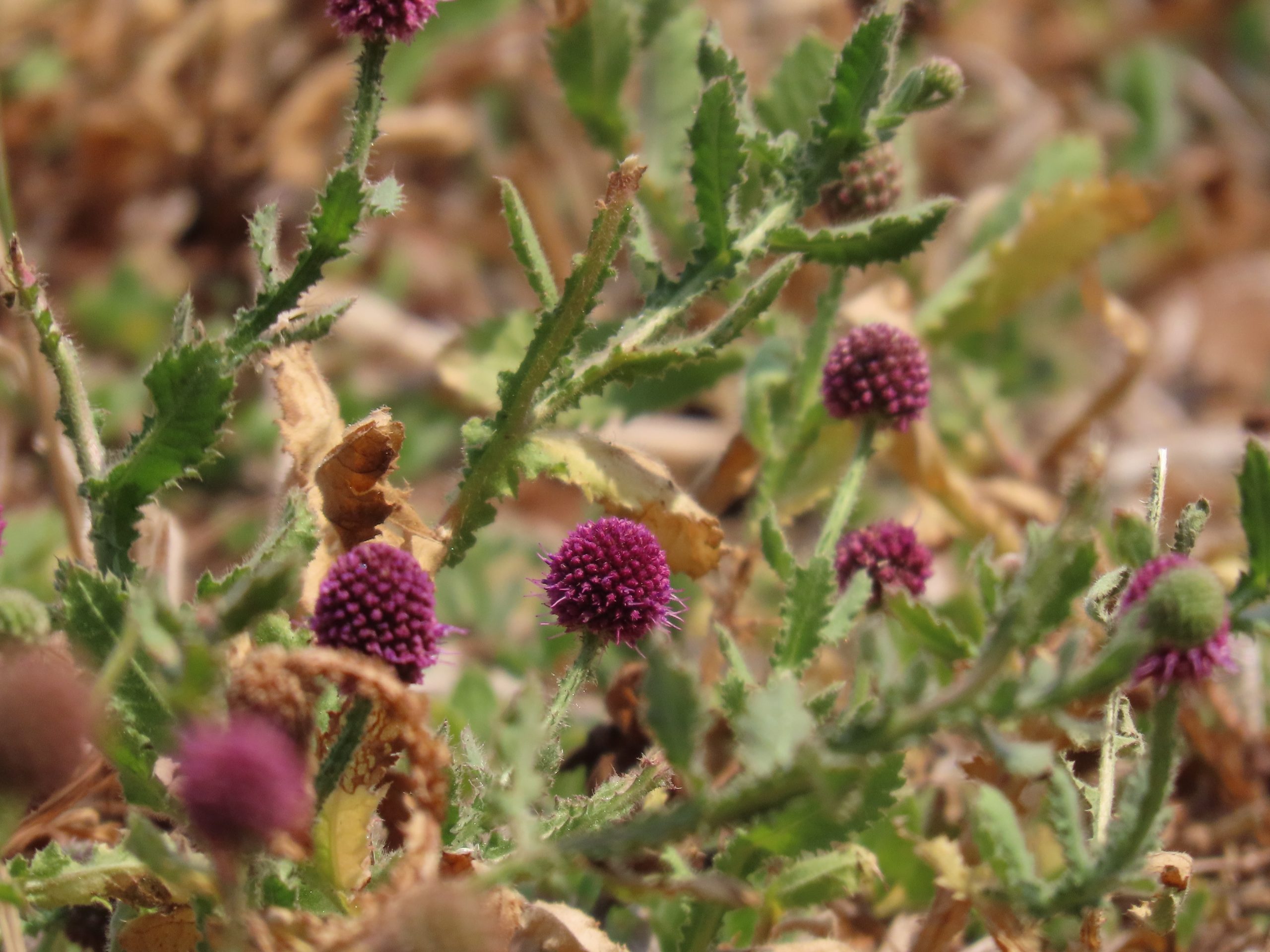
This incident is from the picturesque village of Purushwadi, nestled among the majestic Sahyadri mountain range in Maharashtra. It was the peak of summer and we, from the Biodiversity and Ecology team of W-CReS, had arrived to collect pre-
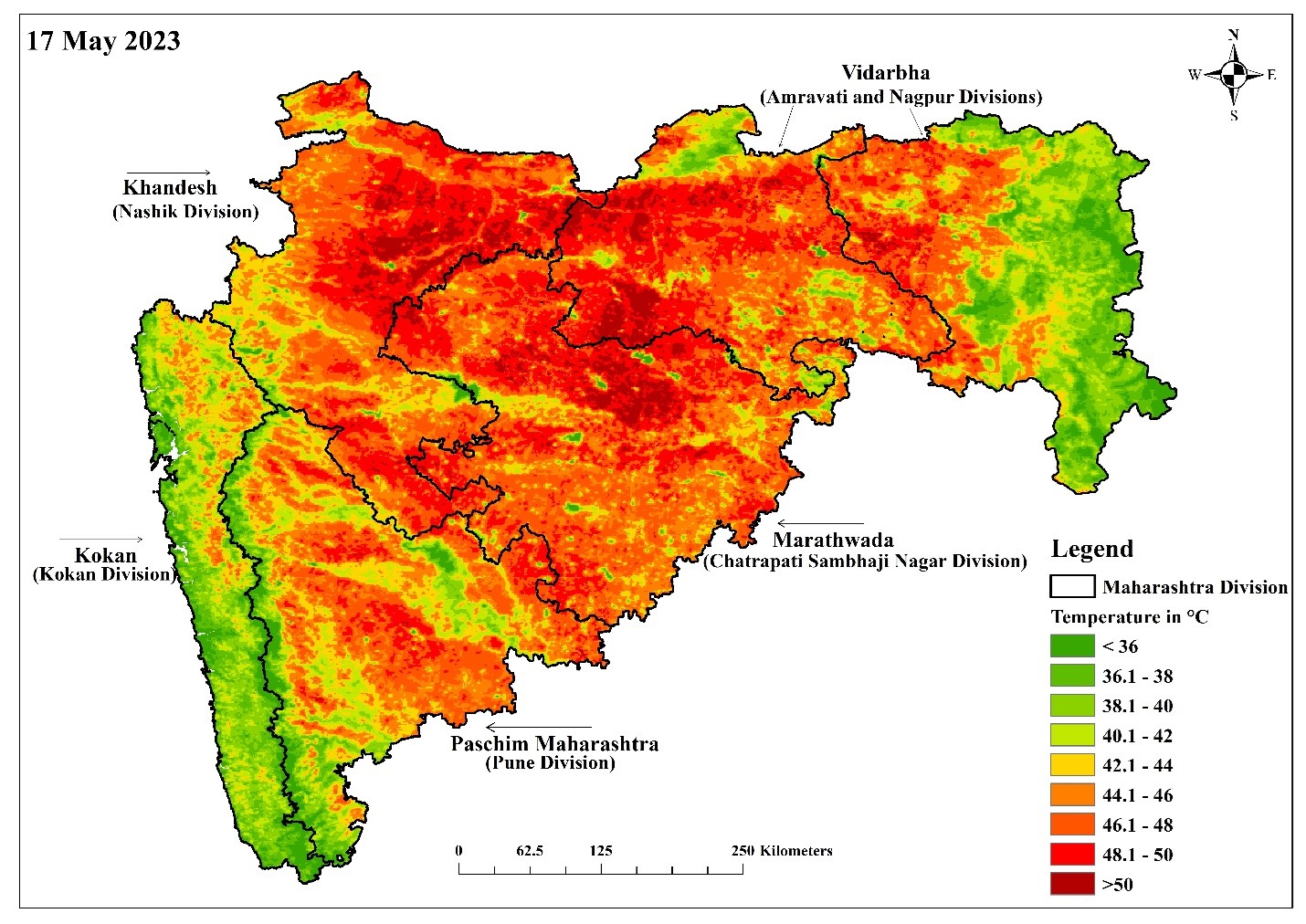
Land Surface Temperature (LST) is a critical parameter for monitoring global changes in heat flux and surface temperature, offering valuable insights into surface energy balance, environmental climate change, ecosystem dynamics, and natural
Menstruation is a natural process that marks the transition from adolescence to womanhood, and it plays a vital role in women’s reproductive health. Did you know that on average, women spend about five years of their lives menstruating? Taking care of
Native plant species, those which naturally inhabit a certain region, state, ecosystem, or habitat without human intervention, have historically been integral to human livelihoods. For many, these plants are not merely part of the landscape but woven into their
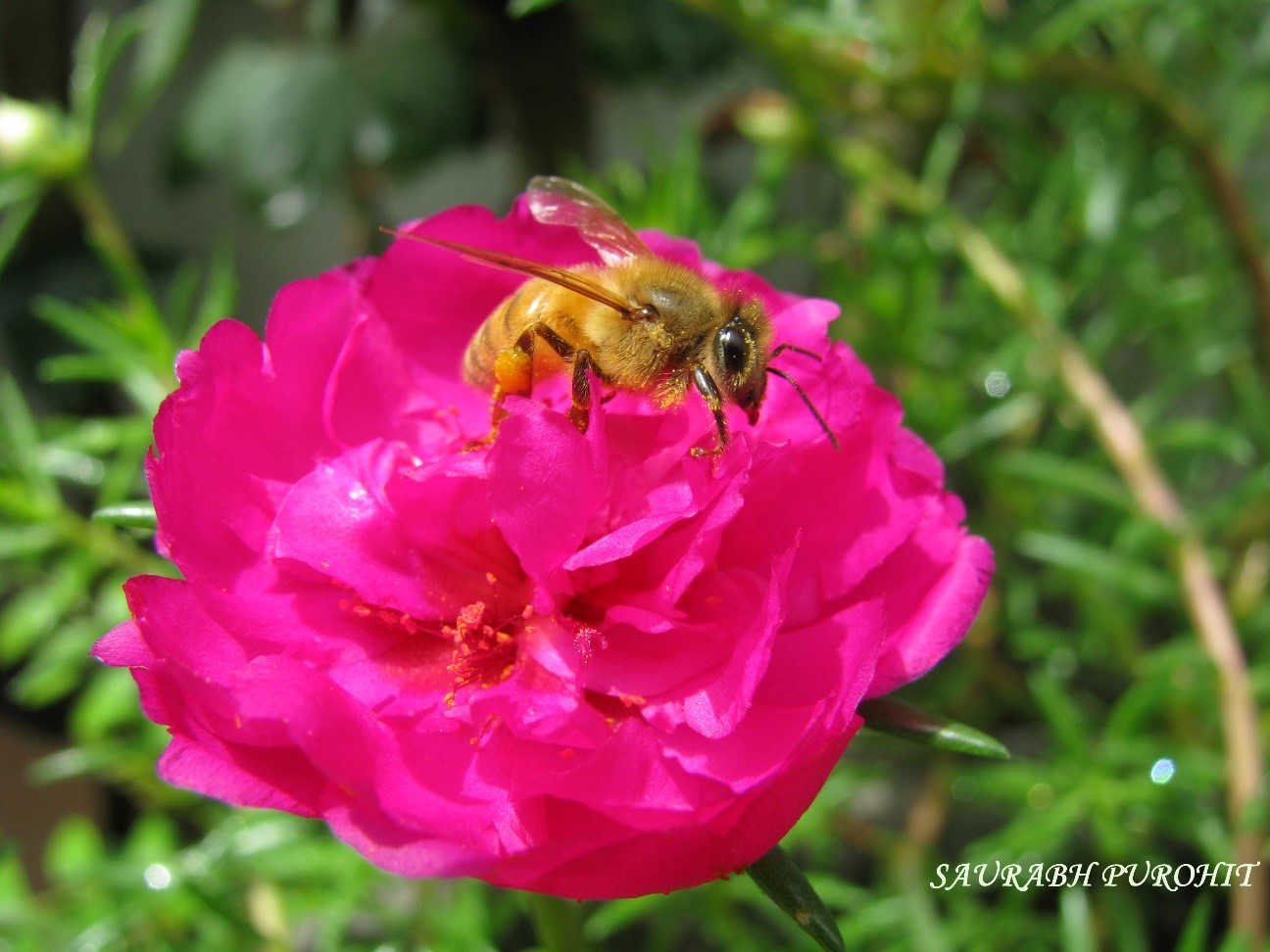
May 20th, marks the celebration of World Bee Day. This day pays tribute to Anton Janša, a key figure in modern beekeeping and a trailblazer in the world of apiculture. The aim of World Bee Day is to emphasize the essential role pollinators like bees
Rural communities are the backbone of our nation. According to the World Bank, 65% of India’s population resides in rural areas, making rural development a critical aspect of sustainable development and inclusive growth. However, these
WOTR’s innovative CoDriVE-PD (Community Driven Vulnerability Evaluation – Programme Designer) approach breaks away from conventional methods by actively involving communities in the data collection process, recognizing that community
It wouldn’t be an exaggeration to say that plastic dominated the last century as an omnipresent component of the global economy. It has infiltrated every ecosystem and continent on Earth. Plastic is present in every product we use daily, from writing
Jalna’s water-scarce rural communities found hope through the transformative PPCP project. Between 2014 and 2019, WOTR, in collaboration with Hindustan Unilever Foundation and the Maharashtra government, undertook an integrated watershed development initiative, leading to the empowerment of local communities. As a result, water levels have significantly improved, soil productivity has been revived, and farmers have gained newfound empowerment.
In a world often overshadowed by hardship and suffering, there are extraordinary individuals who choose to dedicate their lives to making a difference. Today, on the occasion of Rosi Gollmann’s 96th birthday, we celebrate the
This incident is from the picturesque village of Purushwadi, nestled among the majestic Sahyadri mountain range in Maharashtra. It was the peak of summer and we, from the Biodiversity and Ecology team of W-CReS, had arrived to collect pre-
Land Surface Temperature (LST) is a critical parameter for monitoring global changes in heat flux and surface temperature, offering valuable insights into surface energy balance, environmental climate change, ecosystem dynamics, and natural
Menstruation is a natural process that marks the transition from adolescence to womanhood, and it plays a vital role in women’s reproductive health. Did you know that on average, women spend about five years of their lives menstruating? Taking care of
Native plant species, those which naturally inhabit a certain region, state, ecosystem, or habitat without human intervention, have historically been integral to human livelihoods. For many, these plants are not merely part of the landscape but woven into their
May 20th, marks the celebration of World Bee Day. This day pays tribute to Anton Janša, a key figure in modern beekeeping and a trailblazer in the world of apiculture. The aim of World Bee Day is to emphasize the essential role pollinators like bees
By Categories
By Tags
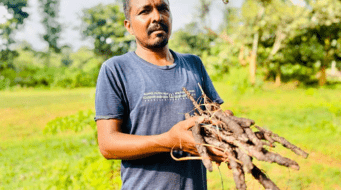
Anuj Mundu, 40, says he went around the whole country searching for money, only to find the ‘paise wale ped’ (money making trees) at home. A resident of Rumutkel village, a hamlet of 144 households in the hilly, remote interiors of Jharkhand’s Khunti district, Mundu, who until some years ago, was forced to migrate to cities to find work, has been cultivating lac, a high-value non-timber forest product, on ber and kusum trees the last five years.
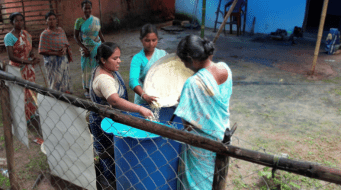
Bireng Soy’s journey began with early marriage and motherhood at 16, forcing her to leave school. With three children to care for and limited land for farming, life grew increasingly challenging. Her husband’s alcoholism worsened their financial strain, leaving Soy as the sole provider. Joining a self-help group led her to WOTR, where she became a community worker promoting sustainable agriculture. Since 2019, she’s been a Krishi Wasundhara Sevika, guiding farming communities towards organic farming through the Axis Bank Foundation’s Sustainable Livelihoods Programme.
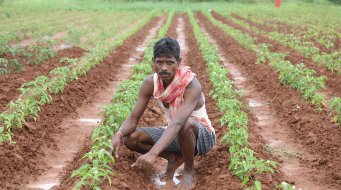
Rajesh Mahto, 40, is always looking for money he can save or money he can make. Until 2019, Mahto used to ride an autorickshaw. Having all but quit agriculture, the 2019 lockdown imposed due to Covid-19 forced Mahto to give farming a second shot. He was aided in his efforts by WOTR which provided seeds, irrigation inputs, and advice on farming, through Axis Bank Foundation’s Sustainable Livelihoods Programme.
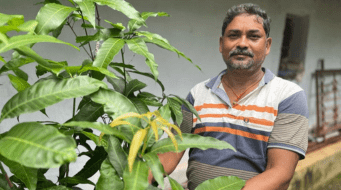
Narendra Adhikari, 58, is not afraid of experimentation. Agriculture fascinates him, and he says he is always looking to learn new approaches to growing food. His 1 acre vegetable garden – where Adhikari presently grows at least 25-30 varieties of herbs, fruits and vegetables – is a testament to this approach. Around 2019, he came in touch with WOTR, and started attending training sessions and going on exposure visits held by the organisation, under Axis Bank’s Sustainable Livelihoods Programme.
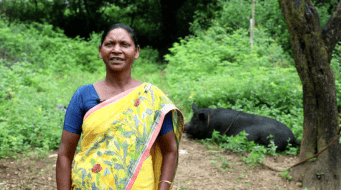
Pig farming is considered an integral part of life amongst the tribal population in Jharkhand, and many households practice backyard piggery with one or two pigs. Bahamani Purty, 45, lives in Otongora village, in Khunti, Jharkhand with her husband Marshall, and had been rearing pigs for a few years. In 2019, while attending a gram sabha meeting, Purty learnt that pig rearing was being promoted as an intervention under Axis Bank Foundation’s Sustainable Livelihoods Programme.
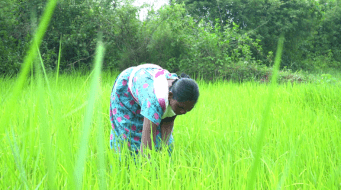
Paulina Mundu, a 40-year-old farmer in Khunti, Jharkhand, fulfilled her childhood dream of farming upon returning home. However, water scarcity posed a challenge, leading her to construct a farm pond under MGNREGA in 2017. Despite initial limitations, assistance from Axis Bank Foundation and WOTR in 2019 enabled Paulina to expand and improve the pond, enhancing irrigation capacity.
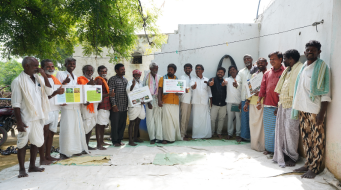
Located in a rain-fed area with limited water availability, residents say farming in Bhaironkonda has become particularly precarious in the last few years, owing to changing climatic conditions, and increasing costs of agriculture. Distressed, and desperate for solutions, some farmers started participating in Farmer Field Schools (FFS) organised by WOTR in 2019, as part of Axis Bank Foundation’s Sustainable Livelihoods Programme.
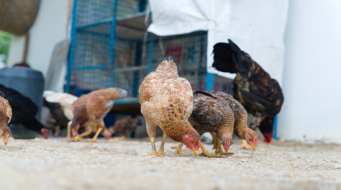
A large majority of the families in Narayanpet, Telangana are either wage labourers or small and marginal farmers who own less than 1Ha. of land. They have meagre incomes, limited access to resources, and no additional skill or financial support available to generate an alternate income. Keeping these factors in mind, the families were given support with backyard poultry farming.