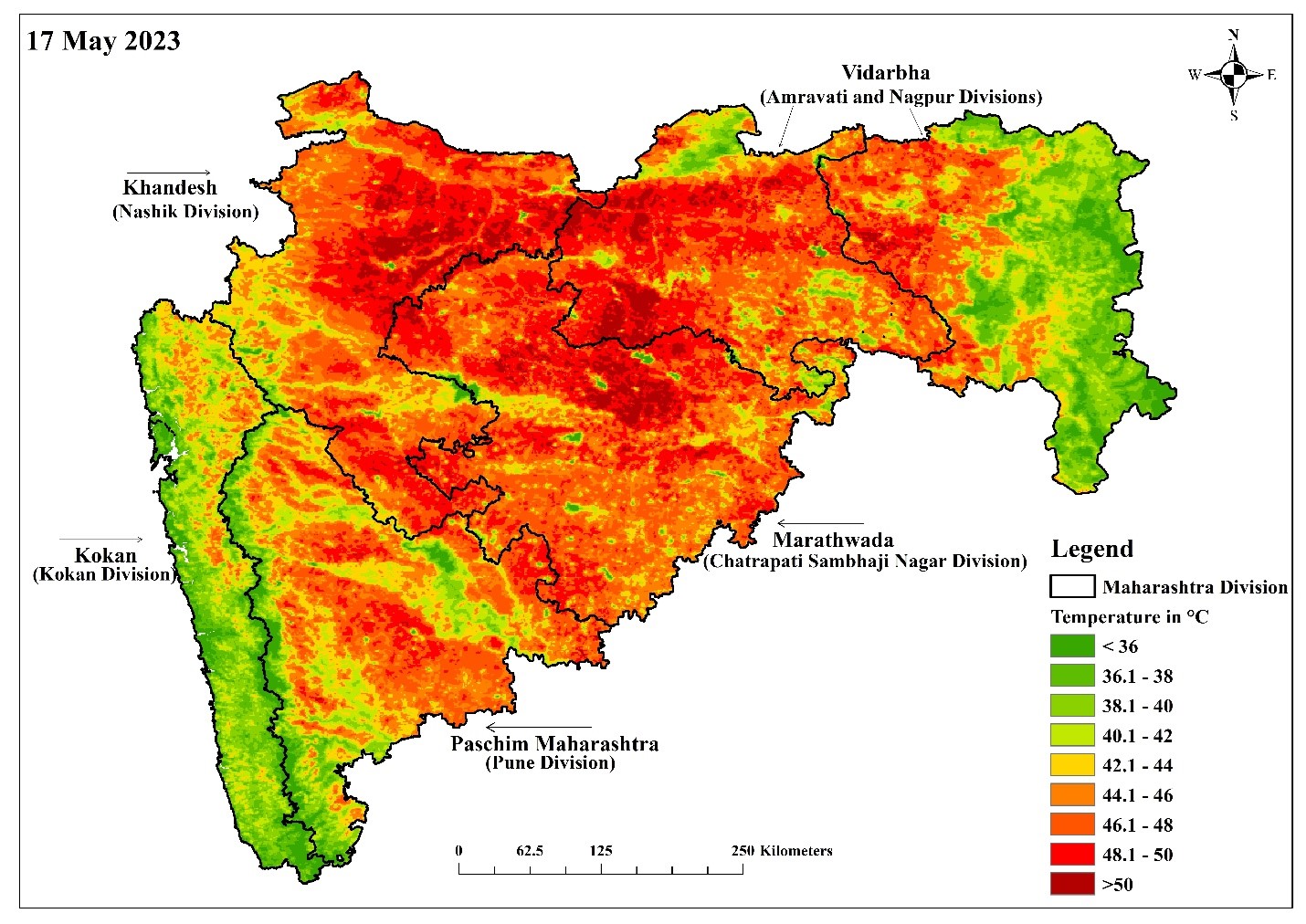
Land Surface Temperature (LST) is a critical parameter for monitoring global changes in heat flux and surface temperature, offering valuable insights into surface energy balance, environmental climate change, ecosystem dynamics, and natural
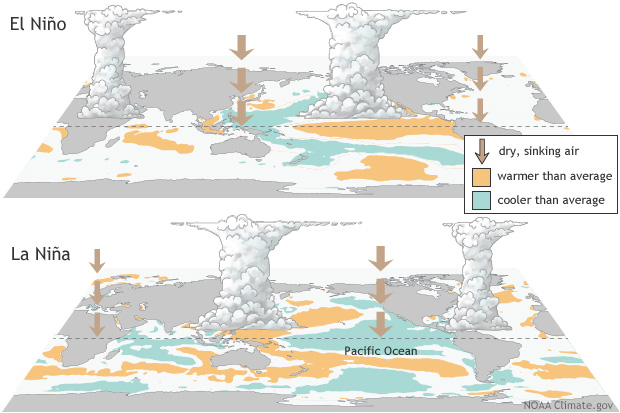
The Indian Meteorological Department (IMD) has predicted a normal monsoon for 2023, estimating rainfall at 96% of the long-term average. Despite this, the IMD also cautions that El Niño conditions are likely to emerge during the monsoon season. In
Climate resilient agriculture is an essential component of food security in India, a country that relies heavily on agriculture for its economic growth and livelihoods. India’s diverse agro-climatic zones, coupled with its monsoon-based agriculture, make
In India, climate change is a serious concern for the agriculture sector. Changing weather patterns and extreme weather events, such as droughts and floods, have a direct impact on farmers’ livelihoods. As climate change continues to pose a threat to the
Well-functioning ecosystems form the bedrock of planetary health and human survival. With increased degradation of habitats and waning ecosystem functions, the threat of ecosystem collapse is more real than ever. Research shows a
Climate change itself may be gender-neutral, but any action we need to take for adaptation cannot be anything but women-centric. Climate action cannot do without women. The reasons are endless, but let me bring out the five specific ones, and all of them have to do with every day and straightforward logic.
Until about five years back cotton, paddy and red gram were considered the only profitable crops by the farmers of Kamsanpally village in Damargidda Mandal, Narayanpet district of Telangana. Water scarcity and extreme climatic conditions
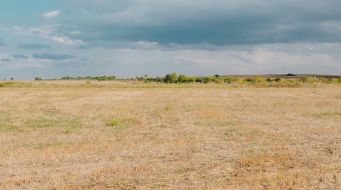
Land Surface Temperature (LST) is a critical parameter for monitoring global changes in heat flux and surface temperature, offering valuable insights into surface energy balance, environmental climate change, ecosystem dynamics, and natural
The Indian Meteorological Department (IMD) has predicted a normal monsoon for 2023, estimating rainfall at 96% of the long-term average. Despite this, the IMD also cautions that El Niño conditions are likely to emerge during the monsoon season. In
Climate resilient agriculture is an essential component of food security in India, a country that relies heavily on agriculture for its economic growth and livelihoods. India’s diverse agro-climatic zones, coupled with its monsoon-based agriculture, make
In India, climate change is a serious concern for the agriculture sector. Changing weather patterns and extreme weather events, such as droughts and floods, have a direct impact on farmers’ livelihoods. As climate change continues to pose a threat to the
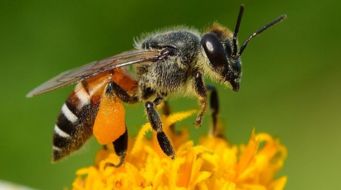
Well-functioning ecosystems form the bedrock of planetary health and human survival. With increased degradation of habitats and waning ecosystem functions, the threat of ecosystem collapse is more real than ever. Research shows a
Climate change itself may be gender-neutral, but any action we need to take for adaptation cannot be anything but women-centric. Climate action cannot do without women. The reasons are endless, but let me bring out the five specific ones, and all of them have to do with every day and straightforward logic.
Until about five years back cotton, paddy and red gram were considered the only profitable crops by the farmers of Kamsanpally village in Damargidda Mandal, Narayanpet district of Telangana. Water scarcity and extreme climatic conditions
Watershed management reveals how drought, groundwater depletion, soil stress, and unequal access reshape resilience long before visible crisis emerges.
Discover how responsible AI innovations can protect ecosystems, empower vulnerable communities, tackle climate change, and support sustainable global development.
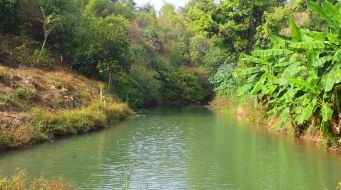
Ecohydrology unites ecology and hydrology to transform water management. Discover how it drives sustainability, ecosystem health, and resilient communities.
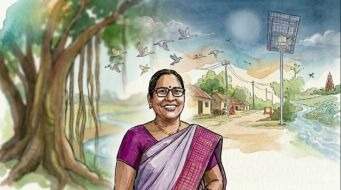
Sindhu’s 15-year journey reveals how widow property rights remain unclaimed without awareness, community support, and institutional guidance in rural India.