In just 4 months, eight FPOs, part of the Central Sector Scheme, in collaboration with the Government of India’s Ministry of Agriculture & Farmers Welfare and NABARD, achieved a Rs. 3.82 crore turnover, showcasing remarkable agricultural innovation and community-led progress.
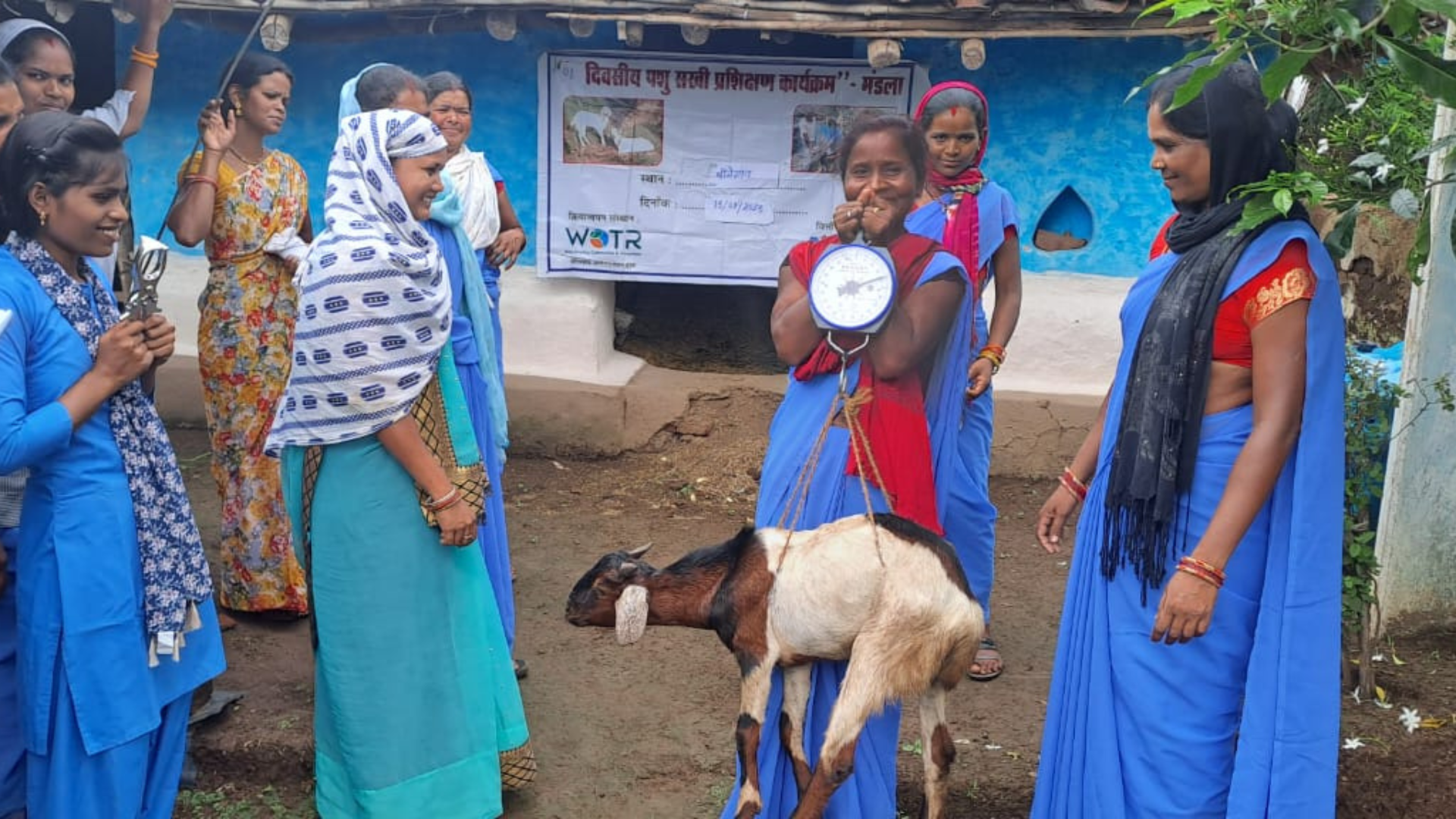
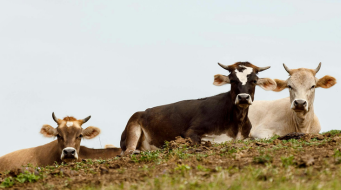
In this context, the ‘Pashu Sakhis’ programme trains local women to become Community Animal Care Service Providers (CASP). These Pashu Sakhis offer essential livestock care and guidance, empowering rural women and improving animal health.
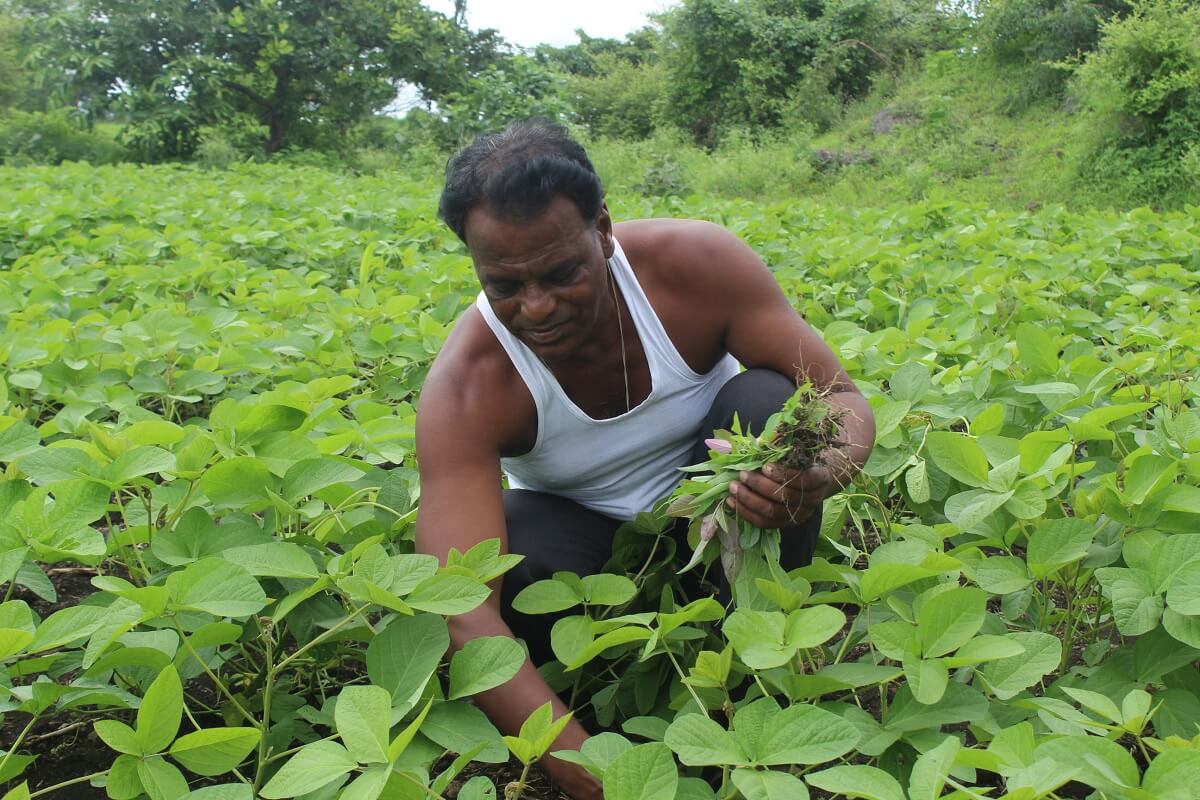
Basaava Swami, a 50-year-old farmer from Kherada village in the Bidar district of Aurad taluka, had long been practising conventional farming methods. However, his curiosity led him on a path of discovery of SCI-system of crop intensification which
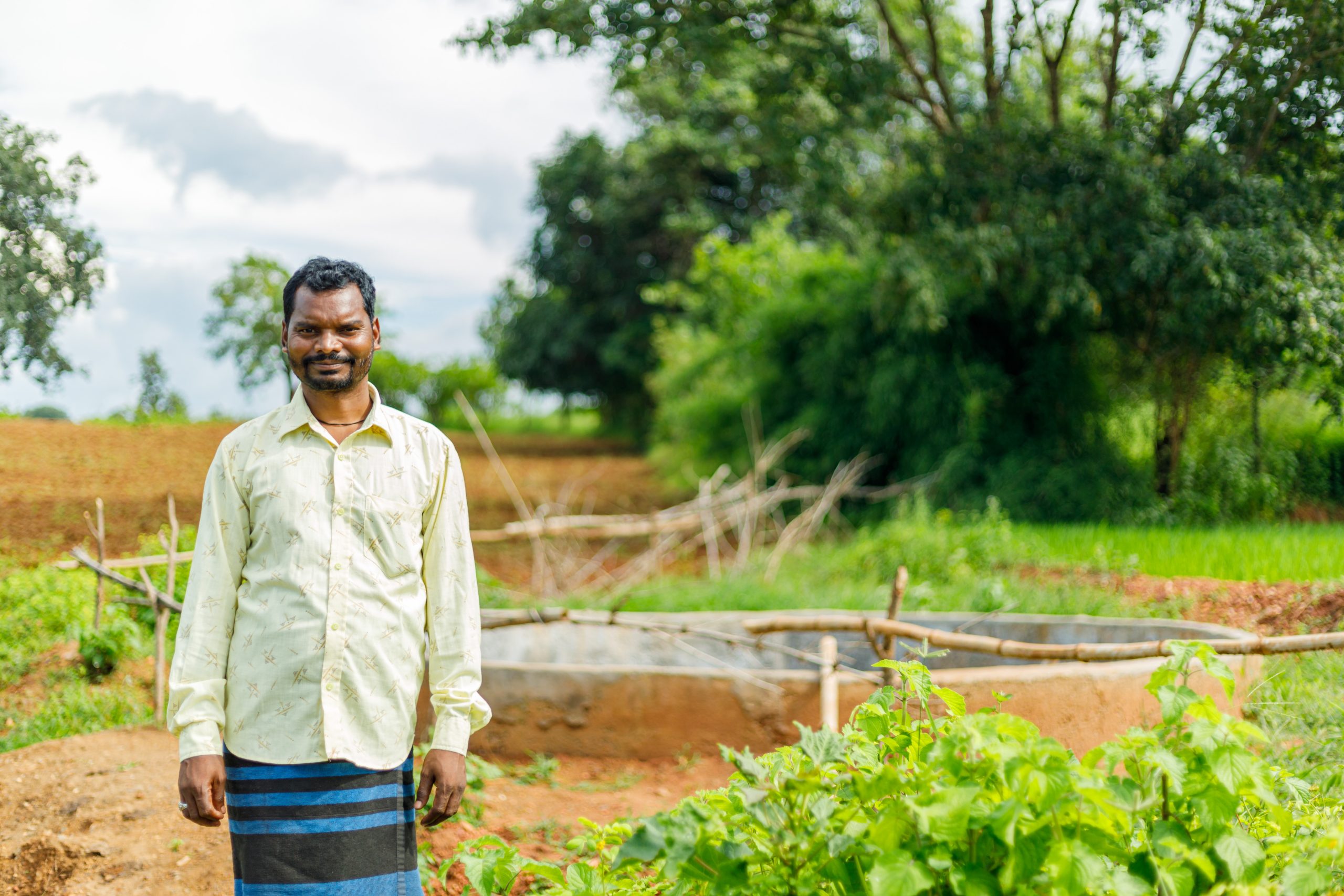
In the quiet heart of Bonthi Village, nestled within Bidar District of Karnataka, Rama Malhari Rane, a 62-year-old farmer, faced a dire challenge. With 10 acres of land thirsting for hydration, and a dried-up well as testament to the scorching heat, Rama
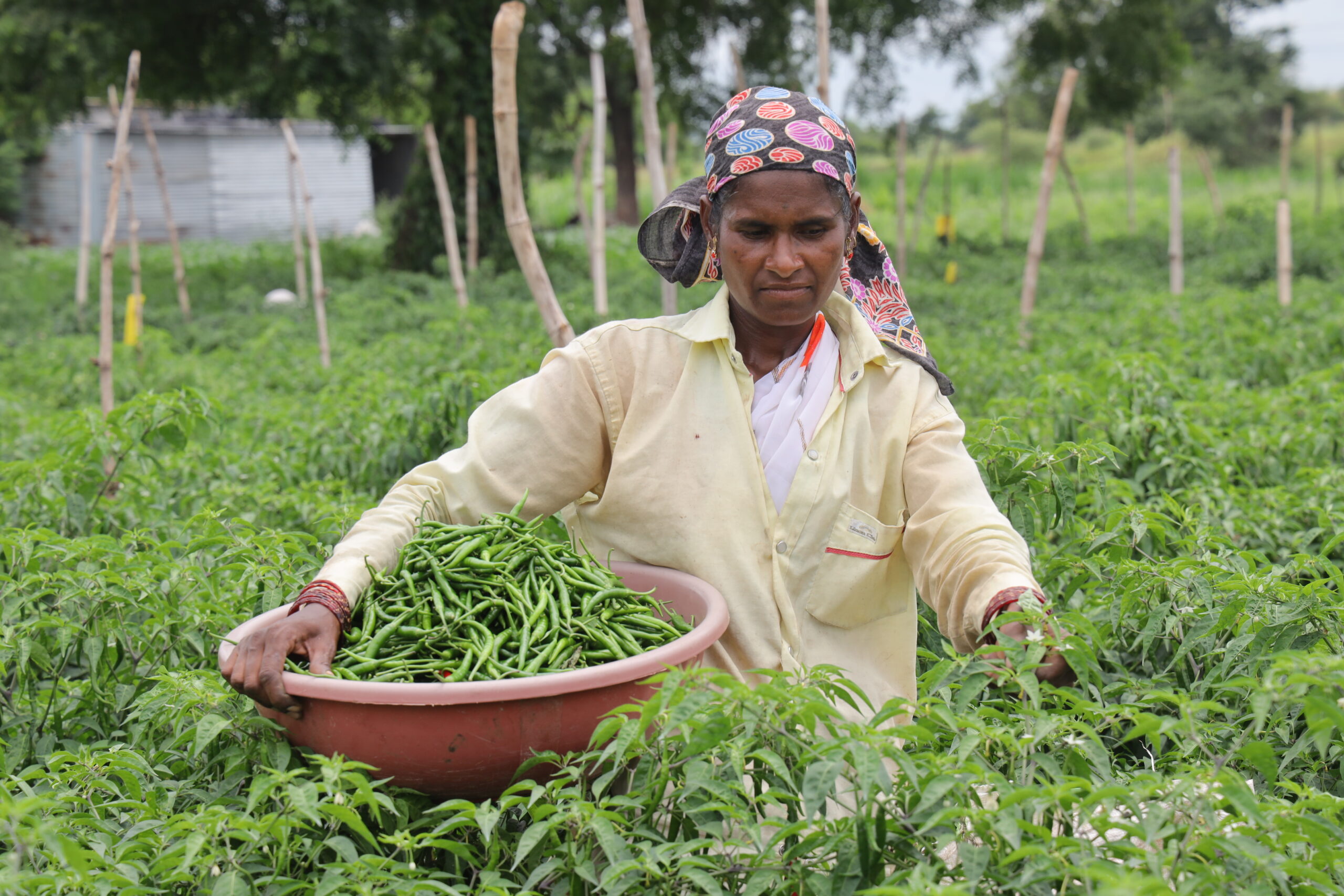
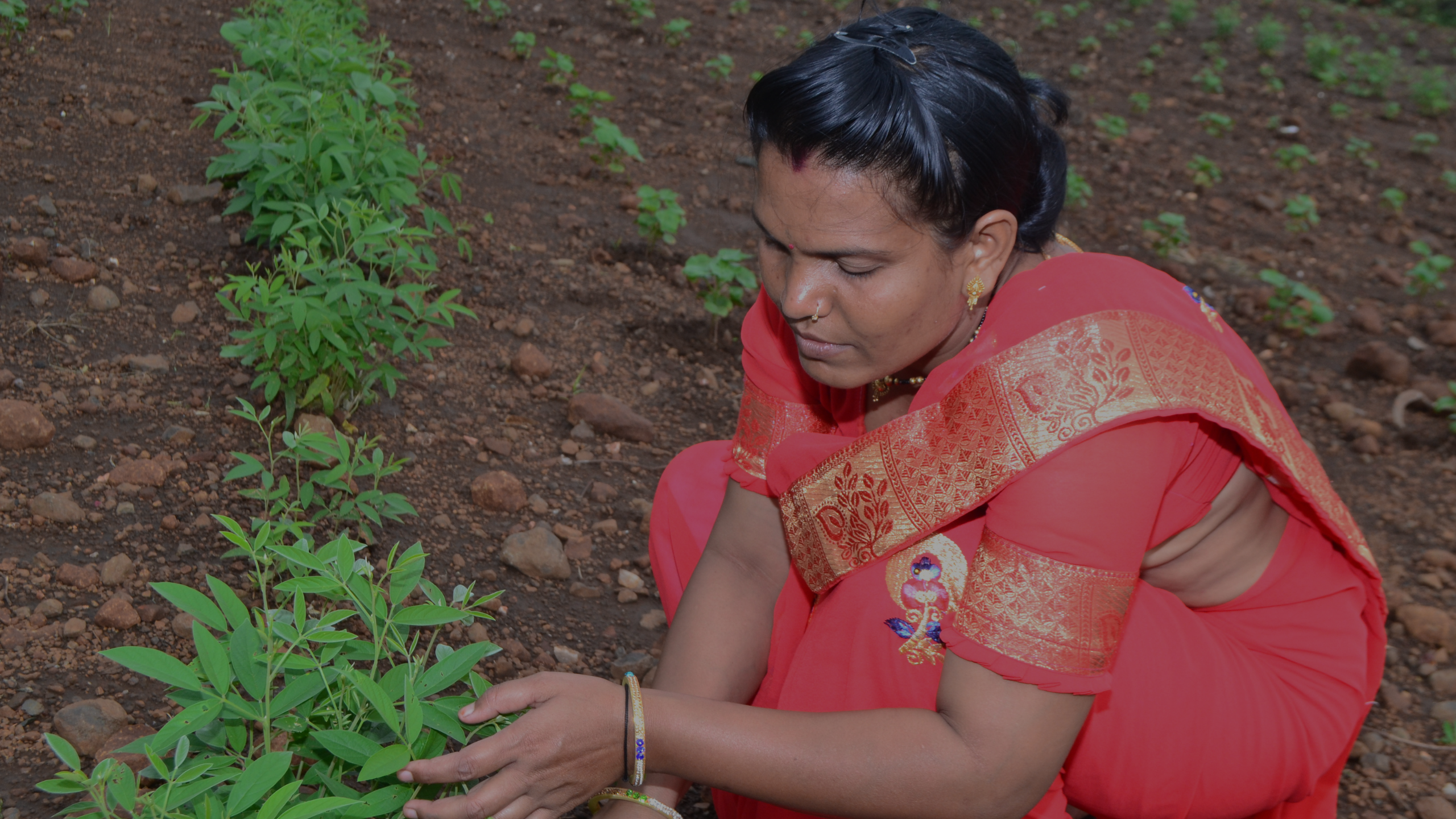
Kanta Golayit always harboured a deep-seated desire to cultivate her own land and reap a bountiful harvest. Despite the vast land she owned, the yield was dishearteningly meagre. With acute water scarcity and inadequate irrigation facilities
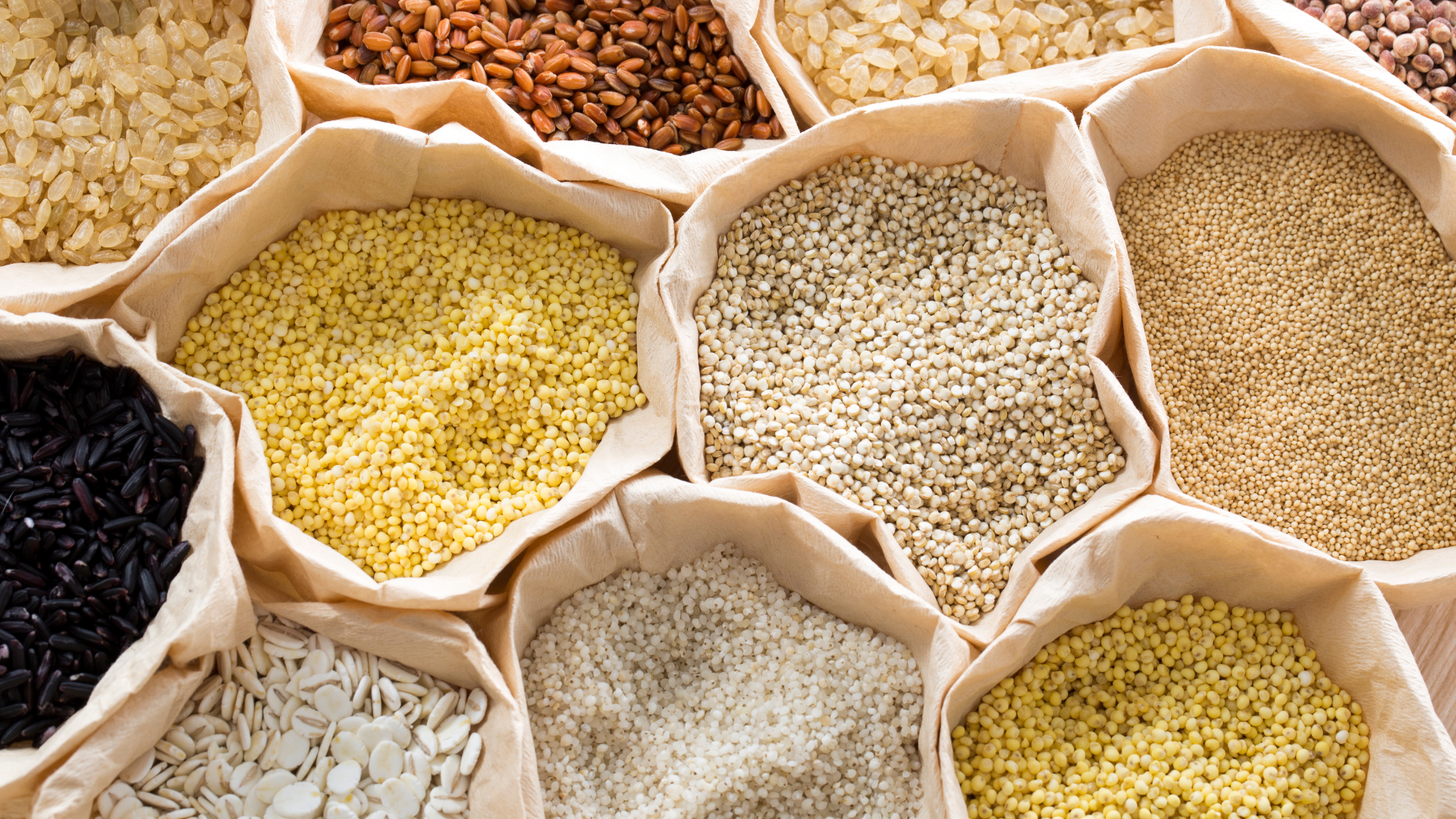
In a significant global acknowledgment, the Food and Agriculture Organization in conjunction with the United Nations, has declared 2023 as the International Year of Millets. This worldwide recognition serves to highlight the immense
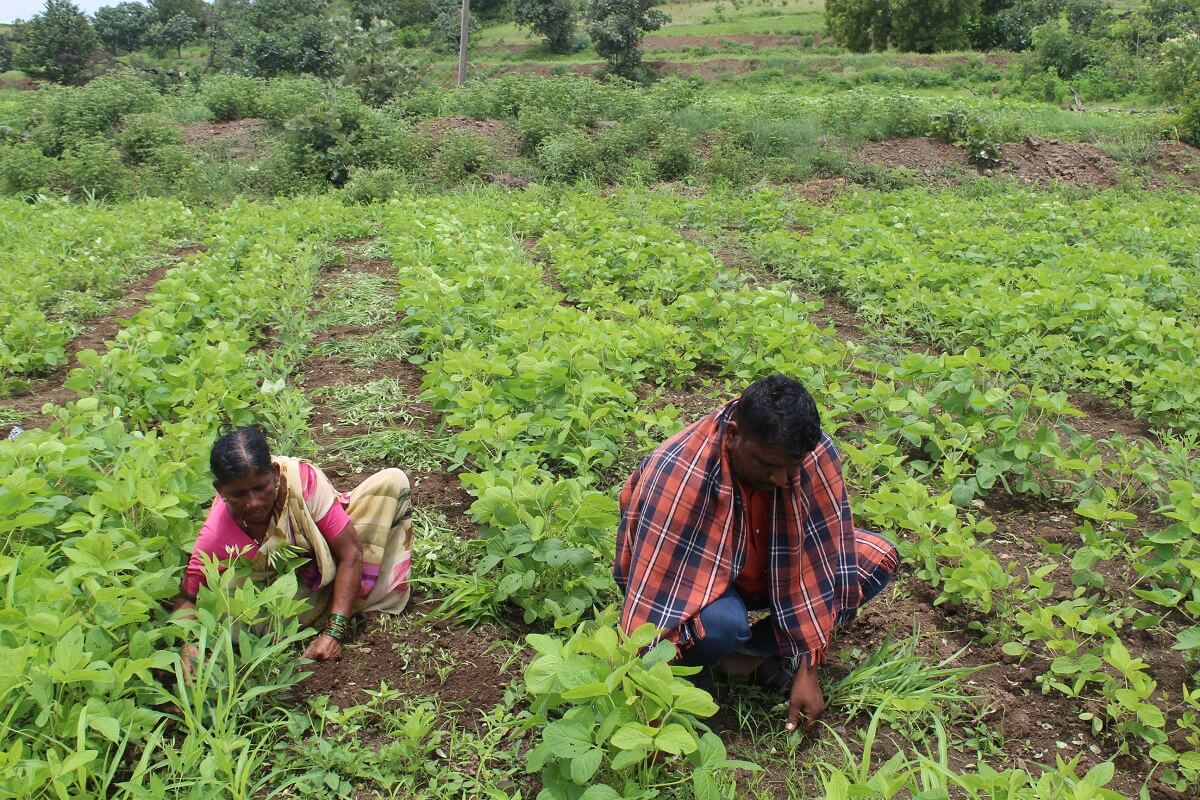
Shivmangal Singh, a hardworking man of 38, knew the contours of struggle and perseverance intimately. As a resident of the remote Mudijhariya village in Koriya district of Chhattisgarh, he bore the weight of providing for a family of six. Alongside his eldest son, Shivmangal shouldered the responsibility
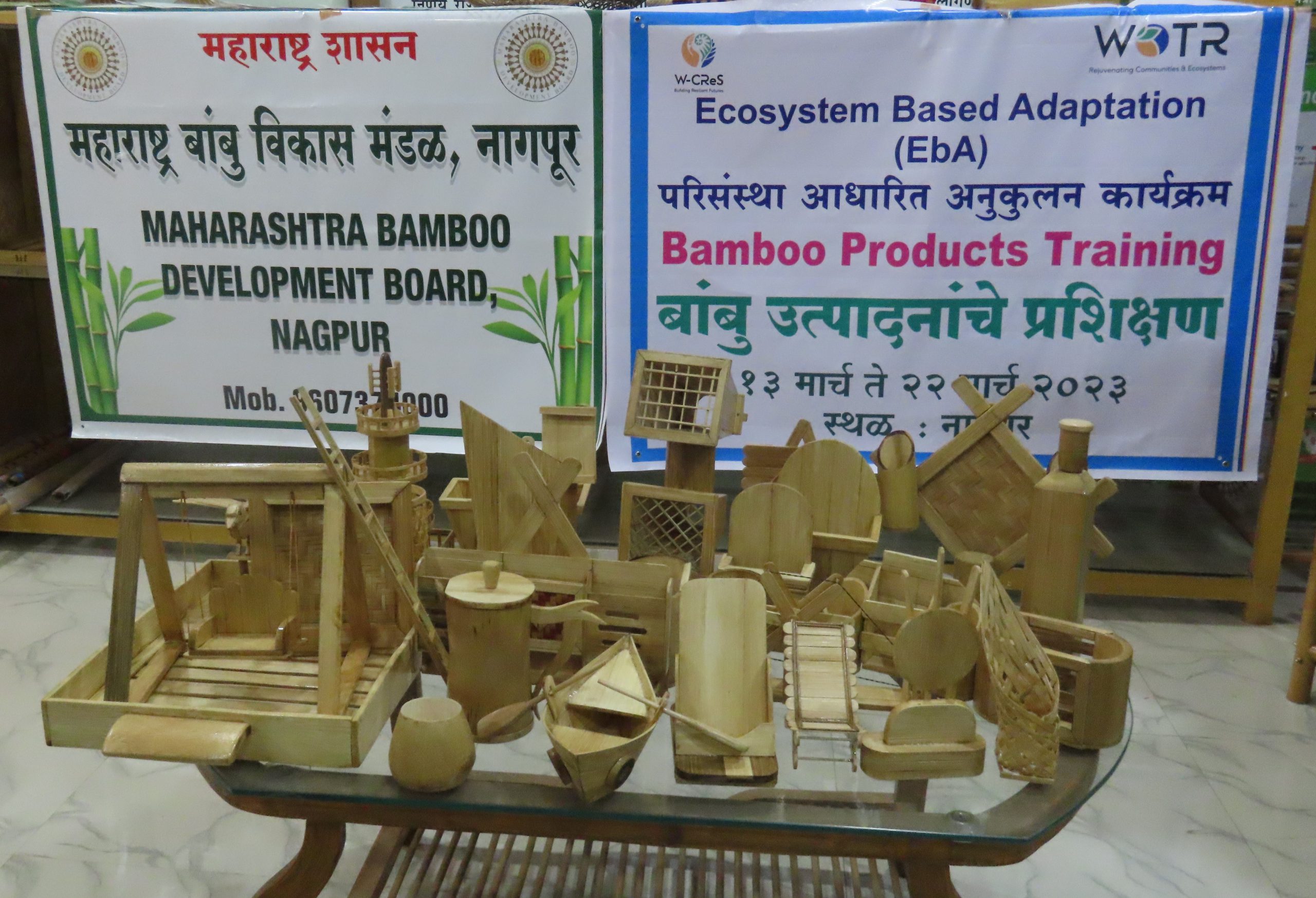
Bamboo, a remarkably versatile and swiftly growing member of the grass family, Poaceae, falls within the Bambusoideae subfamily. Distinguished by its woody culms, robust rhizomes, rare flowering, and intricate branching patterns, this unique plant
The Indian Government has already established an ambitious target of registering 10,000 FPOs, bringing together more than 1 million farmers as members. These FPOs serve as a critical catalyst in not only doubling farmers’ income from agriculture
Climate resilient agriculture is an essential component of food security in India, a country that relies heavily on agriculture for its economic growth and livelihoods. India’s diverse agro-climatic zones, coupled with its monsoon-based agriculture, make
In just 4 months, eight FPOs, part of the Central Sector Scheme, in collaboration with the Government of India’s Ministry of Agriculture & Farmers Welfare and NABARD, achieved a Rs. 3.82 crore turnover, showcasing remarkable agricultural innovation and community-led progress.
In this context, the ‘Pashu Sakhis’ programme trains local women to become Community Animal Care Service Providers (CASP). These Pashu Sakhis offer essential livestock care and guidance, empowering rural women and improving animal health.
Basaava Swami, a 50-year-old farmer from Kherada village in the Bidar district of Aurad taluka, had long been practising conventional farming methods. However, his curiosity led him on a path of discovery of SCI-system of crop intensification which
In the quiet heart of Bonthi Village, nestled within Bidar District of Karnataka, Rama Malhari Rane, a 62-year-old farmer, faced a dire challenge. With 10 acres of land thirsting for hydration, and a dried-up well as testament to the scorching heat, Rama
Kanta Golayit always harboured a deep-seated desire to cultivate her own land and reap a bountiful harvest. Despite the vast land she owned, the yield was dishearteningly meagre. With acute water scarcity and inadequate irrigation facilities
In a significant global acknowledgment, the Food and Agriculture Organization in conjunction with the United Nations, has declared 2023 as the International Year of Millets. This worldwide recognition serves to highlight the immense
Shivmangal Singh, a hardworking man of 38, knew the contours of struggle and perseverance intimately. As a resident of the remote Mudijhariya village in Koriya district of Chhattisgarh, he bore the weight of providing for a family of six. Alongside his eldest son, Shivmangal shouldered the responsibility
Bamboo, a remarkably versatile and swiftly growing member of the grass family, Poaceae, falls within the Bambusoideae subfamily. Distinguished by its woody culms, robust rhizomes, rare flowering, and intricate branching patterns, this unique plant
The Indian Government has already established an ambitious target of registering 10,000 FPOs, bringing together more than 1 million farmers as members. These FPOs serve as a critical catalyst in not only doubling farmers’ income from agriculture
Climate resilient agriculture is an essential component of food security in India, a country that relies heavily on agriculture for its economic growth and livelihoods. India’s diverse agro-climatic zones, coupled with its monsoon-based agriculture, make
El Niño is often blamed for weak monsoons and droughts. Discover how it really influences India’s rainfall, agriculture, water security, and resilience.
Climate adaptation needs collective action. ECOBARI unites ecosystems, livelihoods, and communities to build nature-based resilience across rural India.
Climate Resilience is possible when people work with nature. Learn how wetlands, forests, renewable energy, and communities are shaping a sustainable future.
Watershed management reveals how drought, groundwater depletion, soil stress, and unequal access reshape resilience long before visible crisis emerges.