A Better Tomorrow
Stories, Practices, and Solutions
By Categories
By Tags
Climate change itself may be gender-neutral, but any action we need to take for adaptation cannot be anything but women-centric. Climate action cannot do without women. The reasons are endless, but let me bring out the five specific ones, and all of them have to do with every day and straightforward logic.
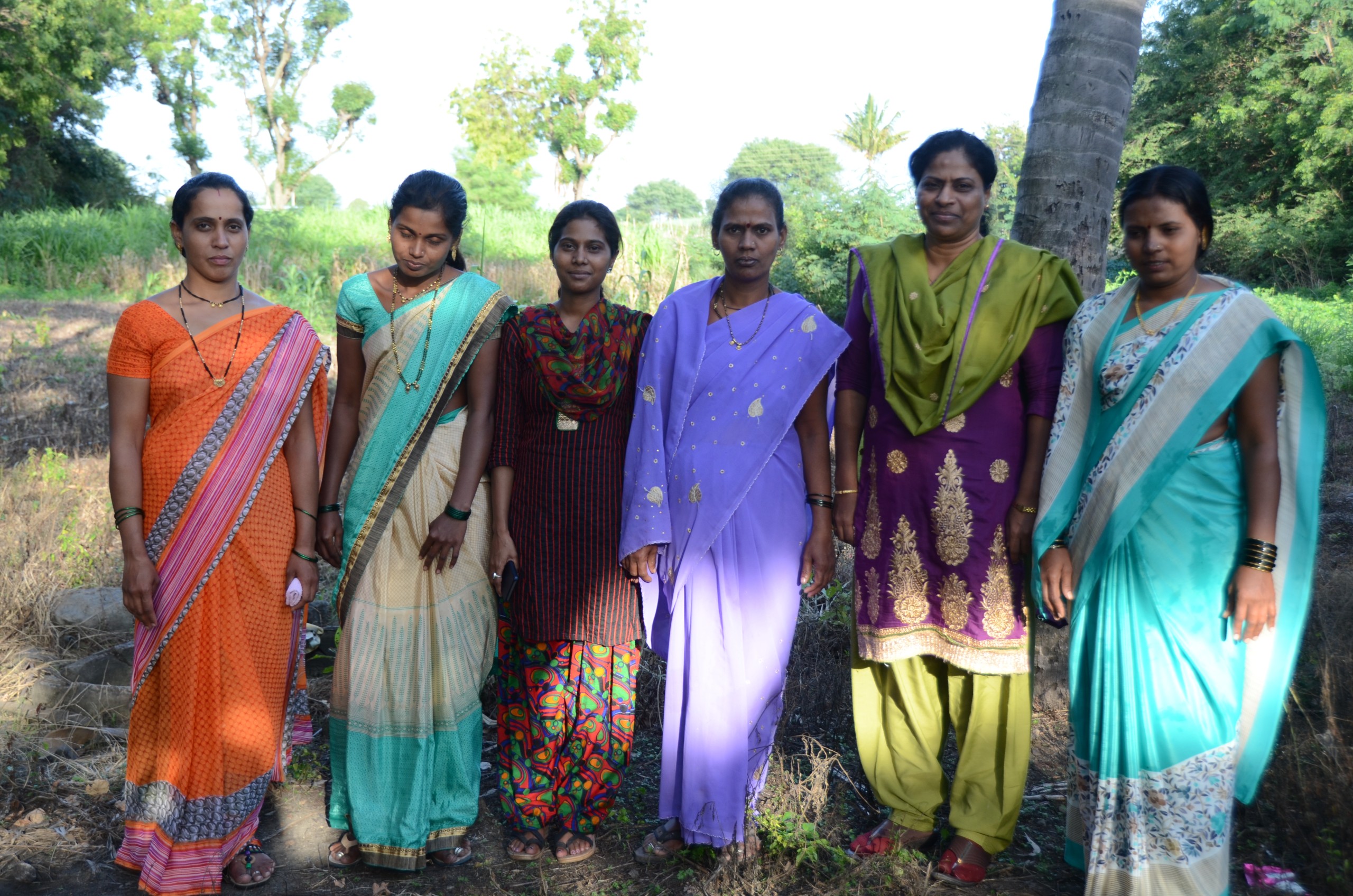
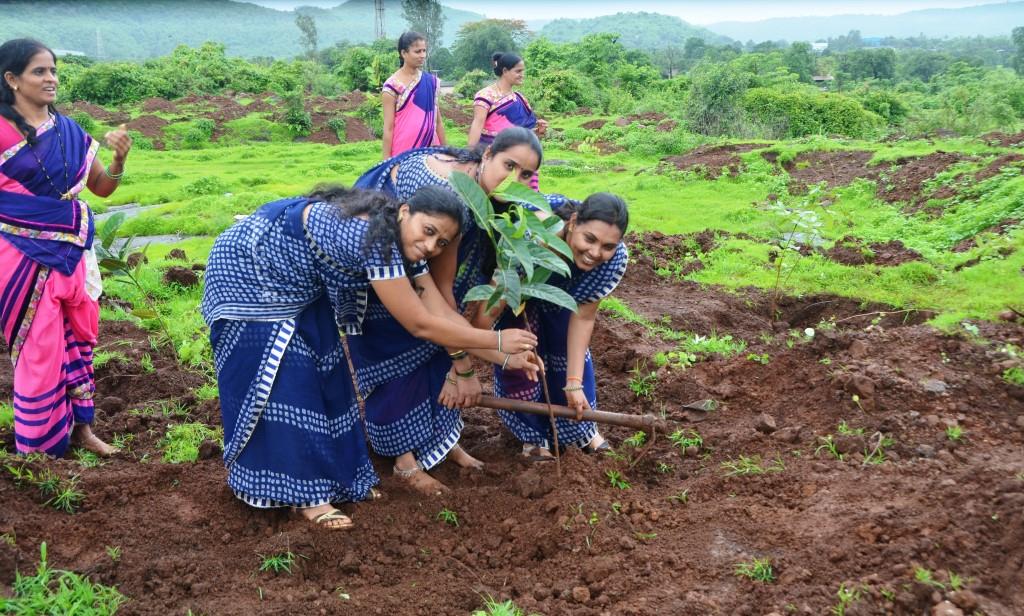
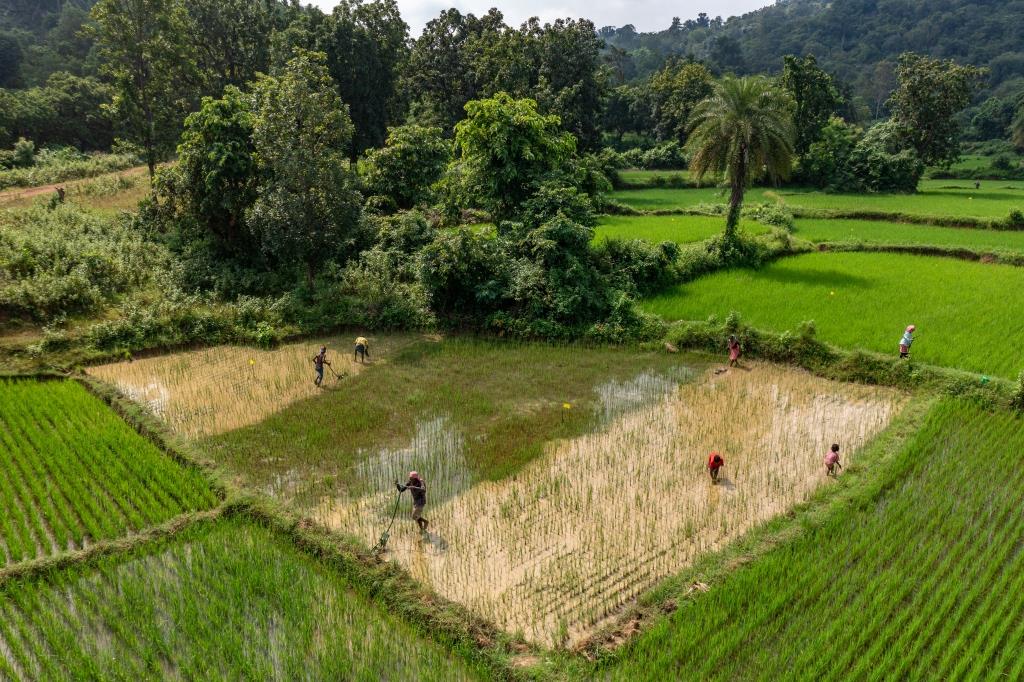
Over 48% of India’s rural population comprises of the female gender. They play an essential role in the rural economy by working as farmers, daily wage workers, traditional knowledge disseminators, entrepreneurs etc.They often also serve a significant role in managing household work, childcare, elderly care, taking care of ill ones
In the context of achieving sustainability in agriculture, this is especially pertinent as over indulgence in natural resources to maximize benefits in terms of utility and income for the present means farmers are paying less heed to future consequences.
Today is National Girl Child Day and is celebrated on January 24 every year. It is primarily aimed at promoting awareness about the rights of the girl child, and increasing awareness on the importance of girls’ education, health and nutrition
On 19th November 2021, WOTR with IDH and eight other partners, launched ECOBARI – a collaborative aimed to promote Ecosystem Based Adaptation for Resilient Incomes. The event witnessed over 150 participants. ECOBARI received a huge support from the development fraternity;
Climate change is already happening. Rising temperatures leading to rise in natural disasters are already making headlines. This shifting phenomenon presents a considerable risk on the health of people, natural capital (like clean water and food) and world economies
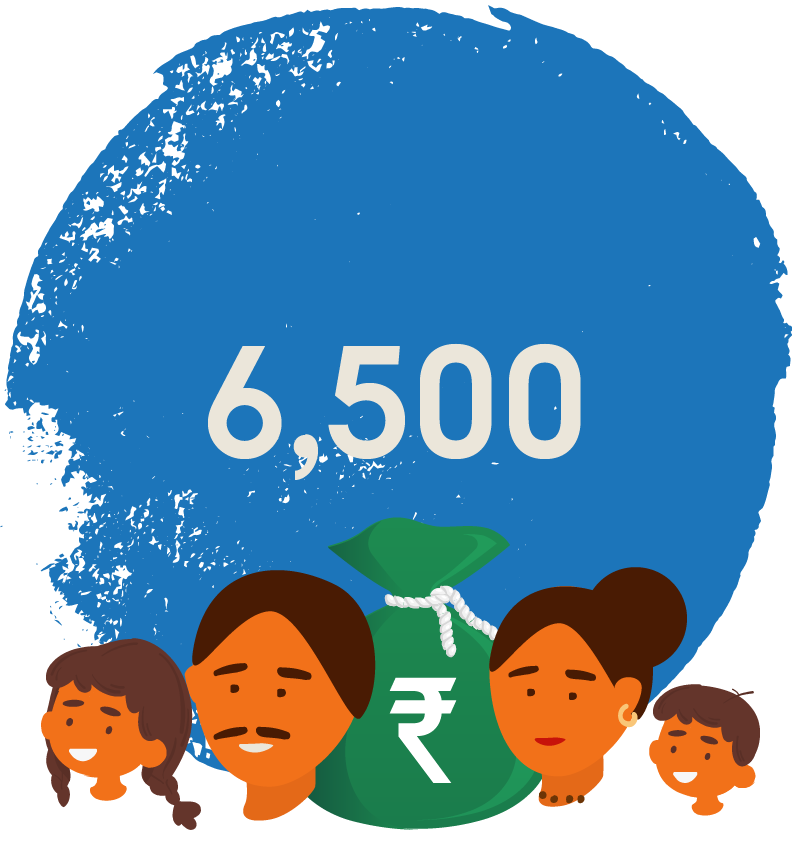
Yavatmal district of Maharashtra has numerous such heartbreaking stories. Women, after the death of their husbands, are left in the lurch. Chanda and her sister-in-law Ramkala live in Baradgaon village and could survive on a meager income of
Heerabai still feels chills running down her spine when she thinks of the water scarcity and parched lands that her village Purushwadi was known for. The unseasonal and irregular rainfall, fragmented landholding were the major challenges in the area