In Odisha’s Guma block, cashew plantations have become a transformative force for tribal communities, offering economic stability, reducing migration, and empowering women through sustainable agricultural practices. Managed in partnership with WOTR, these initiatives not only enhance local livelihoods but also promote biodiversity and soil health, marking a significant step towards sustainable development in the region.
A Better Tomorrow
Stories, Practices, and Solutions
Odisha’s tribal communities face economic and livelihood challenges due to persistent water shortages and limited opportunities. This blog explores how cashew cultivation, supported by various government initiatives and NGOs, is transforming these communities. Historical struggles over land rights and recent developments in cashew farming are highlighted, showcasing both the challenges and the potential for sustainable agricultural practices.
As scorching heatwaves become increasingly common in India, rural communities face heightened risks from heat stress. This blog post explores the nature of heatwaves, the impact of moist and dry heat stress, and the specific challenges rural India confronts. With limited infrastructure, reliance on outdoor labor, and water scarcity exacerbating the situation, the health and economic consequences are severe.
As WOTR proudly celebrates 30 years of fostering sustainable development in Indian communities, we’re thrilled to reflect on our transformative partnership with IndusInd Bank. In a recent conversation with us, Matilda Lobo, Head of CSR at IndusInd Bank, eloquently highlighted the remarkable impact this collaboration has brought about in the lives of countless people.
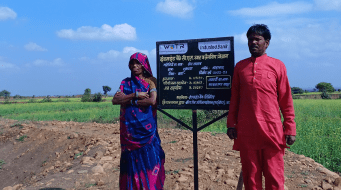
Years of low yields took a toll, but Kamli Bai refused to surrender. During the Rabi season, she worked tirelessly to establish a 0.1-hectare demo plot, her actions echoing the efforts of nine other farmers in Modwa village. Selected by the Village Development Committee and guided by WOTR, Kamli Bai diligently implemented every step, determined to prove these new methods could work. This year, a remarkable change swept through Kamli Bai’s fields.
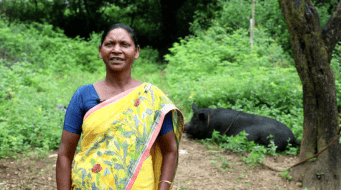
Pig farming is considered an integral part of life amongst the tribal population in Jharkhand, and many households practice backyard piggery with one or two pigs. Bahamani Purty, 45, lives in Otongora village, in Khunti, Jharkhand with her husband Marshall, and had been rearing pigs for a few years. In 2019, while attending a gram sabha meeting, Purty learnt that pig rearing was being promoted as an intervention under Axis Bank Foundation’s Sustainable Livelihoods Programme.
Businesses face escalating challenges from climate change affecting global agriculture. The solution lies in investing in climate-smart agriculture, which offers proactive strategies for resilience and market opportunities. Climate-smart agriculture, defined by the FAO, includes sustainable productivity increases, enhanced resilience, and reduced emissions.
India’s rural biodiversity, vital for resilience against climate change, faces threats from habitat loss and climate variability. Preserving it through community-based conservation and sustainable livelihoods is essential for human survival and a balanced coexistence with nature.
In rural India, water scarcity is a harsh reality impacting communities’ lives profoundly. Through watershed development, communities are empowered to heal the land holistically, from ridge to valley, ensuring water security, improved health, and livelihoods.
Last week, Finance Minister Nirmala Sitharaman presented the Interim Budget in the Lok Sabha, outlining key initiatives and their impact on rural India. Here are the major highlights and figures.
In Odisha’s Guma block, cashew plantations have become a transformative force for tribal communities, offering economic stability, reducing migration, and empowering women through sustainable agricultural practices. Managed in partnership with WOTR, these initiatives not only enhance local livelihoods but also promote biodiversity and soil health, marking a significant step towards sustainable development in the region.
Odisha’s tribal communities face economic and livelihood challenges due to persistent water shortages and limited opportunities. This blog explores how cashew cultivation, supported by various government initiatives and NGOs, is transforming these communities. Historical struggles over land rights and recent developments in cashew farming are highlighted, showcasing both the challenges and the potential for sustainable agricultural practices.
As scorching heatwaves become increasingly common in India, rural communities face heightened risks from heat stress. This blog post explores the nature of heatwaves, the impact of moist and dry heat stress, and the specific challenges rural India confronts. With limited infrastructure, reliance on outdoor labor, and water scarcity exacerbating the situation, the health and economic consequences are severe.
As WOTR proudly celebrates 30 years of fostering sustainable development in Indian communities, we’re thrilled to reflect on our transformative partnership with IndusInd Bank. In a recent conversation with us, Matilda Lobo, Head of CSR at IndusInd Bank, eloquently highlighted the remarkable impact this collaboration has brought about in the lives of countless people.
Years of low yields took a toll, but Kamli Bai refused to surrender. During the Rabi season, she worked tirelessly to establish a 0.1-hectare demo plot, her actions echoing the efforts of nine other farmers in Modwa village. Selected by the Village Development Committee and guided by WOTR, Kamli Bai diligently implemented every step, determined to prove these new methods could work. This year, a remarkable change swept through Kamli Bai’s fields.
Pig farming is considered an integral part of life amongst the tribal population in Jharkhand, and many households practice backyard piggery with one or two pigs. Bahamani Purty, 45, lives in Otongora village, in Khunti, Jharkhand with her husband Marshall, and had been rearing pigs for a few years. In 2019, while attending a gram sabha meeting, Purty learnt that pig rearing was being promoted as an intervention under Axis Bank Foundation’s Sustainable Livelihoods Programme.

Businesses face escalating challenges from climate change affecting global agriculture. The solution lies in investing in climate-smart agriculture, which offers proactive strategies for resilience and market opportunities. Climate-smart agriculture, defined by the FAO, includes sustainable productivity increases, enhanced resilience, and reduced emissions.
India’s rural biodiversity, vital for resilience against climate change, faces threats from habitat loss and climate variability. Preserving it through community-based conservation and sustainable livelihoods is essential for human survival and a balanced coexistence with nature.
In rural India, water scarcity is a harsh reality impacting communities’ lives profoundly. Through watershed development, communities are empowered to heal the land holistically, from ridge to valley, ensuring water security, improved health, and livelihoods.
Last week, Finance Minister Nirmala Sitharaman presented the Interim Budget in the Lok Sabha, outlining key initiatives and their impact on rural India. Here are the major highlights and figures.
By Categories
By Tags
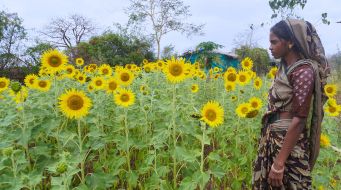
A glimpse of the Rabi harvest season from Chhattisgarh, featuring freshly harvest wheat and sunflowers from villages of Kolhuva, Temri etc.
Pastoralists of Maharashtra navigating climate change through mobility, indigenous knowledge, community-led action and ecological resilience.
Watershed management reveals how drought, groundwater depletion, soil stress, and unequal access reshape resilience long before visible crisis emerges.
Plant blindness may be biodiversity’s most overlooked threat. Here’s why learning to see plants could change everything for our planet.
Bees sustain our food, ecosystems, and economies. Discover why protecting pollinators is humanity’s most urgent environmental responsibility.
EbA strengthens ecological processes – restoring soil moisture, improving vegetation cover, enhancing water retention, and supporting biodiversity.
Discover how responsible AI innovations can protect ecosystems, empower vulnerable communities, tackle climate change, and support sustainable global development.
Ecohydrology unites ecology and hydrology to transform water management. Discover how it drives sustainability, ecosystem health, and resilient communities.