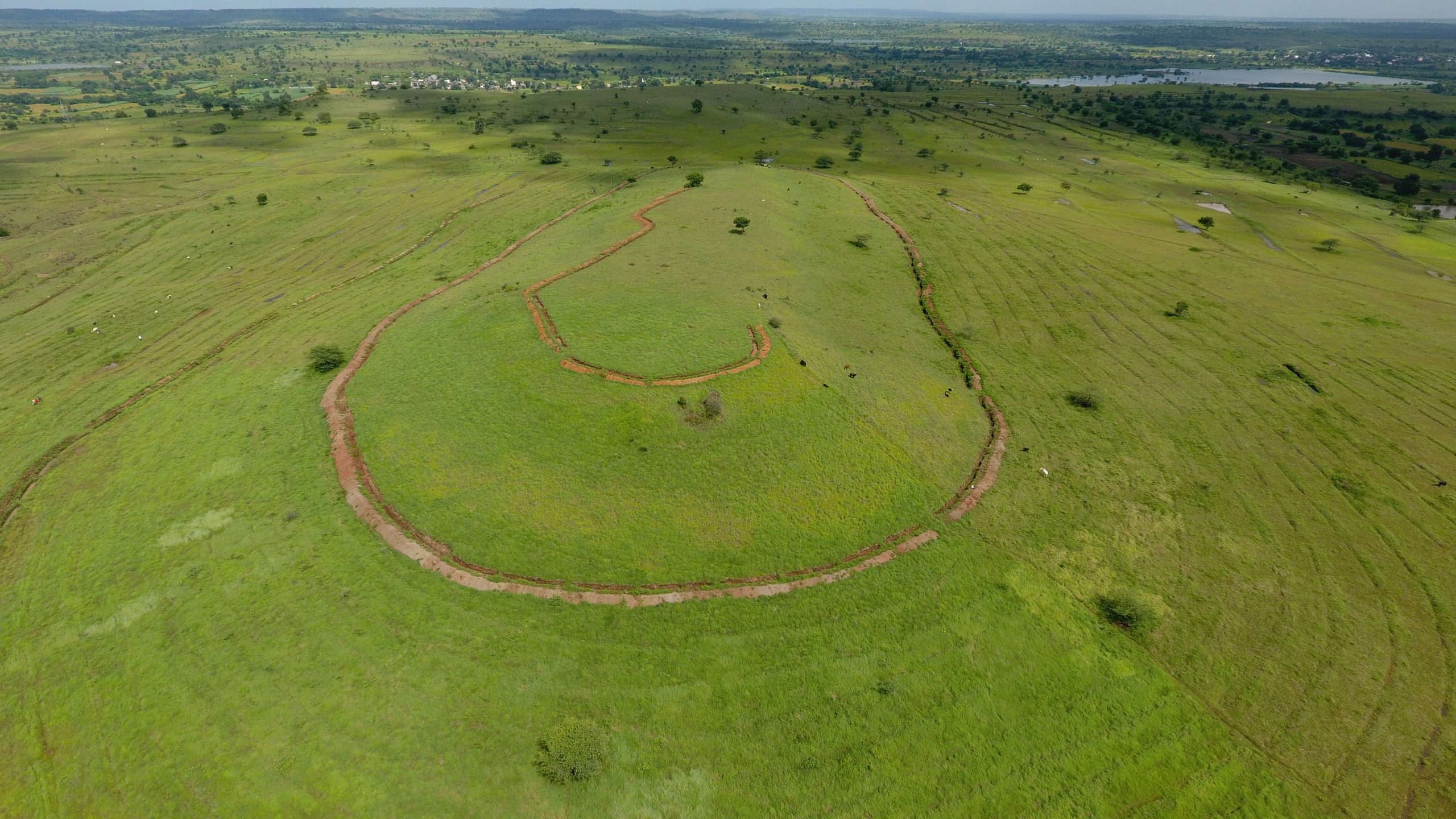
Watershed Development in India – Need and Scope
Enough has been said about the looming water crisis that is getting worse with each passing day. Despite all the warnings, the efforts for water

Enough has been said about the looming water crisis that is getting worse with each passing day. Despite all the warnings, the efforts for water
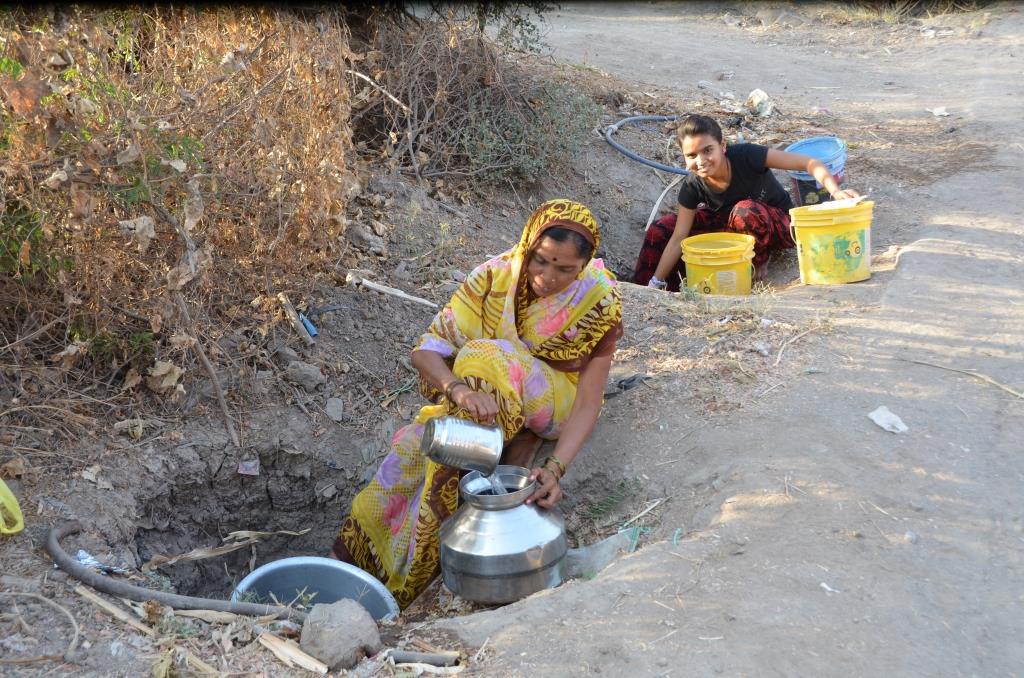
The water flowing beneath the surface is the largest source of fresh water on the planet. This “hidden resource” accounts for just 0.62% of the
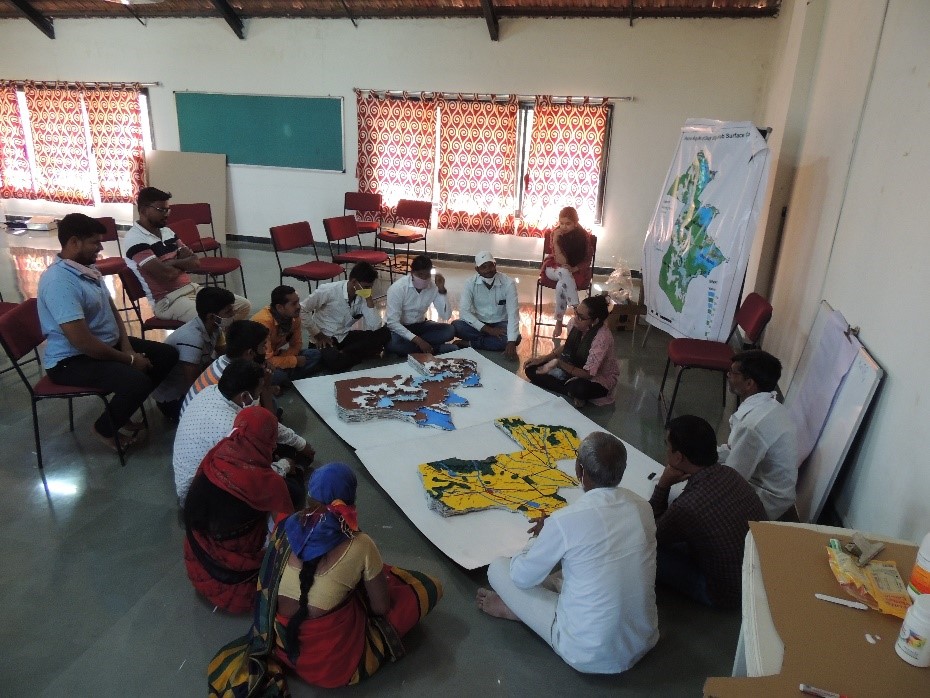
by Tanmay Pisolkar The state of Maharashtra has a wide range of rainfall patterns, ranging from 6000mm to 500mm. With 82 percent of the rural
by Arun Dahale Every single drop of water should be used efficiently. Maharashtra is an Indian state particularly vulnerable to climate change and facing water
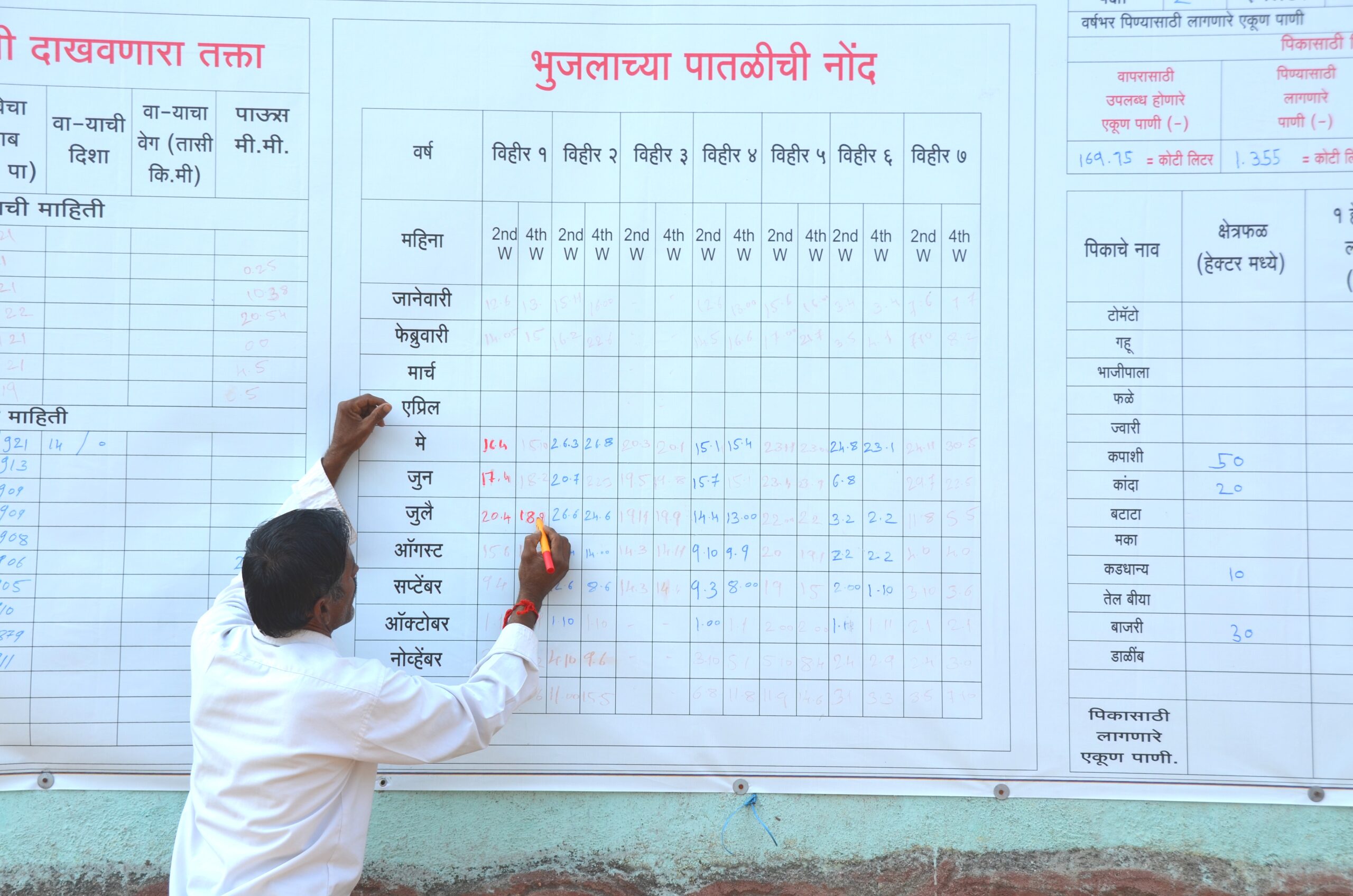
The Maharashtra Groundwater (Development and Management) Act 2009 presents an answer to some of the state’s water scarcity woes and is an important step towards sustainable groundwater management in the State. However, the institutional structure put forth by the Act is unwieldy and poorly outlined. There is a need for innovative institutional designs that would enable operationalization of this act. Given the informational and knowledge requirements for understanding groundwater, coupled with the challenges of mobilizing support for its sustainable management , there is a need to create a cadre of “jalsevaks”. These jalsevaks will work with communities to demystify groundwater, and navigate the complex socio-political terrain in order to arrive at more equitable and sustainable outcomes.
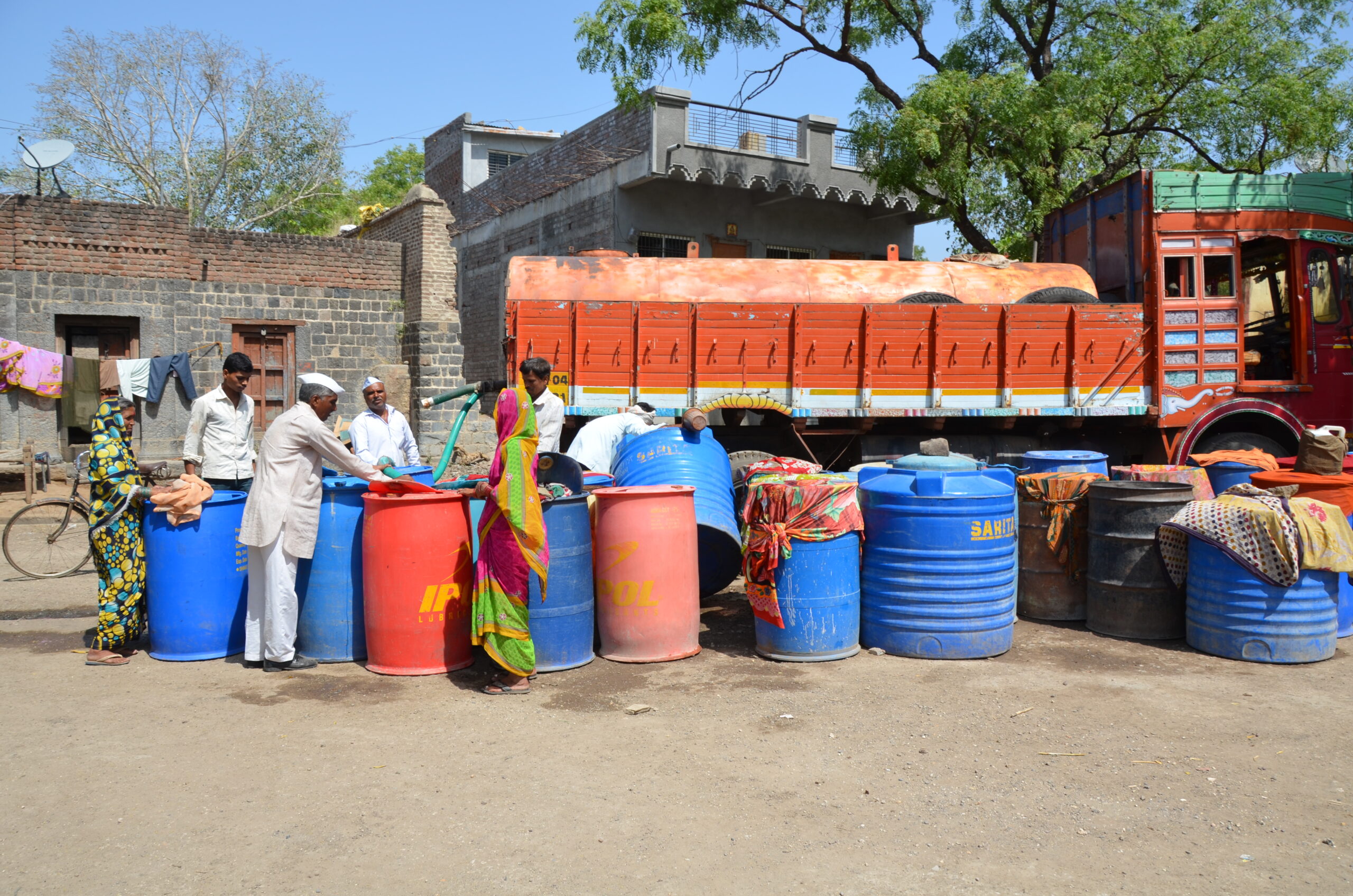
In Maharashtra, water scarcity has emerged as the crisis of our times. In many of the worst affected districts it has become a public order issue and the state authorities devote vast resources for providing drinking water. While consecutive droughts are the proximate cause of the crisis, the widespread unregulated exploitation of groundwater is a major underlying cause. While Maharashtra has attempted to regulate groundwater through legislation, implementation of the same remains a challenge. This post takes a look at the challenges for managing groundwater resources at the local level and how aspects of legislation and policy unfold on the ground.