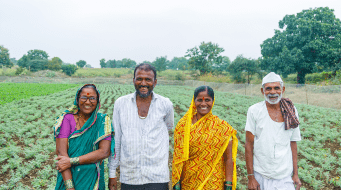
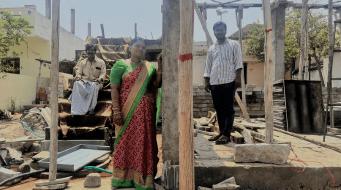
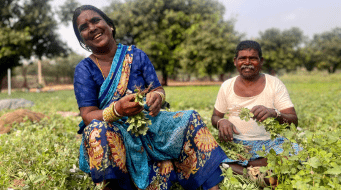
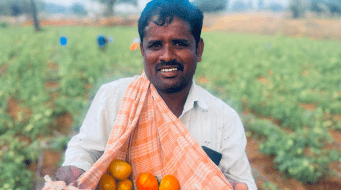
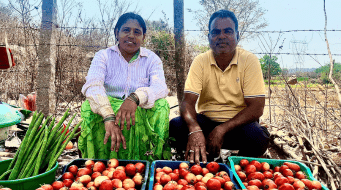
In Bhandar Kumta, Balaji Laxman Mule and his family have long faced water scarcity, limiting their farming to half the year. With the introduction of farm bunding, their well now retains water year-round, doubling their crop yields and income. The project with Wells Fargo in Bidar has brought profound change, turning their dream of water security into reality and enabling sustainable, year-round farming.
A Better Tomorrow
Stories, Practices, and Solutions
Through a watershed development project by Wells Fargo and WOTR, Lingi village, including farmer Bapurao Rajendra Patil’s land, transformed dramatically. Water structures like Water Absorption Trenches increased well water levels by 3 feet, enabling cultivation across all 15 acres year-round.
For Balaji Ajunshonde, farming is a way of life passed down through generations. After a devastating fire destroyed their harvest, assistance from Wells Fargo and WOTR brought renewed hope, boosting their income by 20% and transforming their resilience into a powerful story of recovery.
Three years ago, Maheshwaram Panduranga and his wife Manga faced a severe water crisis on their 3-acre farm in Loyapally, Telangana. With help from WOTR and HSBC, they constructed a farm pond, significantly improving water levels. They then ventured into fish farming, earning substantial profits and transforming their financial situation. The couple now enjoys a better lifestyle and serves as an inspiration for others in their village.
Polamoney Buchaya, 63, and his wife Bugamma, 54, transitioned to farming after Buchaya’s heart attack in 2020, cultivating green leafy vegetables on leased land. Supported by WOTR and HSBC, they adopted rainpipe irrigation, enhancing water efficiency and crop yield. This shift increased their earnings significantly, providing a steady income. Their success has inspired other farmers in their village to adopt similar practices.
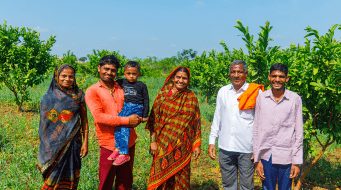
Godugu Krishna, a farmer in Telangana, transformed his 2.5-acre farm from debt-ridden to profitable through innovative water management and organic farming, supported by WOTR and HSBC. Initially reliant on rain-fed farming and struggling with high costs, Krishna adopted drip irrigation and diversified crops. This shift increased his yields and profits, allowing him to repay debts, expand into dairy production, and achieve financial stability. His success has turned skepticism into respect within his community.
When Kumpally Paapi Reddy and his wife K Venkata Laxmi started farming on rocky wasteland in Gaddamallaiahguda, Telangana, they were met with skepticism. Despite the challenges, they transformed the land through sheer determination and innovative practices. Partnering with WOTR and HSBC in 2020, they implemented water management strategies and shifted to organic farming.
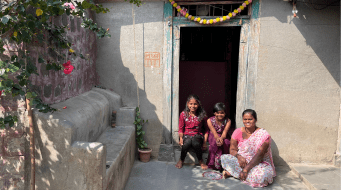
Eight years ago, Vidya Chavan’s husband went for a walk, and never returned. Broken by years of unproductive agriculture, made worse due to unpredictable weather patterns, he decided to end his life, leaving the responsibilities of running the five member household to his wife. Determined to provide for her three daughters, she started rebuilding her life.
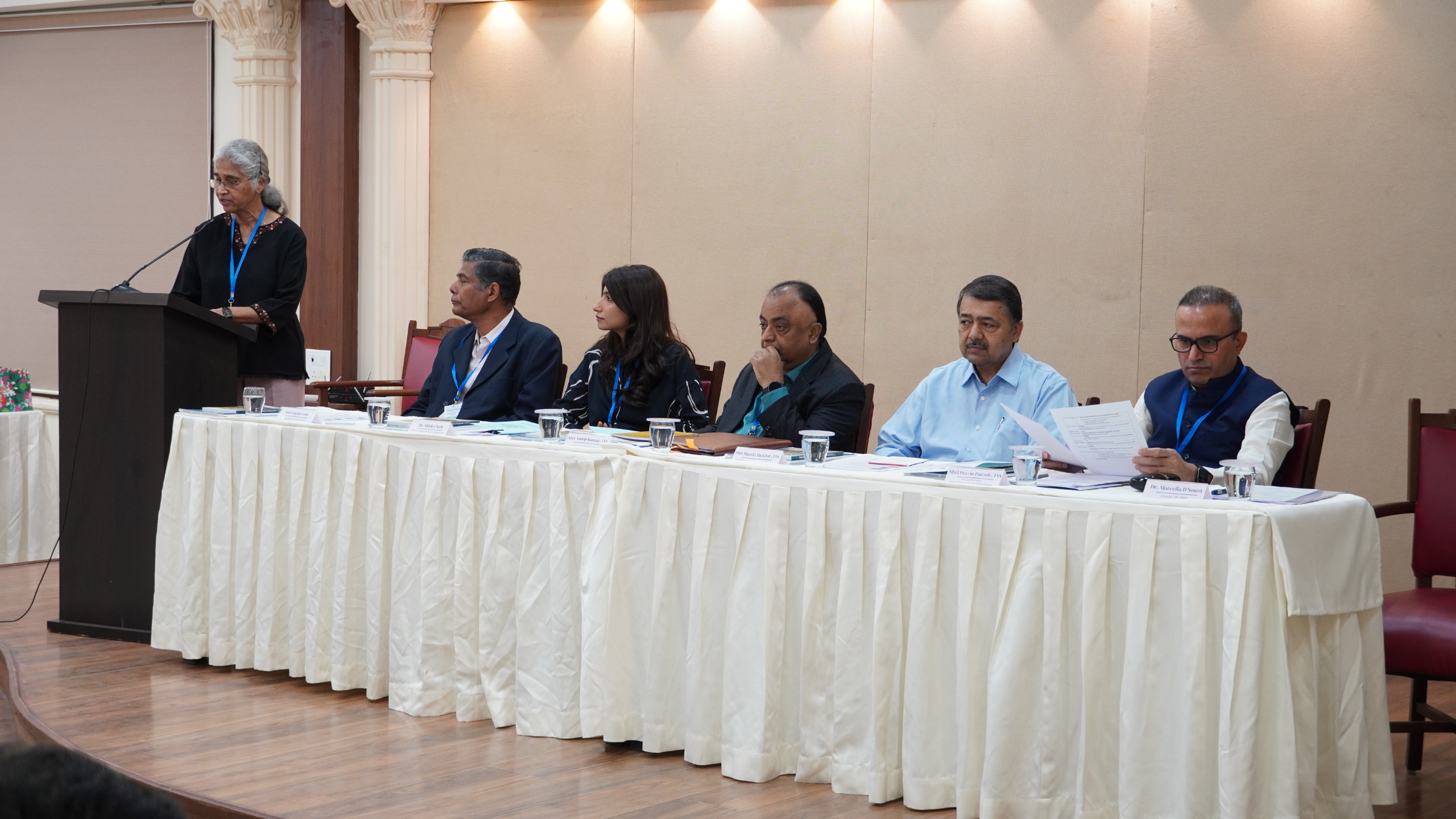
In response to Maharashtra’s deepening water crisis, a critical one-day workshop titled ‘Securing water in the time of climate change through natural ecosystems management” brought together leading experts, policymakers, and stakeholders on March 21, 2024.
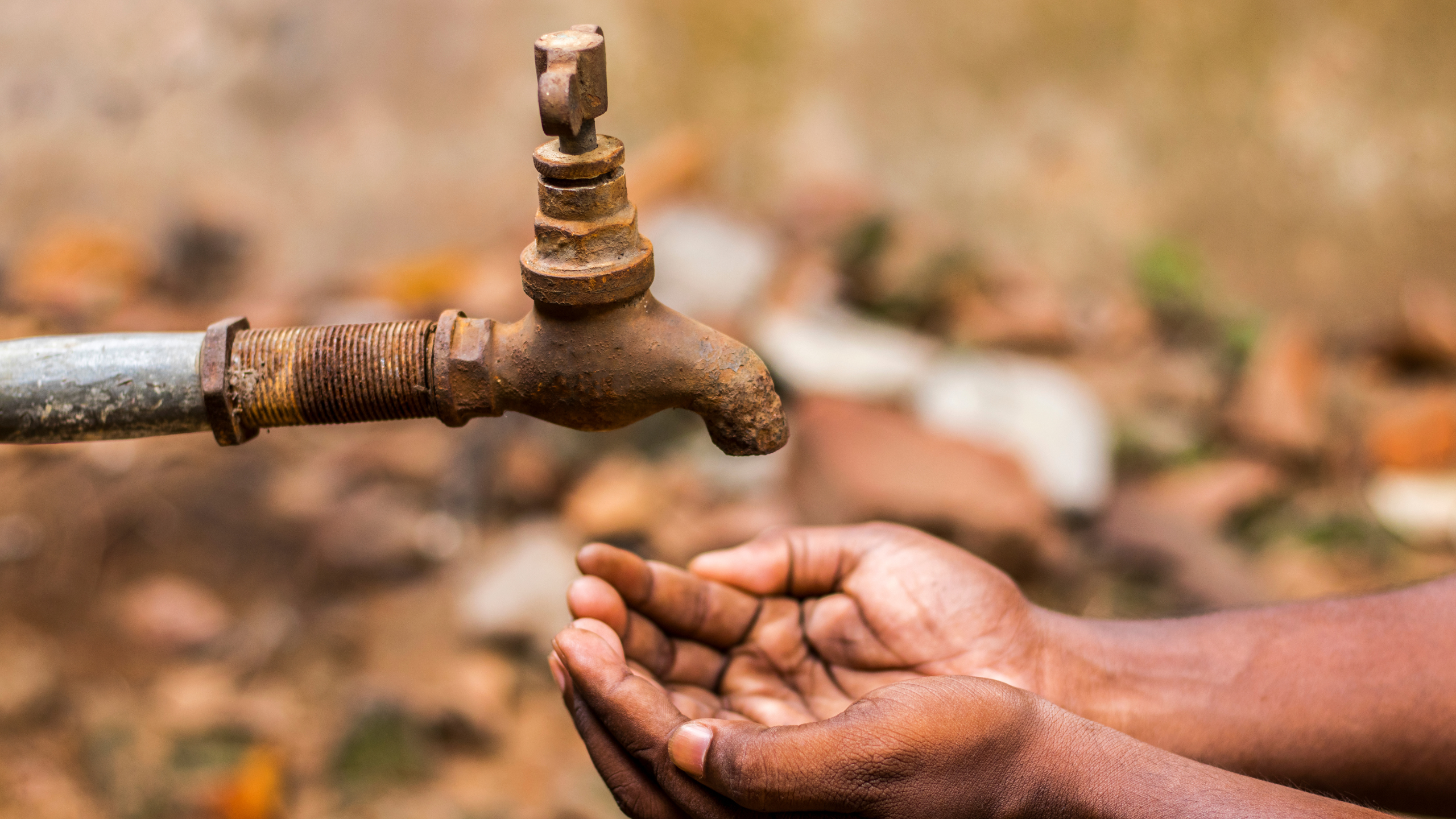
As the world’s most populous nation now, India grapples with a complex water security challenge. While blessed with diverse water resources from snow-capped mountains to perennial rivers, the story of per capita water availability paints a concerning picture.
In Bhandar Kumta, Balaji Laxman Mule and his family have long faced water scarcity, limiting their farming to half the year. With the introduction of farm bunding, their well now retains water year-round, doubling their crop yields and income. The project with Wells Fargo in Bidar has brought profound change, turning their dream of water security into reality and enabling sustainable, year-round farming.
Through a watershed development project by Wells Fargo and WOTR, Lingi village, including farmer Bapurao Rajendra Patil’s land, transformed dramatically. Water structures like Water Absorption Trenches increased well water levels by 3 feet, enabling cultivation across all 15 acres year-round.
For Balaji Ajunshonde, farming is a way of life passed down through generations. After a devastating fire destroyed their harvest, assistance from Wells Fargo and WOTR brought renewed hope, boosting their income by 20% and transforming their resilience into a powerful story of recovery.
Three years ago, Maheshwaram Panduranga and his wife Manga faced a severe water crisis on their 3-acre farm in Loyapally, Telangana. With help from WOTR and HSBC, they constructed a farm pond, significantly improving water levels. They then ventured into fish farming, earning substantial profits and transforming their financial situation. The couple now enjoys a better lifestyle and serves as an inspiration for others in their village.
Polamoney Buchaya, 63, and his wife Bugamma, 54, transitioned to farming after Buchaya’s heart attack in 2020, cultivating green leafy vegetables on leased land. Supported by WOTR and HSBC, they adopted rainpipe irrigation, enhancing water efficiency and crop yield. This shift increased their earnings significantly, providing a steady income. Their success has inspired other farmers in their village to adopt similar practices.
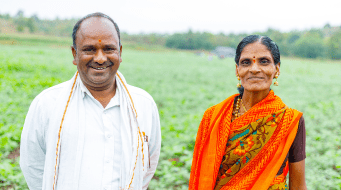
Godugu Krishna, a farmer in Telangana, transformed his 2.5-acre farm from debt-ridden to profitable through innovative water management and organic farming, supported by WOTR and HSBC. Initially reliant on rain-fed farming and struggling with high costs, Krishna adopted drip irrigation and diversified crops. This shift increased his yields and profits, allowing him to repay debts, expand into dairy production, and achieve financial stability. His success has turned skepticism into respect within his community.
When Kumpally Paapi Reddy and his wife K Venkata Laxmi started farming on rocky wasteland in Gaddamallaiahguda, Telangana, they were met with skepticism. Despite the challenges, they transformed the land through sheer determination and innovative practices. Partnering with WOTR and HSBC in 2020, they implemented water management strategies and shifted to organic farming.
Eight years ago, Vidya Chavan’s husband went for a walk, and never returned. Broken by years of unproductive agriculture, made worse due to unpredictable weather patterns, he decided to end his life, leaving the responsibilities of running the five member household to his wife. Determined to provide for her three daughters, she started rebuilding her life.
In response to Maharashtra’s deepening water crisis, a critical one-day workshop titled ‘Securing water in the time of climate change through natural ecosystems management” brought together leading experts, policymakers, and stakeholders on March 21, 2024.
As the world’s most populous nation now, India grapples with a complex water security challenge. While blessed with diverse water resources from snow-capped mountains to perennial rivers, the story of per capita water availability paints a concerning picture.
By Categories
By Tags
El Niño exposes hidden economic costs of degraded ecosystems, revealing why water stewardship and natural capital investment strengthen rural climate resilience.
Crop simulation reveals a startling truth: without adaptation, South Asian farmers could lose up to half their harvest by 2047. How can simulation help with adaptation?
Explore how 3D mapping of aquifers changed how Mhaswandi and Masai practice water stewardship.
Mangroves do far more than store carbon. They’re coastal shields, fish nurseries, biodiversity havens, and living systems tied to millions of lives.
How climate change affects women farmers in India, and the solutions they are building for a more resilient future.
Observed every year on 16 July, World Snake Day aims to dispel myths and raise awareness about one of the most misunderstood creatures on Earth.
This film tells the story of what changed when over 11,800 farmers came together to build their own Farmer Producer Companies
A tree planted is not a tree grown. The 6R approach helps turn plantation drives into lasting forests.