A systems approach to rural resilience integrating climate, water, agriculture, and community-led science for sustainable development through participatory research and dialogue.
A Better Tomorrow
Stories, Practices, and Solutions
The gap between reported data and ground realities is often vast in the rural development sector. Sujata Tripathy writes why real-time data is important which highlights not just the numbers but also the qualitative aspects of development.
Discover how Pashu Sakhi members transform rural India through doorstep livestock care, stronger livelihoods, healthier animals, and resilient farming communities.
Exploring sustainable farming, social inequality, and policy failures, urging humility and community-led solutions in agriculture and development sector with Dr Divya Veluguri.
Explore WOTR’s 13-year journey across villages in Odisha, reaching over one lakh people through community-led watershed and livelihood interventions.
Read a collection blogs which brings together five stories from WOTR’s blog, shaped by the everyday lives, struggles, and choices of people in rural India. Told from the ground up, these pieces reflect moments of resilience, learning, and collective effort around water, livelihoods, and social change.
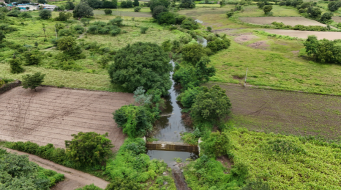
A water storage capacity of 2.5 million litres was created, bringing 64.25 acres of barren land back under cultivation while reducing soil erosion and improving groundwater recharge.
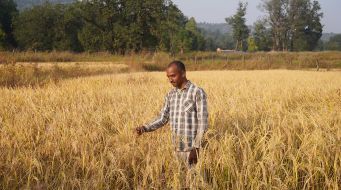
32-year-old Menej Raito of Kumbhijal village in Odisha’s Rayagada district earn an income in his own village and does not need to migrate anymore.
Pashu Sakhi initiative empowers rural women as para-vets, improving livestock health, boosting incomes, and strengthening climate-resilient rural livelihoods.
A socio-technical watershed approach helped communities restore ecosystems, strengthen institutions and secure livelihoods, creating resilience that has endured for generations.
A systems approach to rural resilience integrating climate, water, agriculture, and community-led science for sustainable development through participatory research and dialogue.
The gap between reported data and ground realities is often vast in the rural development sector. Sujata Tripathy writes why real-time data is important which highlights not just the numbers but also the qualitative aspects of development.
Discover how Pashu Sakhi members transform rural India through doorstep livestock care, stronger livelihoods, healthier animals, and resilient farming communities.
Exploring sustainable farming, social inequality, and policy failures, urging humility and community-led solutions in agriculture and development sector with Dr Divya Veluguri.
Explore WOTR’s 13-year journey across villages in Odisha, reaching over one lakh people through community-led watershed and livelihood interventions.
Read a collection blogs which brings together five stories from WOTR’s blog, shaped by the everyday lives, struggles, and choices of people in rural India. Told from the ground up, these pieces reflect moments of resilience, learning, and collective effort around water, livelihoods, and social change.
A water storage capacity of 2.5 million litres was created, bringing 64.25 acres of barren land back under cultivation while reducing soil erosion and improving groundwater recharge.
32-year-old Menej Raito of Kumbhijal village in Odisha’s Rayagada district earn an income in his own village and does not need to migrate anymore.
Pashu Sakhi initiative empowers rural women as para-vets, improving livestock health, boosting incomes, and strengthening climate-resilient rural livelihoods.
A socio-technical watershed approach helped communities restore ecosystems, strengthen institutions and secure livelihoods, creating resilience that has endured for generations.
By Categories
By Tags
Fruit and vegetable farming helps Chhattisgarh farmers earn more, adopt organic methods, and build climate-resilient, diversified agricultural livelihoods.
How community-Led Irrigation helped Ramgarh farmers secure year-round water, increase crop diversity, strengthen livelihoods, and inspire collective action.
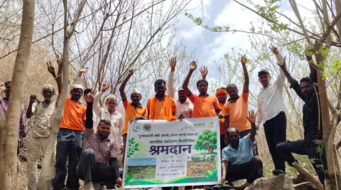
619 residents from 45 villages villages came together for World Environment Day to build water capacities in an El Niño Year.
El Niño is often blamed for weak monsoons and droughts. Discover how it really influences India’s rainfall, agriculture, water security, and resilience.
Global Forest Goals Report 2026 reveals critical gaps in forest conservation, financing, and livelihoods, highlighting urgent action before 2030.
Climate adaptation needs collective action. ECOBARI unites ecosystems, livelihoods, and communities to build nature-based resilience across rural India.
Climate Resilience is possible when people work with nature. Learn how wetlands, forests, renewable energy, and communities are shaping a sustainable future.
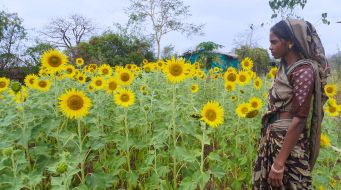
A glimpse of the Rabi harvest season from Chhattisgarh, featuring freshly harvest wheat and sunflowers from villages of Kolhuva, Temri etc.