The research highlights the need for time and context specific climate stress moments to help farmers respond to climate change.
A Better Tomorrow
Stories, Practices, and Solutions
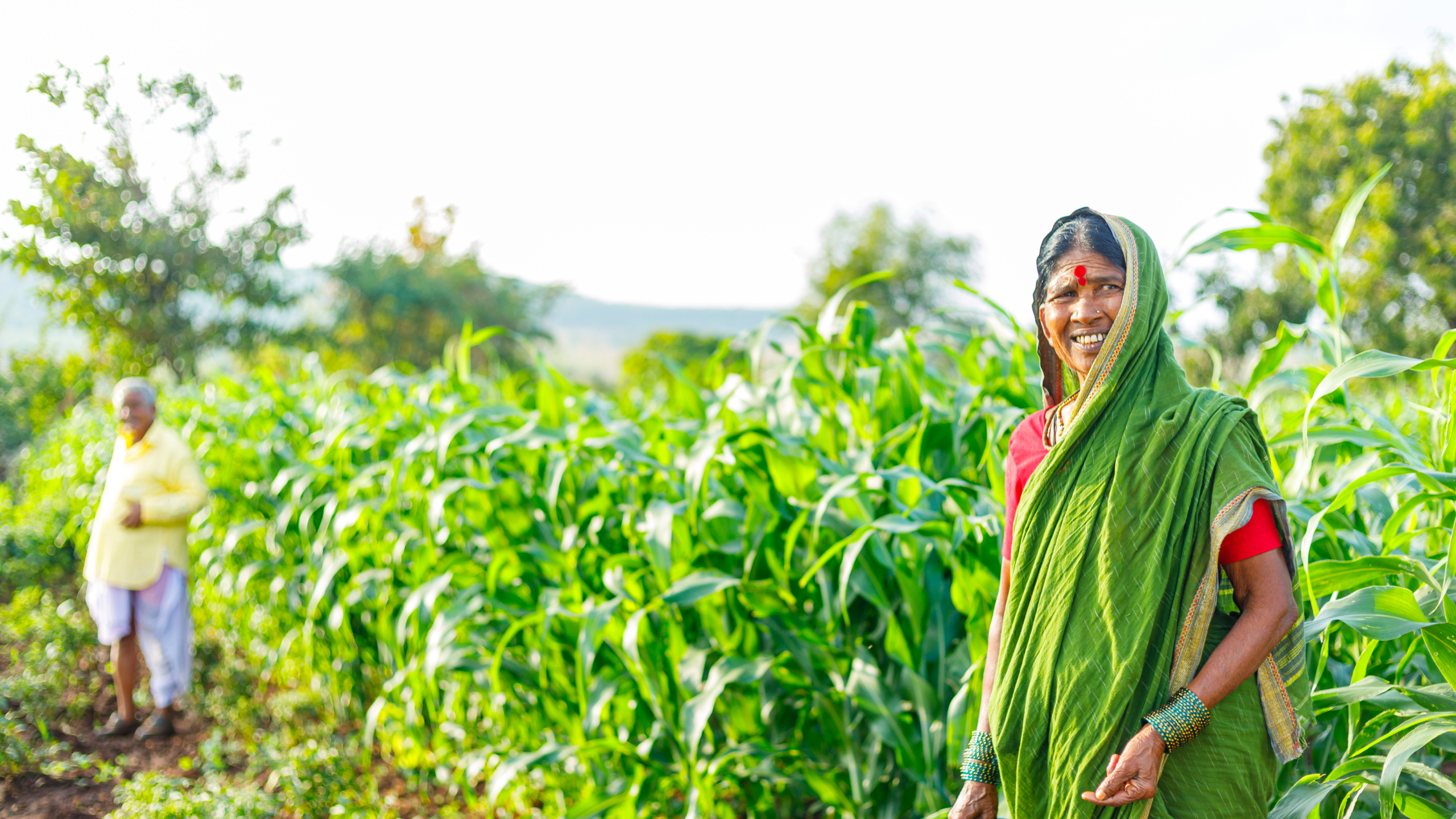
Bireng Soy’s journey began with early marriage and motherhood at 16, forcing her to leave school. With three children to care for and limited land for farming, life grew increasingly challenging. Her husband’s alcoholism worsened their financial strain, leaving Soy as the sole provider. Joining a self-help group led her to WOTR, where she became a community worker promoting sustainable agriculture. Since 2019, she’s been a Krishi Wasundhara Sevika, guiding farming communities towards organic farming through the Axis Bank Foundation’s Sustainable Livelihoods Programme.
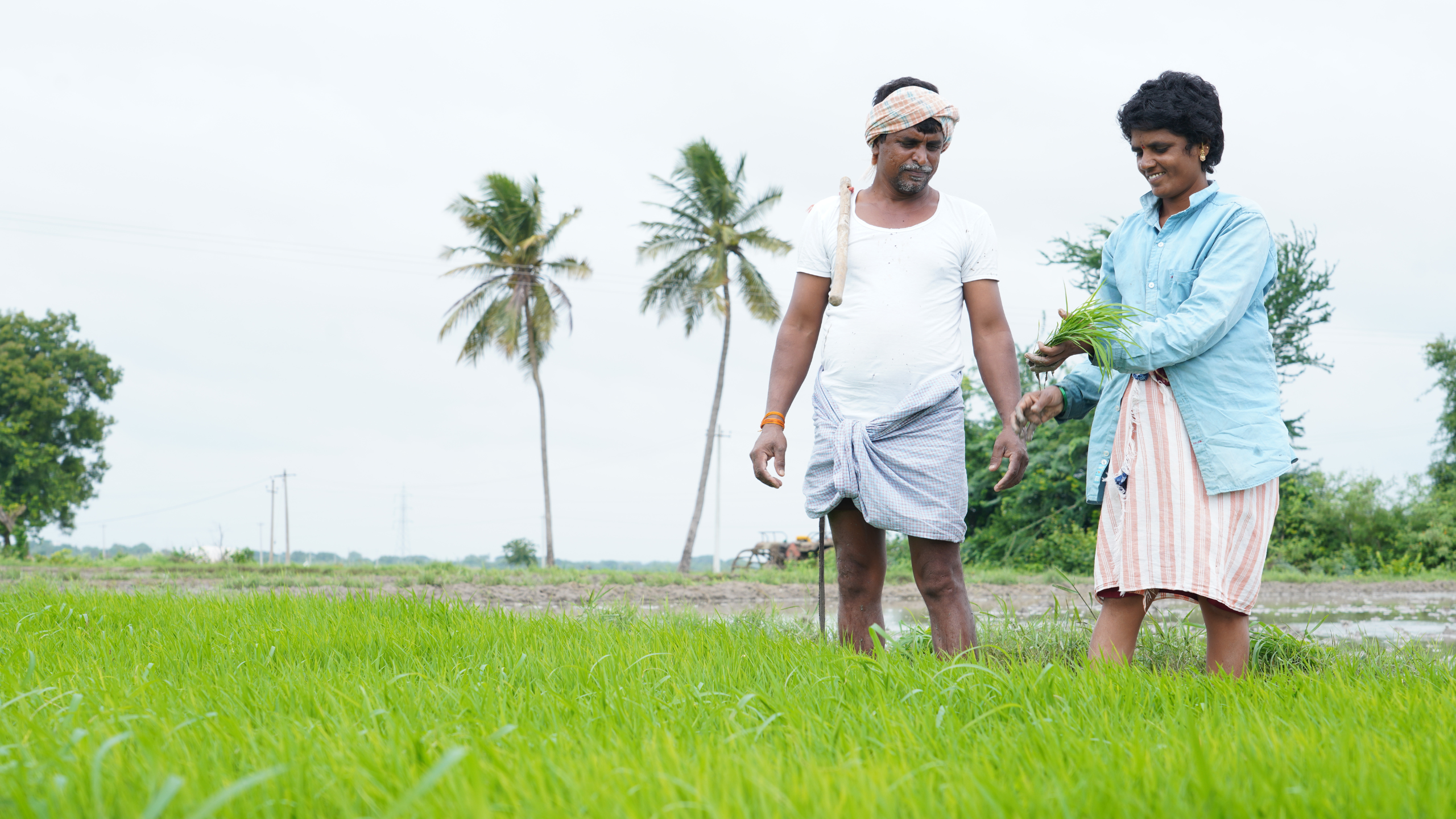
In the face of climate change challenges, farmers in Appireddypally, Telangana, were struggling with dwindling yields and migration. The Rural Livelihoods Project by Axis Bank Foundation and WOTR brought hope through the formation of a Mutual Aided Cooperative Society (MACS). Despite initial hesitation, farmers united to establish the ‘Sri Jeevanadhara Paraspara Rythu Sahakara Sangam Limited’ MACS.
Aligned with WOTR’s mission to enhance the livelihoods of small and marginalised farmers, FPOs facilitate collective action, promote sustainable farming practices, and provide better market access. This article outlines the critical role FPOs play in strengthening food systems and ensuring food security and highlights their relevance to WOTR’s initiatives.
IndusInd Bank’s CSR initiative in Dharashiv district empowers small farmers through the establishment of the Jalpriya Farmer Producer Organization (FPO), demonstrating remarkable growth in turnover and innovative solutions to agricultural challenges, setting a precedent for sustainable rural development in the region.
In just 4 months, eight FPOs, part of the Central Sector Scheme, in collaboration with the Government of India’s Ministry of Agriculture & Farmers Welfare and NABARD, achieved a Rs. 3.82 crore turnover, showcasing remarkable agricultural innovation and community-led progress.
The Indian Government has already established an ambitious target of registering 10,000 FPOs, bringing together more than 1 million farmers as members. These FPOs serve as a critical catalyst in not only doubling farmers’ income from agriculture
A webinar on ‘Promoting FPOs for resilient incomes and sustainable farming practices in India’ brought together practitioners and experts to discuss emergent challenges and opportunities related to Farmer Producer Organisations (FPOs) and
The research highlights the need for time and context specific climate stress moments to help farmers respond to climate change.
Bireng Soy’s journey began with early marriage and motherhood at 16, forcing her to leave school. With three children to care for and limited land for farming, life grew increasingly challenging. Her husband’s alcoholism worsened their financial strain, leaving Soy as the sole provider. Joining a self-help group led her to WOTR, where she became a community worker promoting sustainable agriculture. Since 2019, she’s been a Krishi Wasundhara Sevika, guiding farming communities towards organic farming through the Axis Bank Foundation’s Sustainable Livelihoods Programme.
In the face of climate change challenges, farmers in Appireddypally, Telangana, were struggling with dwindling yields and migration. The Rural Livelihoods Project by Axis Bank Foundation and WOTR brought hope through the formation of a Mutual Aided Cooperative Society (MACS). Despite initial hesitation, farmers united to establish the ‘Sri Jeevanadhara Paraspara Rythu Sahakara Sangam Limited’ MACS.
Aligned with WOTR’s mission to enhance the livelihoods of small and marginalised farmers, FPOs facilitate collective action, promote sustainable farming practices, and provide better market access. This article outlines the critical role FPOs play in strengthening food systems and ensuring food security and highlights their relevance to WOTR’s initiatives.
IndusInd Bank’s CSR initiative in Dharashiv district empowers small farmers through the establishment of the Jalpriya Farmer Producer Organization (FPO), demonstrating remarkable growth in turnover and innovative solutions to agricultural challenges, setting a precedent for sustainable rural development in the region.
In just 4 months, eight FPOs, part of the Central Sector Scheme, in collaboration with the Government of India’s Ministry of Agriculture & Farmers Welfare and NABARD, achieved a Rs. 3.82 crore turnover, showcasing remarkable agricultural innovation and community-led progress.
The Indian Government has already established an ambitious target of registering 10,000 FPOs, bringing together more than 1 million farmers as members. These FPOs serve as a critical catalyst in not only doubling farmers’ income from agriculture
A webinar on ‘Promoting FPOs for resilient incomes and sustainable farming practices in India’ brought together practitioners and experts to discuss emergent challenges and opportunities related to Farmer Producer Organisations (FPOs) and
By Categories
By Tags
How planning and implementation of ecosystem-based adaptation (EbA) and agroecology principles in arid or semi-arid regions can help address the growing impacts of climate change.
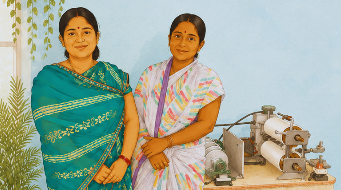
Two mothers in drought-hit Marathwada built a papad enterprise with WOTR and Standard Chartered Bank, paying school fees for their children.
COP17 put a simple question to the world’s drought experts: can lost land be restored? WOTR’s watersheds may hold the answer.
Mango orchards are improving rural livelihoods in Chhattisgarh, creating resilient farms, diverse incomes, and long-term opportunities for farming communities.
Drawing on WOTR’s grassroots experience, this piece explores the powerful connection between water security, ecosystem restoration, agriculture and nutrition security in rural India.
Exploring World Water Week through our interventions in implementing ecohydrology-based Nature-based Solutions in Maharashtra and Telangana
This World Water Week, explore how water access shapes pastoral livelihoods, migration routes and resilience across India’s changing landscapes.