A new policy brief calls for integrated land restoration that unites science, tradition, and policy for sustainable growth.
A Better Tomorrow
Stories, Practices, and Solutions
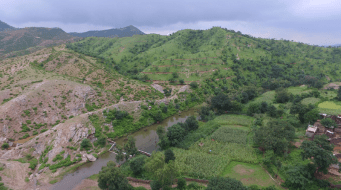
At this year’s IUCN World Conservation Congress in Abu Dhabi, a new global report was released that carries an important message for our planet: to restore the land, we must first reconnect it.
Just as a successful film relies on the combined talent of many contributors, the restoration of soils, watersheds, and landscapes depends on the collective energy of diverse stakeholders.
On the occasion of World Environment Day, this blog underscores the pressing necessity for present and upcoming generations to address land degradation and desertification. With 40% of the world’s land degraded and impacting half of the global population, prompt action is imperative.
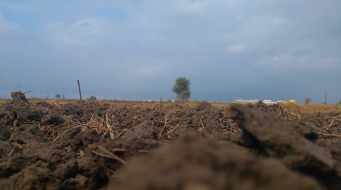
The fertile soil that sustains Indian agriculture is under siege. Unsustainable land-use practices have long contributed to its decline. Today, climate change is a powerful catalyst, intensifying soil degradation and erosion with alarming consequences. Safeguarding India’s soils is a fight against both climate change and food insecurity.
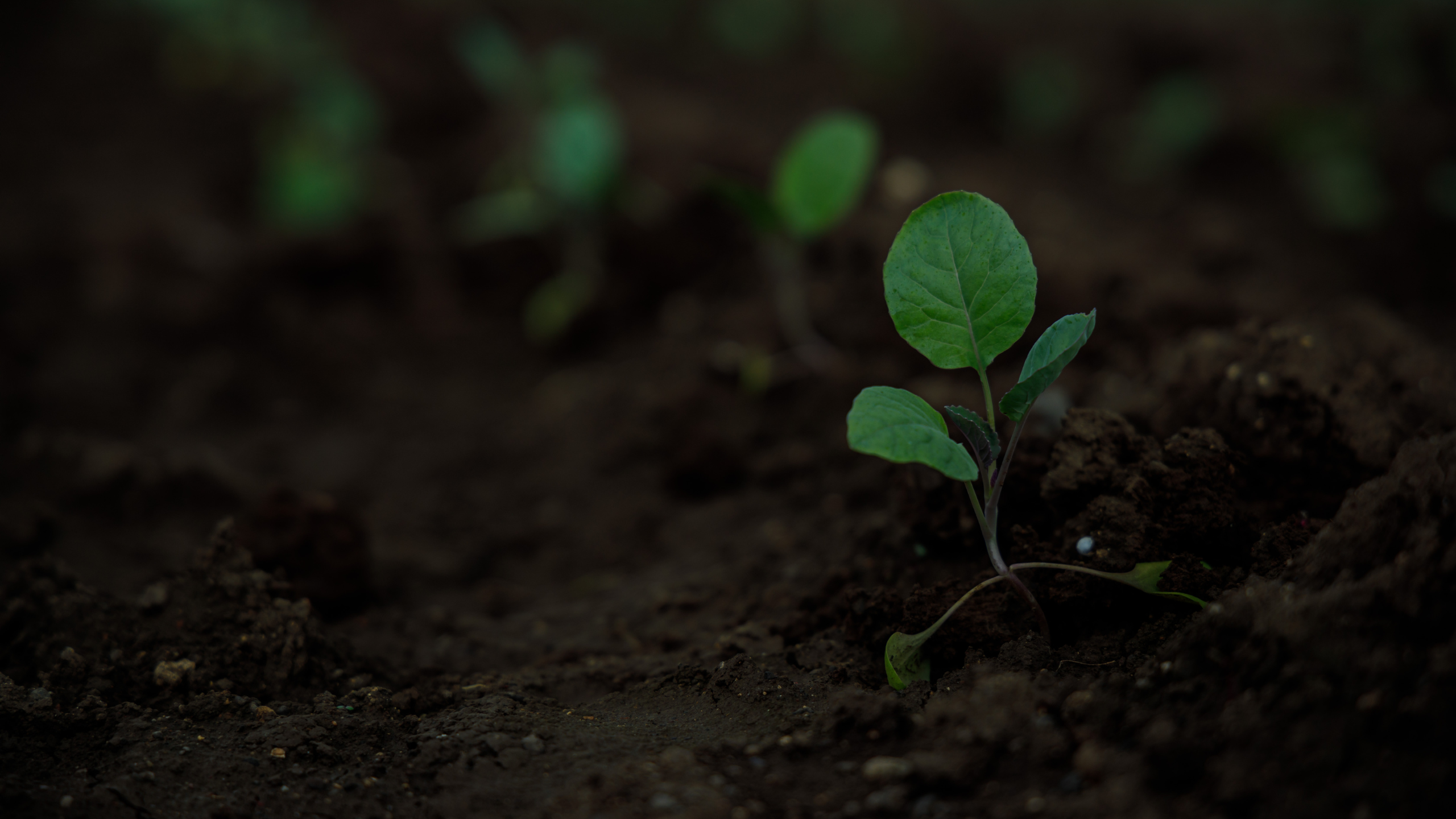
The resurgence of organic fertilisers is not just a trend but a necessity, a clarion call to mend the ruptured ties with nature and tread a path of sustainable and inclusive growth.
Our constitutional forefathers, with their far-sighted vision, had foreseen the crucial role of trees in mitigating the future implications of climate change. Recognising the need to create enthusiasm among people towards conservation, they initiated ‘Van
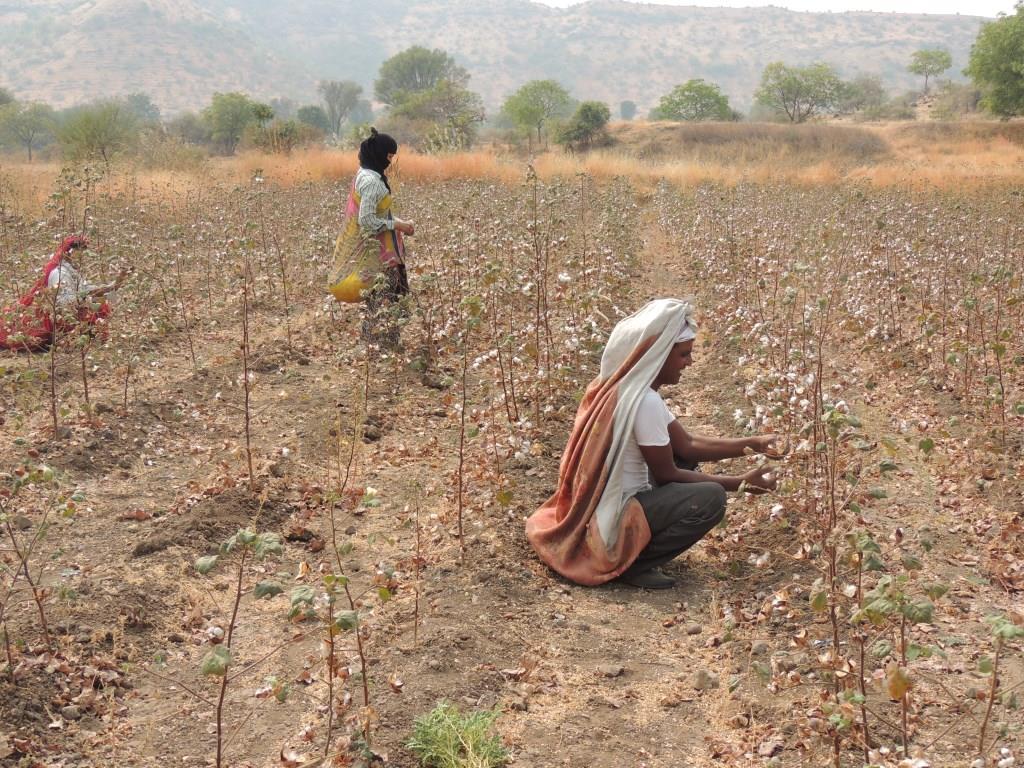
India is the second largest producer of rice, wheat, sugarcane, groundnut, vegetables, fruit, and cotton and the largest producer of milk, pulses, and jute in the world. As an agrarian country, 70% of India’s rural population depends on agriculture as their
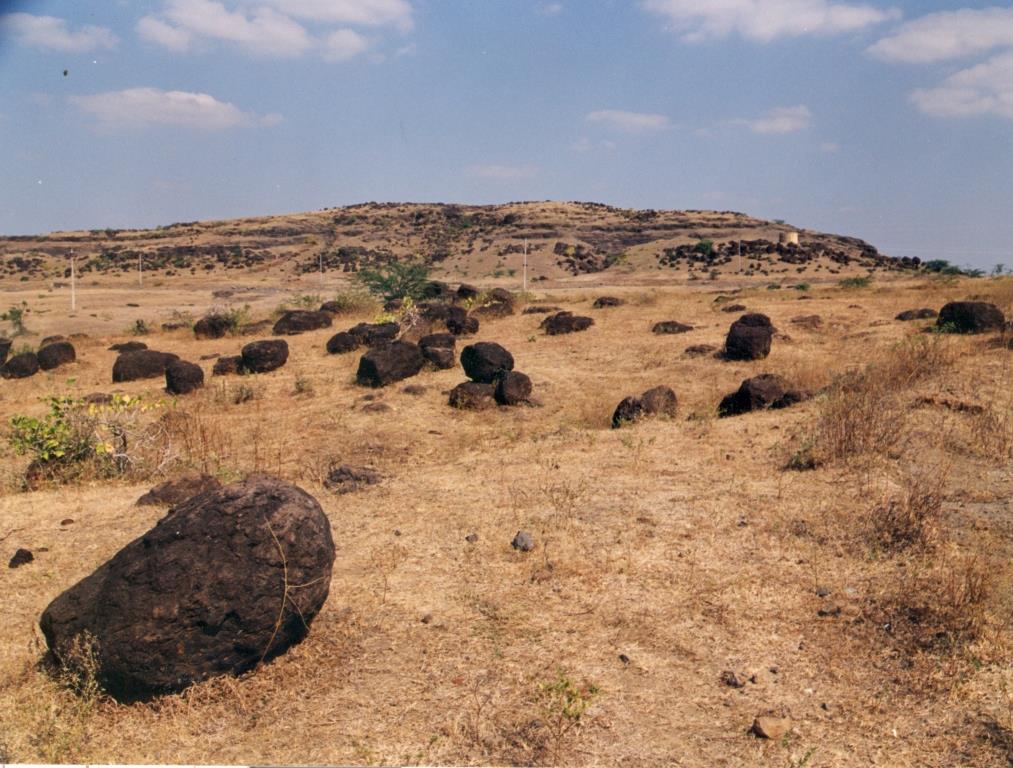
Land resources are vital in supporting physical, social, and economic infrastructure and activities. Functions such as agriculture, watershed management, forestation, mining, transport, and development
By Categories
By Tags
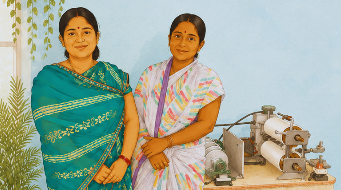
Community-led solar irrigation in Padardi Village boosting crop yields, enhancing household incomes, empowering women, and driving climate-resilient, sustainable rural development in Rajasthan.
A reflection on WOTR’s 32-year journey translating grassroot watershed and climate resilience practice & research into state and national policies.
Monocropping’s long-term impacts on soil, pests, and farmer incomes are explored through insights from Nitin Kumbhar, highlighting sustainable alternatives, diversification strategies, and pathways to climate-resilient agriculture in India.
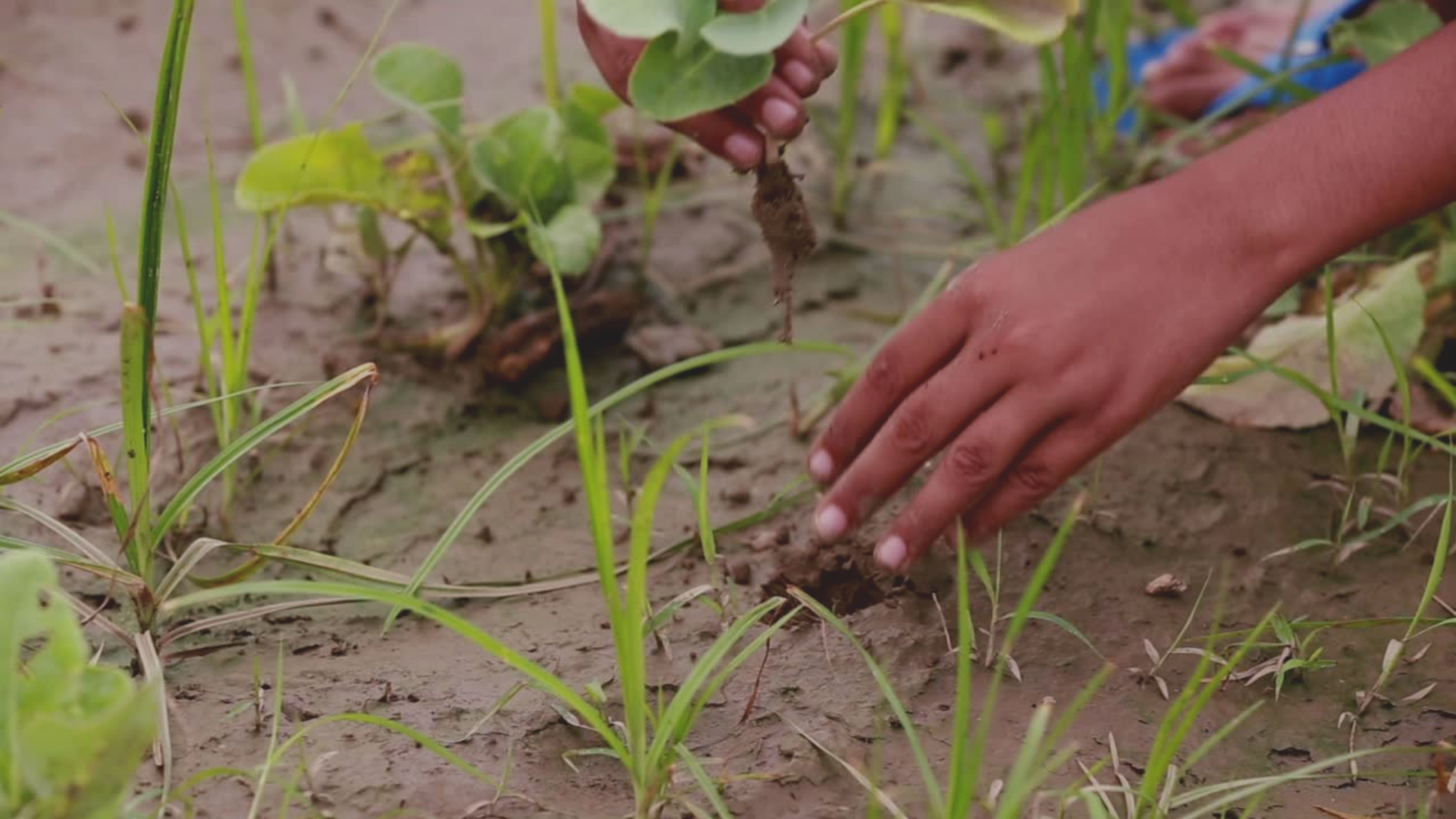
A family in Odisha rebuilds their lives after a tragic accident, using community support to start a small shop that restores their livelihood, dignity, and hope.
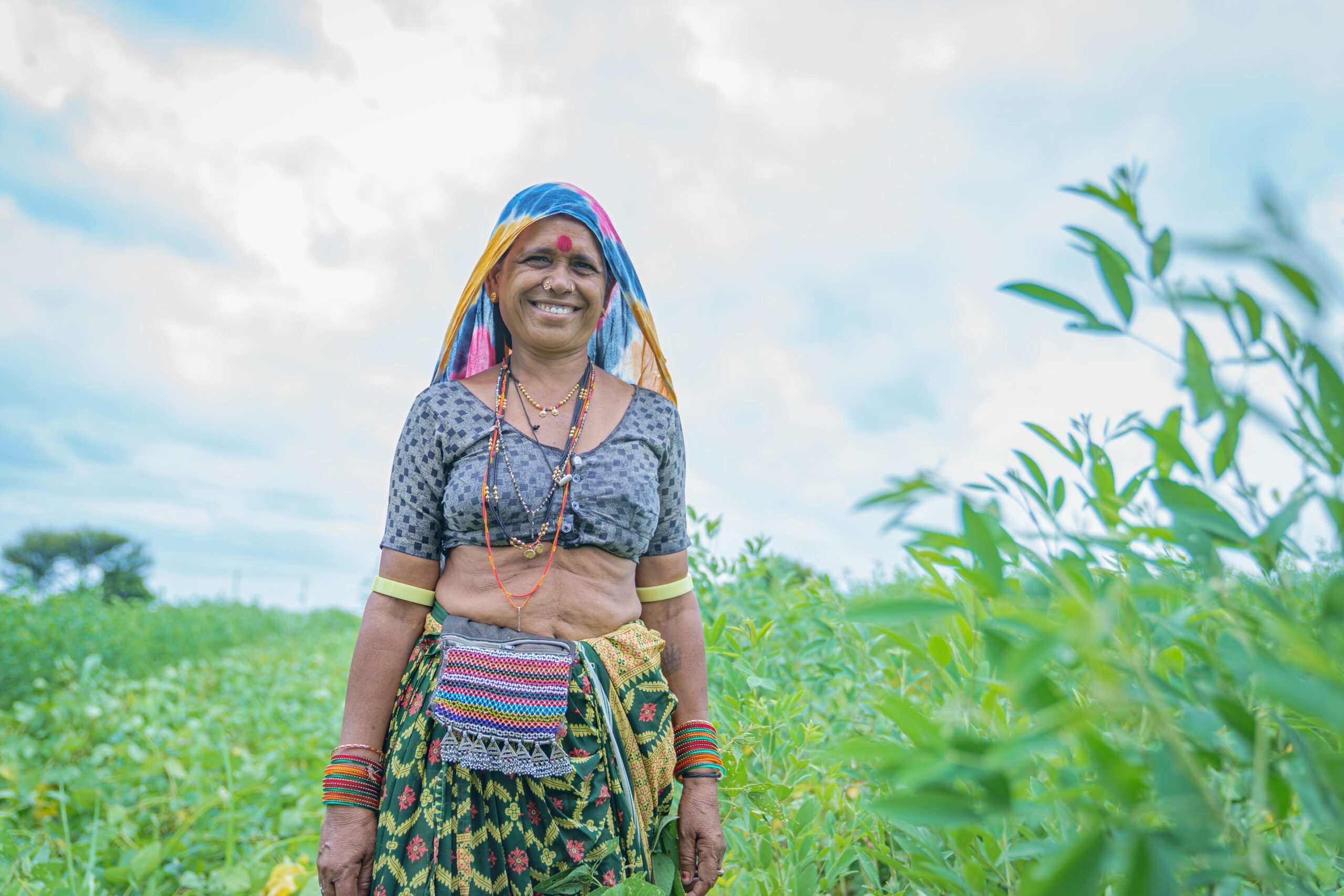
A glimpse into the cultural practices and land-based traditions of tribal communities in WOTR’s project regions.
Drawing from work with smallholder farmers—from Kumbharwadi in Maharashtra to Madaul in Odisha—WOTR has contributed key experiences, insights, and evidence to the Stories of Resilience 2025, a publication launched by the Global Centre on Adaptation (GCA) at the United Nations Climate Change Conference in Belém, Brazil.
How can smallholders farm fish while safeguarding their local ecosystems? One promising answer lies in farm ponds.
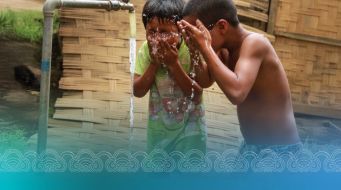
Read how a school, and ultimately an entire village in Maharashtra, was transformed with clean toilets