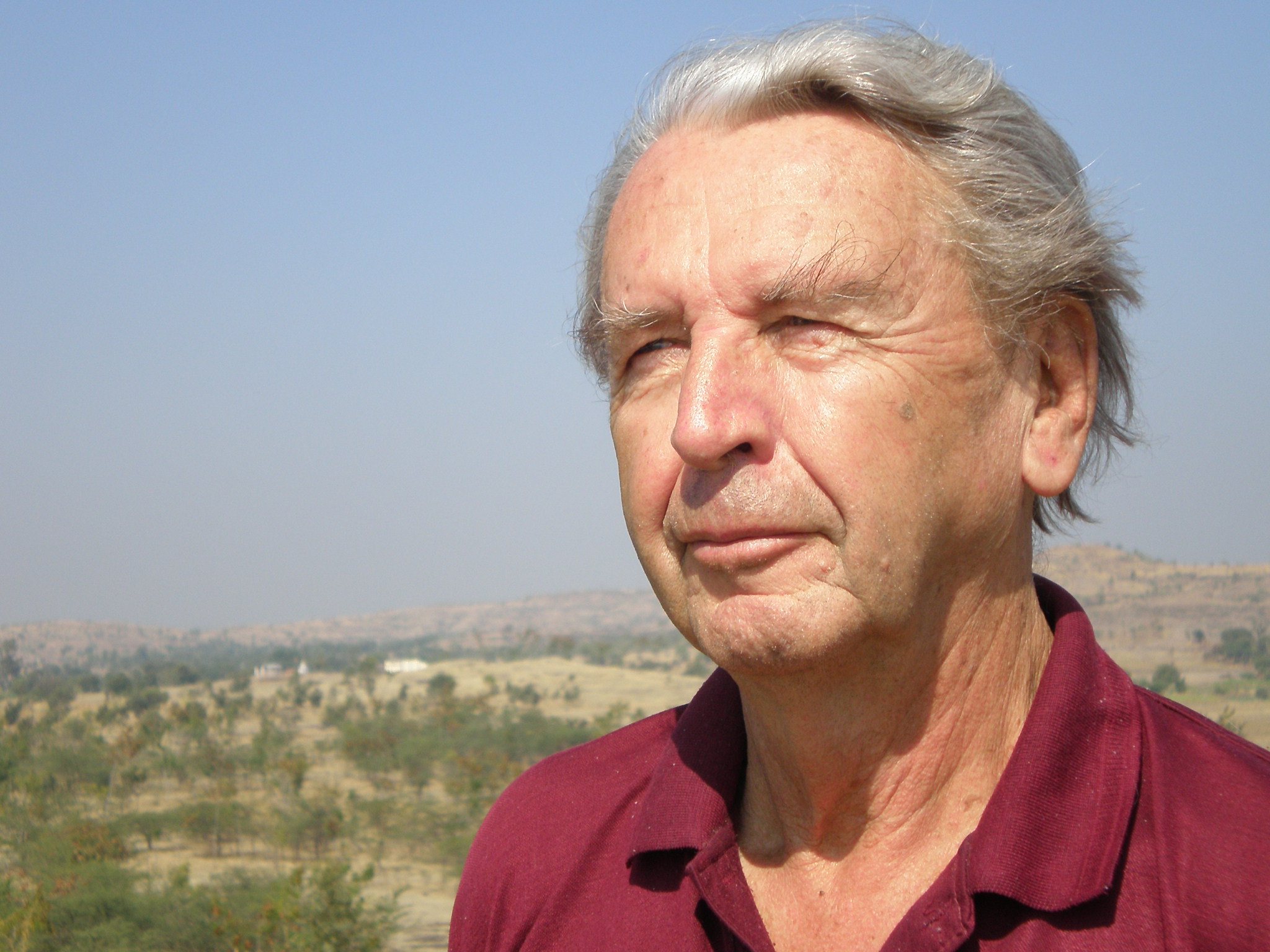
Hermann Bacher, popularly known as Bacher Baba or Father Bacher, initiated the people-led watershed movement in rural India, working tirelessly for the upliftment of the poor and marginalised communities. When Maharashtra was hit by a
Enough has been said about the looming water crisis that is getting worse with each passing day. Despite all the warnings, the efforts for water conservation and management have been abysmally sluggish. The situation is even more
The repercussions of climate change are becoming increasingly real and frightening with each passing day. While global warming has had a significant impact on modern agriculture, interestingly, the sector is also one of the contributors to climate
We only have one earth – only one place in the whole wide world that we can call home. An earth to live, laugh, grow, and breathe in. The slogan, ‘Only One Earth’, at the 1972 Stockholm conference rings true even today, fifty years later. Yet, like
People in the rural rainfed areas of India are facing multiple challenges- degradation of land and other natural resources, water scarcity, lack of social empowerment and welfare, unequal distribution of the wealth, high level of vulnerability to climate change,
Gender stereotypes have shaped expectations and defined roles that have been stitched tightly into the seam of rural fabric. Given the centrality of gender equality to climate or development goals, ripping the biases out will be imperative. While there’s no quick fix to this, addressing the following overarching biases could be a start
Gender inclusiveness and women empowerment has garnered strong support globally, especially in the last couple of decades, and rightly so. Women are pivotal to the progress of a nation and play a key role in defining the culture of a society.
Climate change itself may be gender-neutral, but any action we need to take for adaptation cannot be anything but women-centric. Climate action cannot do without women. The reasons are endless, but let me bring out the five specific ones, and all of them have to do with every day and straightforward logic.
Today is National Girl Child Day and is celebrated on January 24 every year. It is primarily aimed at promoting awareness about the rights of the girl child, and increasing awareness on the importance of girls’ education, health and nutrition
Drinking water availability was always a challenge in the village Modwa, in Udaipur district of Rajasthan. The only source of potable water was the old well in the village. Years of poor maintenance of this well had made its boundary walls crumble
Climate-resilient crop varieties are helping farmers in Telangana improve yields and adopt more sustainable farming practices. These innovations highlight how science and sustainable practices can strengthen agricultural resilience and food security.
Nature sustains more than livelihoods, it nurtures identity, culture and well-being through Cultural Ecosystem Services. Acknowledging these connections is vital for development that respects communities and their landscapes.
In late January, the United States withdrew once again from the Paris Agreement, while the Environmental Protection Agency (EPA) revoked its 2009 Endangerment Finding—moves that highlight how climate policy reversals in major economies can destabilise global efforts and pose serious risks for developing countries, particularly India.
Shailesh Haribhakti, Chairman of WOTR’s Advisory Board, reflects on the evolving landscape of Indian agriculture and shares an optimistic vision for its future.
Thirteen years of WOTR initiatives in Odisha centering women’s leadership, linking it with water security, health, livelihoods, and sustainable rural development transformation.
A systems approach to rural resilience integrating climate, water, agriculture, and community-led science for sustainable development through participatory research and dialogue.
Exploring the growing importance of resilience in development, the piece highlights the need to look beyond activities and numbers to understand real impact. Garima Dutt emphasises on how meaningful measurement can help capture lasting change in people and communities
The gap between reported data and ground realities is often vast in the rural development sector. Sujata Tripathy writes why real-time data is important which highlights not just the numbers but also the qualitative aspects of development.