How Karauli farmers stopped soil erosion using traditional Pagaras, community action, and climate-smart farming to restore land, livelihoods, and resilience
From dust-filled mines to life-giving ponds, Karauli’s communities revive water, farming, dignity, and hope through collective climate resilience efforts
In rain-dependent landscapes, Participatory Net Planning puts people at the centre of watershed decisions, building ownership that lasts beyond projects, it creates site-specific solutions that strengthen livelihoods.
To deepen our collective understanding of the issues, the opportunities, and the inspiring models that are shaping resilient rural communities, we have curated a set of must-read case story booklets by WOTR.
Diel Behera, a young farmer from Kulang, Odisha, is building a steady income through climate-resilient farming—driven by determination and a strong community.
Abedan Badaraita’s journey with natural farming in Madaul village, Odisha, is a powerful reminder of what resilience and community-led action can achieve.
Leela and Deepak Gamango, now in their early sixties, who migrated from Meghalaya to Odisha in 2007 are finally managing to secure a substantial income with their grocery shop in Tuburuda, set up with the support of WOTR and Andheri Hilfe
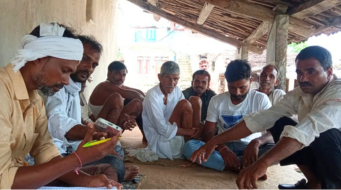
From aspiring government teacher to community leader, Mahaveer journey shows how community mobilisation, leadership and collective action can transform rural development in Rajasthan.
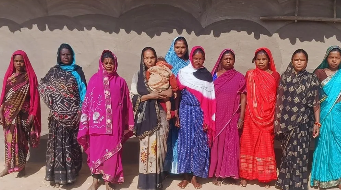
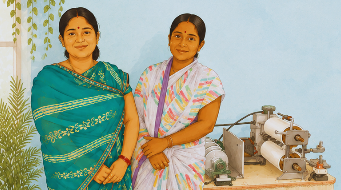
It is a small enterprise, still finding its feet. But its beginnings are firmly local, shaped by what the women know, what the farmers need and what the village already has.
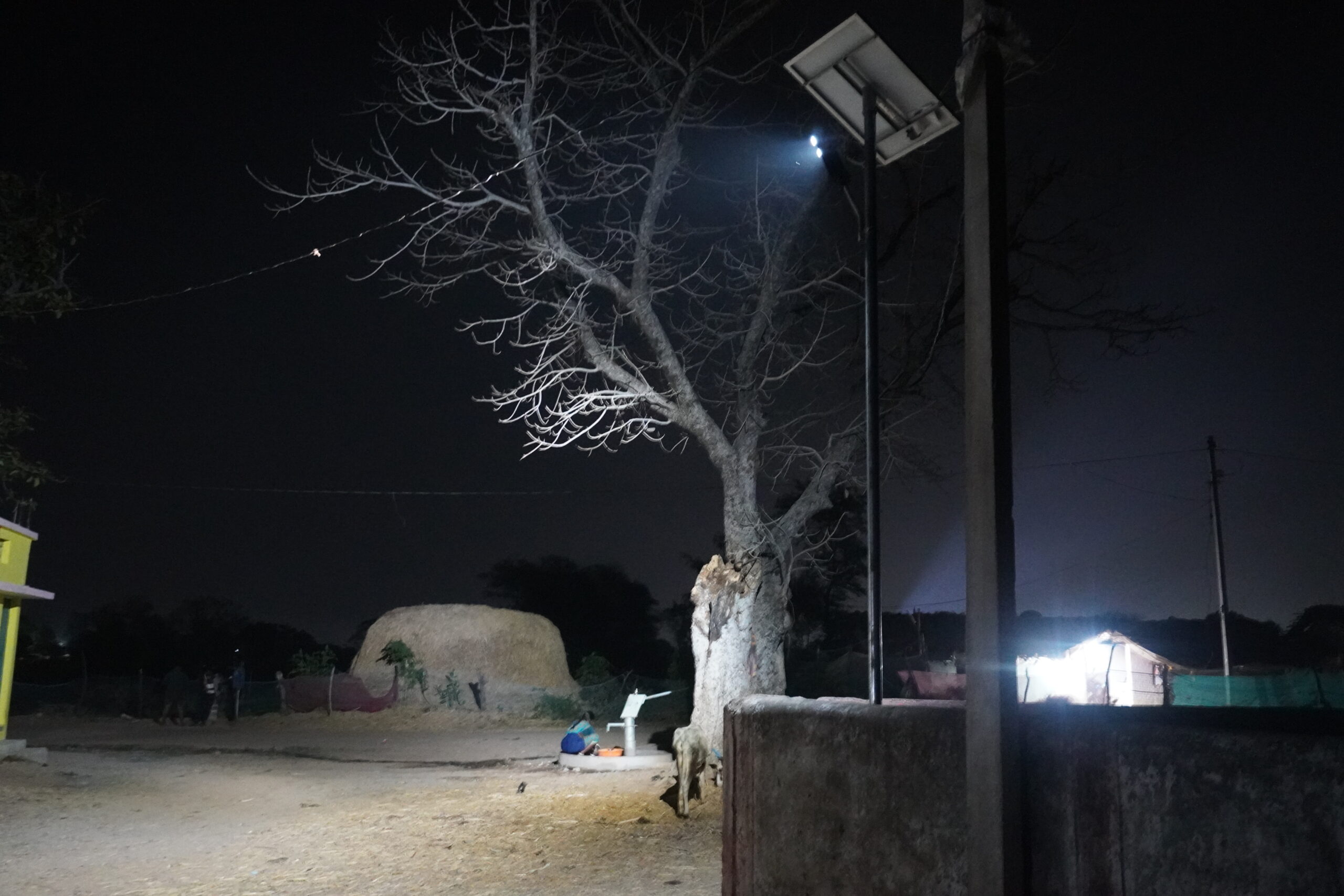
Bringing light, safety, and renewed community life to 20 villages in Kabirdham through 150 solar streetlights, empowering communities to reclaim their public spaces.
How planning and implementation of ecosystem-based adaptation (EbA) and agroecology principles in arid or semi-arid regions can help address the growing impacts of climate change.
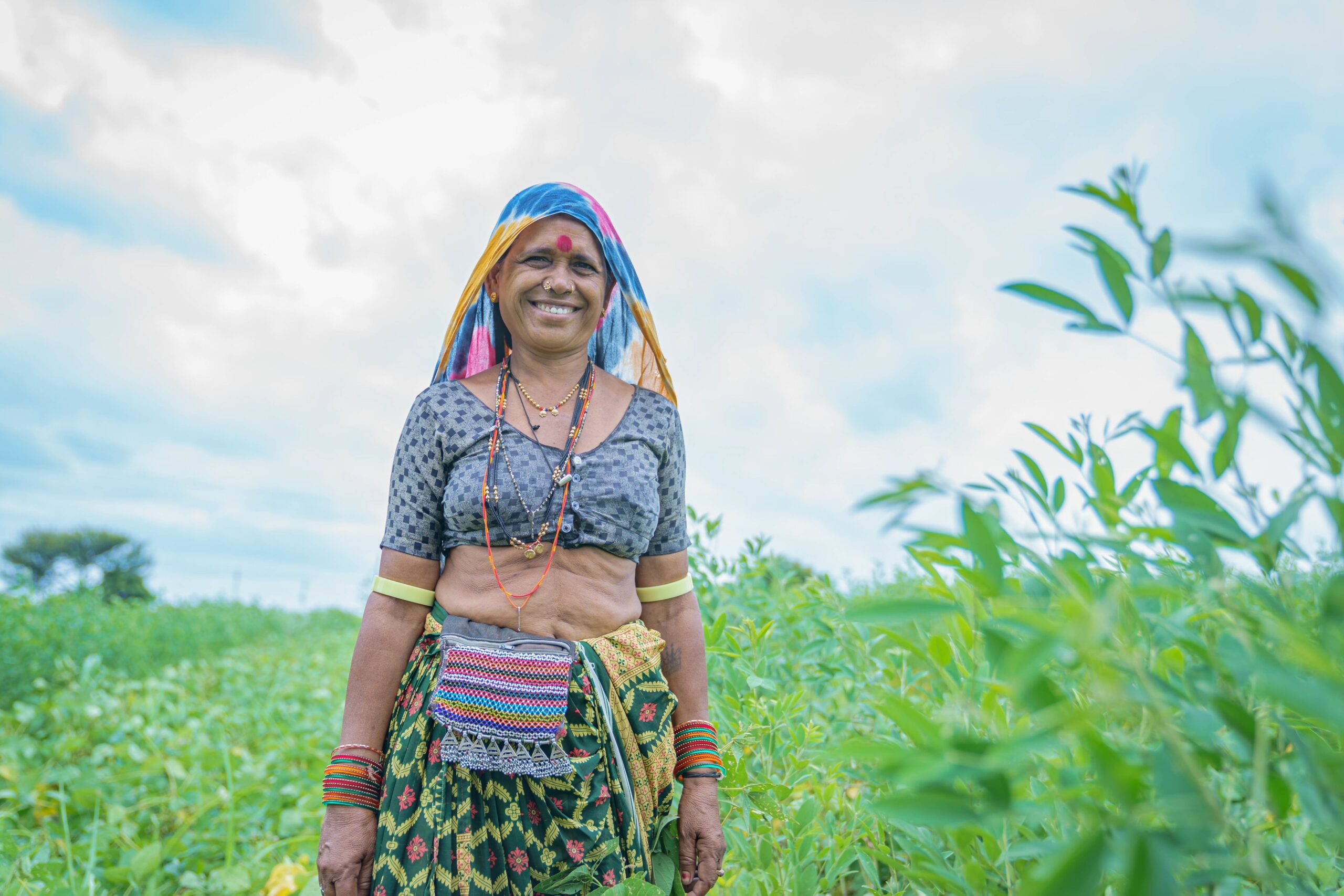
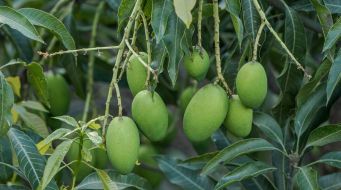
Mango orchards are improving rural livelihoods in Chhattisgarh, creating resilient farms, diverse incomes, and long-term opportunities for farming communities.