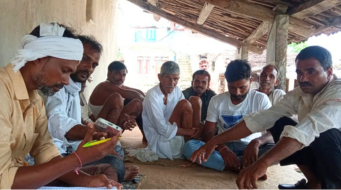
With support from Bread for the World, WOTR is helping the community in Odisha chart its own path to development.
A Better Tomorrow
Stories, Practices, and Solutions
WOTR has helped build lasting water conservation structures, strengthened local governance, and empowered communities in 70 villages to manage their natural resources more sustainably.
Through the India Climate Collaborative’s grant to WOTR, the two organisations set out with a shared ambition: to support the Government of Maharashtra in strengthening its climate adaptation planning and delivery.
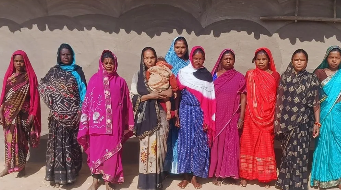
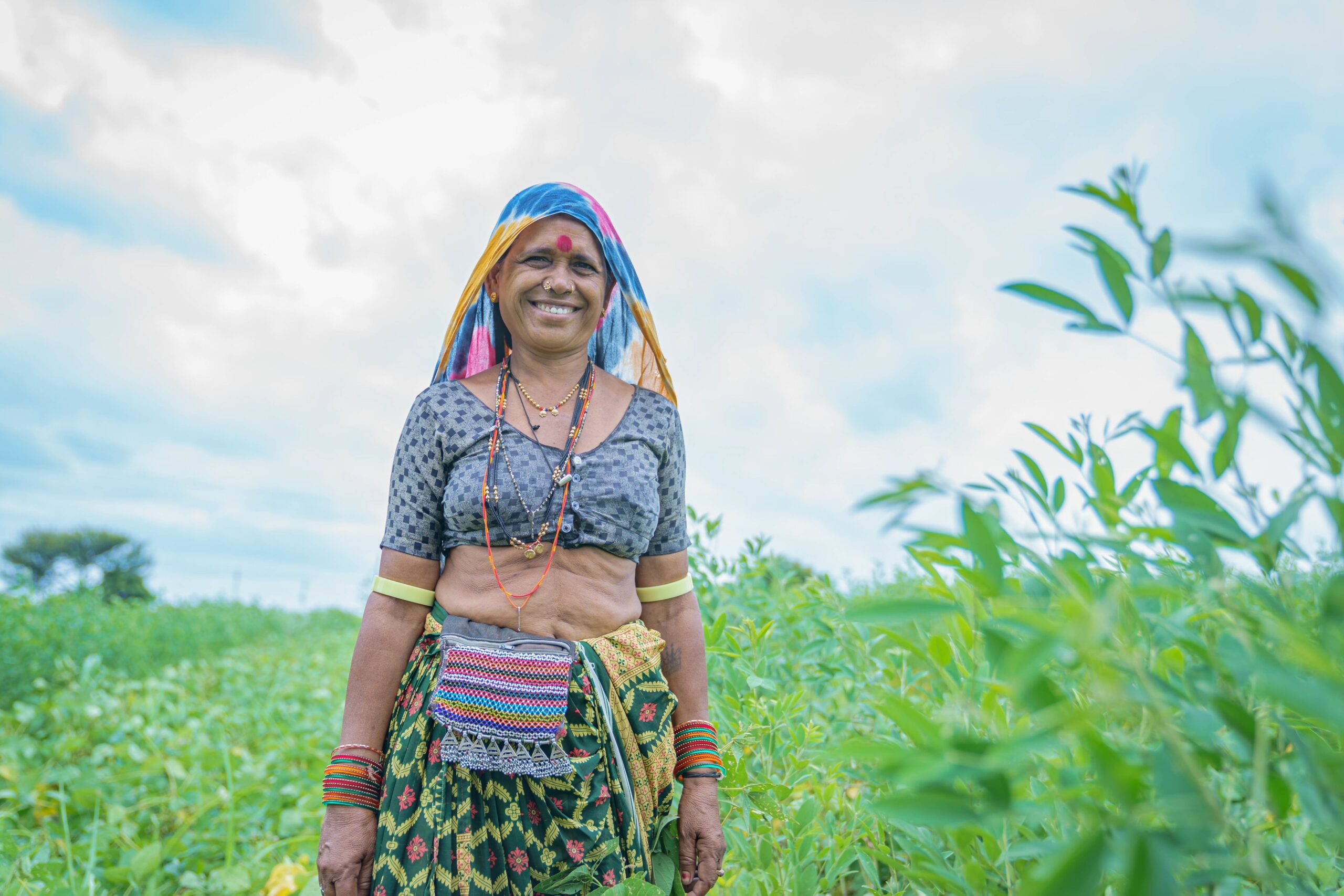
The environmental work of rural women is a vital form of leadership that deserves recognition in policy, planning, and global climate discussions.
As the heat in India increases, the rising temperature is also affecting the food security of the country. India is focusing on climate-resilient agriculture by developing climate-resilient crop varieties, designed to cope with unpredictable weather and boost farm productivity.
Since its initiation in 2021, this project has benefited 900 families in Bhimpur, predominantly from tribal communities.
Land surface temperatures refer to the heat held by the ground, vegetation, and other surfaces of the Earth that absorb sunlight and exchange energy with the air above.
Cooling demands are increasing with extreme heat, but are we meeting our cooling needs responsibly? Uncover the complete story.
Indigenous communities possess traditional knowledge vital for conserving natural resources and addressing the climate crisis.
Within a small place, Singaram Budhundu from Telangana and his family members manage a small kitchen garden which provides his family with a steady stream of fruits and vegetables, adds to their nutrition and also boosts the family income
With support from Bread for the World, WOTR is helping the community in Odisha chart its own path to development.
WOTR has helped build lasting water conservation structures, strengthened local governance, and empowered communities in 70 villages to manage their natural resources more sustainably.
Through the India Climate Collaborative’s grant to WOTR, the two organisations set out with a shared ambition: to support the Government of Maharashtra in strengthening its climate adaptation planning and delivery.
The environmental work of rural women is a vital form of leadership that deserves recognition in policy, planning, and global climate discussions.
As the heat in India increases, the rising temperature is also affecting the food security of the country. India is focusing on climate-resilient agriculture by developing climate-resilient crop varieties, designed to cope with unpredictable weather and boost farm productivity.
Since its initiation in 2021, this project has benefited 900 families in Bhimpur, predominantly from tribal communities.
Land surface temperatures refer to the heat held by the ground, vegetation, and other surfaces of the Earth that absorb sunlight and exchange energy with the air above.
Cooling demands are increasing with extreme heat, but are we meeting our cooling needs responsibly? Uncover the complete story.
Indigenous communities possess traditional knowledge vital for conserving natural resources and addressing the climate crisis.
Within a small place, Singaram Budhundu from Telangana and his family members manage a small kitchen garden which provides his family with a steady stream of fruits and vegetables, adds to their nutrition and also boosts the family income
By Categories
By Tags
From aspiring government teacher to community leader, Mahaveer journey shows how community mobilisation, leadership and collective action can transform rural development in Rajasthan.
Group irrigation wells reveal how shared water resources can strengthen livelihoods, support year-round farming, and prepare for climate uncertainty.
It is a small enterprise, still finding its feet. But its beginnings are firmly local, shaped by what the women know, what the farmers need and what the village already has.
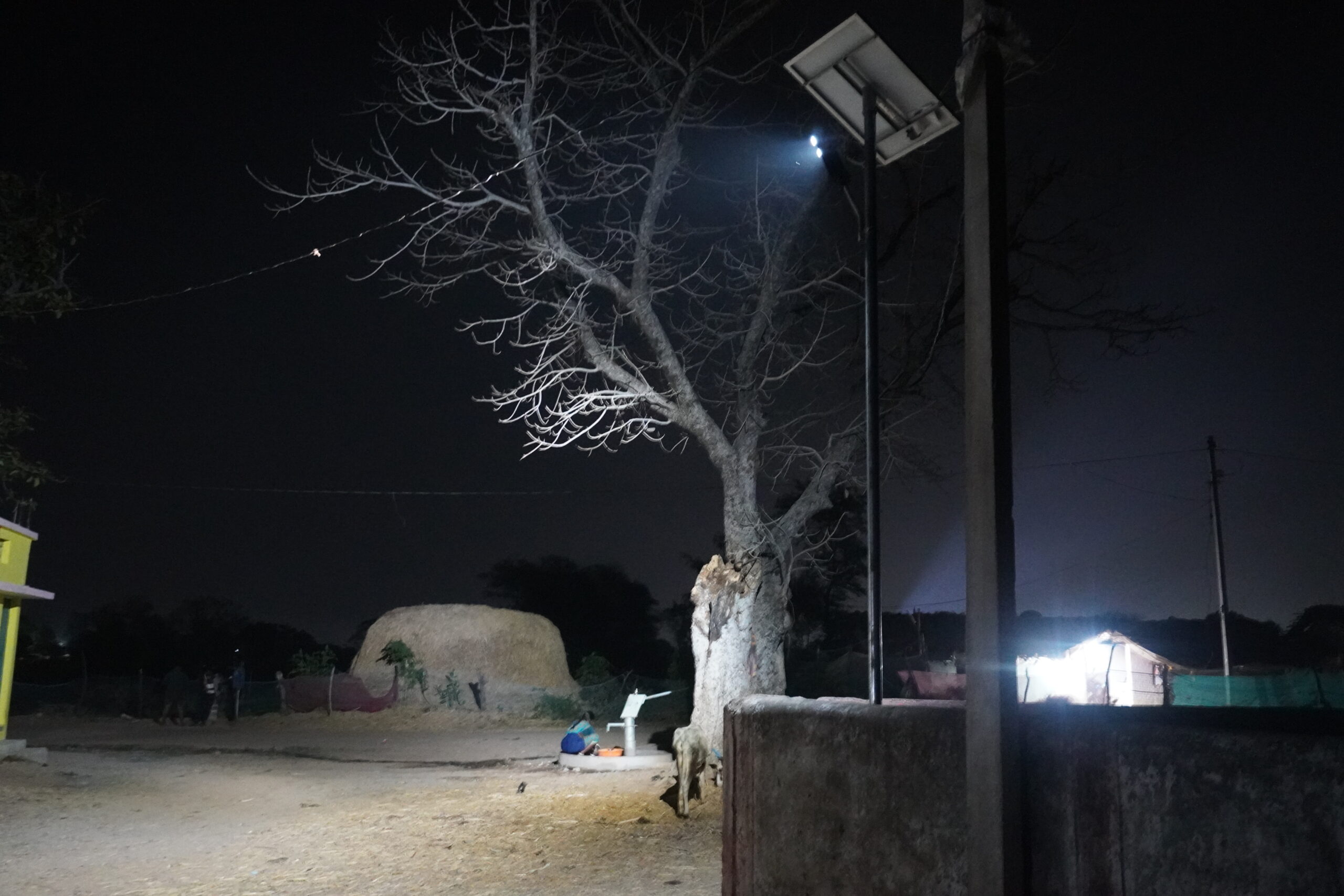
Bringing light, safety, and renewed community life to 20 villages in Kabirdham through 150 solar streetlights, empowering communities to reclaim their public spaces.
How planning and implementation of ecosystem-based adaptation (EbA) and agroecology principles in arid or semi-arid regions can help address the growing impacts of climate change.
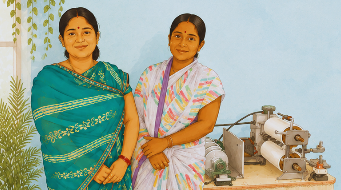
Two mothers in drought-hit Marathwada built a papad enterprise with WOTR and Standard Chartered Bank, paying school fees for their children.
COP17 put a simple question to the world’s drought experts: can lost land be restored? WOTR’s watersheds may hold the answer.
Mango orchards are improving rural livelihoods in Chhattisgarh, creating resilient farms, diverse incomes, and long-term opportunities for farming communities.