Ecosystem integrity is a holistic approach to conservation that considers the wholeness of entire landscapes and ecosystems rather than focusing solely on individual species or resources
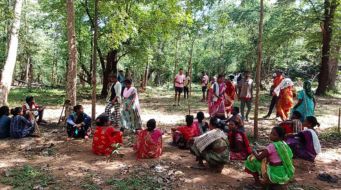
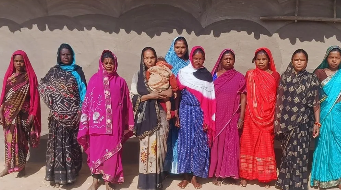
Kusava Goswami, her mother-in-law Dhapubai, and Ambalal Gameti – a Wasundhara Sewak recognised the urgency to transition their community towards organic agriculture.
WOTR’s journey towards EbA began with its extensive experience in watershed development. This approach now recognises that the well-being of both people and nature is inextricably linked.
A three-year project by WOTR and HDFC Bank Parivartan aims to uplift 11,700 people in 40 tribal villages of Gadchiroli through sustainable agriculture, water conservation, and livelihood development.
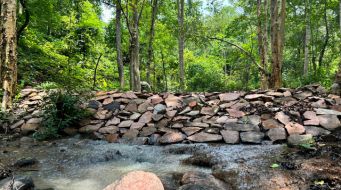
Soil erosion in Koriya, Chhattisgarh, threatens agriculture and infrastructure, requiring solutions like Loose Boulder Structures (LBS). LBS, a cost-effective method, controls erosion, conserves water, and supports local ecosystems.
Urbanization and water scarcity are escalating challenges, but often overlooked, urban wetlands, offer crucial solutions. These vibrant ecosystems, found within or near cities, provide vital environmental benefits.
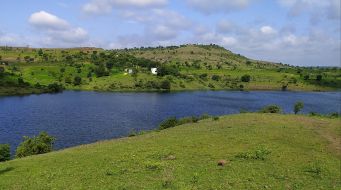
Maharashtra, leads in implementing water harvesting initiatives, with over 99% of its 97,062 water bodies being artificial. W-CReS collaborated with ATE Chandra Foundation to assess the impact of rejuvenation of water bodies five years after implementation.
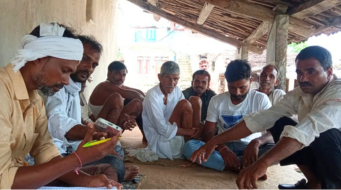
From aspiring government teacher to community leader, Mahaveer journey shows how community mobilisation, leadership and collective action can transform rural development in Rajasthan.
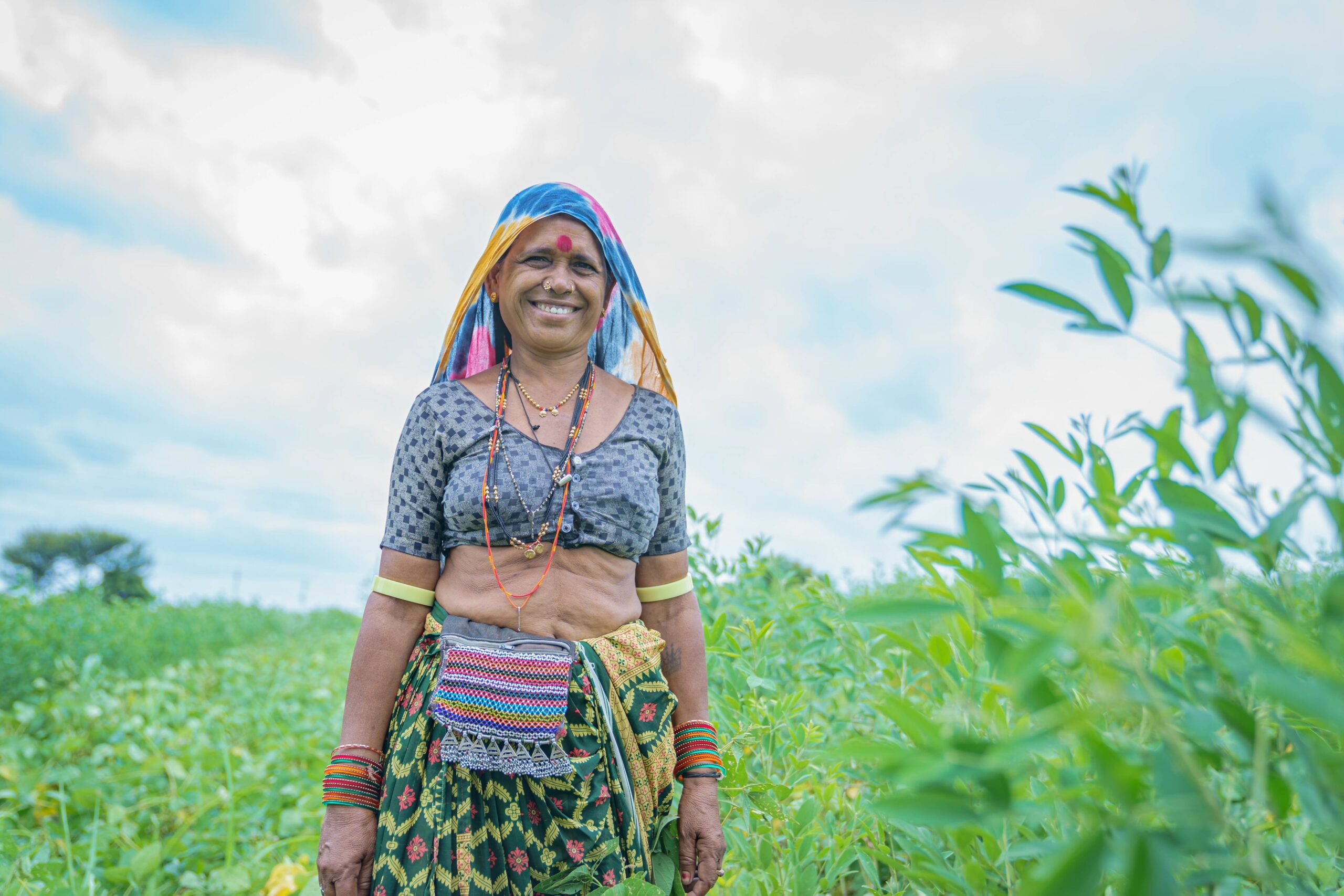
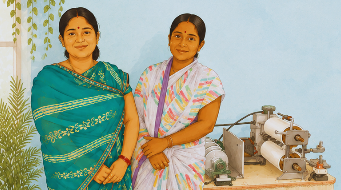
It is a small enterprise, still finding its feet. But its beginnings are firmly local, shaped by what the women know, what the farmers need and what the village already has.
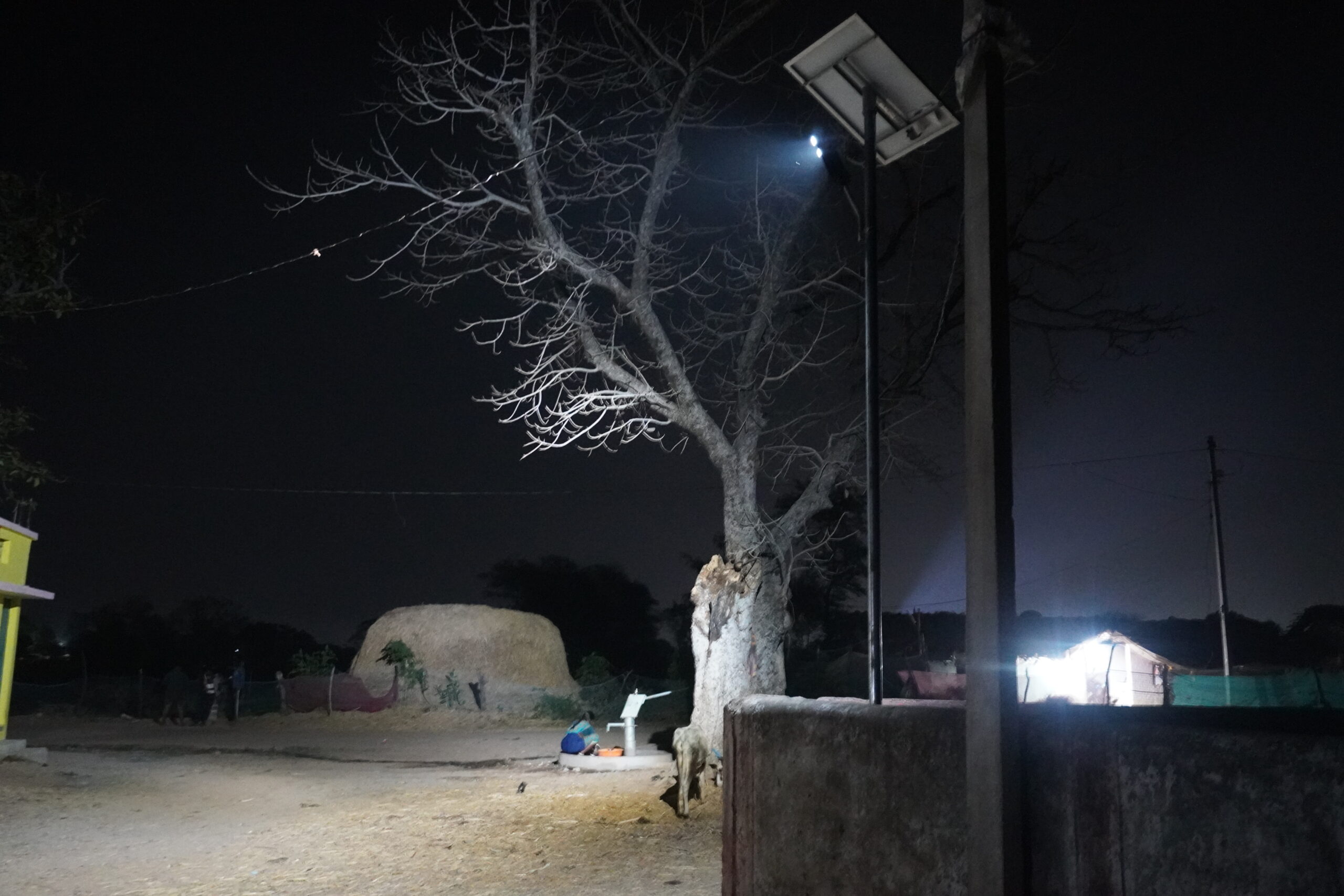
Bringing light, safety, and renewed community life to 20 villages in Kabirdham through 150 solar streetlights, empowering communities to reclaim their public spaces.
How planning and implementation of ecosystem-based adaptation (EbA) and agroecology principles in arid or semi-arid regions can help address the growing impacts of climate change.
Mango orchards are improving rural livelihoods in Chhattisgarh, creating resilient farms, diverse incomes, and long-term opportunities for farming communities.