Participatory approaches are key to solving India’s groundwater depletion. Learn more about WOTR’s community-led strategies for water security.
A Better Tomorrow
Stories, Practices, and Solutions
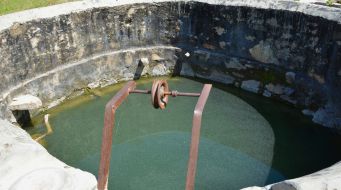
Borewell recharge structures are vital for communities to achieving sustainable water management practices that can mitigate groundwater depletion and ensure reliable access to clean water.
The Watershed Organisation Trust finds significant alignment between the recommendations by the Global Commission on the Economics of Water’s report and our own Water Stewardship Initiative
Pandarinath Shinde, a jal sevak with WOTR, helps farmers adapt to climate change by teaching efficient water management and farming practices. He has implemented techniques like micro-irrigation and soil testing on his farm, increasing his income and assisting other farmers in improving their crop yields.
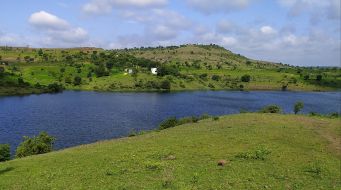
Maharashtra, leads in implementing water harvesting initiatives, with over 99% of its 97,062 water bodies being artificial. W-CReS collaborated with ATE Chandra Foundation to assess the impact of rejuvenation of water bodies five years after implementation.
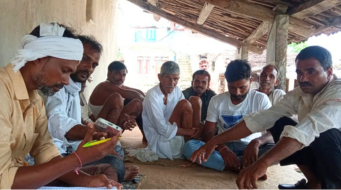
Borgaon Budruk’s Village Development Committee (VDC) and Village Water Management Teams (VWMT) have successfully addressed water scarcity through community-driven water conservation efforts, significantly improving local conditions.
The village of Borgaon Math relied on one hand pump, leading to shortages and conflicts. Bhagirathi, a farmer, often traveled long distances for water, impacting daily life and her children’s education .WOTR’s efforts have provided reliable water access, improving living conditions and education.
In rural Maharashtra, communities have become water stewards with support from WOTR. Villages like Borgaon Math and Bori Khurd have adopted rainwater harvesting, micro-irrigation, and organic farming, boosting water availability and crop yields.
Madhya Pradesh, with over 72% rural population, relies heavily on groundwater, vital for agriculture and daily life. The 2022 Dynamic Groundwater Assessment shows a complex pattern of usage, recharge, and depletion, demanding urgent attention and action.
Can we rise to the challenge and become the custodians of water-the precious pearl, the lifeblood of our planet?
Participatory approaches are key to solving India’s groundwater depletion. Learn more about WOTR’s community-led strategies for water security.
Borewell recharge structures are vital for communities to achieving sustainable water management practices that can mitigate groundwater depletion and ensure reliable access to clean water.
The Watershed Organisation Trust finds significant alignment between the recommendations by the Global Commission on the Economics of Water’s report and our own Water Stewardship Initiative
Pandarinath Shinde, a jal sevak with WOTR, helps farmers adapt to climate change by teaching efficient water management and farming practices. He has implemented techniques like micro-irrigation and soil testing on his farm, increasing his income and assisting other farmers in improving their crop yields.
Maharashtra, leads in implementing water harvesting initiatives, with over 99% of its 97,062 water bodies being artificial. W-CReS collaborated with ATE Chandra Foundation to assess the impact of rejuvenation of water bodies five years after implementation.
Borgaon Budruk’s Village Development Committee (VDC) and Village Water Management Teams (VWMT) have successfully addressed water scarcity through community-driven water conservation efforts, significantly improving local conditions.
The village of Borgaon Math relied on one hand pump, leading to shortages and conflicts. Bhagirathi, a farmer, often traveled long distances for water, impacting daily life and her children’s education .WOTR’s efforts have provided reliable water access, improving living conditions and education.
In rural Maharashtra, communities have become water stewards with support from WOTR. Villages like Borgaon Math and Bori Khurd have adopted rainwater harvesting, micro-irrigation, and organic farming, boosting water availability and crop yields.
Madhya Pradesh, with over 72% rural population, relies heavily on groundwater, vital for agriculture and daily life. The 2022 Dynamic Groundwater Assessment shows a complex pattern of usage, recharge, and depletion, demanding urgent attention and action.
Can we rise to the challenge and become the custodians of water-the precious pearl, the lifeblood of our planet?
By Categories
By Tags
From aspiring government teacher to community leader, Mahaveer journey shows how community mobilisation, leadership and collective action can transform rural development in Rajasthan.
Group irrigation wells reveal how shared water resources can strengthen livelihoods, support year-round farming, and prepare for climate uncertainty.
It is a small enterprise, still finding its feet. But its beginnings are firmly local, shaped by what the women know, what the farmers need and what the village already has.
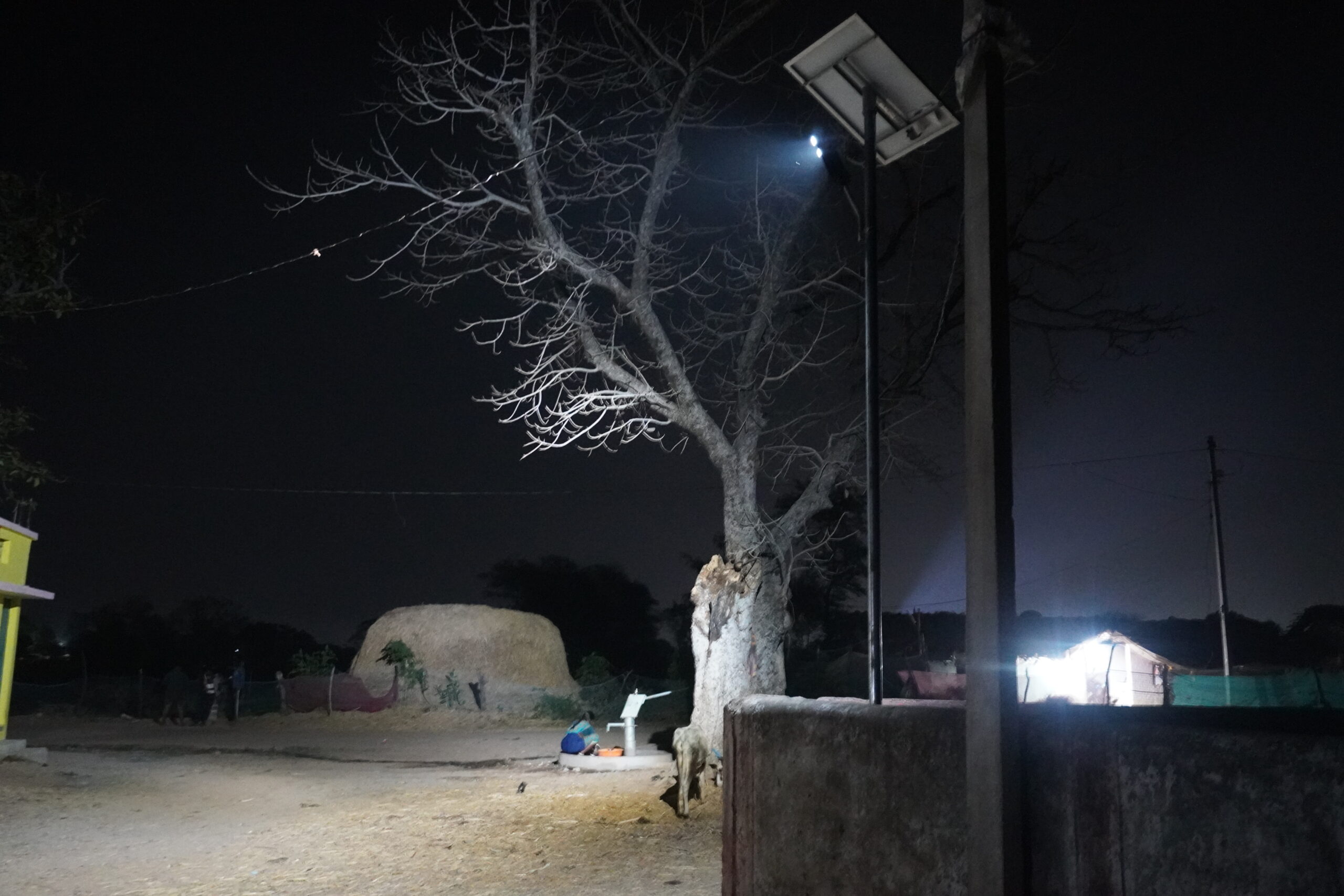
Bringing light, safety, and renewed community life to 20 villages in Kabirdham through 150 solar streetlights, empowering communities to reclaim their public spaces.
How planning and implementation of ecosystem-based adaptation (EbA) and agroecology principles in arid or semi-arid regions can help address the growing impacts of climate change.
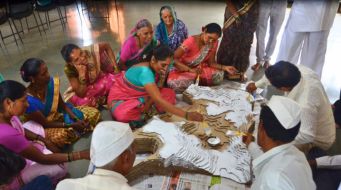
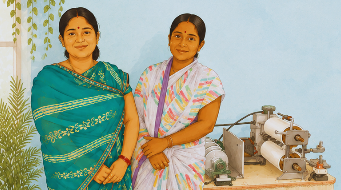
Two mothers in drought-hit Marathwada built a papad enterprise with WOTR and Standard Chartered Bank, paying school fees for their children.
COP17 put a simple question to the world’s drought experts: can lost land be restored? WOTR’s watersheds may hold the answer.
Mango orchards are improving rural livelihoods in Chhattisgarh, creating resilient farms, diverse incomes, and long-term opportunities for farming communities.