
A Better Tomorrow
Stories, Practices, and Solutions
By Categories
By Tags
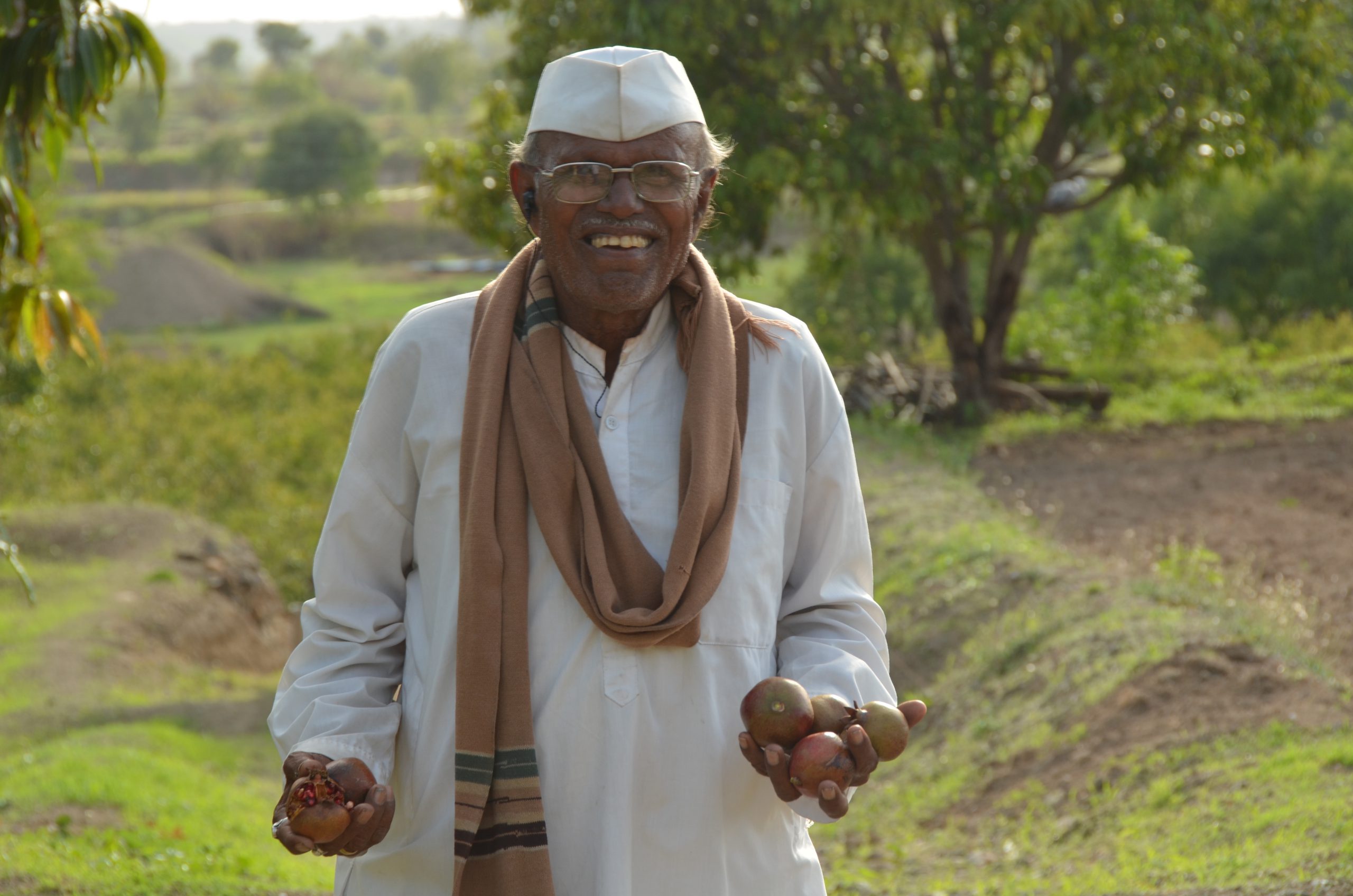
Climate resilient agriculture is an essential component of food security in India, a country that relies heavily on agriculture for its economic growth and livelihoods. India’s diverse agro-climatic zones, coupled with its monsoon-based agriculture, make
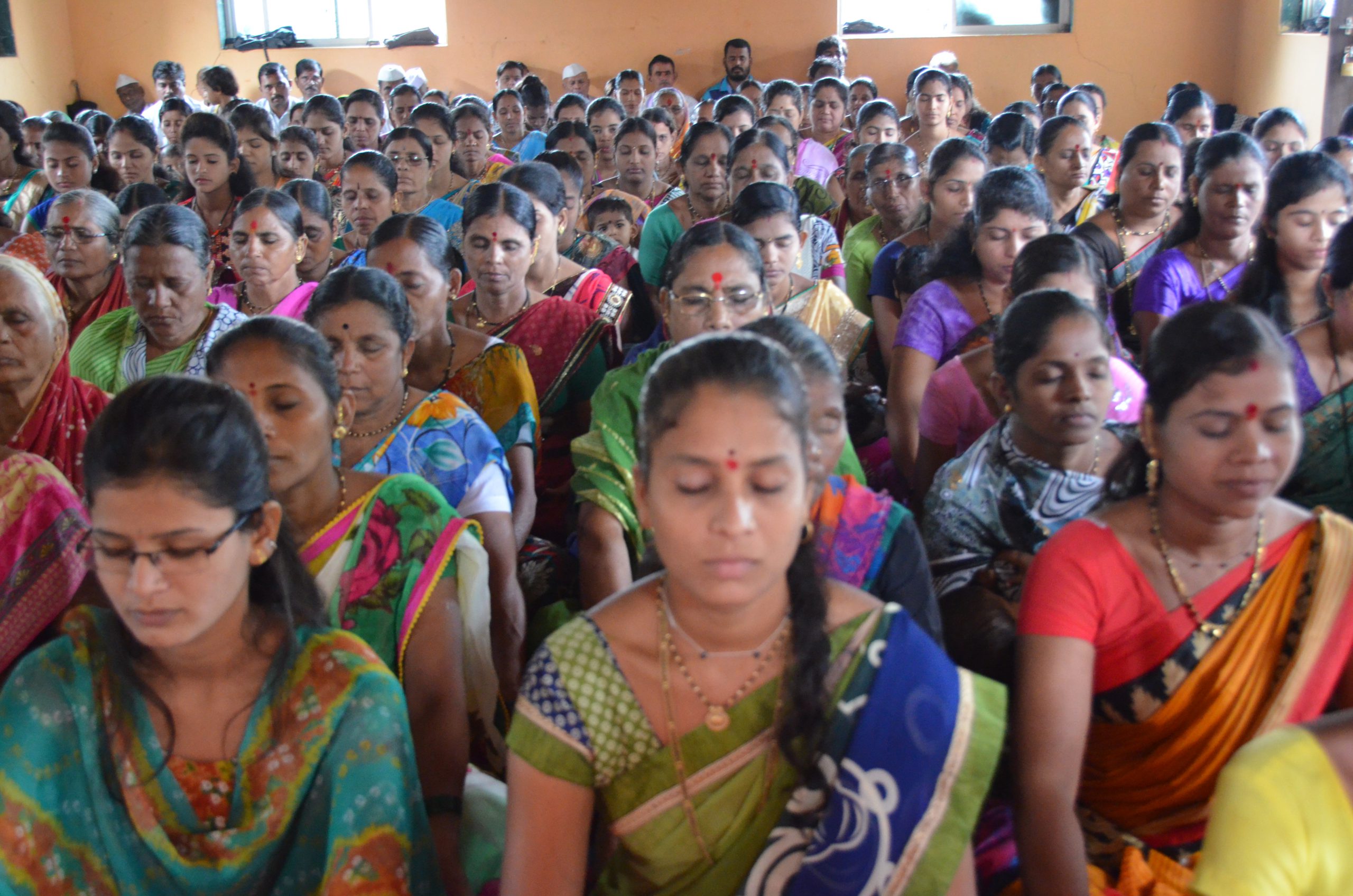
International Women’s Day, celebrated on March 8th every year, is a day to recognise the social, economic, cultural, and political achievements of women, while also highlighting the ongoing challenges they face in achieving gender equality.


Achieving food security in India with 17.7% of the world’s population but only 2.4% of its land1 is a daunting task. Despite an estimated food production of 314 million metric tons in 2021-2022, the country still faces the challenge of feeding its

India is on the brink of a water crisis, with over 600 million people facing high to extreme water stress. The dwindling freshwater reserves are a wake-up call for us to act now and ensure sustainable use of our natural resources. To address this grave concern,
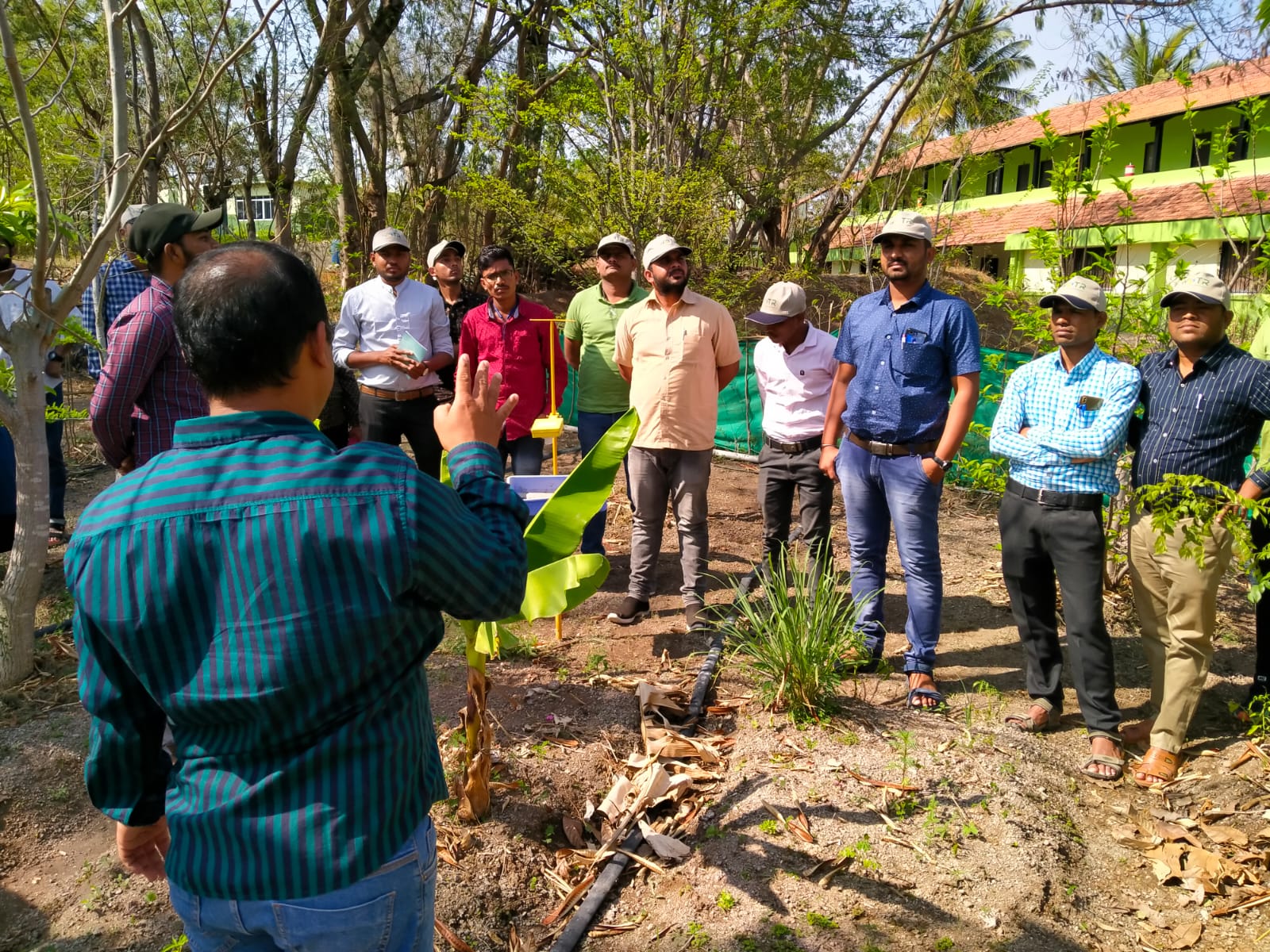
In India, climate change is a serious concern for the agriculture sector. Changing weather patterns and extreme weather events, such as droughts and floods, have a direct impact on farmers’ livelihoods. As climate change continues to pose a threat to the

Nestled between the coordinates of 17.1634 to 17.1660 degrees latitude and 74.373 to 74.37060 degrees longitude, lies a cluster of 5 villages – Ghoti Bk, Ghoti Kh, Dhondgewadi, Posewadi and Renavi – located in the Khanapur Taluka of the Sangli

IndusInd Bank and WOTR have signed an MOU with the Baran district administration to drive sustainable rural development. Under the MOU, IndusInd Bank’s ‘Flagship Program’ will be implemented in the district’s 200 villages. The