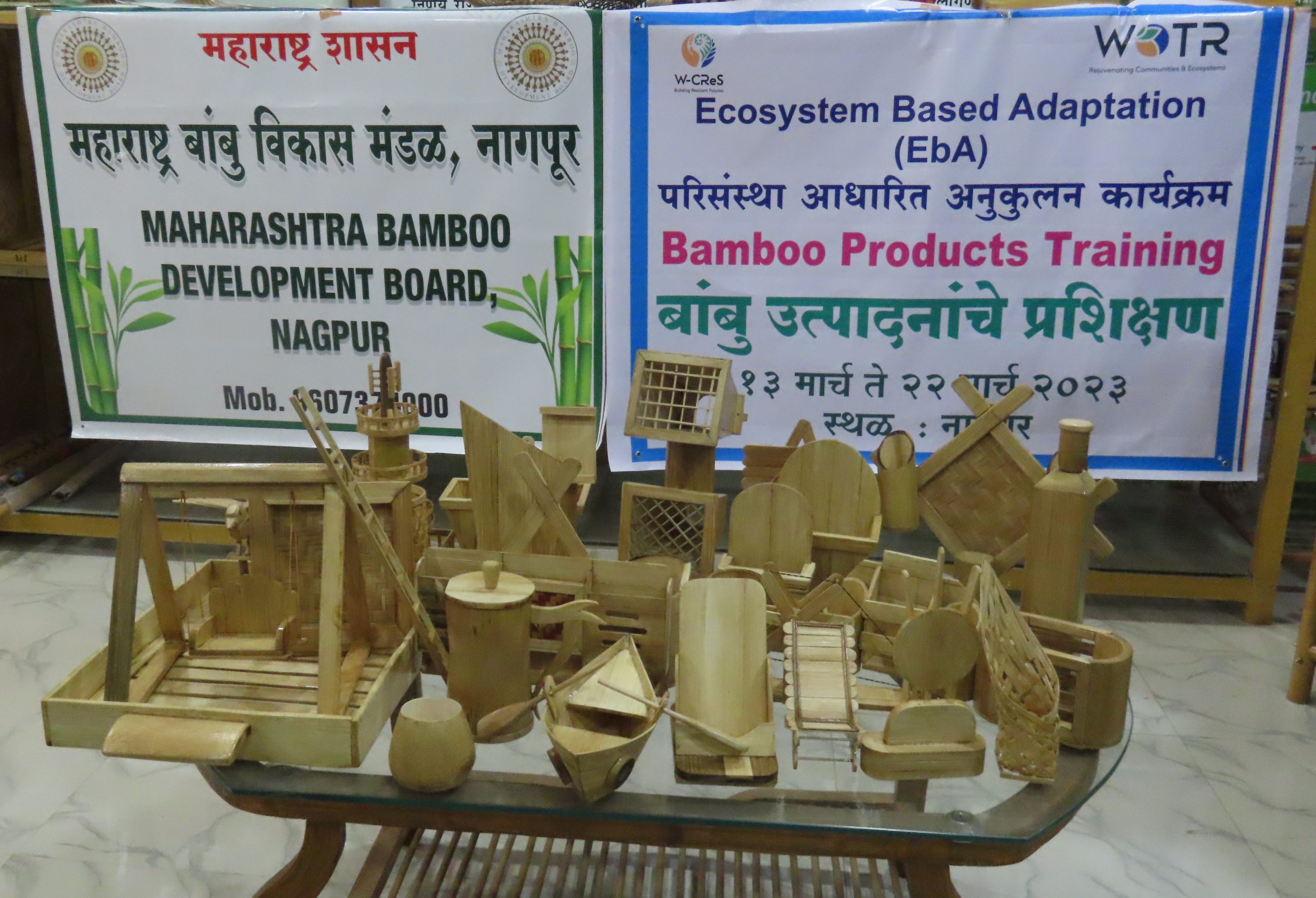
Bamboo, a remarkably versatile and swiftly growing member of the grass family, Poaceae, falls within the Bambusoideae subfamily. Distinguished by its woody culms, robust rhizomes, rare flowering, and intricate branching patterns, this unique plant
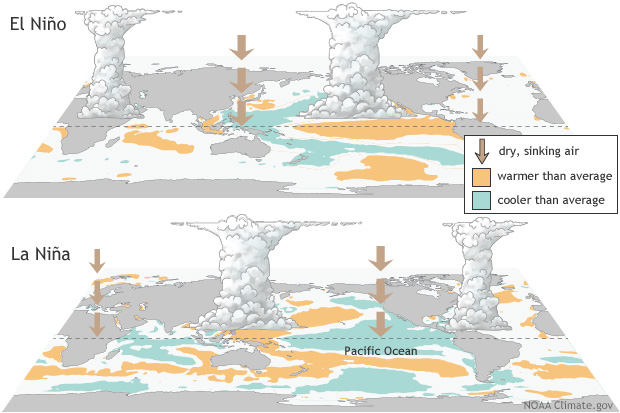
The Indian Meteorological Department (IMD) has predicted a normal monsoon for 2023, estimating rainfall at 96% of the long-term average. Despite this, the IMD also cautions that El Niño conditions are likely to emerge during the monsoon season. In
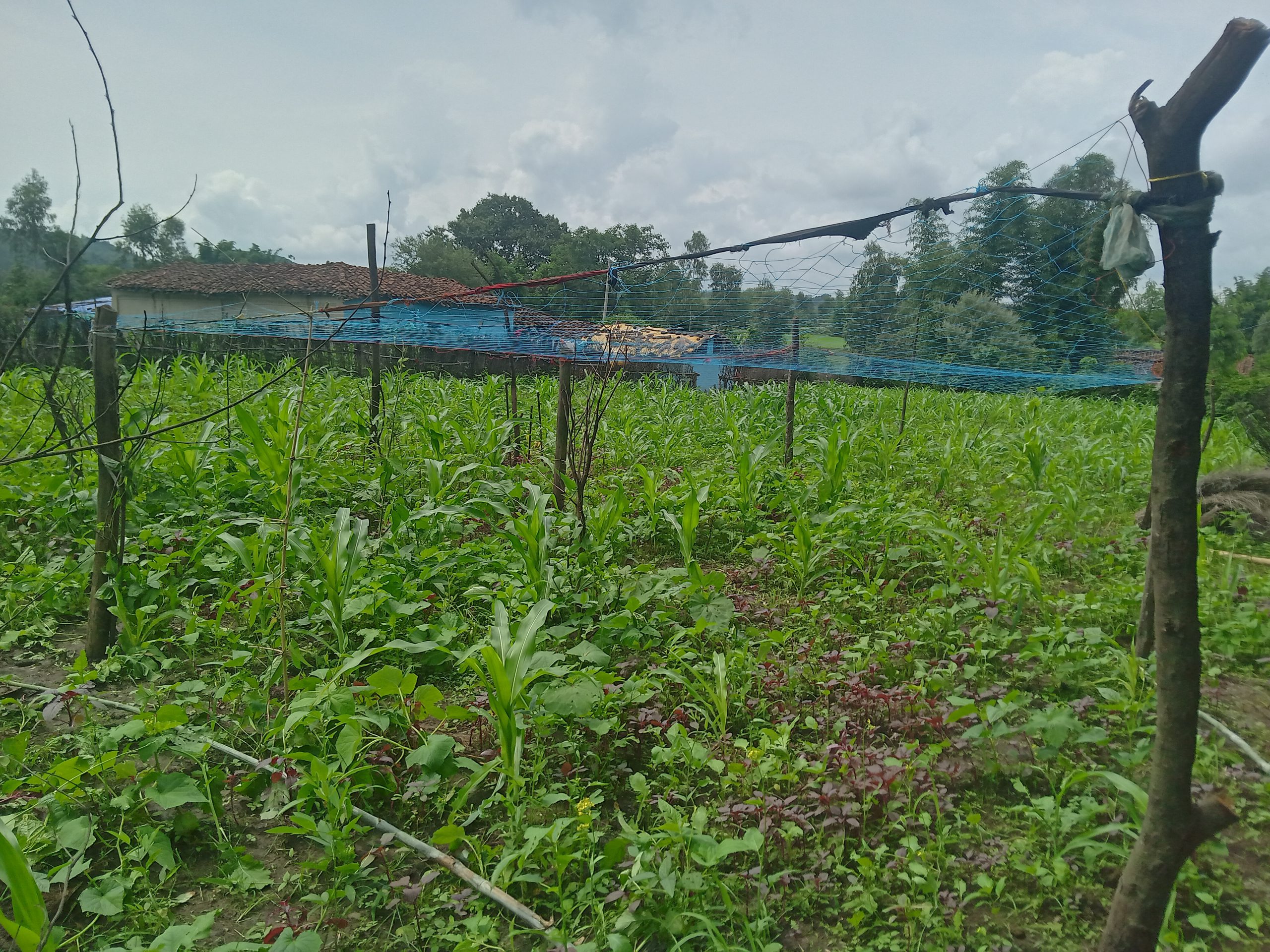
Nestled in the backyards of homes, kitchen gardens—often known as backyard gardens—serve as intimate, small-scale havens for growing an enchanting array of vegetables, herbs, fruits, and occasionally even flowers. With a focus on
Celebrated annually on April 22nd, Earth Day is a global event that highlights the importance of environmental protection and sustainability. This year’s theme, ‘Invest in our planet’ emphasises the need for investment in our planet, which is critical to
The Indian Government has already established an ambitious target of registering 10,000 FPOs, bringing together more than 1 million farmers as members. These FPOs serve as a critical catalyst in not only doubling farmers’ income from agriculture
Climate resilient agriculture is an essential component of food security in India, a country that relies heavily on agriculture for its economic growth and livelihoods. India’s diverse agro-climatic zones, coupled with its monsoon-based agriculture, make
Achieving food security in India with 17.7% of the world’s population but only 2.4% of its land1 is a daunting task. Despite an estimated food production of 314 million metric tons in 2021-2022, the country still faces the challenge of feeding its
In India, climate change is a serious concern for the agriculture sector. Changing weather patterns and extreme weather events, such as droughts and floods, have a direct impact on farmers’ livelihoods. As climate change continues to pose a threat to the
Despite its humble beginnings, WOTR has carved out its identity as one of the most trusted Indian non-profits in Integrated Watershed Development, Water Resources Management, environment conservation and climate change adaptation.
India is mostly a rural country. According to the 2011 Census, 68.8% of the population and 72.4% of the work force live in rural areas (Chand et al., 2017). 46% of the country’s income comes from the rural economy (Economic Times, 2021). 46% of the country’s income
El Niño is often blamed for weak monsoons and droughts. Discover how it really influences India’s rainfall, agriculture, water security, and resilience.
Climate adaptation needs collective action. ECOBARI unites ecosystems, livelihoods, and communities to build nature-based resilience across rural India.
Climate Resilience is possible when people work with nature. Learn how wetlands, forests, renewable energy, and communities are shaping a sustainable future.