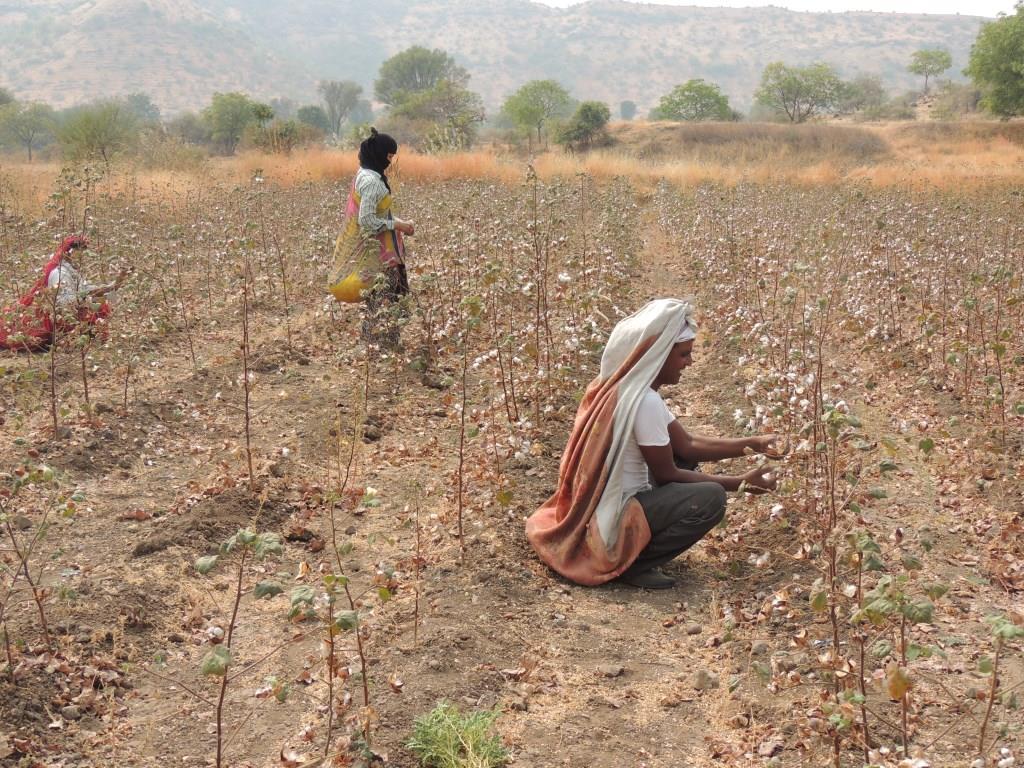
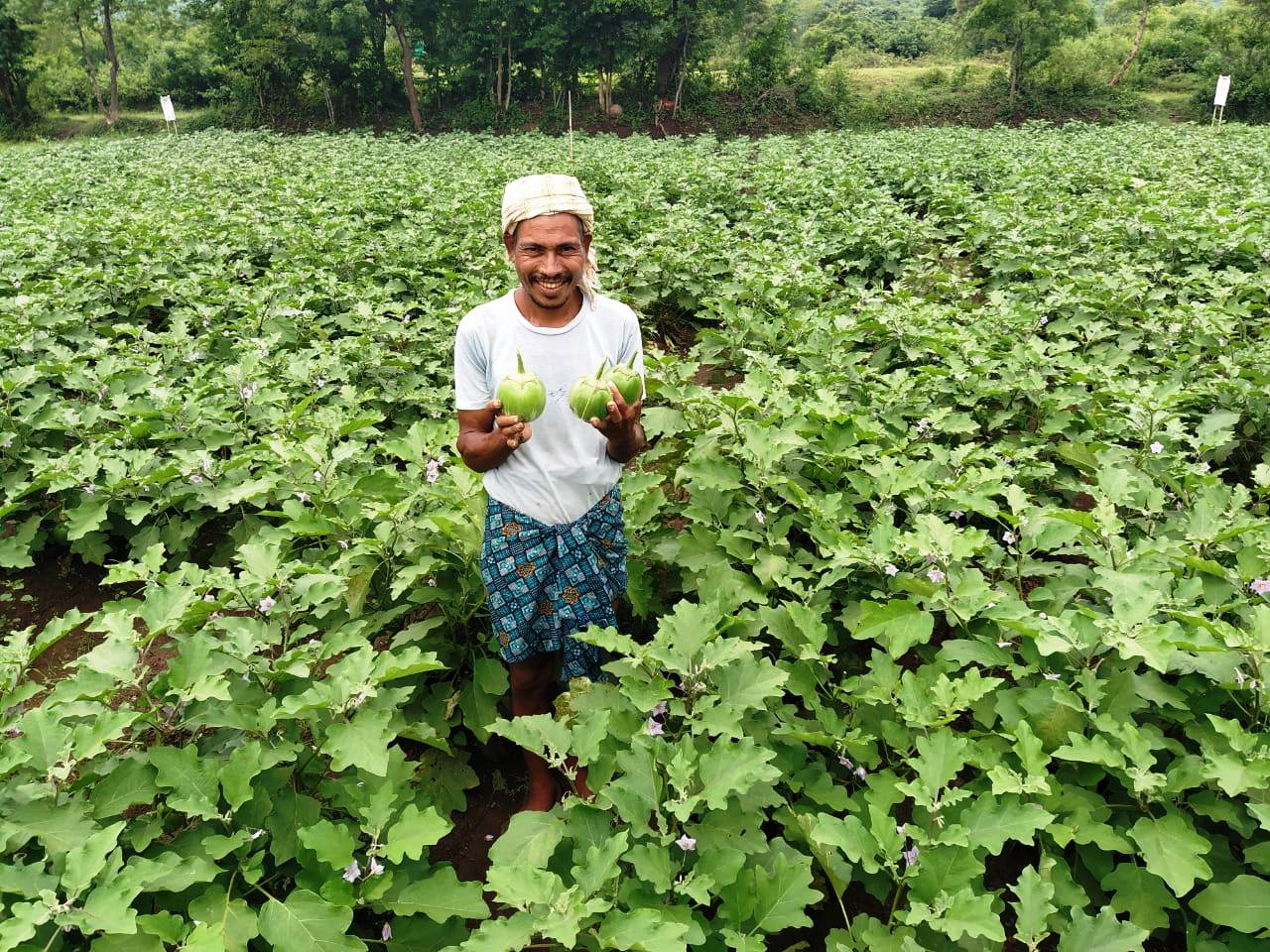
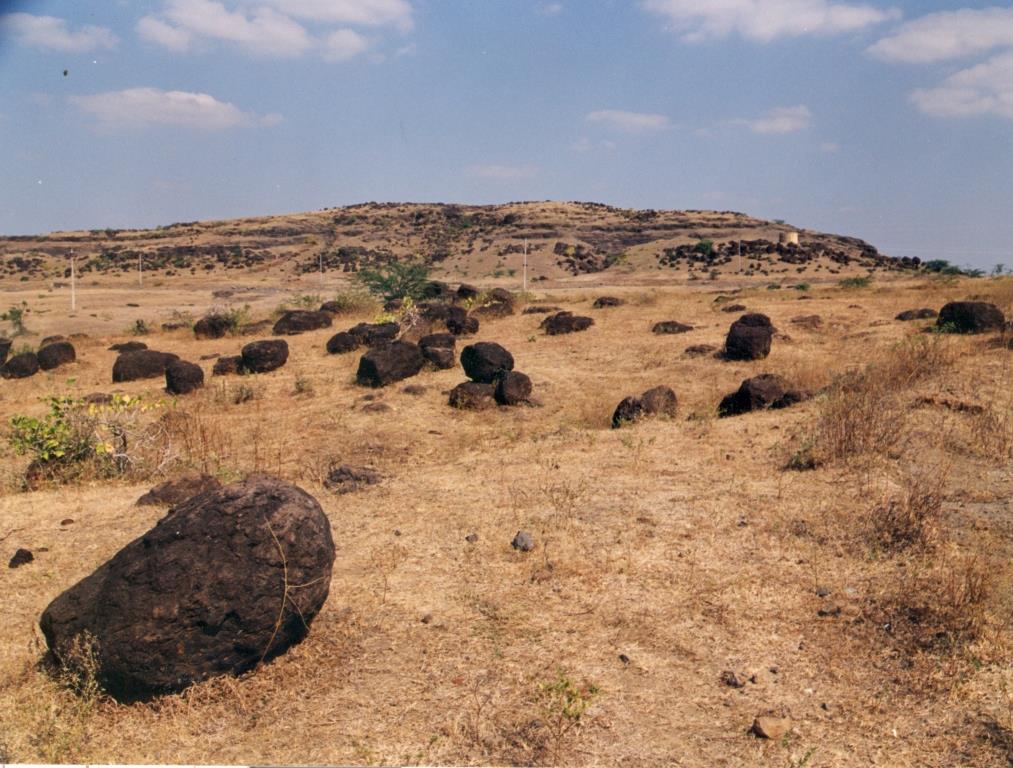
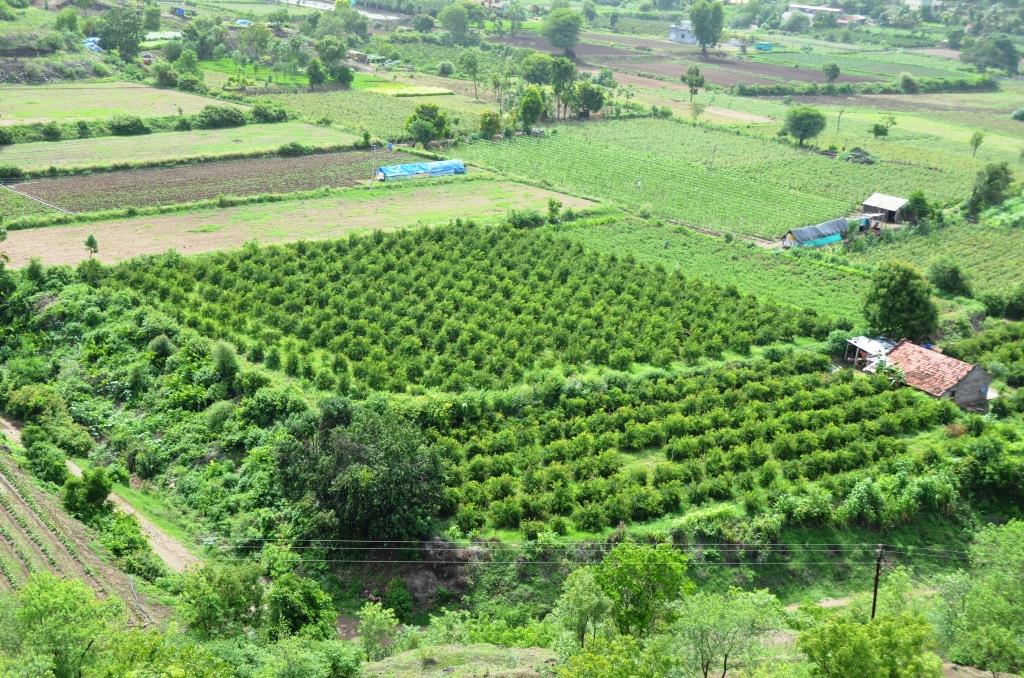
India is mostly a rural country. According to the 2011 Census, 68.8% of the population and 72.4% of the work force live in rural areas (Chand et al., 2017). 46% of the country’s income comes from the rural economy (Economic Times, 2021). 46% of the country’s income
A Better Tomorrow
Stories, Practices, and Solutions
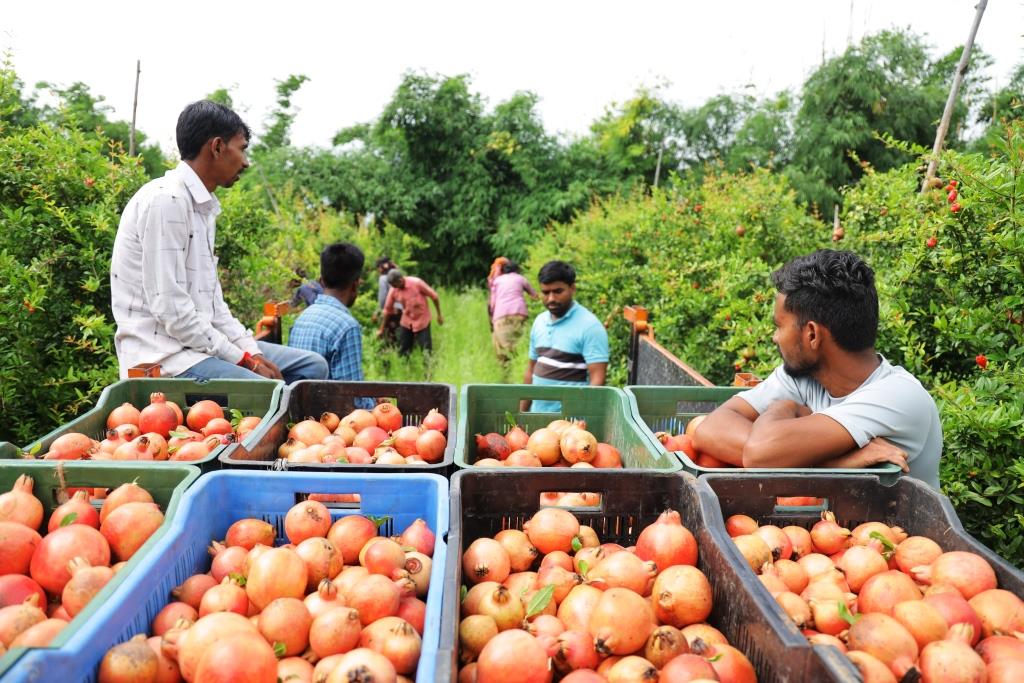
The advantages of the FarmPrecise application for Farmers are described in this blog. The application’s advantages and the needs of farmers are covered first. The following section discusses its advantages for farmers and includes field success stories.
India is the second largest producer of rice, wheat, sugarcane, groundnut, vegetables, fruit, and cotton and the largest producer of milk, pulses, and jute in the world. As an agrarian country, 70% of India’s rural population depends on agriculture as their
The repercussions of climate change are becoming increasingly real and frightening with each passing day. While global warming has had a significant impact on modern agriculture, interestingly, the sector is also one of the contributors to climate
Land resources are vital in supporting physical, social, and economic infrastructure and activities. Functions such as agriculture, watershed management, forestation, mining, transport, and development
We only have one earth – only one place in the whole wide world that we can call home. An earth to live, laugh, grow, and breathe in. The slogan, ‘Only One Earth’, at the 1972 Stockholm conference rings true even today, fifty years later. Yet, like
Well-functioning ecosystems form the bedrock of planetary health and human survival. With increased degradation of habitats and waning ecosystem functions, the threat of ecosystem collapse is more real than ever. Research shows a
Just like art and music, nature is the common thread that frees us from all physical and social boundaries, connecting us to the larger aspects of life. The vastness of forests and deserts, the depth of oceans, and the dynamism of biological diversity
People in the rural rainfed areas of India are facing multiple challenges- degradation of land and other natural resources, water scarcity, lack of social empowerment and welfare, unequal distribution of the wealth, high level of vulnerability to climate change,
Water is a finite resource. Perhaps a tad difficult to believe, when each year, the dark clouds gather to bring in the fresh, glorious monsoon rains and the rivers and lakes gurgle and overflow bountifully. But this is nature at its efficient best, recycling and
India is mostly a rural country. According to the 2011 Census, 68.8% of the population and 72.4% of the work force live in rural areas (Chand et al., 2017). 46% of the country’s income comes from the rural economy (Economic Times, 2021). 46% of the country’s income
The advantages of the FarmPrecise application for Farmers are described in this blog. The application’s advantages and the needs of farmers are covered first. The following section discusses its advantages for farmers and includes field success stories.
India is the second largest producer of rice, wheat, sugarcane, groundnut, vegetables, fruit, and cotton and the largest producer of milk, pulses, and jute in the world. As an agrarian country, 70% of India’s rural population depends on agriculture as their

The repercussions of climate change are becoming increasingly real and frightening with each passing day. While global warming has had a significant impact on modern agriculture, interestingly, the sector is also one of the contributors to climate
Land resources are vital in supporting physical, social, and economic infrastructure and activities. Functions such as agriculture, watershed management, forestation, mining, transport, and development
We only have one earth – only one place in the whole wide world that we can call home. An earth to live, laugh, grow, and breathe in. The slogan, ‘Only One Earth’, at the 1972 Stockholm conference rings true even today, fifty years later. Yet, like
Well-functioning ecosystems form the bedrock of planetary health and human survival. With increased degradation of habitats and waning ecosystem functions, the threat of ecosystem collapse is more real than ever. Research shows a
Just like art and music, nature is the common thread that frees us from all physical and social boundaries, connecting us to the larger aspects of life. The vastness of forests and deserts, the depth of oceans, and the dynamism of biological diversity
People in the rural rainfed areas of India are facing multiple challenges- degradation of land and other natural resources, water scarcity, lack of social empowerment and welfare, unequal distribution of the wealth, high level of vulnerability to climate change,
Water is a finite resource. Perhaps a tad difficult to believe, when each year, the dark clouds gather to bring in the fresh, glorious monsoon rains and the rivers and lakes gurgle and overflow bountifully. But this is nature at its efficient best, recycling and
By Categories
By Tags
Economic growth has surged globally, but it continues to overlook the true value of biodiversity, placing disproportionate risks on the Global South.
In Chhattisgarh, solar solutions bring water, irrigation, and light to villages, boosting livelihoods and building resilient, self-reliant communities.
In Rayagada district, crescent bunds help cashew trees retain water on hilly slopes, improving yields. A simple solution strengthening tribal livelihoods and climate resilience.
In Karauli district, revived pokhars and pagaras are conserving rainwater and restoring agriculture. These community-led efforts are reducing dependence on hazardous mining while improving livelihoods and health.
Circular economy keeps resources in use for as long as possible, extracts maximum value from them, and then recovers and regenerates products at the end of service life.
Reimagining FPCs as drivers of climate resilience through ecosystem-based approaches to farming. Highlighting how water conservation, soil health and women’s leadership are strengthening livelihoods.
Mango orchards are transforming farmers’ lives in Chhattisgarh through sustainable incomes, water conservation, and climate resilience.
Organic farming comes alive as Chhattisgarh women turn forest knowledge into natural pesticides, inspiring farmers across villages.