Why India Needs a Development Management Revolution
A Better Tomorrow
Stories, Practices, and Solutions
Agriculture is moving beyond just producing more food to ensuring it nourishes people. As hidden hunger rises, the focus is shifting from yield to nutrition.
The film ‘Jala’ showcases how villages in Odisha restored water, farming, livelihoods, resilience, community leadership, and renewed hope.
Solar Lift Irrigation in this Chhattisgarh village improved rural livelihoods by enabling year-round farming and boosting farmer incomes.
Environmental DNA (eDNA) is transforming how scientists monitor biodiversity and ecosystem health by detecting genetic traces left by organisms in their environment. It offers a non-invasive, efficient way to track species, study climate impacts, and support conservation efforts.
India’s growing water crisis, driven by rising demand, pollution and inefficient technologies, poses a serious threat to its development goals. Addressing this challenge requires a shift toward sustainable and circular water management practices. With the right mix of policy, technology, and community action.
The long standing balance between sparrows and humans is shifting
‘Neeranjali – A Film About Collective Action for the Commons’ showcases tribal communities restoring water, land, and livelihoods through collective action, sustainable practices, and resilience in Korba villages, Chhattisgarh.
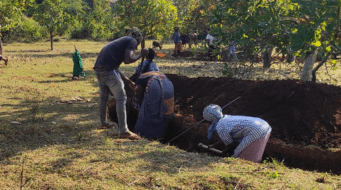
The women of Bhendikanhar in Gadchiroli made a collective decision to improve the condition of the Kurma ghar (small huts where women stay during their menstrual cycles) in their village
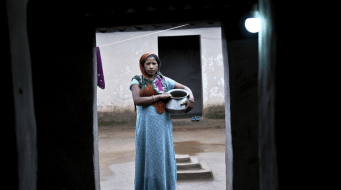
Community well improves water access in Samlai, reducing hardship for women, supporting farming livelihoods, and bringing dignity, convenience, and renewed hope
Why India Needs a Development Management Revolution
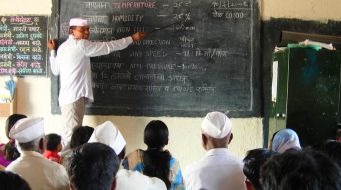
Agriculture is moving beyond just producing more food to ensuring it nourishes people. As hidden hunger rises, the focus is shifting from yield to nutrition.
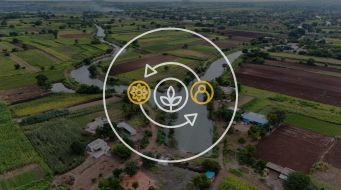
The film ‘Jala’ showcases how villages in Odisha restored water, farming, livelihoods, resilience, community leadership, and renewed hope.
Solar Lift Irrigation in this Chhattisgarh village improved rural livelihoods by enabling year-round farming and boosting farmer incomes.
Environmental DNA (eDNA) is transforming how scientists monitor biodiversity and ecosystem health by detecting genetic traces left by organisms in their environment. It offers a non-invasive, efficient way to track species, study climate impacts, and support conservation efforts.
India’s growing water crisis, driven by rising demand, pollution and inefficient technologies, poses a serious threat to its development goals. Addressing this challenge requires a shift toward sustainable and circular water management practices. With the right mix of policy, technology, and community action.
The long standing balance between sparrows and humans is shifting
‘Neeranjali – A Film About Collective Action for the Commons’ showcases tribal communities restoring water, land, and livelihoods through collective action, sustainable practices, and resilience in Korba villages, Chhattisgarh.
The women of Bhendikanhar in Gadchiroli made a collective decision to improve the condition of the Kurma ghar (small huts where women stay during their menstrual cycles) in their village
Community well improves water access in Samlai, reducing hardship for women, supporting farming livelihoods, and bringing dignity, convenience, and renewed hope
By Categories
By Tags
Sindhu’s 15-year journey reveals how widow property rights remain unclaimed without awareness, community support, and institutional guidance in rural India.
Capacity Building as a cornerstone of rural development strengthens leadership, resilience, sustainability, and community-driven solutions through inclusive training initiatives.
Participatory systems thinking empowers community-led development by integrating local knowledge, strengthening resilience, sustainability, and enabling adaptive, inclusive, long-term rural solutions.
Economic growth has surged globally, but it continues to overlook the true value of biodiversity, placing disproportionate risks on the Global South.
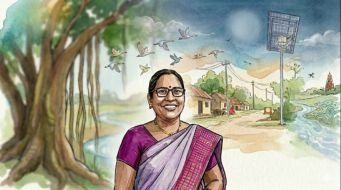
In Chhattisgarh, solar solutions bring water, irrigation, and light to villages, boosting livelihoods and building resilient, self-reliant communities.
In Rayagada district, crescent bunds help cashew trees retain water on hilly slopes, improving yields. A simple solution strengthening tribal livelihoods and climate resilience.
In Karauli district, revived pokhars and pagaras are conserving rainwater and restoring agriculture. These community-led efforts are reducing dependence on hazardous mining while improving livelihoods and health.
Circular economy keeps resources in use for as long as possible, extracts maximum value from them, and then recovers and regenerates products at the end of service life.