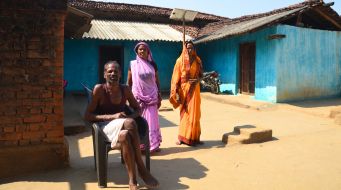
India is also home to a multitude of Indigenous Peoples and Local Communities (IPLCs), each with unique ethical, cultural, and traditional practices. For centuries, these communities have harnessed their Traditional Ecological Knowledge (TEK) to sustain their livelihoods and preserve their cultural identities.
WOTR recently celebrated 30 years of transformative rural development at its “Ripples of Change” event. It spotlighted WOTR’s impact in rejuvenating rural landscapes and empowering communities.
Culture is a reflection of an organisation’s identity, its unique personality, and the values it holds dear. It is the sum of its traditions, rituals, symbols, and stories, all of which contribute to a shared sense of purpose and meaning.
Despite the issues in water sector, a lot can still be done with the active involvement of relevant stakeholders, the private sector being integral to this
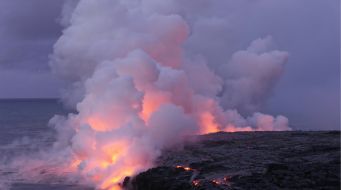
Odisha’s geothermal landscape holds immense potential, with untapped resources and exciting future prospects. Various initiatives are underway to explore and harness this energy, paving the way for sustainable development in the region.
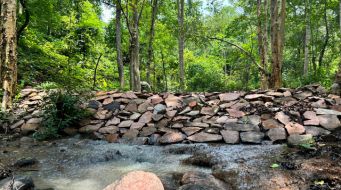
Soil erosion in Koriya, Chhattisgarh, threatens agriculture and infrastructure, requiring solutions like Loose Boulder Structures (LBS). LBS, a cost-effective method, controls erosion, conserves water, and supports local ecosystems.
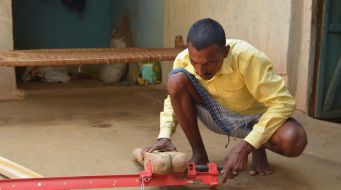
Suraj Lal turned his carpentry passion into a business, crafting furniture for his village with WOTR and AHB’s support. Similarly, Bir Singh and his team in Dungripara built a successful construction enterprise, creating a path to self-sufficiency.
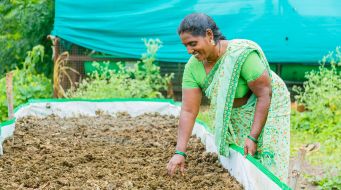
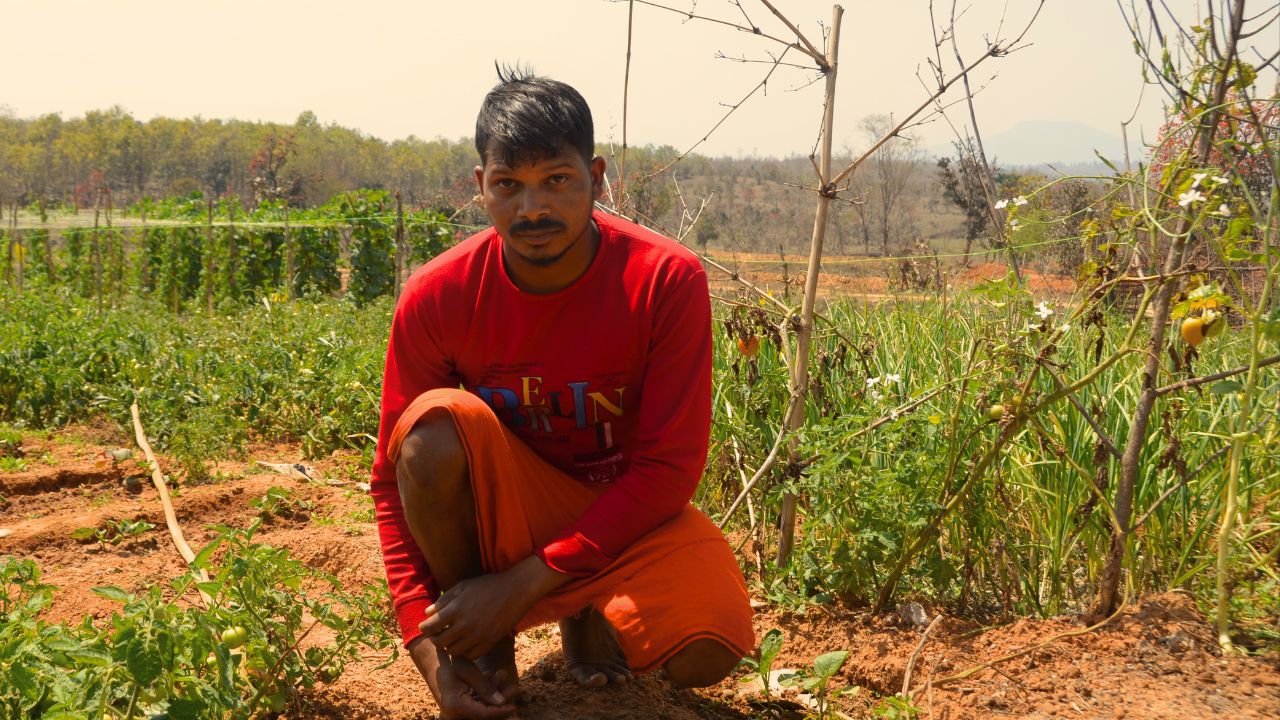
Sahulia Singh’s family, once reliant on a limited diet of rice and potatoes, now grows a variety of vegetables through WOTR’s kitchen garden initiative, improving their nutrition and reducing dependence on distant markets.
India is also home to a multitude of Indigenous Peoples and Local Communities (IPLCs), each with unique ethical, cultural, and traditional practices. For centuries, these communities have harnessed their Traditional Ecological Knowledge (TEK) to sustain their livelihoods and preserve their cultural identities.
WOTR recently celebrated 30 years of transformative rural development at its “Ripples of Change” event. It spotlighted WOTR’s impact in rejuvenating rural landscapes and empowering communities.
Culture is a reflection of an organisation’s identity, its unique personality, and the values it holds dear. It is the sum of its traditions, rituals, symbols, and stories, all of which contribute to a shared sense of purpose and meaning.
Despite the issues in water sector, a lot can still be done with the active involvement of relevant stakeholders, the private sector being integral to this
Odisha’s geothermal landscape holds immense potential, with untapped resources and exciting future prospects. Various initiatives are underway to explore and harness this energy, paving the way for sustainable development in the region.
Soil erosion in Koriya, Chhattisgarh, threatens agriculture and infrastructure, requiring solutions like Loose Boulder Structures (LBS). LBS, a cost-effective method, controls erosion, conserves water, and supports local ecosystems.
Suraj Lal turned his carpentry passion into a business, crafting furniture for his village with WOTR and AHB’s support. Similarly, Bir Singh and his team in Dungripara built a successful construction enterprise, creating a path to self-sufficiency.
Sahulia Singh’s family, once reliant on a limited diet of rice and potatoes, now grows a variety of vegetables through WOTR’s kitchen garden initiative, improving their nutrition and reducing dependence on distant markets.
Indigenous food systems sustain generations through women’s forest knowledge, biodiversity, and seasonal wisdom—now threatened by climate change. Discover their resilience.