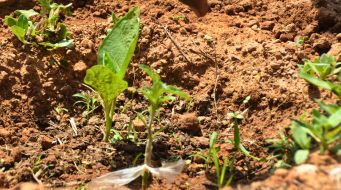
Phulman Singh and Ravi Marabi transformed their barren lands into thriving farms, bringing them closer to realising their dreams of building homes for their families.
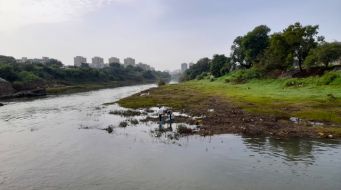
Urbanization and water scarcity are escalating challenges, but often overlooked, urban wetlands, offer crucial solutions. These vibrant ecosystems, found within or near cities, provide vital environmental benefits.
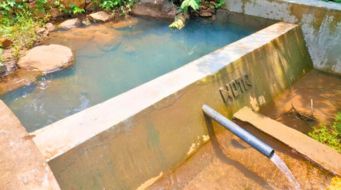
Diversion-Based Irrigation (DBI) merges ancient practices with modern technology, using gravity and slope to water crops without external energy. Understanding site conditions is crucial for successful DBI implementation, supporting sustainable agriculture.
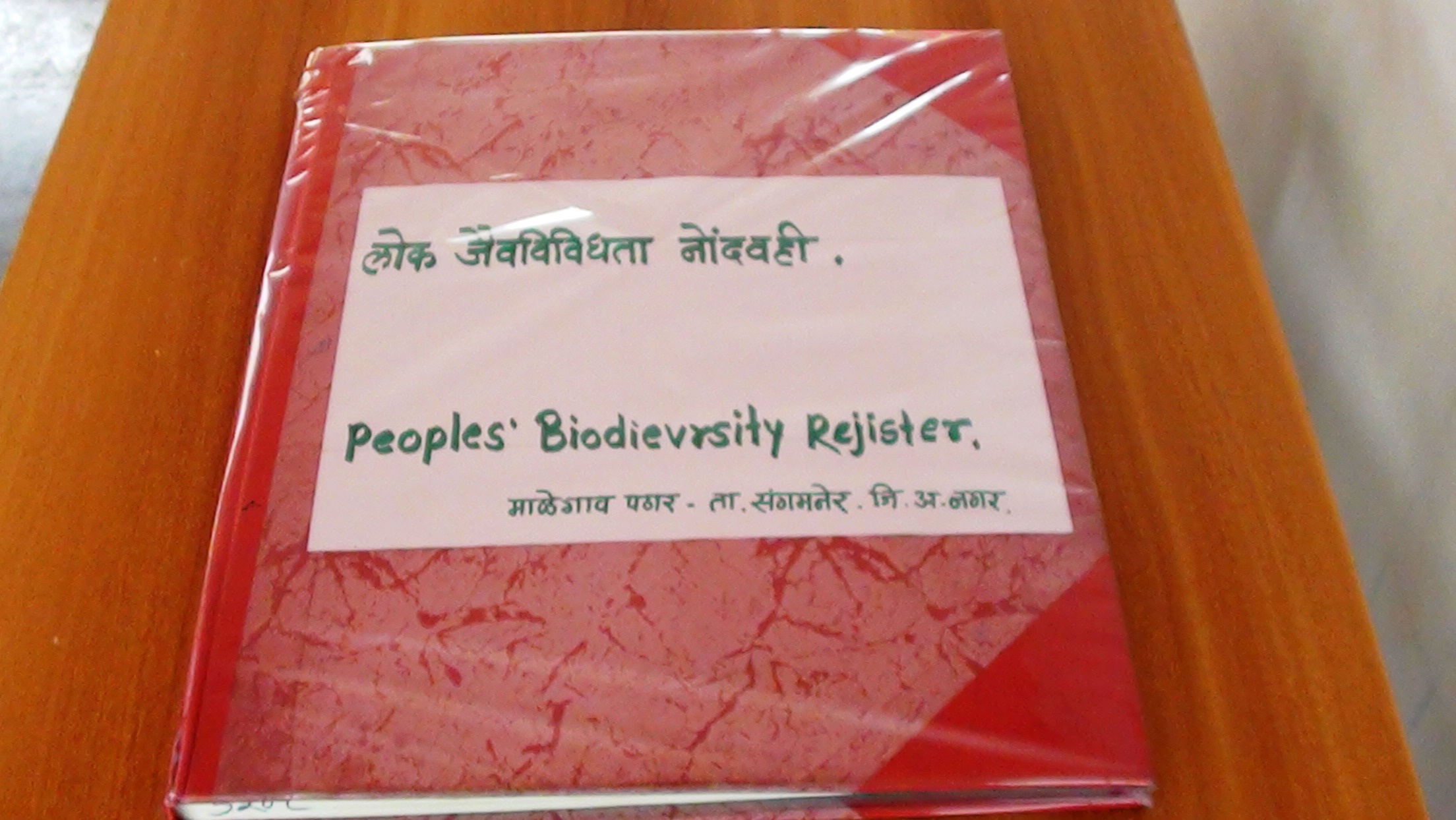
Life is nothing if not diverse! And so is the world around us. From the thick, all-encompassing worldly banyan trees to the thin films of algae that floats on water surfaces, from the gorgeous, speckled butterflies to the slimy brown bugs that feast on
An Environment is a setting in which plants, animals, humans, bacteria, etc. (biotic components) interact with abiotic components such as water, soil, and atmosphere. The interaction happens as per each component’s characteristics, features
People in the rural rainfed areas of India are facing multiple challenges- degradation of land and other natural resources, water scarcity, lack of social empowerment and welfare, unequal distribution of the wealth, high level of vulnerability to climate change,
The water flowing beneath the surface is the largest source of fresh water on the planet. This “hidden resource” accounts for just 0.62% of the total water and 30% of the freshwater available on earth. Water availability, or the lack of it, is a cross-cutting issue.
Gender stereotypes have shaped expectations and defined roles that have been stitched tightly into the seam of rural fabric. Given the centrality of gender equality to climate or development goals, ripping the biases out will be imperative. While there’s no quick fix to this, addressing the following overarching biases could be a start
Gender inclusiveness and women empowerment has garnered strong support globally, especially in the last couple of decades, and rightly so. Women are pivotal to the progress of a nation and play a key role in defining the culture of a society.
Climate change itself may be gender-neutral, but any action we need to take for adaptation cannot be anything but women-centric. Climate action cannot do without women. The reasons are endless, but let me bring out the five specific ones, and all of them have to do with every day and straightforward logic.
Phulman Singh and Ravi Marabi transformed their barren lands into thriving farms, bringing them closer to realising their dreams of building homes for their families.
Urbanization and water scarcity are escalating challenges, but often overlooked, urban wetlands, offer crucial solutions. These vibrant ecosystems, found within or near cities, provide vital environmental benefits.
Diversion-Based Irrigation (DBI) merges ancient practices with modern technology, using gravity and slope to water crops without external energy. Understanding site conditions is crucial for successful DBI implementation, supporting sustainable agriculture.
Life is nothing if not diverse! And so is the world around us. From the thick, all-encompassing worldly banyan trees to the thin films of algae that floats on water surfaces, from the gorgeous, speckled butterflies to the slimy brown bugs that feast on
An Environment is a setting in which plants, animals, humans, bacteria, etc. (biotic components) interact with abiotic components such as water, soil, and atmosphere. The interaction happens as per each component’s characteristics, features
People in the rural rainfed areas of India are facing multiple challenges- degradation of land and other natural resources, water scarcity, lack of social empowerment and welfare, unequal distribution of the wealth, high level of vulnerability to climate change,
The water flowing beneath the surface is the largest source of fresh water on the planet. This “hidden resource” accounts for just 0.62% of the total water and 30% of the freshwater available on earth. Water availability, or the lack of it, is a cross-cutting issue.
Gender stereotypes have shaped expectations and defined roles that have been stitched tightly into the seam of rural fabric. Given the centrality of gender equality to climate or development goals, ripping the biases out will be imperative. While there’s no quick fix to this, addressing the following overarching biases could be a start
Gender inclusiveness and women empowerment has garnered strong support globally, especially in the last couple of decades, and rightly so. Women are pivotal to the progress of a nation and play a key role in defining the culture of a society.
Climate change itself may be gender-neutral, but any action we need to take for adaptation cannot be anything but women-centric. Climate action cannot do without women. The reasons are endless, but let me bring out the five specific ones, and all of them have to do with every day and straightforward logic.
An analogy for climate adaptation, showing that scientific expertise alone is not enough. It reminds us that the knowledge on the ground is equally important in making informed decisions
Maharashtra village, Gosasi, transforms chronic water scarcity into year-round security through watershed structures, women-led savings groups, and sustainable farming practices.
El Niño exposes hidden economic costs of degraded ecosystems, revealing why water stewardship and natural capital investment strengthen rural climate resilience.
Crop simulation reveals a startling truth: without adaptation, South Asian farmers could lose up to half their harvest by 2047. How can simulation help with adaptation?