The state of Maharashtra has a wide range of rainfall patterns, ranging from 6000mm to 500mm. With 82 percent of the rural population reliant on agriculture for a living, even small changes in this diversified regional and yearly rainfall
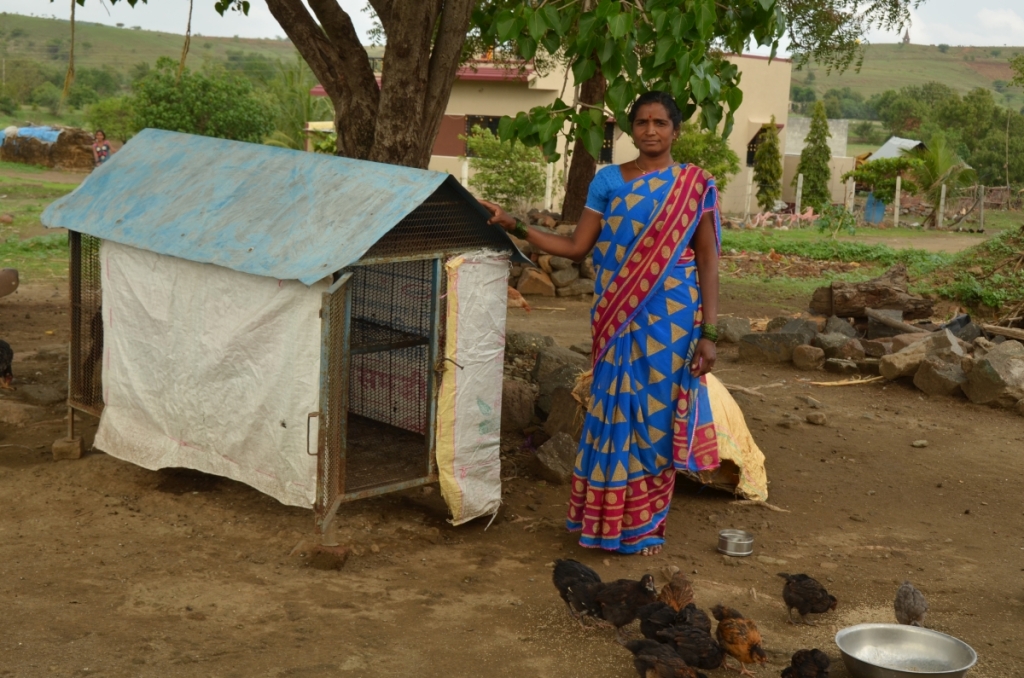
Raising daily wage work is the second-highest source of income, followed by agriculture. However, as agriculture becomes less remunerative due to an increase in the cost of cultivation and fewer crop returns from climate change, alternate livelihoods f
Reimagining FPCs as drivers of climate resilience through ecosystem-based approaches to farming. Highlighting how water conservation, soil health and women’s leadership are strengthening livelihoods.
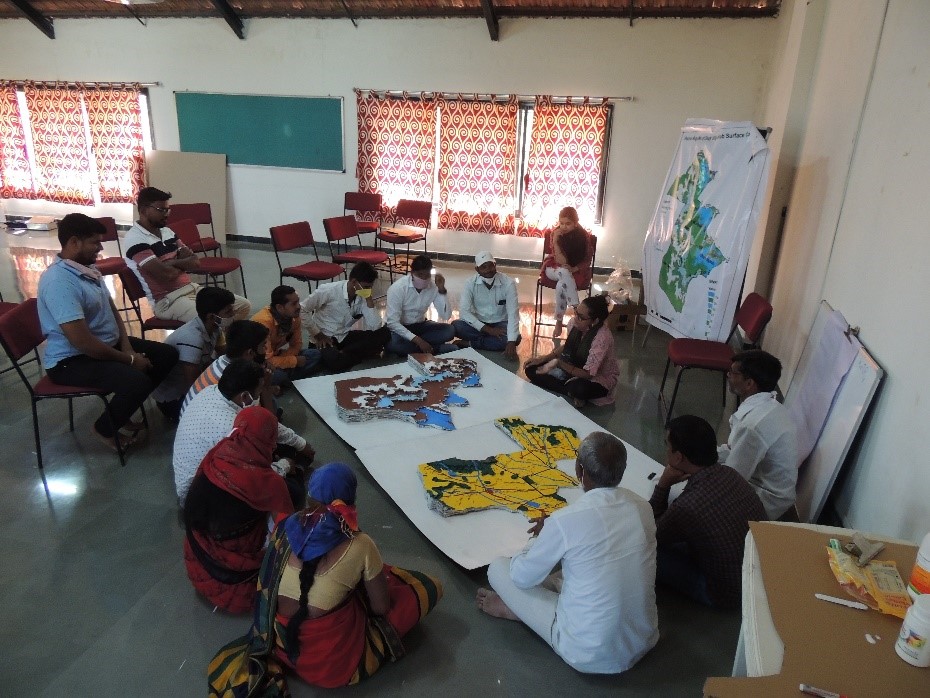
The Community-Driven Visual Integrator (CDVI) 3D model enables communities in Telangana to visualize groundwater systems and understand them as shared resources. By simplifying complex hydrogeological data into participatory tools.
Grasslands are vital yet often overlooked ecosystems that support biodiversity, livelihoods, and climate resilience. Their decline due to policy and land-use changes, and emphasises the urgent need for conservation, and restoration.
Understanding the gap between what weather forecasts predict and what people experience on the ground is essential for ensuring that weather information truly supports decisions in agriculture, livelihoods, and disaster preparedness