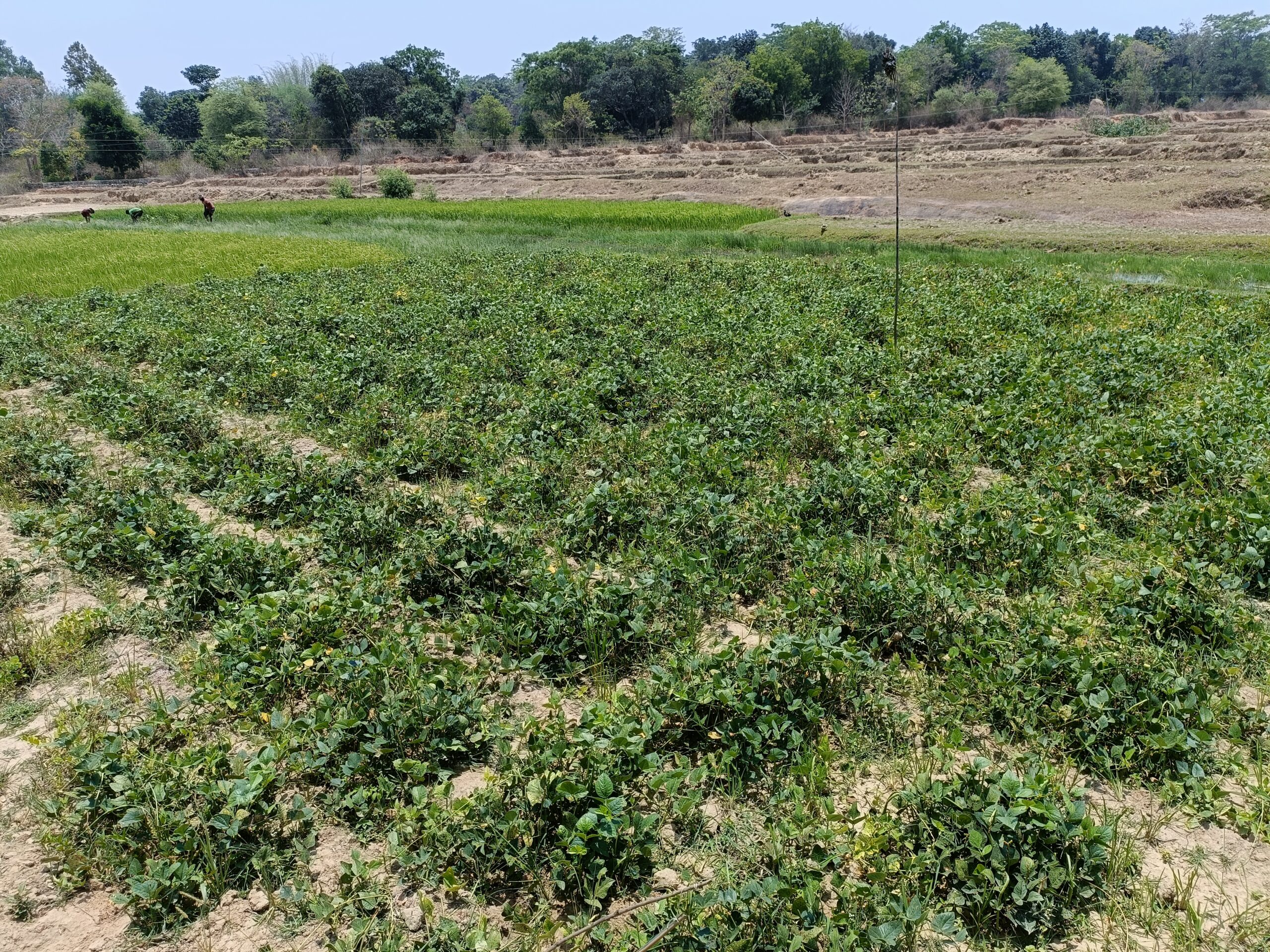
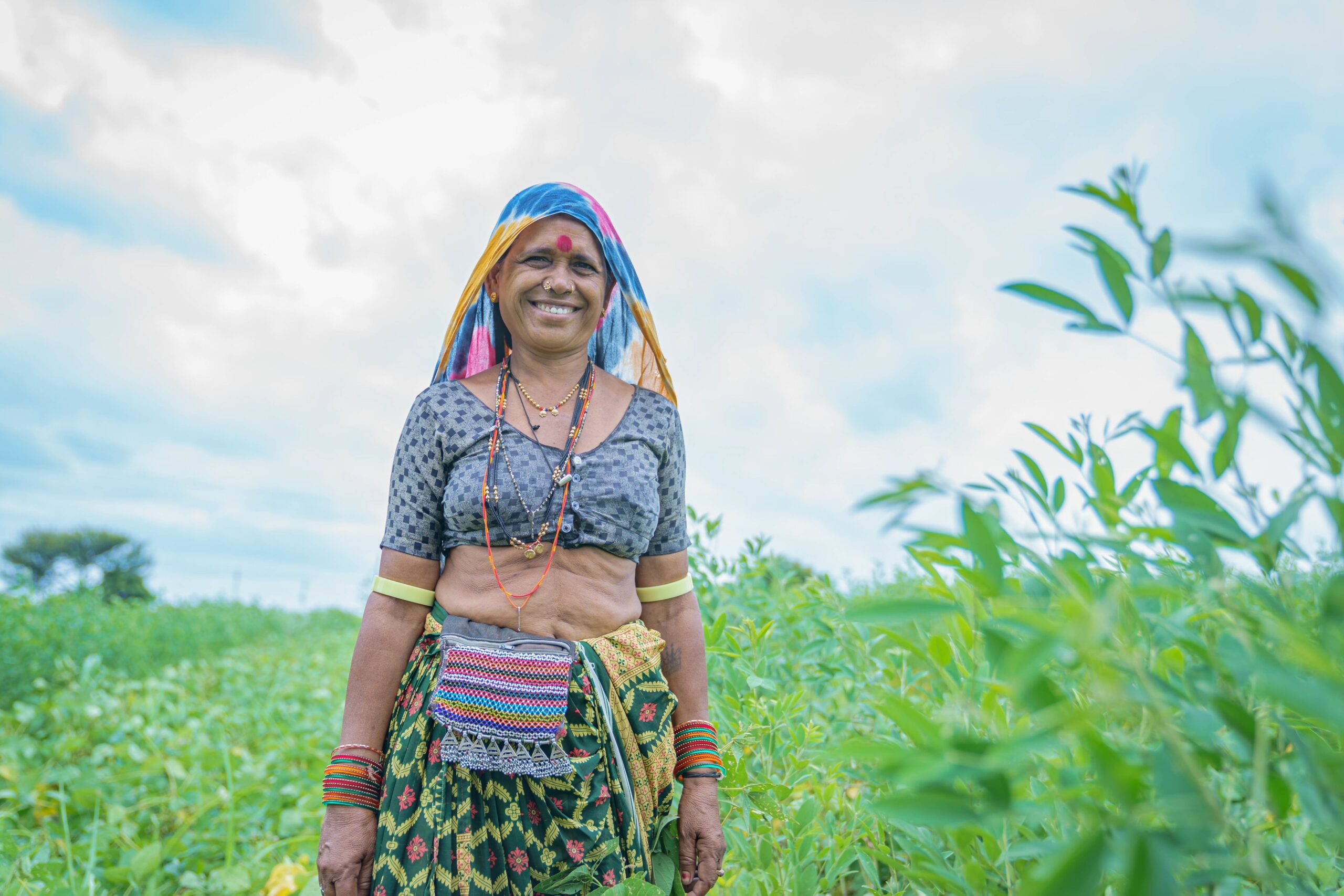
Singaram Budhundu, 58, is a marginal farmer who lives with his family of 8 in Chinnajetram village in Narayanpet, Telangana. He owns 2 acres of land, where he grows rice and red gram. Within a small place, Budhundu and his family members manage a small kitchen garden and grow vegetables like red chillies, brinjal, tomatoes, okra and cauliflower using water from the household tap.
A Better Tomorrow
Stories, Practices, and Solutions
Aligned with WOTR’s mission to enhance the livelihoods of small and marginalised farmers, FPOs facilitate collective action, promote sustainable farming practices, and provide better market access. This article outlines the critical role FPOs play in strengthening food systems and ensuring food security and highlights their relevance to WOTR’s initiatives.
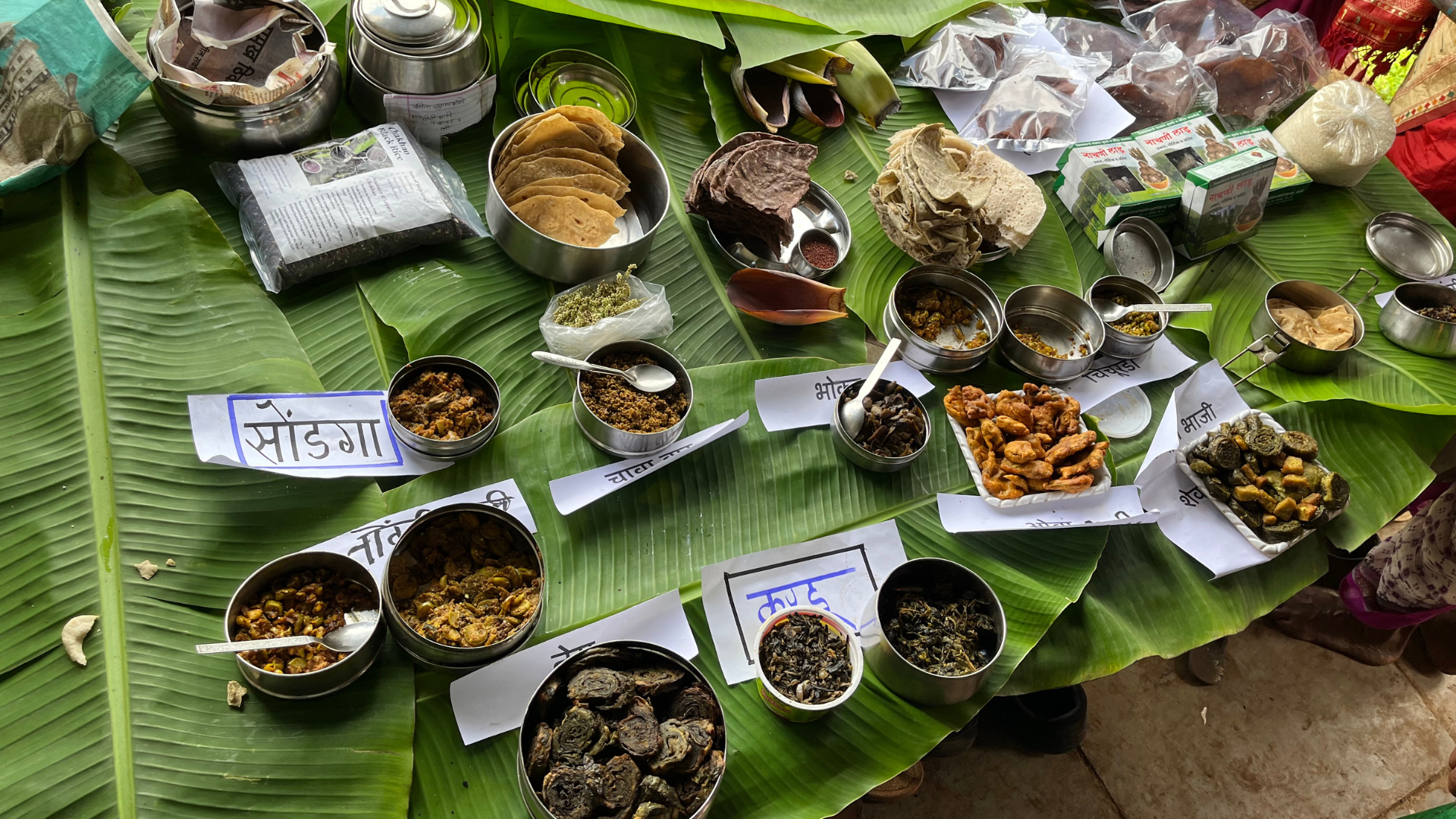
The Raan Bhaji festival celebrates indigenous, wild edible plants used in local cuisine, highlighting the ancient diet of human civilisations. Wild Edible Plants (WEPs) thrive independently, predating modern agriculture. WEPs are integral to the sustenance of traditional and indigenous food methodologies, particularly within rural and
Achieving food security in India with 17.7% of the world’s population but only 2.4% of its land1 is a daunting task. Despite an estimated food production of 314 million metric tons in 2021-2022, the country still faces the challenge of feeding its
India, with a population of 1.4 billion, has long been concerned with ensuring food security. Despite recent economic growth, the country continues to face challenges in eradicating hunger. Maharashtra, one of India’s largest states in terms of area and
A webinar on ‘Promoting FPOs for resilient incomes and sustainable farming practices in India’ brought together practitioners and experts to discuss emergent challenges and opportunities related to Farmer Producer Organisations (FPOs) and
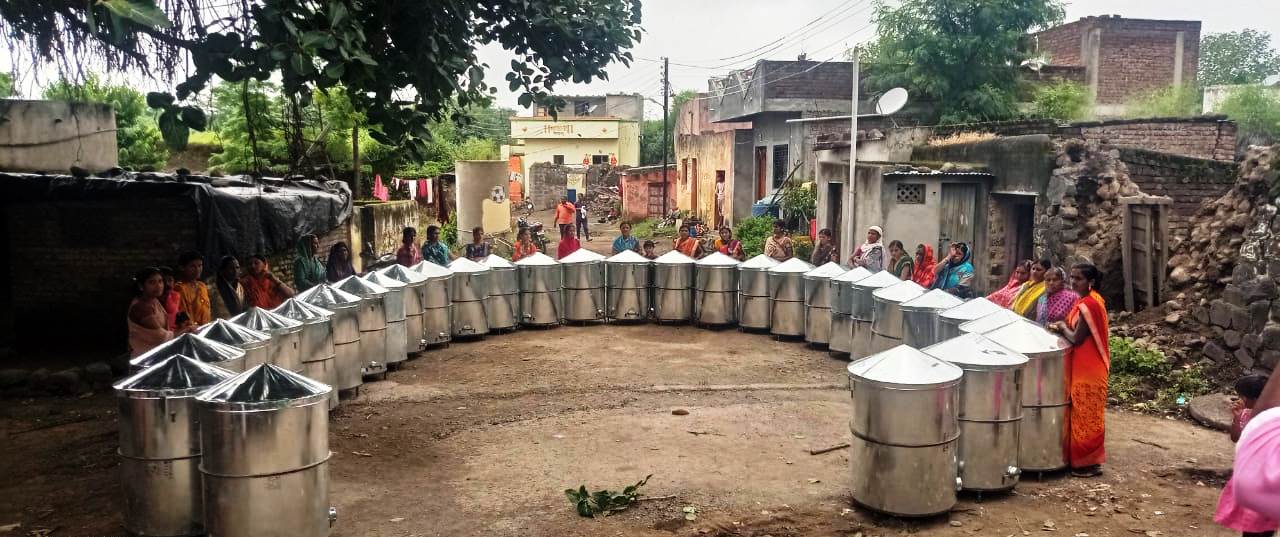
For rural households that are primarily dependent on agriculture, grain storage units made from steel and aluminium offer relief from time poverty and save women the effort of continuous grain monitoring. The time gained
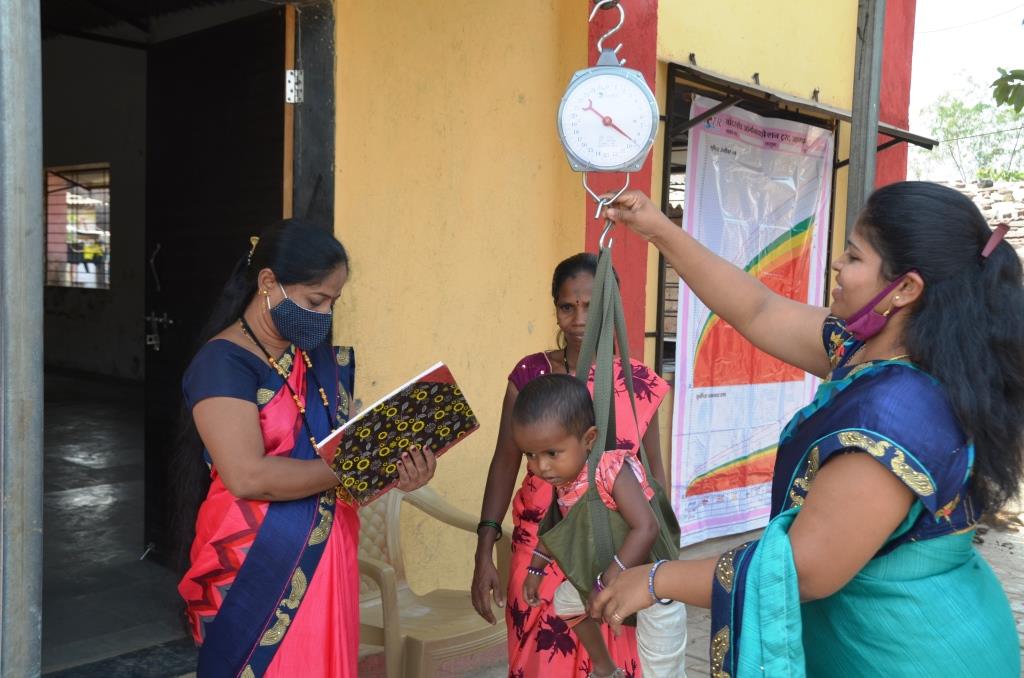
According to the HUNGaMA (Hunger and Malnutrition) Survey, almost one in every five children in 112 districts of India is at risk of malnutrition. Rayagada in Odisha is one such district that is majorly occupied by the Khonds and Lanjia Soras tribes.
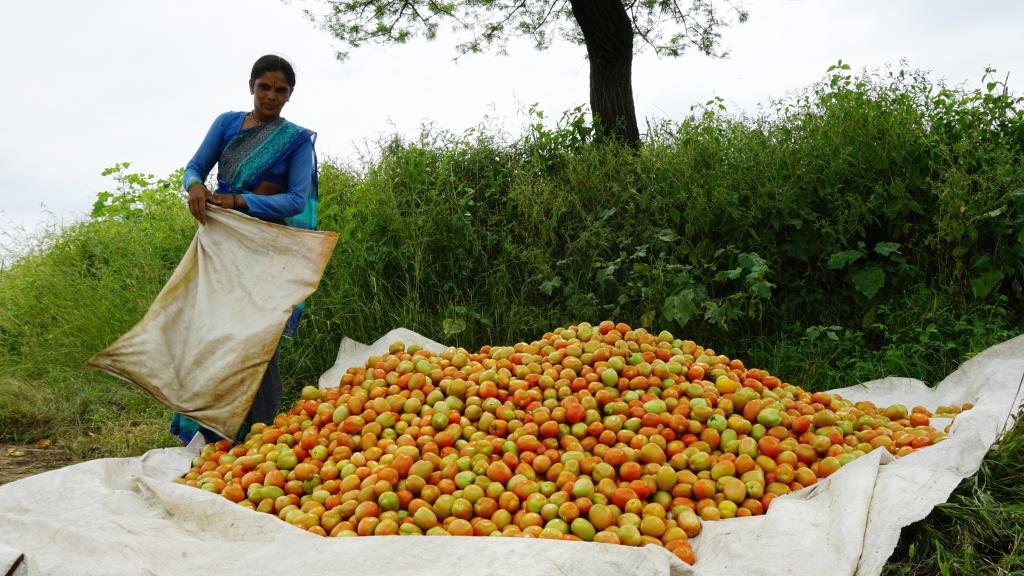
The villages in the Murhu block of Jharkhand are mainly occupied by members of the Munda tribe. Traditionally, these small landholding farmers cultivate paddy and lac—a natural resin secreted by the lac insect. However, in recent years they have also adapted to the cultivation of tomatoes, watermelon and potatoes.
Singaram Budhundu, 58, is a marginal farmer who lives with his family of 8 in Chinnajetram village in Narayanpet, Telangana. He owns 2 acres of land, where he grows rice and red gram. Within a small place, Budhundu and his family members manage a small kitchen garden and grow vegetables like red chillies, brinjal, tomatoes, okra and cauliflower using water from the household tap.
Aligned with WOTR’s mission to enhance the livelihoods of small and marginalised farmers, FPOs facilitate collective action, promote sustainable farming practices, and provide better market access. This article outlines the critical role FPOs play in strengthening food systems and ensuring food security and highlights their relevance to WOTR’s initiatives.
The Raan Bhaji festival celebrates indigenous, wild edible plants used in local cuisine, highlighting the ancient diet of human civilisations. Wild Edible Plants (WEPs) thrive independently, predating modern agriculture. WEPs are integral to the sustenance of traditional and indigenous food methodologies, particularly within rural and
Achieving food security in India with 17.7% of the world’s population but only 2.4% of its land1 is a daunting task. Despite an estimated food production of 314 million metric tons in 2021-2022, the country still faces the challenge of feeding its
India, with a population of 1.4 billion, has long been concerned with ensuring food security. Despite recent economic growth, the country continues to face challenges in eradicating hunger. Maharashtra, one of India’s largest states in terms of area and
A webinar on ‘Promoting FPOs for resilient incomes and sustainable farming practices in India’ brought together practitioners and experts to discuss emergent challenges and opportunities related to Farmer Producer Organisations (FPOs) and
For rural households that are primarily dependent on agriculture, grain storage units made from steel and aluminium offer relief from time poverty and save women the effort of continuous grain monitoring. The time gained
According to the HUNGaMA (Hunger and Malnutrition) Survey, almost one in every five children in 112 districts of India is at risk of malnutrition. Rayagada in Odisha is one such district that is majorly occupied by the Khonds and Lanjia Soras tribes.
The villages in the Murhu block of Jharkhand are mainly occupied by members of the Munda tribe. Traditionally, these small landholding farmers cultivate paddy and lac—a natural resin secreted by the lac insect. However, in recent years they have also adapted to the cultivation of tomatoes, watermelon and potatoes.
By Categories
By Tags
From aspiring government teacher to community leader, Mahaveer journey shows how community mobilisation, leadership and collective action can transform rural development in Rajasthan.
Group irrigation wells reveal how shared water resources can strengthen livelihoods, support year-round farming, and prepare for climate uncertainty.
It is a small enterprise, still finding its feet. But its beginnings are firmly local, shaped by what the women know, what the farmers need and what the village already has.
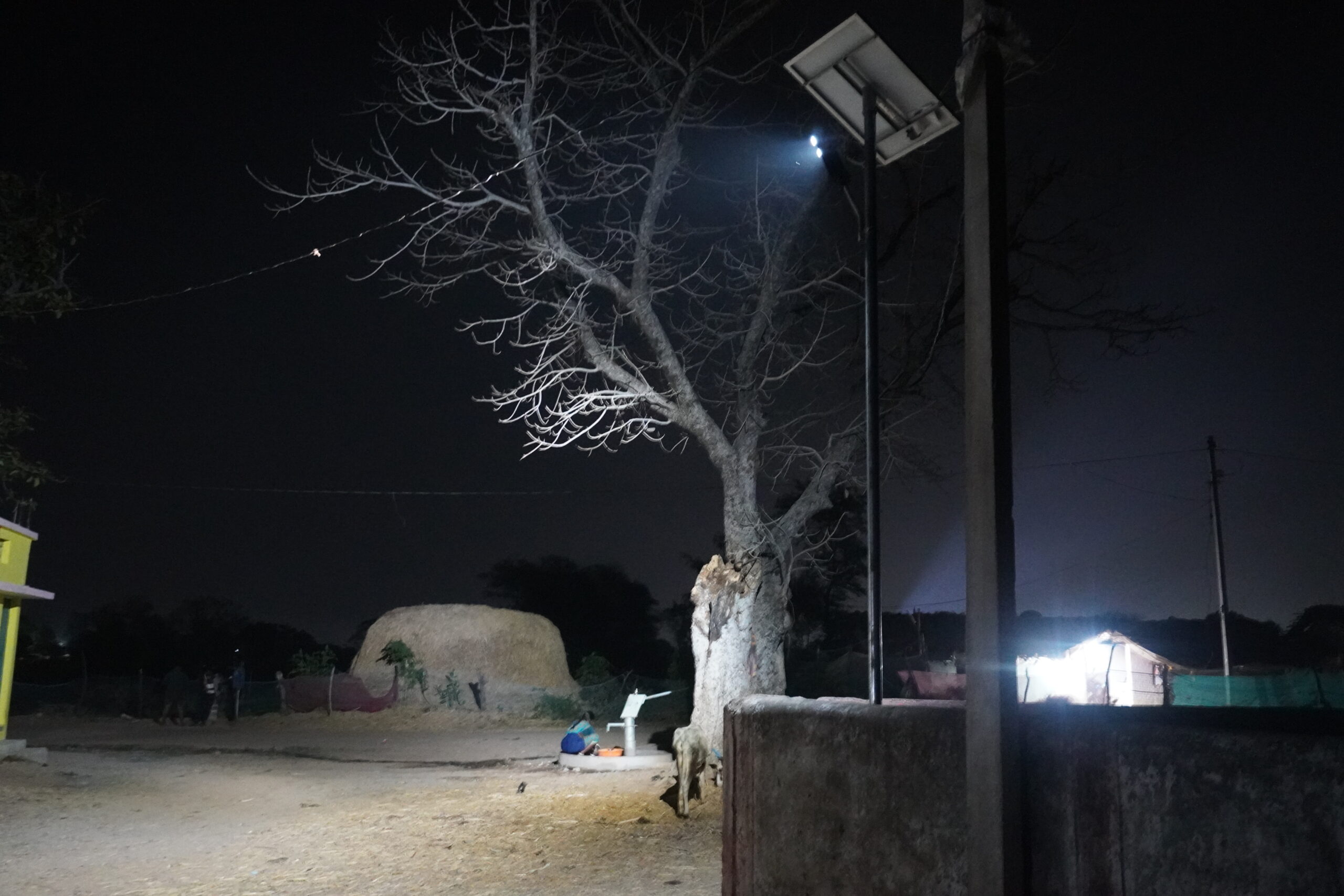
Bringing light, safety, and renewed community life to 20 villages in Kabirdham through 150 solar streetlights, empowering communities to reclaim their public spaces.
How planning and implementation of ecosystem-based adaptation (EbA) and agroecology principles in arid or semi-arid regions can help address the growing impacts of climate change.
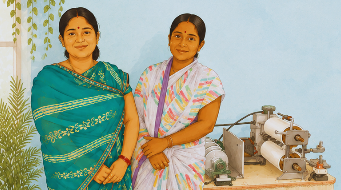
Two mothers in drought-hit Marathwada built a papad enterprise with WOTR and Standard Chartered Bank, paying school fees for their children.
COP17 put a simple question to the world’s drought experts: can lost land be restored? WOTR’s watersheds may hold the answer.
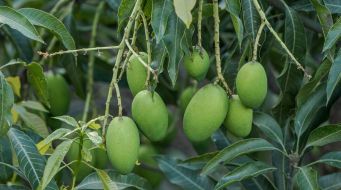
Mango orchards are improving rural livelihoods in Chhattisgarh, creating resilient farms, diverse incomes, and long-term opportunities for farming communities.