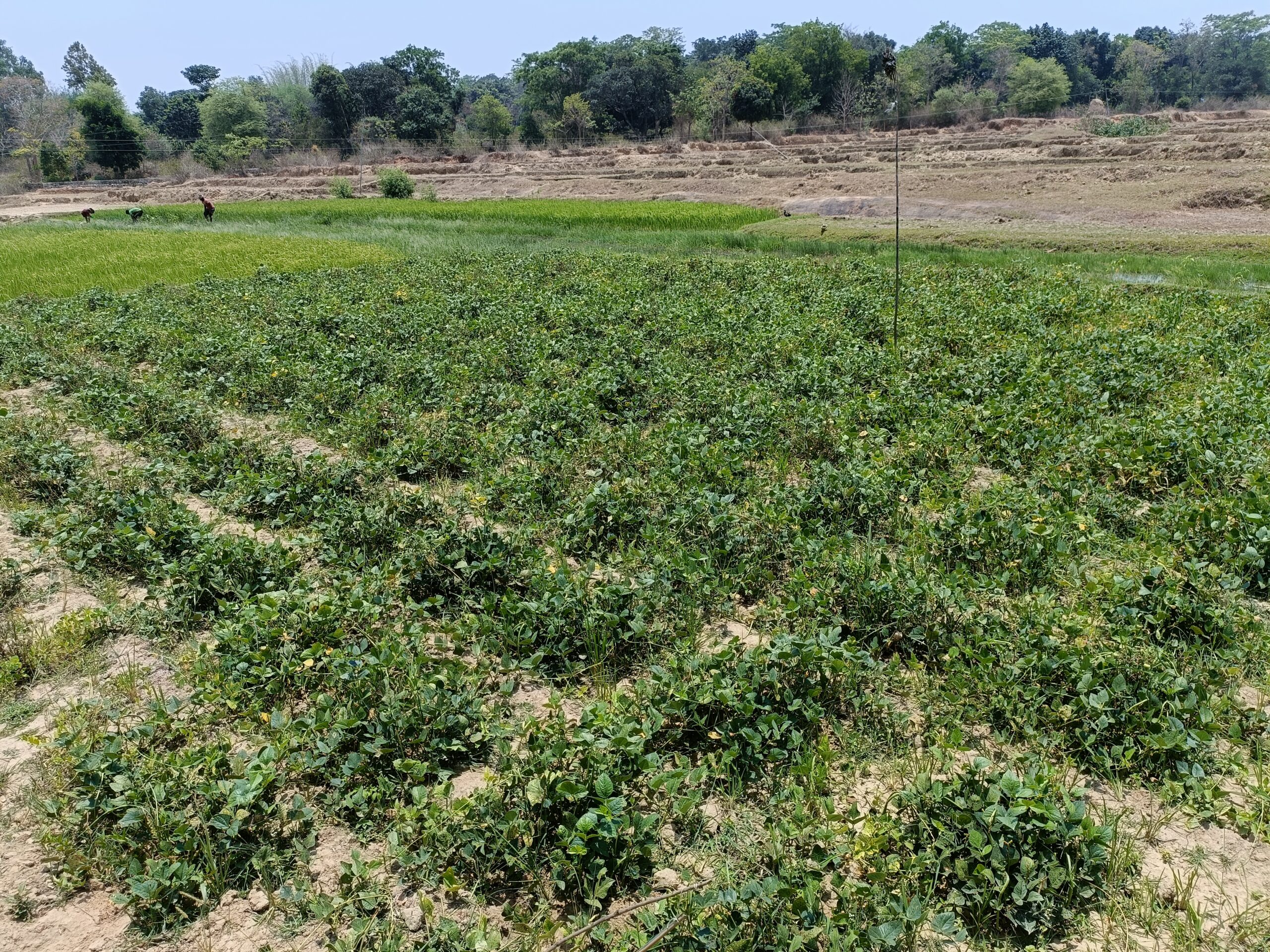
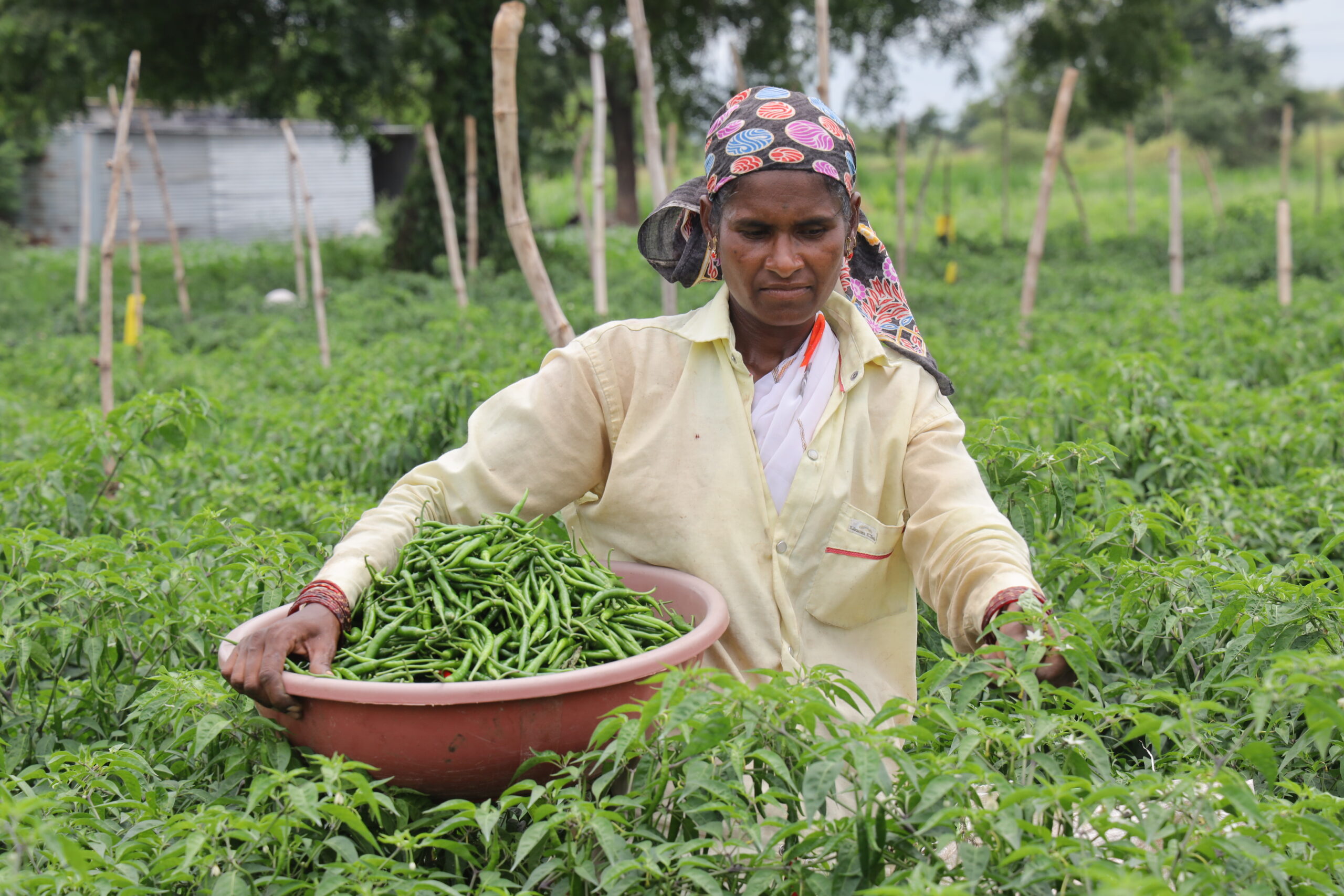
Until about five years back cotton, paddy and red gram were considered the only profitable crops by the farmers of Kamsanpally village in Damargidda Mandal, Narayanpet district of Telangana. Water scarcity and extreme climatic conditions
A Better Tomorrow
Stories, Practices, and Solutions
For years, Ramnarayan Meena had been only limited to millets, paddy and wheat from his 9 bigha land. The limited water for irrigation left him with not many options. The income was meagre, just adequate to run his family.
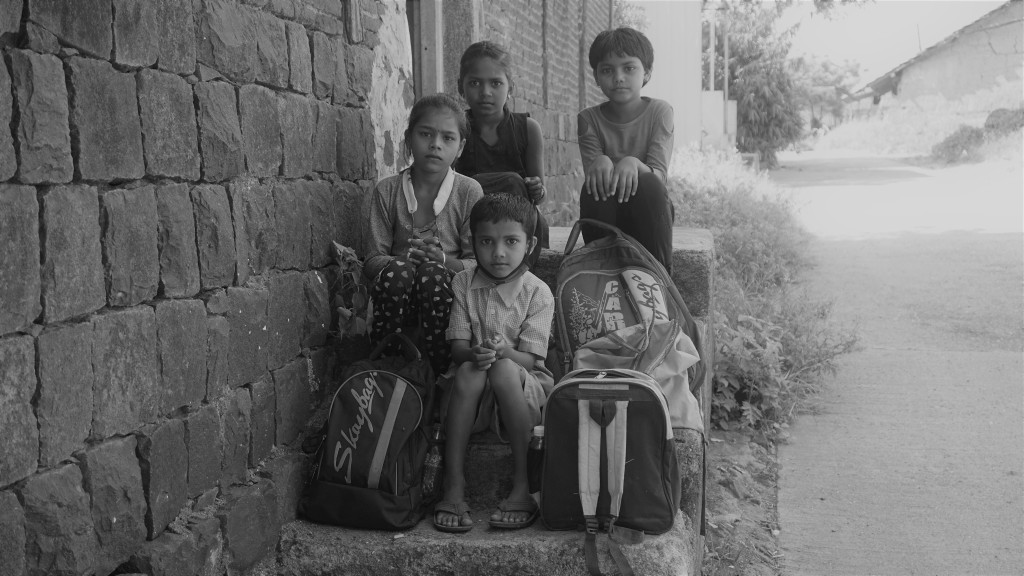
According to the HUNGaMA (Hunger and Malnutrition) Survey, almost one in every five children in 112 districts of India is at risk of malnutrition. Rayagada in Odisha is one such district that is majorly occupied by the Khonds and Lanjia Soras tribes.
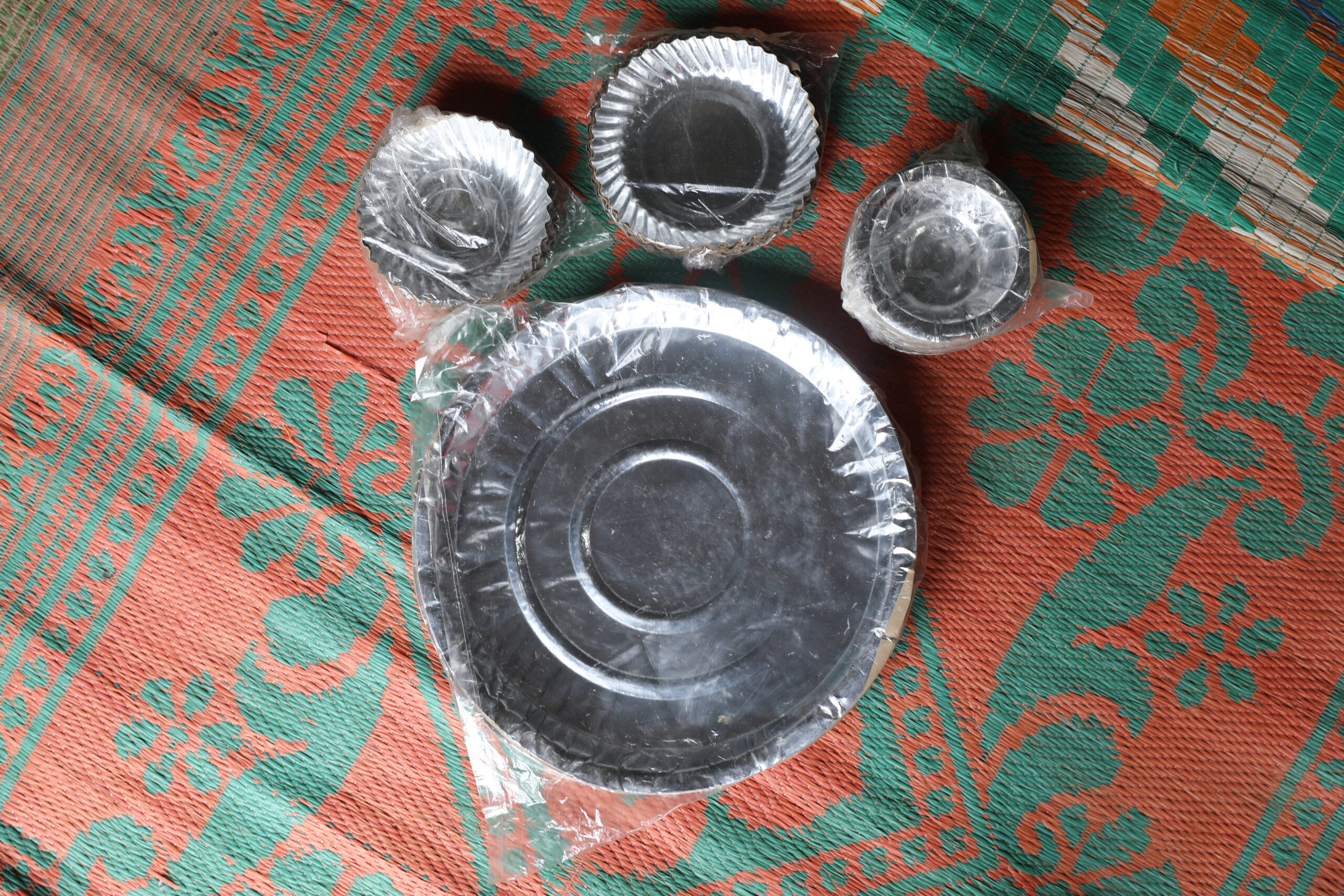
Making dona-pattal (dishes) out of tree leaves is a common activity for several tribal villages in Madhya Pradesh. Women are often seen doing this activity which is not only eco-friendly but also a source of income generation for many families.
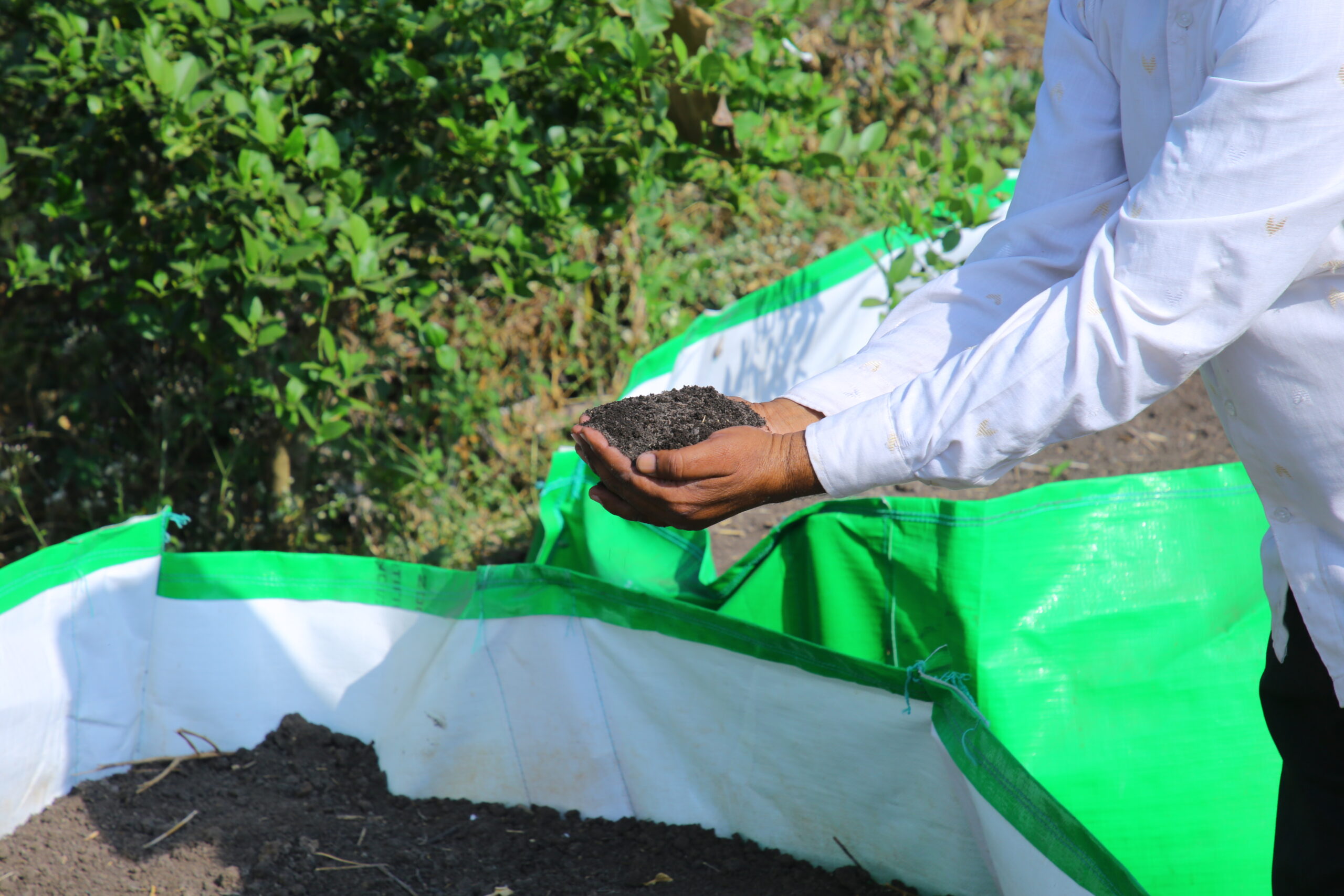
Three years back when Meena suggested replacing chemical fertilizers with vermicompost, she was ridiculed and strongly opposed. “My husband and son were not at all convinced to use organic manure. For them, it was a huge risk and could lead to losses,” said Meena Atmaram Hazare
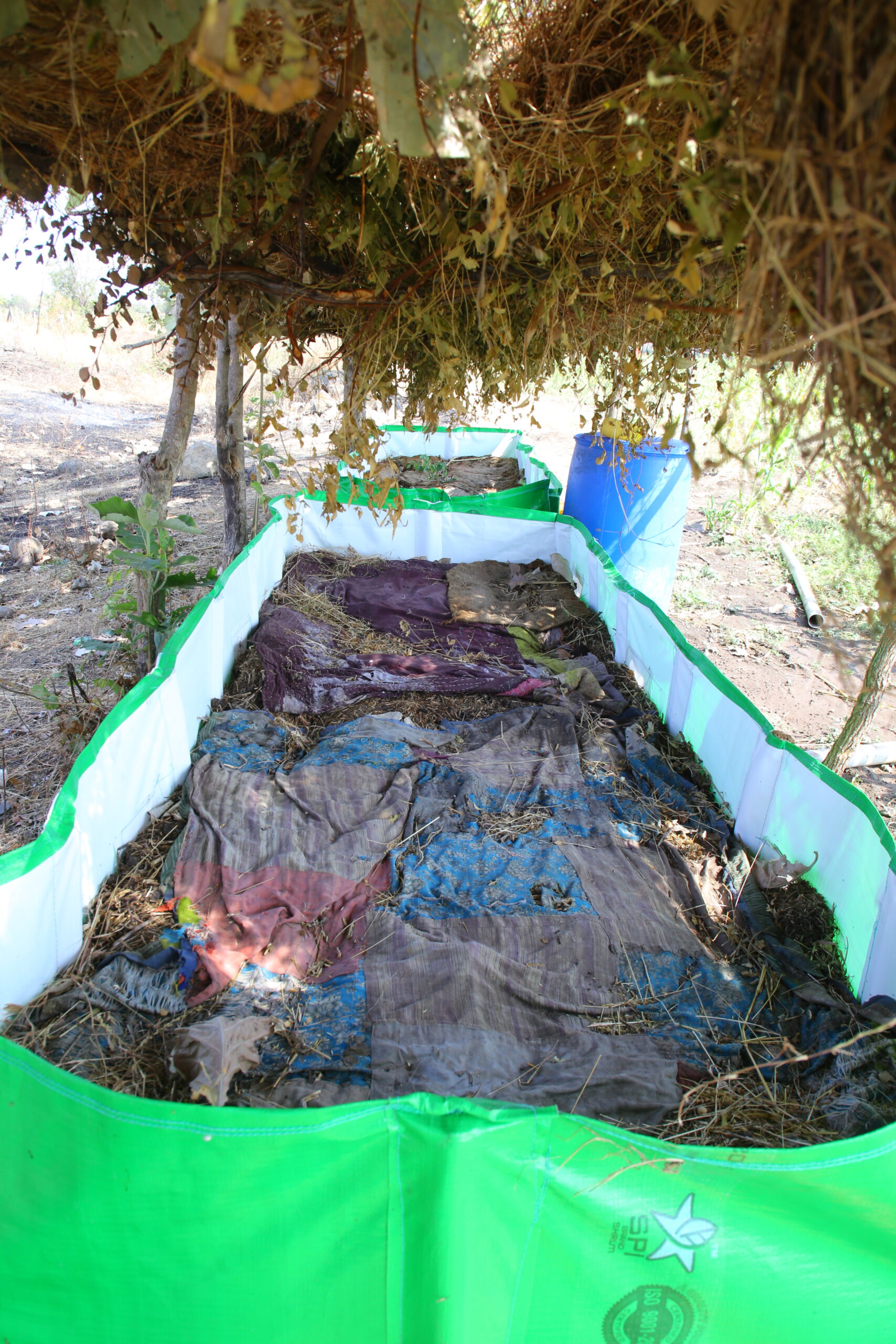
Santosh Salve was on cloud nine when WOTR began its work in the Ambad block of Jalna district in Maharashtra. As WOTR started working with the local community to promote climate-resilient agriculture, Santosh approached the team with a specific interest – building a low-cost setup to prepare vermicompost.
The villages in the Murhu block of Jharkhand are mainly occupied by members of the Munda tribe. Traditionally, these small landholding farmers cultivate paddy and lac—a natural resin secreted by the lac insect. However, in recent years they have also adapted to the cultivation of tomatoes, watermelon and potatoes.
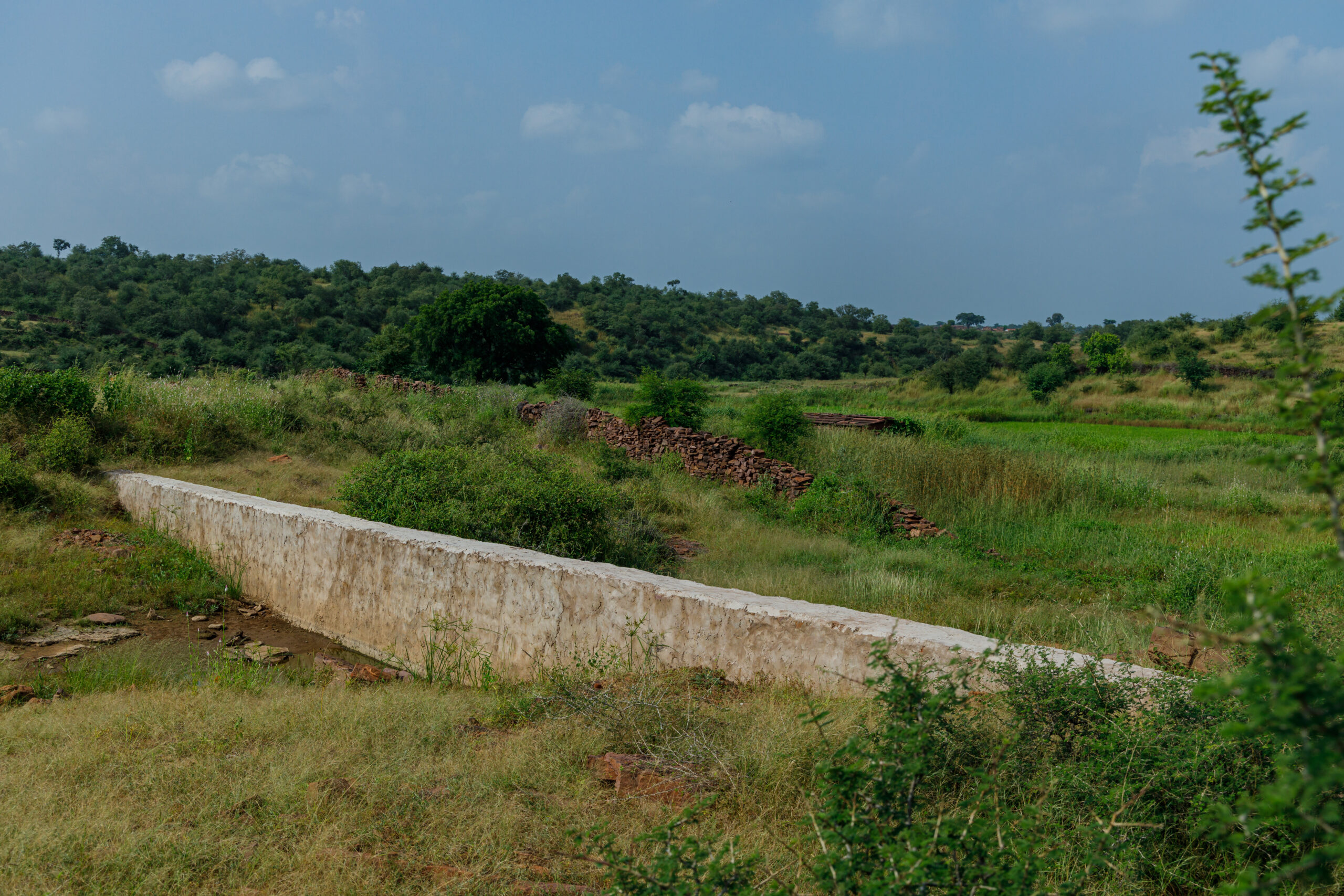
Groundwater resources, considered a replenishable resource, are often overexploited to meet the growing demand of agriculture, domestic, industrial purposes, and inhabitants. Its depletion has hugely affected the economic and social sector, forcing farmers in Maharashtra to construct new wells.
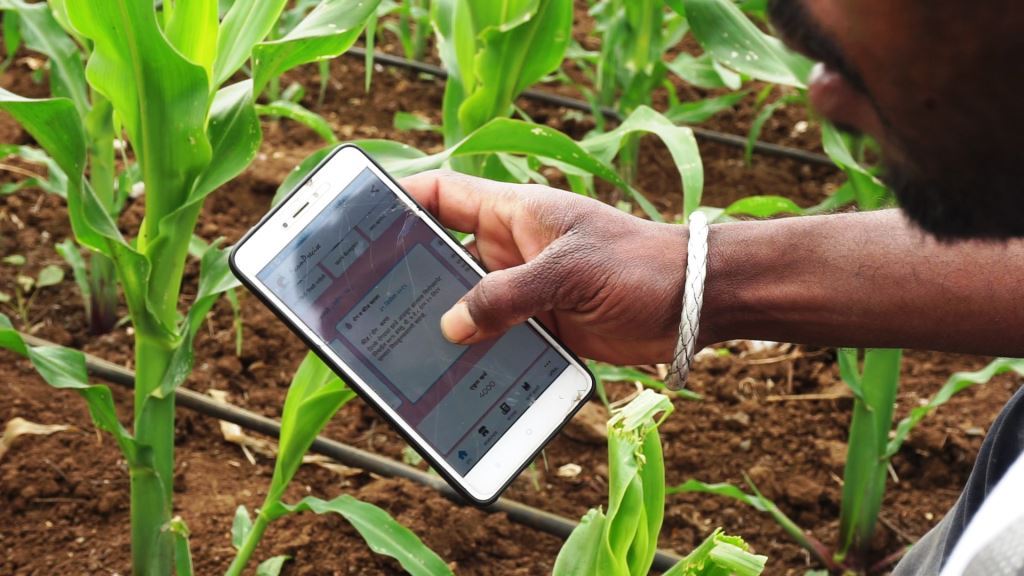
In continuation with a previous blog on “Role of Mobile Apps for Climate Smart Agro-Advisory in Agriculture”, there is a need to provide farmers with a dynamic decision support system that is tailored to their specific farm/crops and provides
Until about five years back cotton, paddy and red gram were considered the only profitable crops by the farmers of Kamsanpally village in Damargidda Mandal, Narayanpet district of Telangana. Water scarcity and extreme climatic conditions
For years, Ramnarayan Meena had been only limited to millets, paddy and wheat from his 9 bigha land. The limited water for irrigation left him with not many options. The income was meagre, just adequate to run his family.
According to the HUNGaMA (Hunger and Malnutrition) Survey, almost one in every five children in 112 districts of India is at risk of malnutrition. Rayagada in Odisha is one such district that is majorly occupied by the Khonds and Lanjia Soras tribes.
Making dona-pattal (dishes) out of tree leaves is a common activity for several tribal villages in Madhya Pradesh. Women are often seen doing this activity which is not only eco-friendly but also a source of income generation for many families.
Three years back when Meena suggested replacing chemical fertilizers with vermicompost, she was ridiculed and strongly opposed. “My husband and son were not at all convinced to use organic manure. For them, it was a huge risk and could lead to losses,” said Meena Atmaram Hazare
Santosh Salve was on cloud nine when WOTR began its work in the Ambad block of Jalna district in Maharashtra. As WOTR started working with the local community to promote climate-resilient agriculture, Santosh approached the team with a specific interest – building a low-cost setup to prepare vermicompost.
The villages in the Murhu block of Jharkhand are mainly occupied by members of the Munda tribe. Traditionally, these small landholding farmers cultivate paddy and lac—a natural resin secreted by the lac insect. However, in recent years they have also adapted to the cultivation of tomatoes, watermelon and potatoes.
Groundwater resources, considered a replenishable resource, are often overexploited to meet the growing demand of agriculture, domestic, industrial purposes, and inhabitants. Its depletion has hugely affected the economic and social sector, forcing farmers in Maharashtra to construct new wells.
In continuation with a previous blog on “Role of Mobile Apps for Climate Smart Agro-Advisory in Agriculture”, there is a need to provide farmers with a dynamic decision support system that is tailored to their specific farm/crops and provides
By Categories
By Tags
This story is from the booklet ‘Seeding Entrepreneurs: Stories of Women Entrepreneurs from Karjat and Shrigonda Blocks in Ahmednagar District, Maharashtra,’ published as a part of the ‘Promoting Entrepreneurship, Employment Opportunities, and Increased Incomes in Maharashtra’ programme of HSBC.
The resurgence of organic fertilisers is not just a trend but a necessity, a clarion call to mend the ruptured ties with nature and tread a path of sustainable and inclusive growth.
Standard Chartered Bank and the Watershed Organisation Trust (WOTR) have established a significant partnership to launch an initiative focused on ensuring water security for drinking, enhancing rural livelihoods, and promoting climate-resilient agriculture in the drought-prone regions of Marathwada, Maharashtra.
Watershed Organisation Trust (WOTR) celebrated Shramdaan Diwas on October 12, the birthday of its late co-founder, Hermann Bacher, with community service activities spanning across Maharashtra, Telangana, Karnataka, Madhya Pradesh, Rajasthan, Chhattisgarh, Jharkhand, and Odisha.
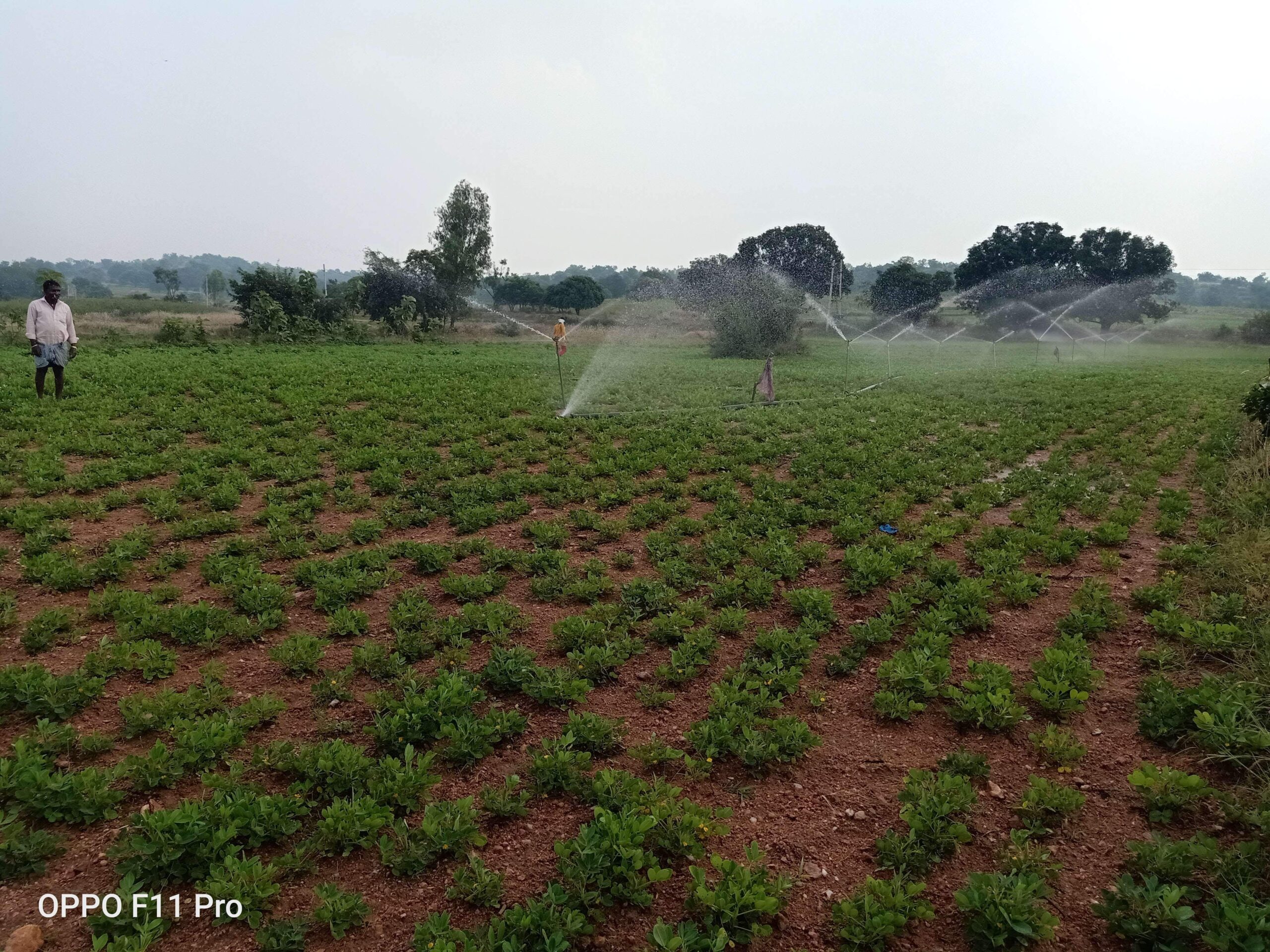
This story is from the booklet ‘Seeding Entrepreneurs: Stories of Women Entrepreneurs from Karjat and Shrigonda Blocks in Ahmednagar District, Maharashtra,’ published as a part of the ‘Promoting Entrepreneurship, Employment Opportunities, and Increased Incomes in Maharashtra’ programme of HSBC.
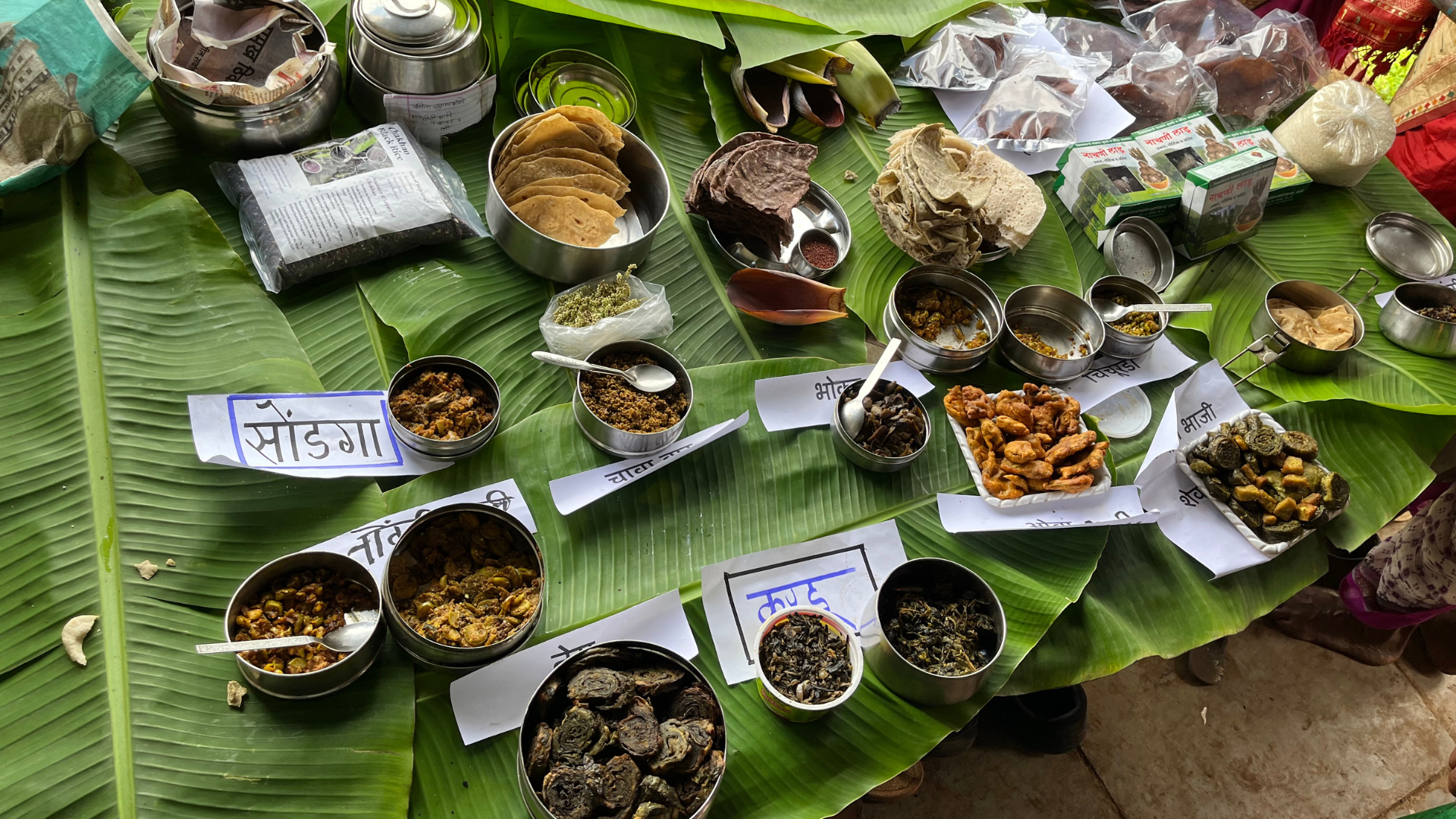
The Raan Bhaji festival celebrates indigenous, wild edible plants used in local cuisine, highlighting the ancient diet of human civilisations. Wild Edible Plants (WEPs) thrive independently, predating modern agriculture. WEPs are integral to the sustenance of traditional and indigenous food methodologies, particularly within rural and
In just 4 months, eight FPOs, part of the Central Sector Scheme, in collaboration with the Government of India’s Ministry of Agriculture & Farmers Welfare and NABARD, achieved a Rs. 3.82 crore turnover, showcasing remarkable agricultural innovation and community-led progress.
We are thrilled to announce the appointment of Mr. N. Srinivasan to our board of trustees. Mr. Srinivasan brings valuable expertise in development finance, with over four decades of experience in the sector.