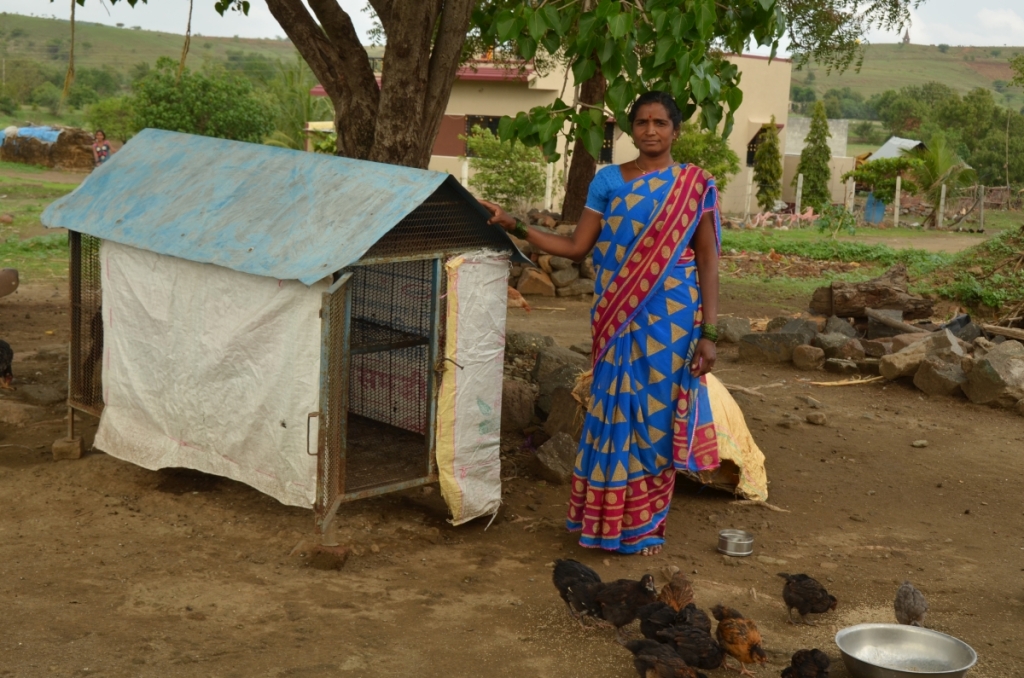
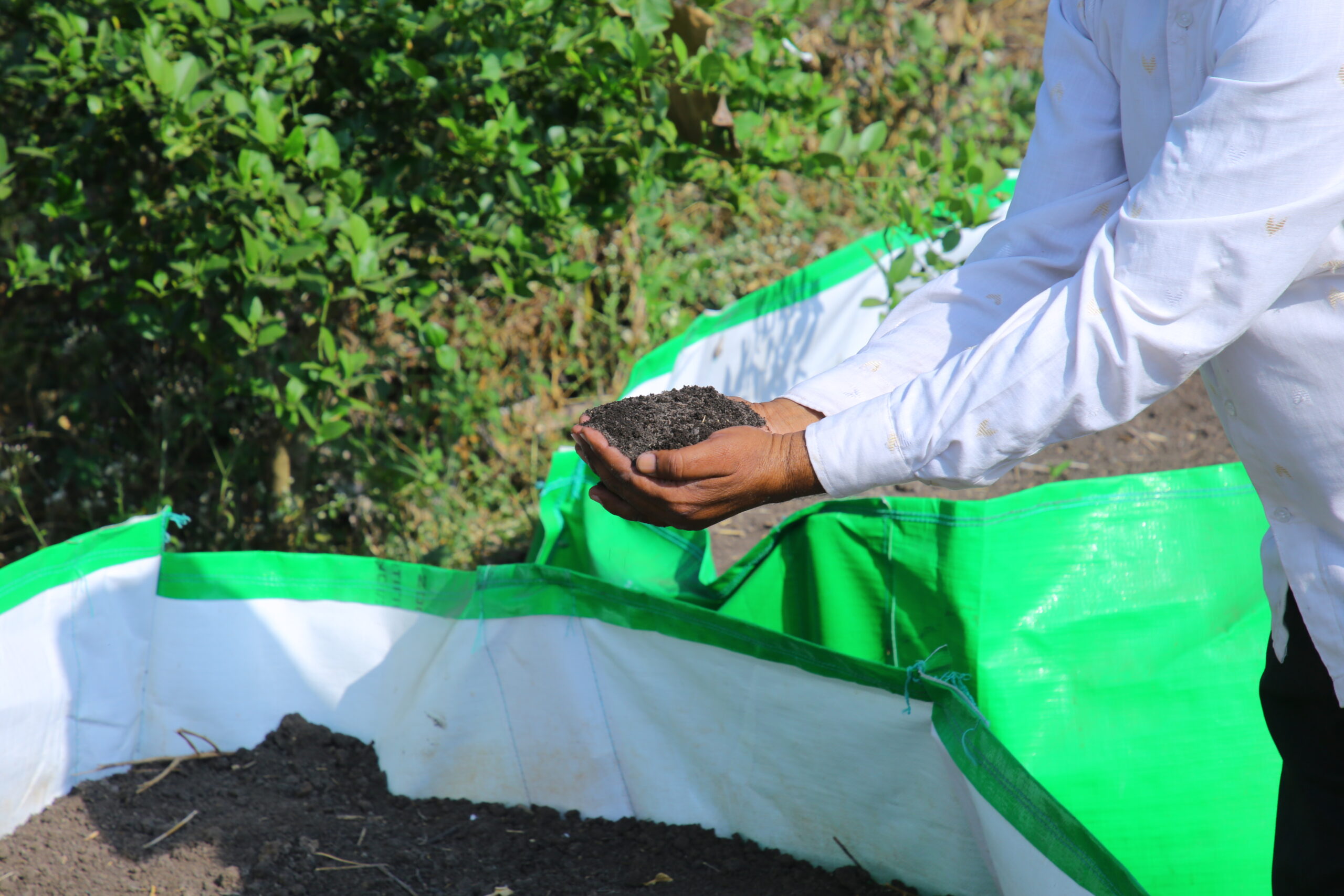
Santosh Salve was on cloud nine when WOTR began its work in the Ambad block of Jalna district in Maharashtra. As WOTR started working with the local community to promote climate-resilient agriculture, Santosh approached the team with a specific interest – building a low-cost setup to prepare vermicompost.
A Better Tomorrow
Stories, Practices, and Solutions
The villages in the Murhu block of Jharkhand are mainly occupied by members of the Munda tribe. Traditionally, these small landholding farmers cultivate paddy and lac—a natural resin secreted by the lac insect. However, in recent years they have also adapted to the cultivation of tomatoes, watermelon and potatoes.
Raising daily wage work is the second-highest source of income, followed by agriculture. However, as agriculture becomes less remunerative due to an increase in the cost of cultivation and fewer crop returns from climate change, alternate livelihoods f
Santosh Salve was on cloud nine when WOTR began its work in the Ambad block of Jalna district in Maharashtra. As WOTR started working with the local community to promote climate-resilient agriculture, Santosh approached the team with a specific interest – building a low-cost setup to prepare vermicompost.
The villages in the Murhu block of Jharkhand are mainly occupied by members of the Munda tribe. Traditionally, these small landholding farmers cultivate paddy and lac—a natural resin secreted by the lac insect. However, in recent years they have also adapted to the cultivation of tomatoes, watermelon and potatoes.
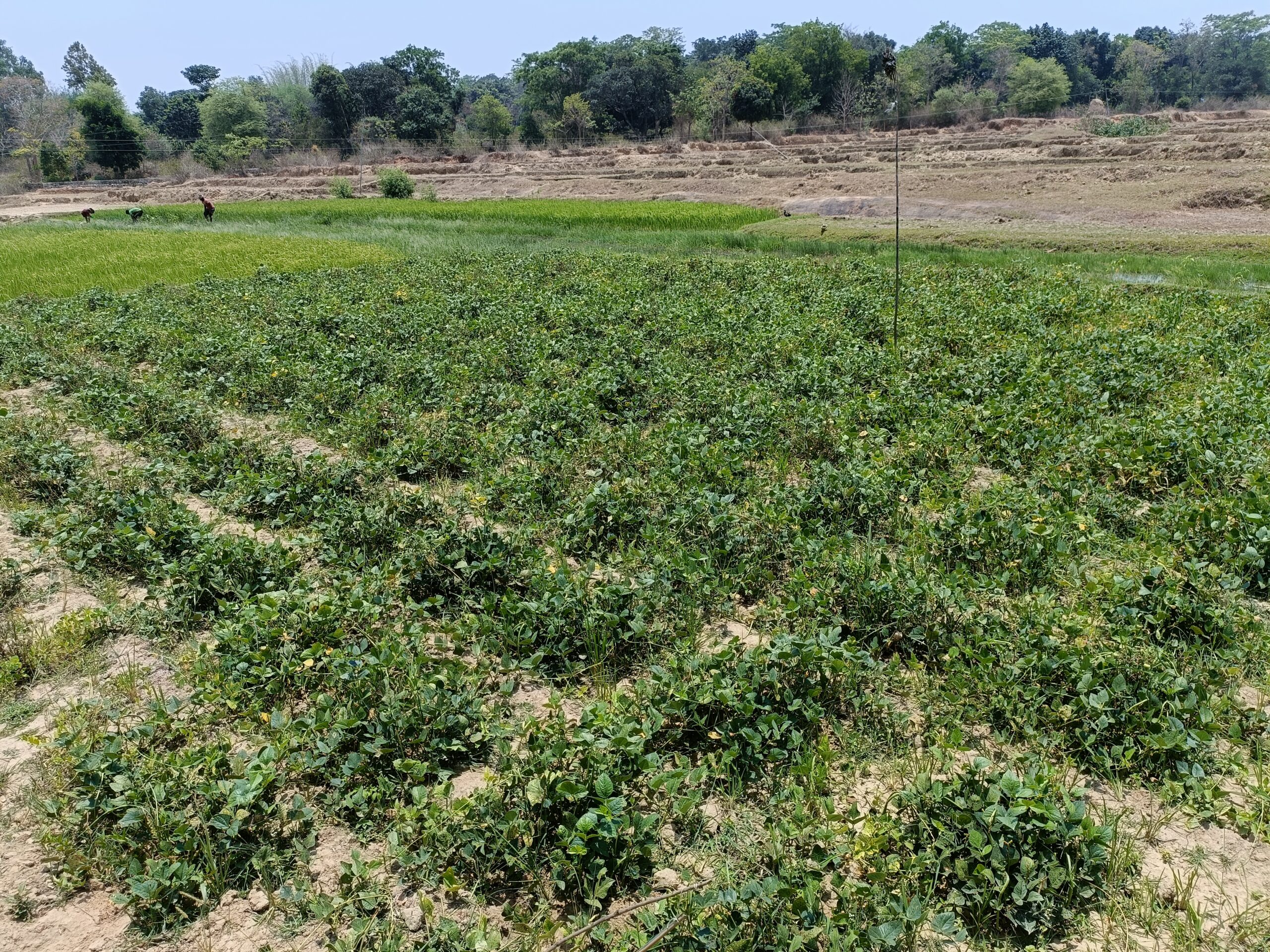
Raising daily wage work is the second-highest source of income, followed by agriculture. However, as agriculture becomes less remunerative due to an increase in the cost of cultivation and fewer crop returns from climate change, alternate livelihoods f
By Categories
By Tags
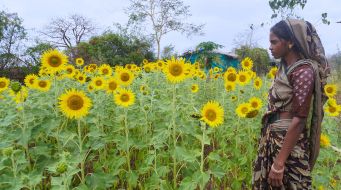
A glimpse of the Rabi harvest season from Chhattisgarh, featuring freshly harvest wheat and sunflowers from villages of Kolhuva, Temri etc.
Pastoralists of Maharashtra navigating climate change through mobility, indigenous knowledge, community-led action and ecological resilience.
Watershed management reveals how drought, groundwater depletion, soil stress, and unequal access reshape resilience long before visible crisis emerges.
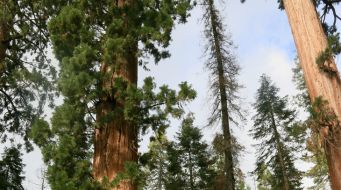
Plant blindness may be biodiversity’s most overlooked threat. Here’s why learning to see plants could change everything for our planet.
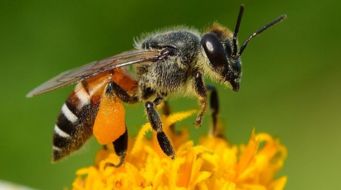
Bees sustain our food, ecosystems, and economies. Discover why protecting pollinators is humanity’s most urgent environmental responsibility.
EbA strengthens ecological processes – restoring soil moisture, improving vegetation cover, enhancing water retention, and supporting biodiversity.
Discover how responsible AI innovations can protect ecosystems, empower vulnerable communities, tackle climate change, and support sustainable global development.
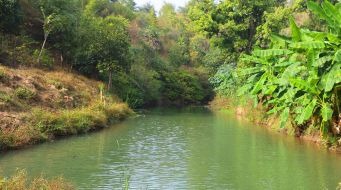
Ecohydrology unites ecology and hydrology to transform water management. Discover how it drives sustainability, ecosystem health, and resilient communities.