India’s growing water crisis, driven by rising demand, pollution and inefficient technologies, poses a serious threat to its development goals. Addressing this challenge requires a shift toward sustainable and circular water management practices. With the right mix of policy, technology, and community action.
A Better Tomorrow
Stories, Practices, and Solutions
Climate-resilient crop varieties are helping farmers in Telangana improve yields and adopt more sustainable farming practices. These innovations highlight how science and sustainable practices can strengthen agricultural resilience and food security.
Nature sustains more than livelihoods, it nurtures identity, culture and well-being through Cultural Ecosystem Services. Acknowledging these connections is vital for development that respects communities and their landscapes.
Exploring the growing importance of resilience in development, the piece highlights the need to look beyond activities and numbers to understand real impact. Garima Dutt emphasises on how meaningful measurement can help capture lasting change in people and communities
In our Must Watch – From the Archives collection, we revisit powerful films that chronicle 32 years of transformation. These stories capture the resilience of rural communities, the strength of collective action and the quiet yet lasting change that numbers alone can’t express.
Innovation once drove survival and growth. Now, amid climate stress and inequality, it must shift toward impact, resilience, and long-term sustainability.
Explore WOTR’s 13-year journey across villages in Odisha, reaching over one lakh people through community-led watershed and livelihood interventions.
Read a collection blogs which brings together five stories from WOTR’s blog, shaped by the everyday lives, struggles, and choices of people in rural India. Told from the ground up, these pieces reflect moments of resilience, learning, and collective effort around water, livelihoods, and social change.
In rain-dependent landscapes, Participatory Net Planning puts people at the centre of watershed decisions, building ownership that lasts beyond projects, it creates site-specific solutions that strengthen livelihoods.
Depleted soil is quietly reducing the nutrients in our food, driving hidden hunger despite full plates and rising food production.
India’s growing water crisis, driven by rising demand, pollution and inefficient technologies, poses a serious threat to its development goals. Addressing this challenge requires a shift toward sustainable and circular water management practices. With the right mix of policy, technology, and community action.
Climate-resilient crop varieties are helping farmers in Telangana improve yields and adopt more sustainable farming practices. These innovations highlight how science and sustainable practices can strengthen agricultural resilience and food security.
Nature sustains more than livelihoods, it nurtures identity, culture and well-being through Cultural Ecosystem Services. Acknowledging these connections is vital for development that respects communities and their landscapes.
Exploring the growing importance of resilience in development, the piece highlights the need to look beyond activities and numbers to understand real impact. Garima Dutt emphasises on how meaningful measurement can help capture lasting change in people and communities
In our Must Watch – From the Archives collection, we revisit powerful films that chronicle 32 years of transformation. These stories capture the resilience of rural communities, the strength of collective action and the quiet yet lasting change that numbers alone can’t express.
Innovation once drove survival and growth. Now, amid climate stress and inequality, it must shift toward impact, resilience, and long-term sustainability.
Explore WOTR’s 13-year journey across villages in Odisha, reaching over one lakh people through community-led watershed and livelihood interventions.
Read a collection blogs which brings together five stories from WOTR’s blog, shaped by the everyday lives, struggles, and choices of people in rural India. Told from the ground up, these pieces reflect moments of resilience, learning, and collective effort around water, livelihoods, and social change.
In rain-dependent landscapes, Participatory Net Planning puts people at the centre of watershed decisions, building ownership that lasts beyond projects, it creates site-specific solutions that strengthen livelihoods.
Depleted soil is quietly reducing the nutrients in our food, driving hidden hunger despite full plates and rising food production.
By Categories
By Tags
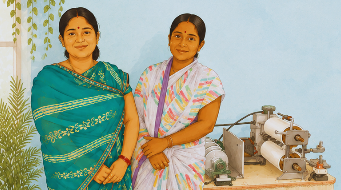
Two mothers in drought-hit Marathwada built a papad enterprise with WOTR and Standard Chartered Bank, paying school fees for their children.
COP17 put a simple question to the world’s drought experts: can lost land be restored? WOTR’s watersheds may hold the answer.
Mango orchards are improving rural livelihoods in Chhattisgarh, creating resilient farms, diverse incomes, and long-term opportunities for farming communities.
Drawing on WOTR’s grassroots experience, this piece explores the powerful connection between water security, ecosystem restoration, agriculture and nutrition security in rural India.
Exploring World Water Week through our interventions in implementing ecohydrology-based Nature-based Solutions in Maharashtra and Telangana
This World Water Week, explore how water access shapes pastoral livelihoods, migration routes and resilience across India’s changing landscapes.
India’s mosquito fight is evolving as climate change, urbanisation and insecticide resistance reshape malaria, dengue and other disease threats.
An animated film series follows 11 Farmer Producer Companies and 11,800+ farmers building resilient livelihoods through markets, farming and EbA.