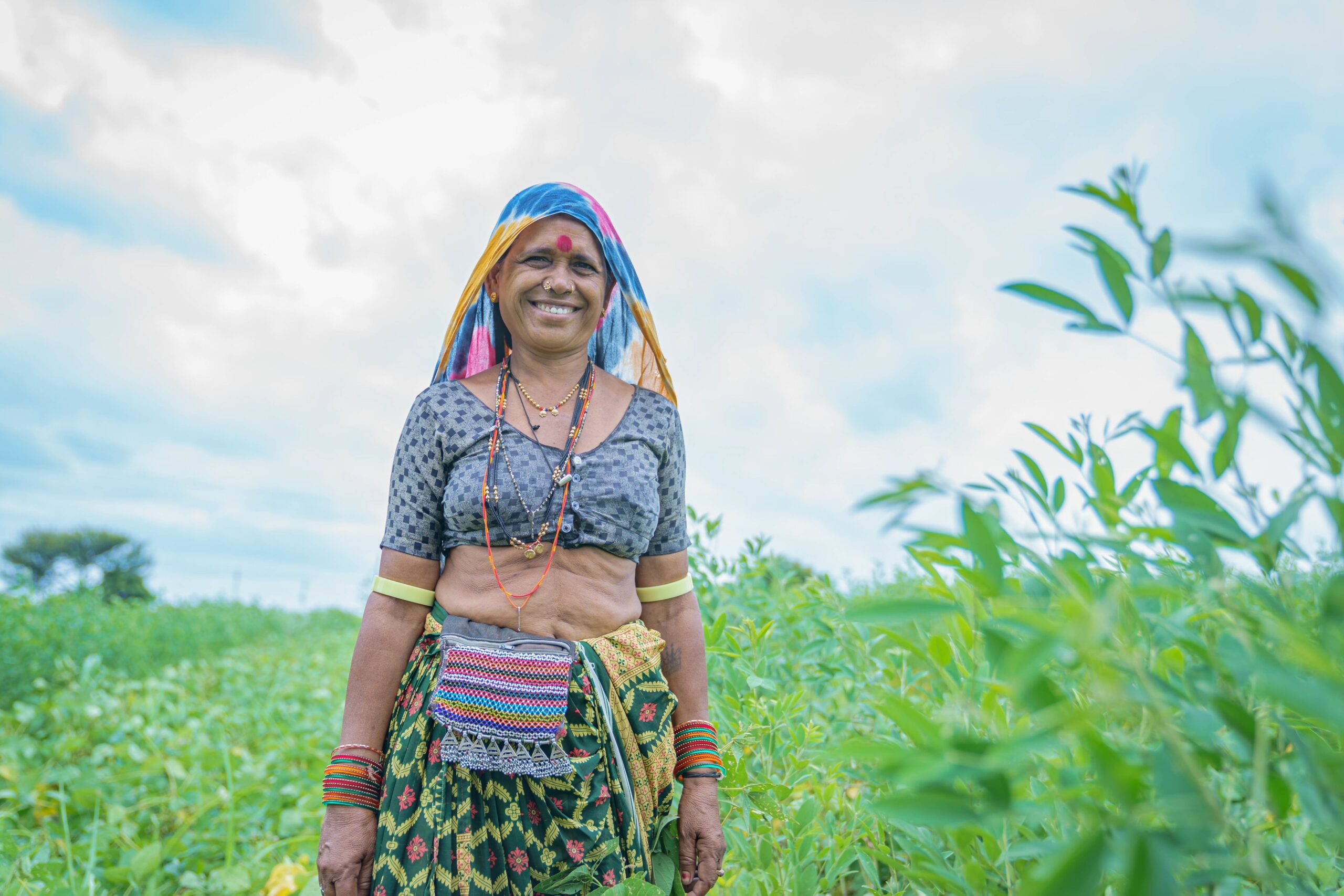
Drawing from work with smallholder farmers—from Kumbharwadi in Maharashtra to Madaul in Odisha—WOTR has contributed key experiences, insights, and evidence to the Stories of Resilience 2025, a publication launched by the Global Centre on Adaptation (GCA) at the United Nations Climate Change Conference in Belém, Brazil.
A Better Tomorrow
Stories, Practices, and Solutions
How can smallholders farm fish while safeguarding their local ecosystems? One promising answer lies in farm ponds.
Making every drop count in Maharashtra’s rainshadow.
Integrated Farming Systems treat the farm not as isolated parts, but as a living ecosystem. Water harvesting, crops, trees, livestock, and fisheries are designed to support each other.
WOTR has helped build lasting water conservation structures, strengthened local governance, and empowered communities in 70 villages to manage their natural resources more sustainably.
This article explores villages where watershed management, conservation, and community participation have shaped a new model of sustainable development.
On International Day for Biological Diversity 2025, discover how the Learn-Unlearn-Relearn framework is a powerful pathway to achieve sustainable development.
The idea that pollution increases early in development but later decreases as countries get richer and adopt cleaner technologies—as suggested by the Environmental Kuznets Curve—doesn’t hold in reality, where the damage is often lasting and hard to reverse.
As Earth Day 2025 prompts global reflection on sustainability, biodiversity, and climate action, it is an opportunity to examine the intersections between environmental conservation and development in India.
Watershed Organisation Trust along with its esteemed partners is implementing solar-powered solutions to ensure drinking water supply, irrigate farmlands and light the streets in rural areas of Chhattisgarh.
Drawing from work with smallholder farmers—from Kumbharwadi in Maharashtra to Madaul in Odisha—WOTR has contributed key experiences, insights, and evidence to the Stories of Resilience 2025, a publication launched by the Global Centre on Adaptation (GCA) at the United Nations Climate Change Conference in Belém, Brazil.
How can smallholders farm fish while safeguarding their local ecosystems? One promising answer lies in farm ponds.
Making every drop count in Maharashtra’s rainshadow.
Integrated Farming Systems treat the farm not as isolated parts, but as a living ecosystem. Water harvesting, crops, trees, livestock, and fisheries are designed to support each other.
WOTR has helped build lasting water conservation structures, strengthened local governance, and empowered communities in 70 villages to manage their natural resources more sustainably.
This article explores villages where watershed management, conservation, and community participation have shaped a new model of sustainable development.
On International Day for Biological Diversity 2025, discover how the Learn-Unlearn-Relearn framework is a powerful pathway to achieve sustainable development.
The idea that pollution increases early in development but later decreases as countries get richer and adopt cleaner technologies—as suggested by the Environmental Kuznets Curve—doesn’t hold in reality, where the damage is often lasting and hard to reverse.
As Earth Day 2025 prompts global reflection on sustainability, biodiversity, and climate action, it is an opportunity to examine the intersections between environmental conservation and development in India.
Watershed Organisation Trust along with its esteemed partners is implementing solar-powered solutions to ensure drinking water supply, irrigate farmlands and light the streets in rural areas of Chhattisgarh.
By Categories
By Tags
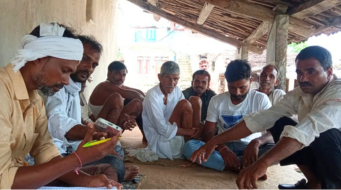
From aspiring government teacher to community leader, Mahaveer journey shows how community mobilisation, leadership and collective action can transform rural development in Rajasthan.
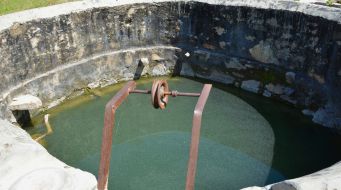
Group irrigation wells reveal how shared water resources can strengthen livelihoods, support year-round farming, and prepare for climate uncertainty.
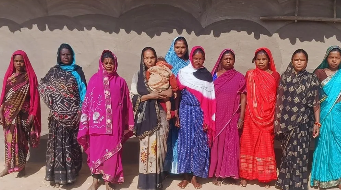
It is a small enterprise, still finding its feet. But its beginnings are firmly local, shaped by what the women know, what the farmers need and what the village already has.
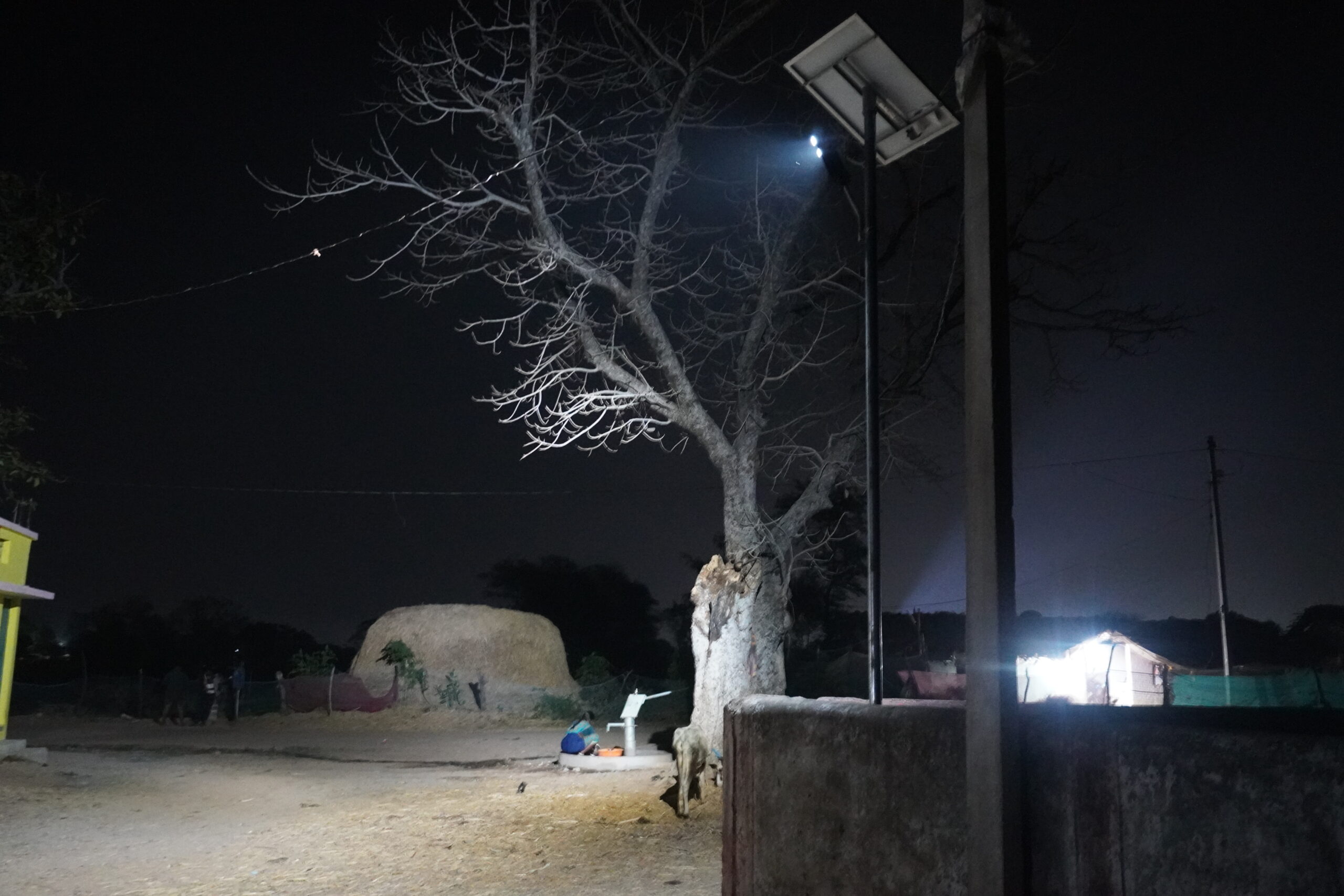
Bringing light, safety, and renewed community life to 20 villages in Kabirdham through 150 solar streetlights, empowering communities to reclaim their public spaces.
How planning and implementation of ecosystem-based adaptation (EbA) and agroecology principles in arid or semi-arid regions can help address the growing impacts of climate change.
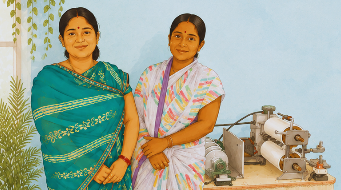
Two mothers in drought-hit Marathwada built a papad enterprise with WOTR and Standard Chartered Bank, paying school fees for their children.
COP17 put a simple question to the world’s drought experts: can lost land be restored? WOTR’s watersheds may hold the answer.
Mango orchards are improving rural livelihoods in Chhattisgarh, creating resilient farms, diverse incomes, and long-term opportunities for farming communities.