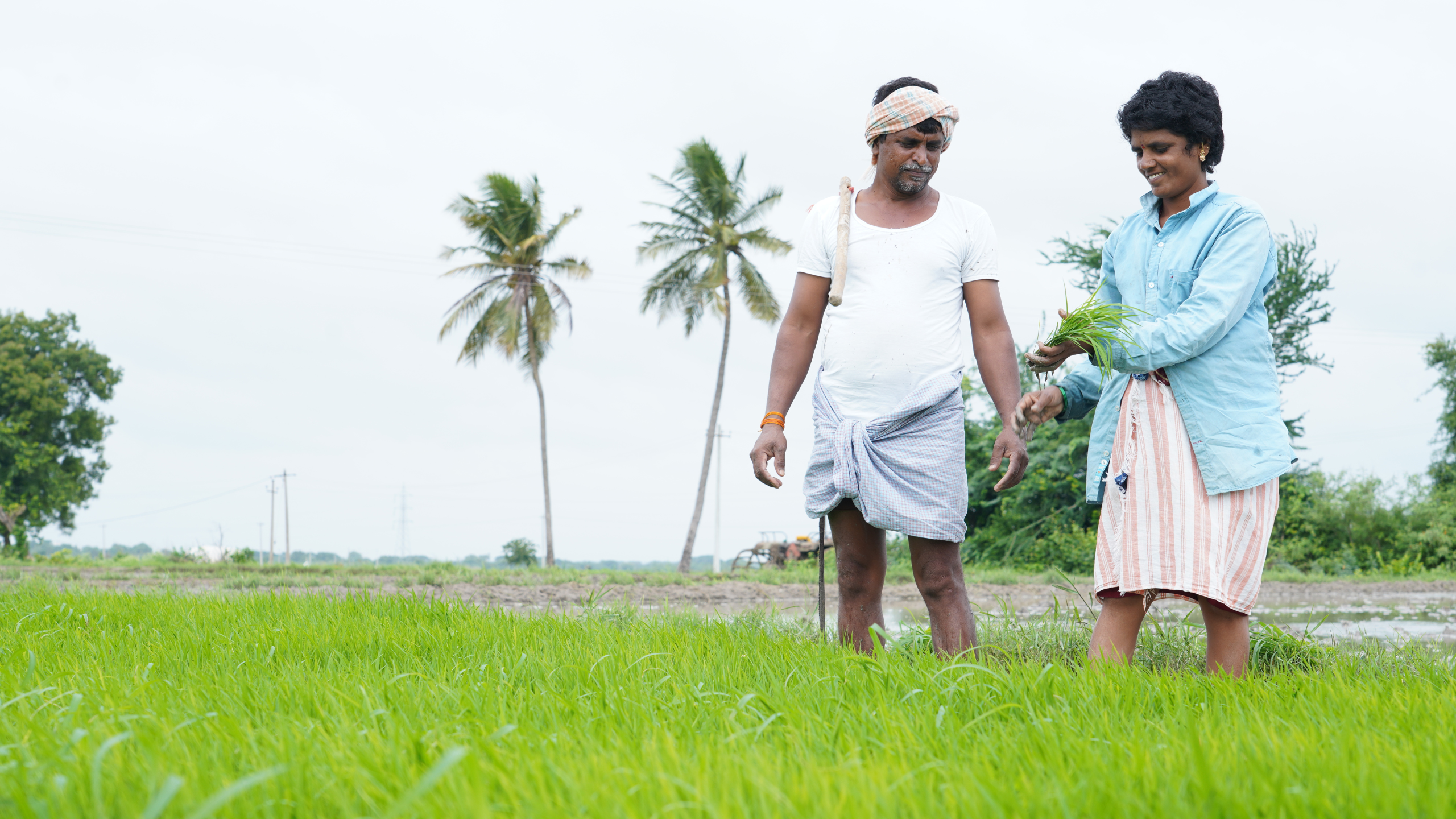
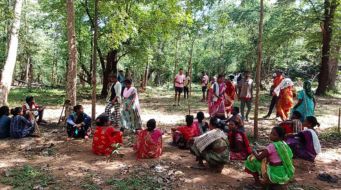
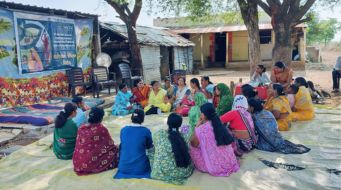
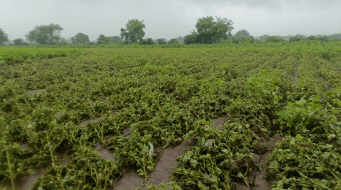
Bingi Ramulu, a 52-year-old farmer from Ammireddipally village in Narayanpet, had lost hope in his eleven-acre rainfed plot ever turning a profit. Determined for solutions, he joined one of the 15 Farmer Field Schools (FFSs) in Ammireddipally, part of the Axis Bank Foundation’s Sustainable Livelihoods Programme, run by WOTR.
A Better Tomorrow
Stories, Practices, and Solutions
In today’s rapidly evolving business landscape, the concept of environmental sustainability is moving from being a philanthropic trend to a crucial business imperative. This blog post will delve into why environmental sustainability matters to businesses, exploring the key benefits, strategies, and ways to measure your progress.
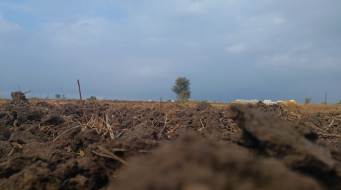
The fertile soil that sustains Indian agriculture is under siege. Unsustainable land-use practices have long contributed to its decline. Today, climate change is a powerful catalyst, intensifying soil degradation and erosion with alarming consequences. Safeguarding India’s soils is a fight against both climate change and food insecurity.
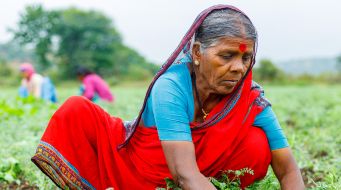
Women in every corner of the world face a relentless barrage of obstacles: unequal pay, limited access to opportunities, and the constant threat of violence and discrimination. In rural communities, these burdens are often magnified, stifling women’s potential and trapping them in cycles of poverty and oppression. This blog unveils the powerful stories of women from rural Maharashtra who shattered these cycles of hardship and patriarchy.
In the face of climate change challenges, farmers in Appireddypally, Telangana, were struggling with dwindling yields and migration. The Rural Livelihoods Project by Axis Bank Foundation and WOTR brought hope through the formation of a Mutual Aided Cooperative Society (MACS). Despite initial hesitation, farmers united to establish the ‘Sri Jeevanadhara Paraspara Rythu Sahakara Sangam Limited’ MACS.
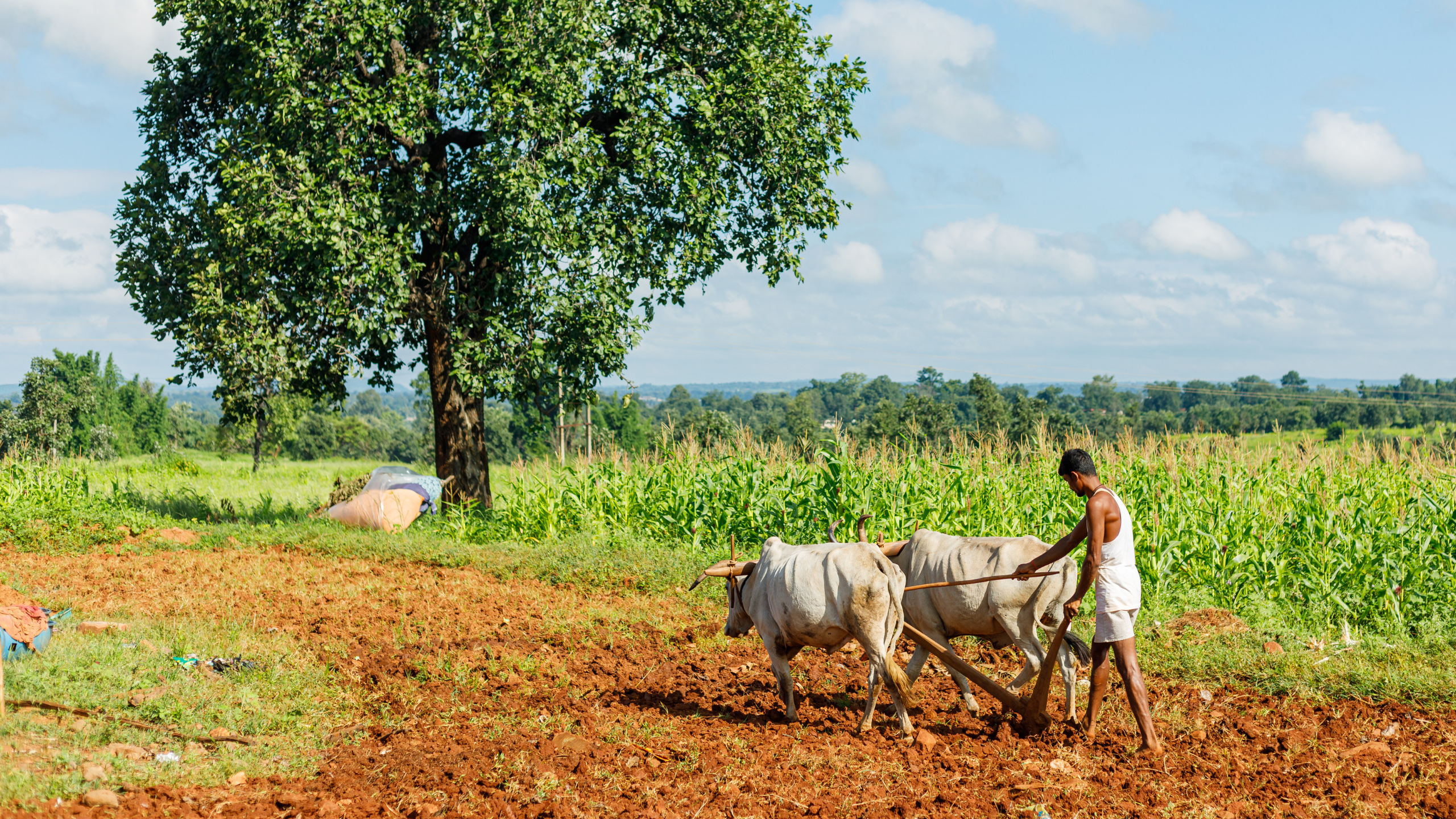
Businesses face escalating challenges from climate change affecting global agriculture. The solution lies in investing in climate-smart agriculture, which offers proactive strategies for resilience and market opportunities. Climate-smart agriculture, defined by the FAO, includes sustainable productivity increases, enhanced resilience, and reduced emissions.
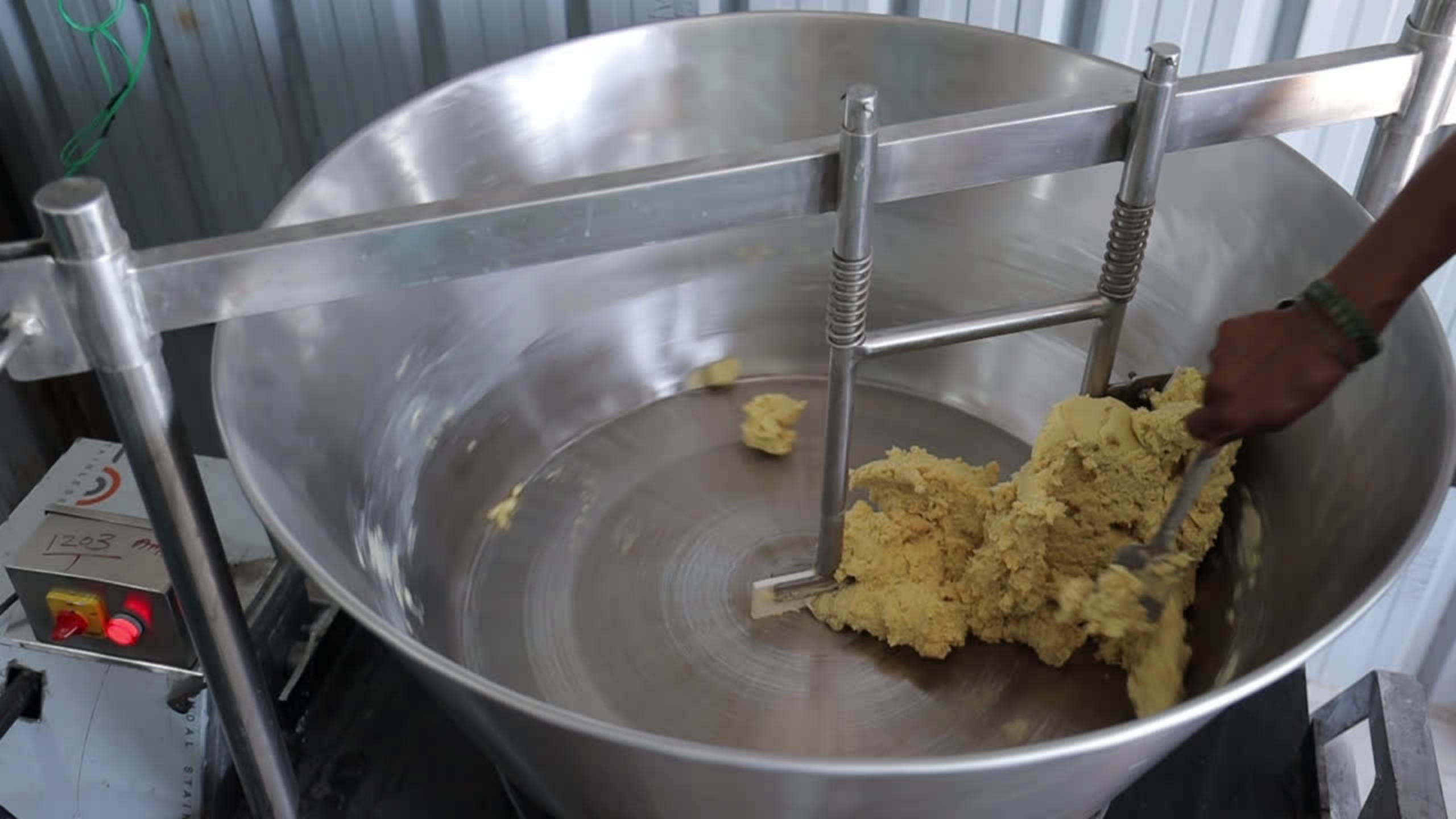
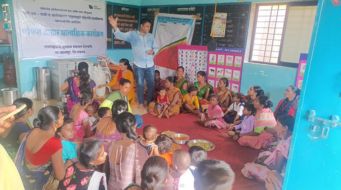
In the village of Jawalga Bet, Ranjana’s dreams of a brighter future seemed distant amidst her family’s modest income. However, an opportunity arose through IndusInd Bank’s Flagship Program, implemented by WOTR and Sampada Trust. With their support, Ranjana ventured into entrepreneurship, establishing her own Khova unit.
Nature, with its highly erratic behaviour, coupled with inadequate water conservation measures, has left villages grappling with severe drought situations like water scarcity, dependency on tankers, crop failure, and distressed migration. Umara is one of the participating villages in Kalamb block. In this village, two check dams are constructed through project support, bringing about a transformative change.
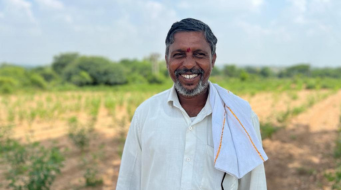
Parched villages in Karauli and Udaipur districts of Rajasthan, on the brink of despair due to water scarcity, are finding a lifeline through the “Wasundhara Gram Vikas Karykram” project, backed by the YES Foundation. This is a testament to human resilience, a story of hope blossoming amidst hardship in the harshest of landscapes.
Aligned with WOTR’s mission to enhance the livelihoods of small and marginalised farmers, FPOs facilitate collective action, promote sustainable farming practices, and provide better market access. This article outlines the critical role FPOs play in strengthening food systems and ensuring food security and highlights their relevance to WOTR’s initiatives.
Bingi Ramulu, a 52-year-old farmer from Ammireddipally village in Narayanpet, had lost hope in his eleven-acre rainfed plot ever turning a profit. Determined for solutions, he joined one of the 15 Farmer Field Schools (FFSs) in Ammireddipally, part of the Axis Bank Foundation’s Sustainable Livelihoods Programme, run by WOTR.
In today’s rapidly evolving business landscape, the concept of environmental sustainability is moving from being a philanthropic trend to a crucial business imperative. This blog post will delve into why environmental sustainability matters to businesses, exploring the key benefits, strategies, and ways to measure your progress.
The fertile soil that sustains Indian agriculture is under siege. Unsustainable land-use practices have long contributed to its decline. Today, climate change is a powerful catalyst, intensifying soil degradation and erosion with alarming consequences. Safeguarding India’s soils is a fight against both climate change and food insecurity.
Women in every corner of the world face a relentless barrage of obstacles: unequal pay, limited access to opportunities, and the constant threat of violence and discrimination. In rural communities, these burdens are often magnified, stifling women’s potential and trapping them in cycles of poverty and oppression. This blog unveils the powerful stories of women from rural Maharashtra who shattered these cycles of hardship and patriarchy.
In the face of climate change challenges, farmers in Appireddypally, Telangana, were struggling with dwindling yields and migration. The Rural Livelihoods Project by Axis Bank Foundation and WOTR brought hope through the formation of a Mutual Aided Cooperative Society (MACS). Despite initial hesitation, farmers united to establish the ‘Sri Jeevanadhara Paraspara Rythu Sahakara Sangam Limited’ MACS.
Businesses face escalating challenges from climate change affecting global agriculture. The solution lies in investing in climate-smart agriculture, which offers proactive strategies for resilience and market opportunities. Climate-smart agriculture, defined by the FAO, includes sustainable productivity increases, enhanced resilience, and reduced emissions.
In the village of Jawalga Bet, Ranjana’s dreams of a brighter future seemed distant amidst her family’s modest income. However, an opportunity arose through IndusInd Bank’s Flagship Program, implemented by WOTR and Sampada Trust. With their support, Ranjana ventured into entrepreneurship, establishing her own Khova unit.
Nature, with its highly erratic behaviour, coupled with inadequate water conservation measures, has left villages grappling with severe drought situations like water scarcity, dependency on tankers, crop failure, and distressed migration. Umara is one of the participating villages in Kalamb block. In this village, two check dams are constructed through project support, bringing about a transformative change.
Parched villages in Karauli and Udaipur districts of Rajasthan, on the brink of despair due to water scarcity, are finding a lifeline through the “Wasundhara Gram Vikas Karykram” project, backed by the YES Foundation. This is a testament to human resilience, a story of hope blossoming amidst hardship in the harshest of landscapes.
Aligned with WOTR’s mission to enhance the livelihoods of small and marginalised farmers, FPOs facilitate collective action, promote sustainable farming practices, and provide better market access. This article outlines the critical role FPOs play in strengthening food systems and ensuring food security and highlights their relevance to WOTR’s initiatives.
By Categories
By Tags
A three-year project by WOTR and HDFC Bank Parivartan aims to uplift 11,700 people in 40 tribal villages of Gadchiroli through sustainable agriculture, water conservation, and livelihood development.
The vital contributions of women farmers in India’s agricultural sector remain largely unseen because of various societal and structural barriers, even though they are the backbone of many rural communities.
Community support and dedicated intervention can effectively combat malnutrition, as highlighted by the inspiring stories of girl children
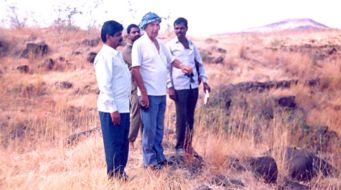
As we commemorate Father Hermann Bacher’s 100th birth anniversary, we reflect on his lasting legacy and the profound impact he had on rural development and water conservation
Odisha’s geothermal landscape holds immense potential, with untapped resources and exciting future prospects. Various initiatives are underway to explore and harness this energy, paving the way for sustainable development in the region.
The Shri Bhagwant Mahila Farmer Producer Company Ltd in Solapur, supported by WOTR, NABARD, and Walmart Foundation, has empowered 1,500 women farmers across 19 villages, achieving a turnover of Rs 93,54,818 since 2022.
A case study of flood impact using SAR data from Mantha in Jalna district, Maharashtra
India’s agricultural sector faces challenges from conventional practices, but adopting natural farming can enhance soil quality, promote biodiversity, and improve food security while benefiting farmers economically.