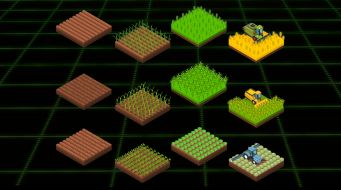
The Community-Driven Visual Integrator (CDVI) 3D model enables communities in Telangana to visualize groundwater systems and understand them as shared resources. By simplifying complex hydrogeological data into participatory tools.
A Better Tomorrow
Stories, Practices, and Solutions
Explore how biodiversity and national security intersect amid development and energy priorities in India and global geopolitics.
Grasslands are vital yet often overlooked ecosystems that support biodiversity, livelihoods, and climate resilience. Their decline due to policy and land-use changes, and emphasises the urgent need for conservation, and restoration.
A reflection on how science and technology can enable meaningful change in rural communities when adapted to local contexts and realities.
Understanding the gap between what weather forecasts predict and what people experience on the ground is essential for ensuring that weather information truly supports decisions in agriculture, livelihoods, and disaster preparedness
Why India Needs a Development Management Revolution
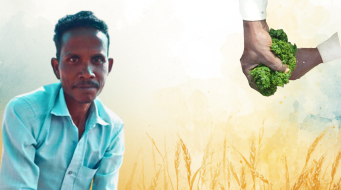
Agriculture is moving beyond just producing more food to ensuring it nourishes people. As hidden hunger rises, the focus is shifting from yield to nutrition.
The film ‘Jala’ showcases how villages in Odisha restored water, farming, livelihoods, resilience, community leadership, and renewed hope.
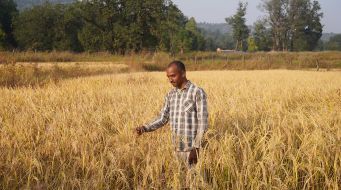
Solar Lift Irrigation in this Chhattisgarh village improved rural livelihoods by enabling year-round farming and boosting farmer incomes.
Environmental DNA (eDNA) is transforming how scientists monitor biodiversity and ecosystem health by detecting genetic traces left by organisms in their environment. It offers a non-invasive, efficient way to track species, study climate impacts, and support conservation efforts.
The Community-Driven Visual Integrator (CDVI) 3D model enables communities in Telangana to visualize groundwater systems and understand them as shared resources. By simplifying complex hydrogeological data into participatory tools.
Explore how biodiversity and national security intersect amid development and energy priorities in India and global geopolitics.
Grasslands are vital yet often overlooked ecosystems that support biodiversity, livelihoods, and climate resilience. Their decline due to policy and land-use changes, and emphasises the urgent need for conservation, and restoration.
A reflection on how science and technology can enable meaningful change in rural communities when adapted to local contexts and realities.
Understanding the gap between what weather forecasts predict and what people experience on the ground is essential for ensuring that weather information truly supports decisions in agriculture, livelihoods, and disaster preparedness
Why India Needs a Development Management Revolution
Agriculture is moving beyond just producing more food to ensuring it nourishes people. As hidden hunger rises, the focus is shifting from yield to nutrition.
The film ‘Jala’ showcases how villages in Odisha restored water, farming, livelihoods, resilience, community leadership, and renewed hope.
Solar Lift Irrigation in this Chhattisgarh village improved rural livelihoods by enabling year-round farming and boosting farmer incomes.
Environmental DNA (eDNA) is transforming how scientists monitor biodiversity and ecosystem health by detecting genetic traces left by organisms in their environment. It offers a non-invasive, efficient way to track species, study climate impacts, and support conservation efforts.
By Categories
By Tags
Economic growth has surged globally, but it continues to overlook the true value of biodiversity, placing disproportionate risks on the Global South.
In Chhattisgarh, solar solutions bring water, irrigation, and light to villages, boosting livelihoods and building resilient, self-reliant communities.
In Rayagada district, crescent bunds help cashew trees retain water on hilly slopes, improving yields. A simple solution strengthening tribal livelihoods and climate resilience.
In Karauli district, revived pokhars and pagaras are conserving rainwater and restoring agriculture. These community-led efforts are reducing dependence on hazardous mining while improving livelihoods and health.
Circular economy keeps resources in use for as long as possible, extracts maximum value from them, and then recovers and regenerates products at the end of service life.
Reimagining FPCs as drivers of climate resilience through ecosystem-based approaches to farming. Highlighting how water conservation, soil health and women’s leadership are strengthening livelihoods.
Mango orchards are transforming farmers’ lives in Chhattisgarh through sustainable incomes, water conservation, and climate resilience.
Organic farming comes alive as Chhattisgarh women turn forest knowledge into natural pesticides, inspiring farmers across villages.