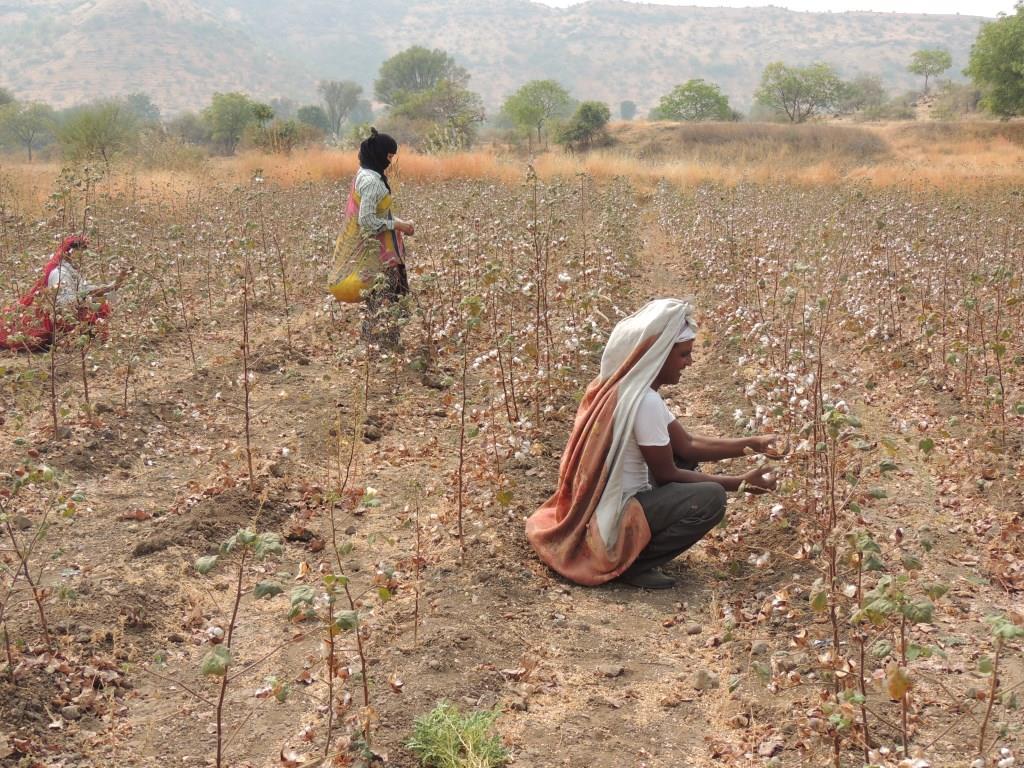
India is the second largest producer of rice, wheat, sugarcane, groundnut, vegetables, fruit, and cotton and the largest producer of milk, pulses, and jute in the world. As an agrarian country, 70% of India’s rural population depends on agriculture as their
A Better Tomorrow
Stories, Practices, and Solutions
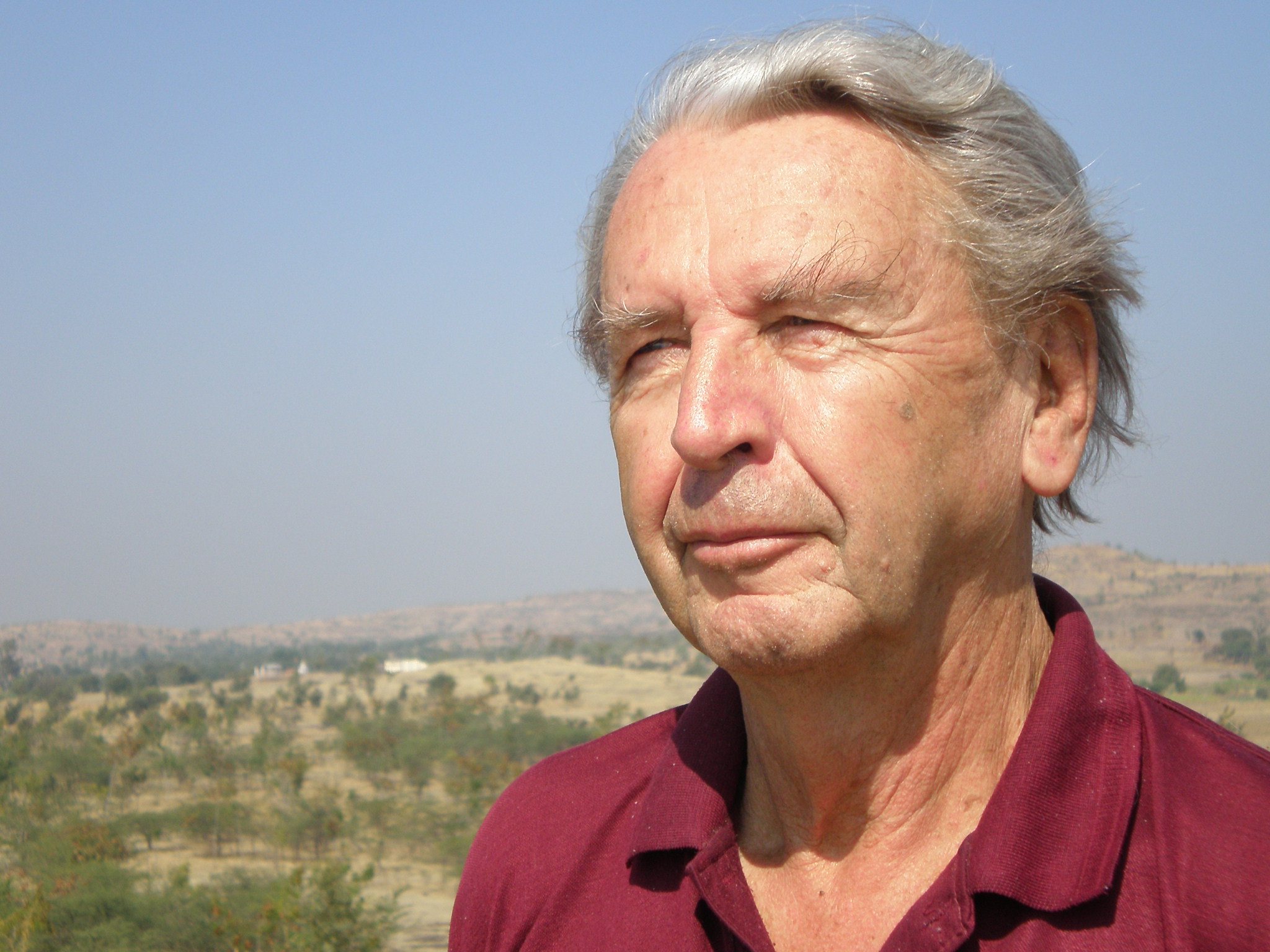
Hermann Bacher, popularly known as Bacher Baba or Father Bacher, initiated the people-led watershed movement in rural India, working tirelessly for the upliftment of the poor and marginalised communities. When Maharashtra was hit by a
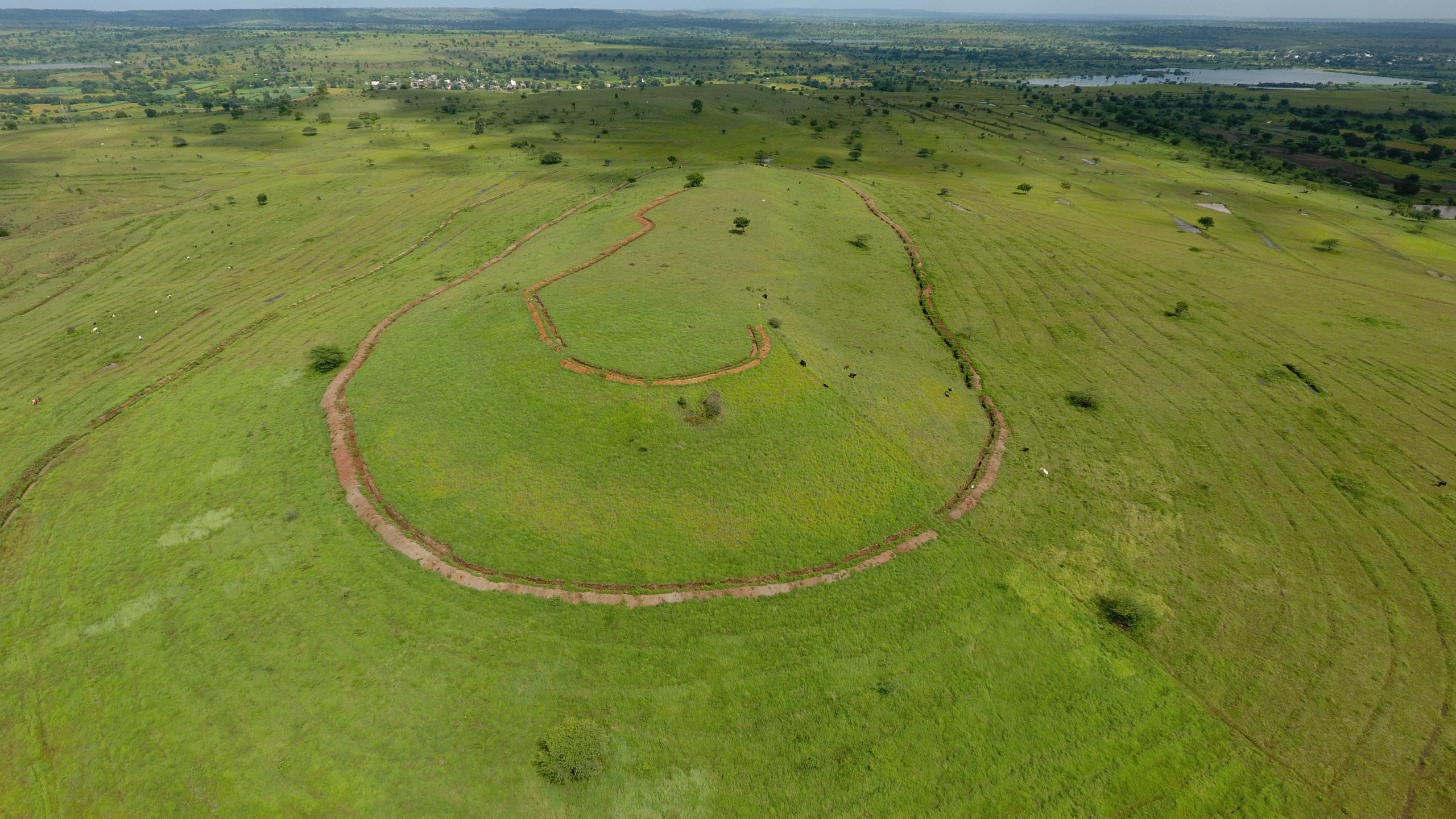
India’s water resource situation is in stress. The solution to this problem is careful management and preservation of this priceless resource, and assurance of its economic viability, equitable distribution, and prudence in use. For more than 27 years,
Enough has been said about the looming water crisis that is getting worse with each passing day. Despite all the warnings, the efforts for water conservation and management have been abysmally sluggish. The situation is even more
The repercussions of climate change are becoming increasingly real and frightening with each passing day. While global warming has had a significant impact on modern agriculture, interestingly, the sector is also one of the contributors to climate
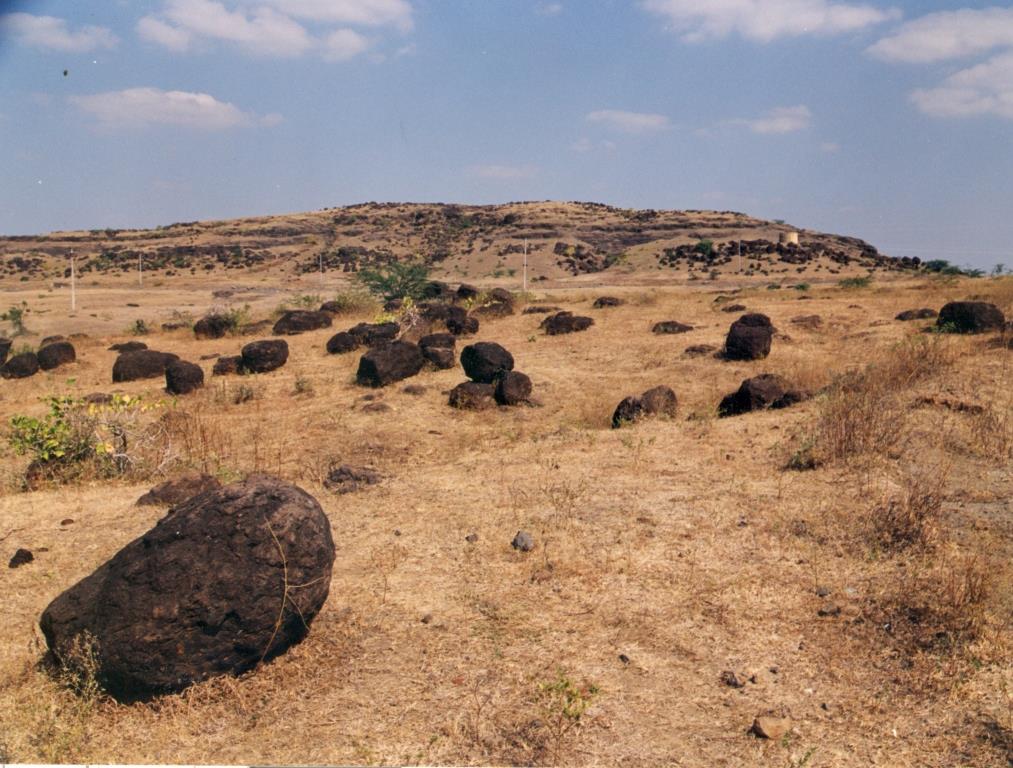
Land resources are vital in supporting physical, social, and economic infrastructure and activities. Functions such as agriculture, watershed management, forestation, mining, transport, and development
We only have one earth – only one place in the whole wide world that we can call home. An earth to live, laugh, grow, and breathe in. The slogan, ‘Only One Earth’, at the 1972 Stockholm conference rings true even today, fifty years later. Yet, like
Well-functioning ecosystems form the bedrock of planetary health and human survival. With increased degradation of habitats and waning ecosystem functions, the threat of ecosystem collapse is more real than ever. Research shows a
Just like art and music, nature is the common thread that frees us from all physical and social boundaries, connecting us to the larger aspects of life. The vastness of forests and deserts, the depth of oceans, and the dynamism of biological diversity
India is the second largest producer of rice, wheat, sugarcane, groundnut, vegetables, fruit, and cotton and the largest producer of milk, pulses, and jute in the world. As an agrarian country, 70% of India’s rural population depends on agriculture as their
Hermann Bacher, popularly known as Bacher Baba or Father Bacher, initiated the people-led watershed movement in rural India, working tirelessly for the upliftment of the poor and marginalised communities. When Maharashtra was hit by a
India’s water resource situation is in stress. The solution to this problem is careful management and preservation of this priceless resource, and assurance of its economic viability, equitable distribution, and prudence in use. For more than 27 years,
Enough has been said about the looming water crisis that is getting worse with each passing day. Despite all the warnings, the efforts for water conservation and management have been abysmally sluggish. The situation is even more
The repercussions of climate change are becoming increasingly real and frightening with each passing day. While global warming has had a significant impact on modern agriculture, interestingly, the sector is also one of the contributors to climate
Land resources are vital in supporting physical, social, and economic infrastructure and activities. Functions such as agriculture, watershed management, forestation, mining, transport, and development
We only have one earth – only one place in the whole wide world that we can call home. An earth to live, laugh, grow, and breathe in. The slogan, ‘Only One Earth’, at the 1972 Stockholm conference rings true even today, fifty years later. Yet, like
Well-functioning ecosystems form the bedrock of planetary health and human survival. With increased degradation of habitats and waning ecosystem functions, the threat of ecosystem collapse is more real than ever. Research shows a
Just like art and music, nature is the common thread that frees us from all physical and social boundaries, connecting us to the larger aspects of life. The vastness of forests and deserts, the depth of oceans, and the dynamism of biological diversity
By Categories
By Tags
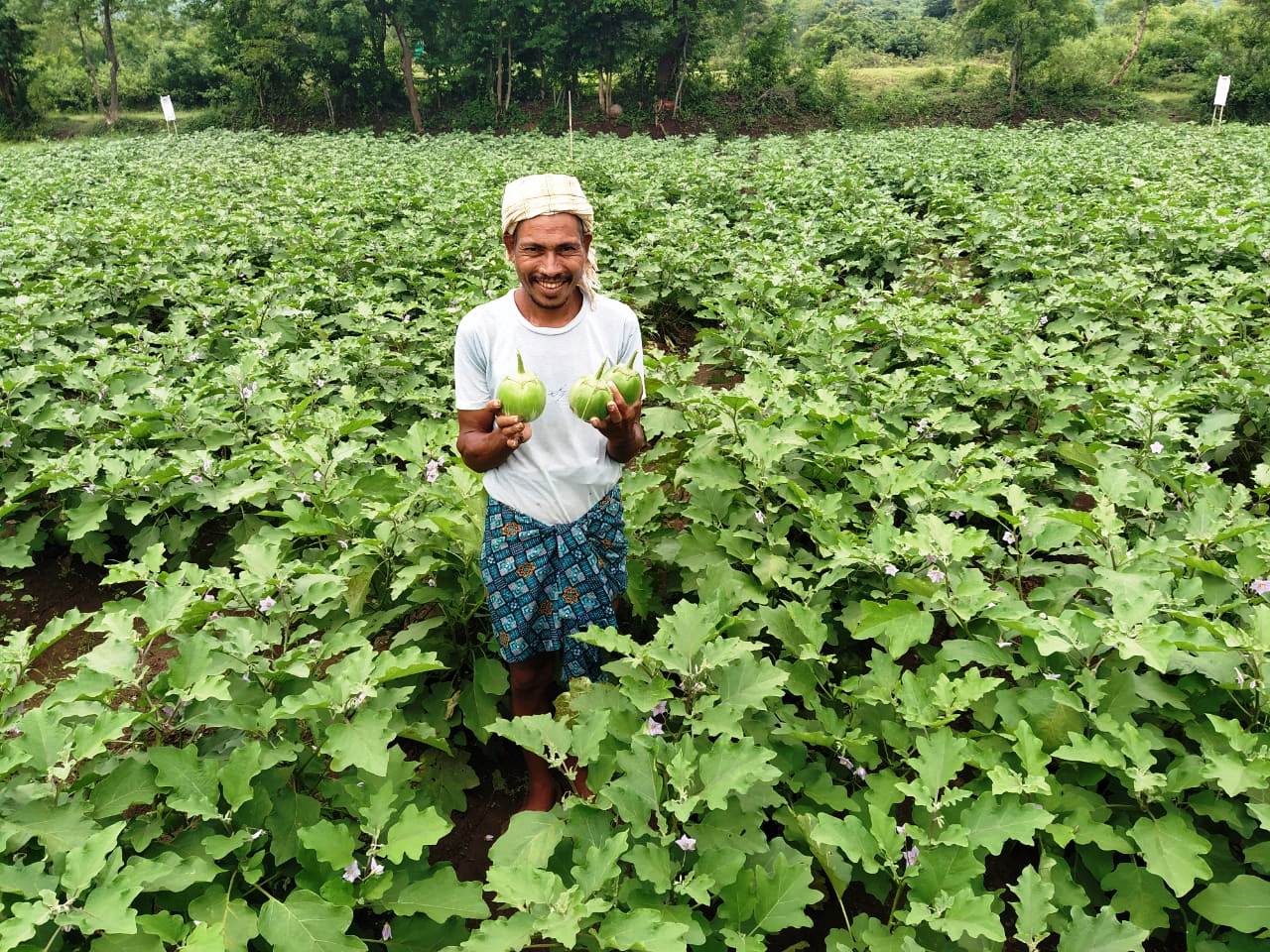
Deva Bhil’s journey with multilayer farming, supported by WOTR and funded by NABARD’s Farm Sector Promotion Fund, transformed his land into a sustainable source of nutritious vegetables and fruits, addressing his family’s nutritional challenges and boosting their income.
WOTR is organising a pivotal three-day training event on EbA for Sustainable Ecosystems, set to take place from the 27th to the 29th of February 2024 at the Darewadi Learning Centre in Ahmednagar, Maharashtra.
The Project on Climate Resilient Agriculture (PoCRA) and WOTR have partnered for an MoU to offer digital advisory services promoting climate-resilient agriculture in Maharashtra.
In a landmark move poised to transform water stewardship across Maharashtra’s vulnerable regions, the Water Supply & Sanitation Department (WSSD), under the Government of Maharashtra, has inked a Memorandum of Understanding (MOU) with the Watershed Organisation Trust (WOTR), Pune.
The Government of Maharashtra, through its Department of Environment and Climate Change (DoE-CC), has joined forces with the Watershed Organisation Trust (WOTR), a renowned non-profit organisation and think tank, to forge a path toward sustainable and resilient development.
The Department of Agriculture, Government of Maharashtra, and the Watershed Organisation Trust (WOTR), Pune, have come together in a pioneering non-financial agreement to spearhead the “Building Resilience in Agriculture and Allied Sectors in Rural Maharashtra” project that is aided by the India Climate Collaborative (ICC).
This blog explores the challenges and solutions towards achieving Sustainable Development Goal 6 (Clean Water and Sanitation for All) in India, emphasizing the importance of collective action and innovative approaches.
A new chapter opens for India’s drylands with a strategic Memorandum of Understanding (MoU) between the Watershed Organisation Trust (WOTR) and the Central Research Institute for Dryland Agriculture (CRIDA).