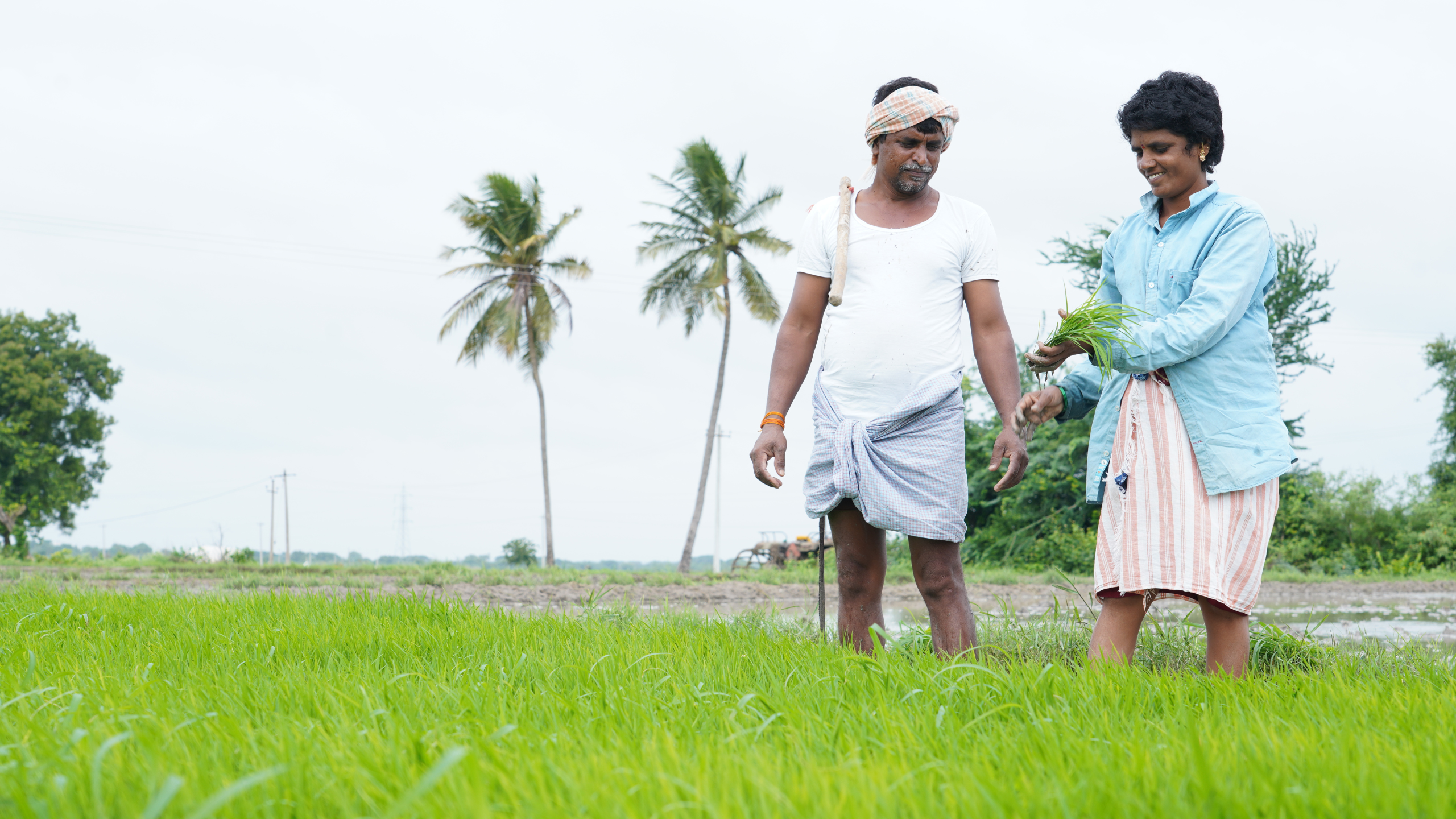
International Women’s Day, celebrated on March 8th every year, is a day to recognise the social, economic, cultural, and political achievements of women, while also highlighting the ongoing challenges they face in achieving gender equality.
A Better Tomorrow
Stories, Practices, and Solutions
Achieving food security in India with 17.7% of the world’s population but only 2.4% of its land1 is a daunting task. Despite an estimated food production of 314 million metric tons in 2021-2022, the country still faces the challenge of feeding its
India is on the brink of a water crisis, with over 600 million people facing high to extreme water stress. The dwindling freshwater reserves are a wake-up call for us to act now and ensure sustainable use of our natural resources. To address this grave concern,
In India, climate change is a serious concern for the agriculture sector. Changing weather patterns and extreme weather events, such as droughts and floods, have a direct impact on farmers’ livelihoods. As climate change continues to pose a threat to the
Nestled between the coordinates of 17.1634 to 17.1660 degrees latitude and 74.373 to 74.37060 degrees longitude, lies a cluster of 5 villages – Ghoti Bk, Ghoti Kh, Dhondgewadi, Posewadi and Renavi – located in the Khanapur Taluka of the Sangli
IndusInd Bank and WOTR have signed an MOU with the Baran district administration to drive sustainable rural development. Under the MOU, IndusInd Bank’s ‘Flagship Program’ will be implemented in the district’s 200 villages. The
On Monday, December 19th, 2022, a final deal was reached at the Montreal Biodiversity Summit, where nearly 200 nations agreed to conserve 30% of land and ocean by 2030. The main objective of the summit was to finalize global nature targets for
India, with a population of 1.4 billion, has long been concerned with ensuring food security. Despite recent economic growth, the country continues to face challenges in eradicating hunger. Maharashtra, one of India’s largest states in terms of area and
International Women’s Day, celebrated on March 8th every year, is a day to recognise the social, economic, cultural, and political achievements of women, while also highlighting the ongoing challenges they face in achieving gender equality.
Achieving food security in India with 17.7% of the world’s population but only 2.4% of its land1 is a daunting task. Despite an estimated food production of 314 million metric tons in 2021-2022, the country still faces the challenge of feeding its
India is on the brink of a water crisis, with over 600 million people facing high to extreme water stress. The dwindling freshwater reserves are a wake-up call for us to act now and ensure sustainable use of our natural resources. To address this grave concern,
In India, climate change is a serious concern for the agriculture sector. Changing weather patterns and extreme weather events, such as droughts and floods, have a direct impact on farmers’ livelihoods. As climate change continues to pose a threat to the
Nestled between the coordinates of 17.1634 to 17.1660 degrees latitude and 74.373 to 74.37060 degrees longitude, lies a cluster of 5 villages – Ghoti Bk, Ghoti Kh, Dhondgewadi, Posewadi and Renavi – located in the Khanapur Taluka of the Sangli
IndusInd Bank and WOTR have signed an MOU with the Baran district administration to drive sustainable rural development. Under the MOU, IndusInd Bank’s ‘Flagship Program’ will be implemented in the district’s 200 villages. The
On Monday, December 19th, 2022, a final deal was reached at the Montreal Biodiversity Summit, where nearly 200 nations agreed to conserve 30% of land and ocean by 2030. The main objective of the summit was to finalize global nature targets for
India, with a population of 1.4 billion, has long been concerned with ensuring food security. Despite recent economic growth, the country continues to face challenges in eradicating hunger. Maharashtra, one of India’s largest states in terms of area and
By Categories
By Tags
In today’s rapidly evolving business landscape, the concept of environmental sustainability is moving from being a philanthropic trend to a crucial business imperative. This blog post will delve into why environmental sustainability matters to businesses, exploring the key benefits, strategies, and ways to measure your progress.
The fertile soil that sustains Indian agriculture is under siege. Unsustainable land-use practices have long contributed to its decline. Today, climate change is a powerful catalyst, intensifying soil degradation and erosion with alarming consequences. Safeguarding India’s soils is a fight against both climate change and food insecurity.
Women in every corner of the world face a relentless barrage of obstacles: unequal pay, limited access to opportunities, and the constant threat of violence and discrimination. In rural communities, these burdens are often magnified, stifling women’s potential and trapping them in cycles of poverty and oppression. This blog unveils the powerful stories of women from rural Maharashtra who shattered these cycles of hardship and patriarchy.
In the face of climate change challenges, farmers in Appireddypally, Telangana, were struggling with dwindling yields and migration. The Rural Livelihoods Project by Axis Bank Foundation and WOTR brought hope through the formation of a Mutual Aided Cooperative Society (MACS). Despite initial hesitation, farmers united to establish the ‘Sri Jeevanadhara Paraspara Rythu Sahakara Sangam Limited’ MACS.
Businesses face escalating challenges from climate change affecting global agriculture. The solution lies in investing in climate-smart agriculture, which offers proactive strategies for resilience and market opportunities. Climate-smart agriculture, defined by the FAO, includes sustainable productivity increases, enhanced resilience, and reduced emissions.
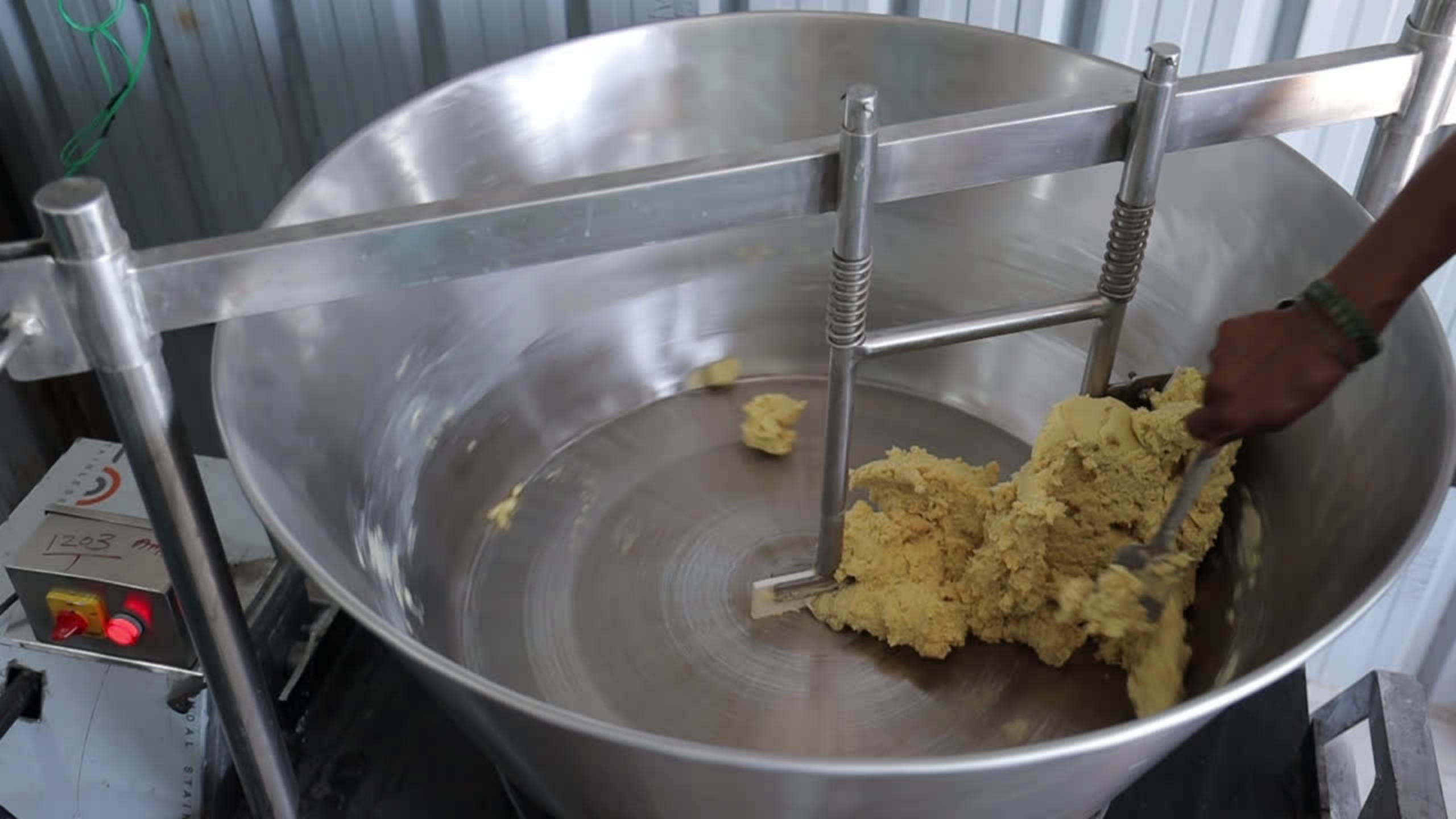
In the village of Jawalga Bet, Ranjana’s dreams of a brighter future seemed distant amidst her family’s modest income. However, an opportunity arose through IndusInd Bank’s Flagship Program, implemented by WOTR and Sampada Trust. With their support, Ranjana ventured into entrepreneurship, establishing her own Khova unit.
Nature, with its highly erratic behaviour, coupled with inadequate water conservation measures, has left villages grappling with severe drought situations like water scarcity, dependency on tankers, crop failure, and distressed migration. Umara is one of the participating villages in Kalamb block. In this village, two check dams are constructed through project support, bringing about a transformative change.
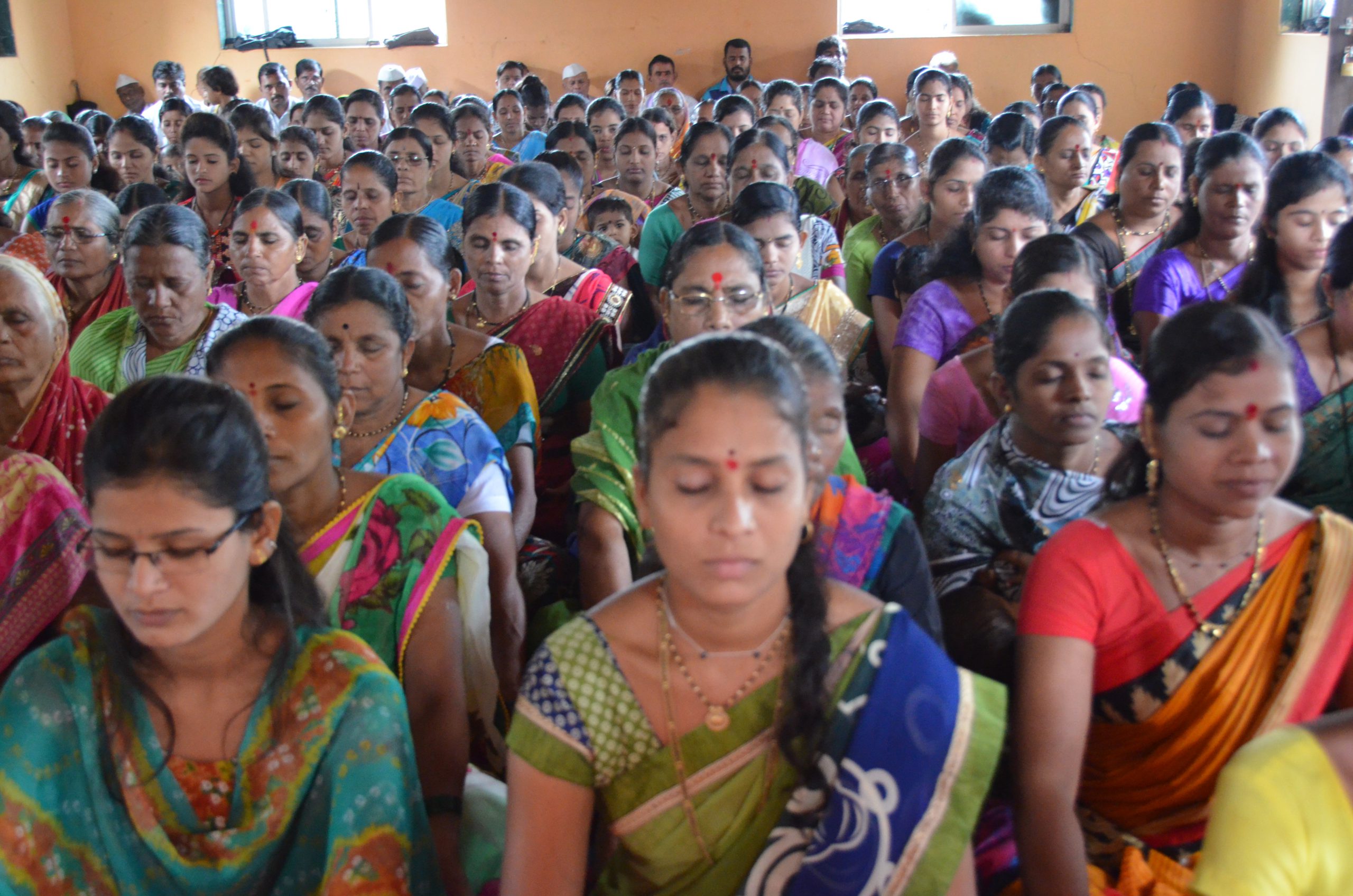
Parched villages in Karauli and Udaipur districts of Rajasthan, on the brink of despair due to water scarcity, are finding a lifeline through the “Wasundhara Gram Vikas Karykram” project, backed by the YES Foundation. This is a testament to human resilience, a story of hope blossoming amidst hardship in the harshest of landscapes.