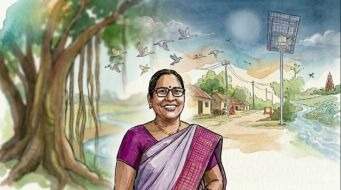
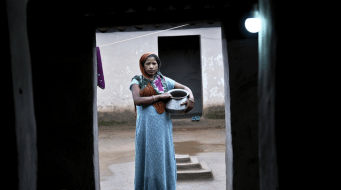
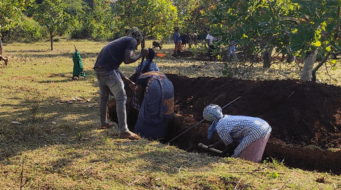
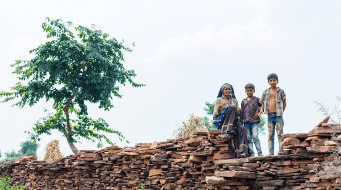
The Village Development Committee in Kodgar, Chhattisgarh, empowers villagers through collective leadership, sustainable farming, water conservation, and livelihood initiatives driving inclusive rural development.
A Better Tomorrow
Stories, Practices, and Solutions
In Govindpur, Chhattisgarh, a Custom Hiring Centre is making access to costly farm machinery easier for small and marginal farmers by making these machines available within villages on a rental basis
Mahila Sansadhan Kendra empowers women farmers in Maharashtra by strengthening participation, leadership, and decision-making within Farmer Producer Companies and agriculture.
Watershed development empowers rural communities through participatory planning, capacity building, climate resilience, water conservation, and sustainable livelihood transformation.
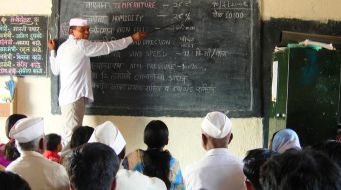
In the rain-fed villages of Maharashtra, people are finding new ways to understand their land and groundwater — not with satellites or dashboards, but with cardboard, shared knowledge, and a fresh look at the soil beneath their feet.
Climate-resilient crop varieties are helping farmers in Telangana improve yields and adopt more sustainable farming practices. These innovations highlight how science and sustainable practices can strengthen agricultural resilience and food security.
Nature sustains more than livelihoods, it nurtures identity, culture and well-being through Cultural Ecosystem Services. Acknowledging these connections is vital for development that respects communities and their landscapes.
In late January, the United States withdrew once again from the Paris Agreement, while the Environmental Protection Agency (EPA) revoked its 2009 Endangerment Finding—moves that highlight how climate policy reversals in major economies can destabilise global efforts and pose serious risks for developing countries, particularly India.
Shailesh Haribhakti, Chairman of WOTR’s Advisory Board, reflects on the evolving landscape of Indian agriculture and shares an optimistic vision for its future.
Thirteen years of WOTR initiatives in Odisha centering women’s leadership, linking it with water security, health, livelihoods, and sustainable rural development transformation.
The Village Development Committee in Kodgar, Chhattisgarh, empowers villagers through collective leadership, sustainable farming, water conservation, and livelihood initiatives driving inclusive rural development.
In Govindpur, Chhattisgarh, a Custom Hiring Centre is making access to costly farm machinery easier for small and marginal farmers by making these machines available within villages on a rental basis
Mahila Sansadhan Kendra empowers women farmers in Maharashtra by strengthening participation, leadership, and decision-making within Farmer Producer Companies and agriculture.
Watershed development empowers rural communities through participatory planning, capacity building, climate resilience, water conservation, and sustainable livelihood transformation.
In the rain-fed villages of Maharashtra, people are finding new ways to understand their land and groundwater — not with satellites or dashboards, but with cardboard, shared knowledge, and a fresh look at the soil beneath their feet.
Climate-resilient crop varieties are helping farmers in Telangana improve yields and adopt more sustainable farming practices. These innovations highlight how science and sustainable practices can strengthen agricultural resilience and food security.
Nature sustains more than livelihoods, it nurtures identity, culture and well-being through Cultural Ecosystem Services. Acknowledging these connections is vital for development that respects communities and their landscapes.
In late January, the United States withdrew once again from the Paris Agreement, while the Environmental Protection Agency (EPA) revoked its 2009 Endangerment Finding—moves that highlight how climate policy reversals in major economies can destabilise global efforts and pose serious risks for developing countries, particularly India.
Shailesh Haribhakti, Chairman of WOTR’s Advisory Board, reflects on the evolving landscape of Indian agriculture and shares an optimistic vision for its future.
Thirteen years of WOTR initiatives in Odisha centering women’s leadership, linking it with water security, health, livelihoods, and sustainable rural development transformation.
By Categories
By Tags
The Community-Driven Visual Integrator (CDVI) 3D model enables communities in Telangana to visualize groundwater systems and understand them as shared resources. By simplifying complex hydrogeological data into participatory tools.
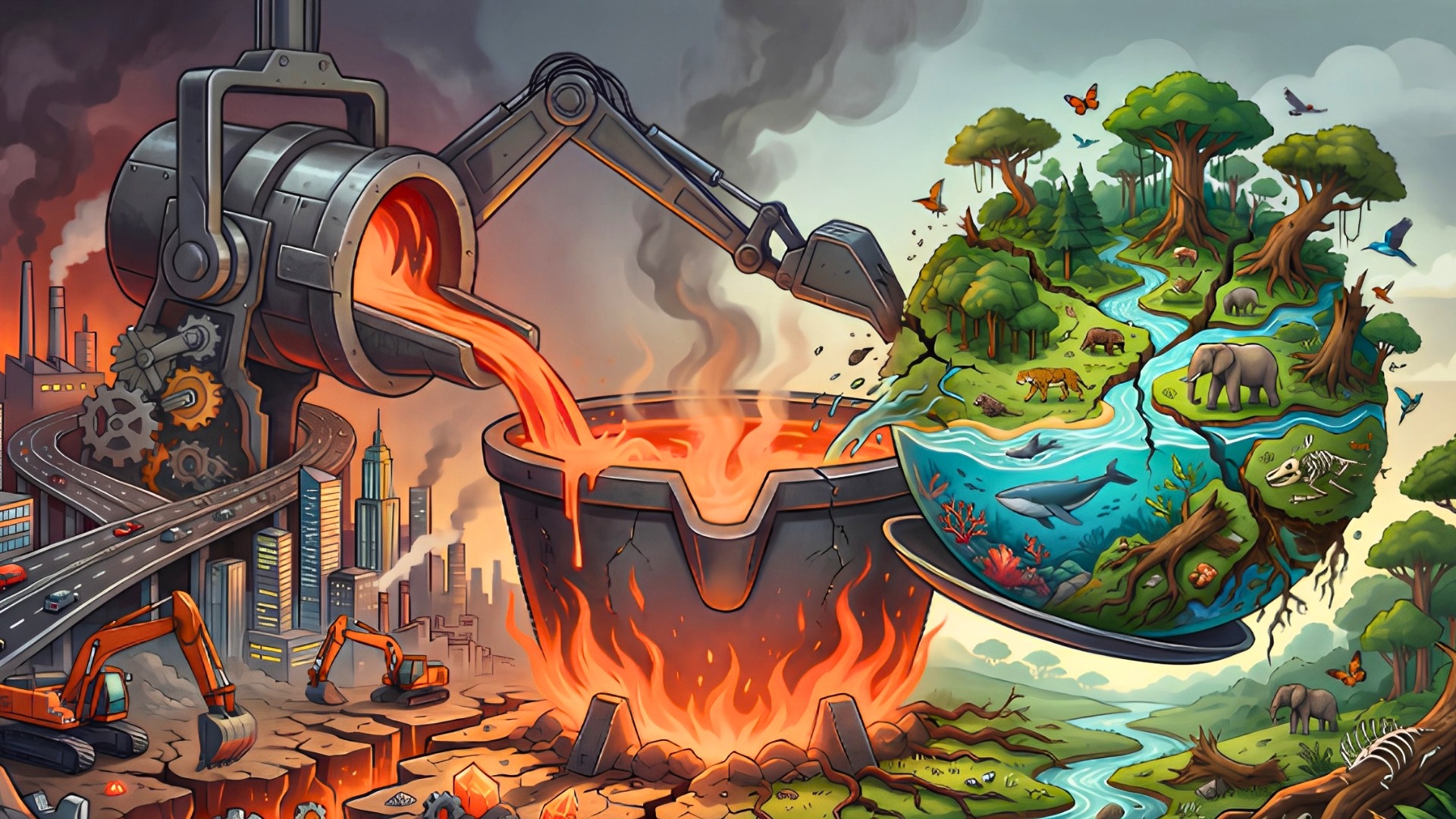
Explore how biodiversity and national security intersect amid development and energy priorities in India and global geopolitics.
Grasslands are vital yet often overlooked ecosystems that support biodiversity, livelihoods, and climate resilience. Their decline due to policy and land-use changes, and emphasises the urgent need for conservation, and restoration.
A reflection on how science and technology can enable meaningful change in rural communities when adapted to local contexts and realities.
Understanding the gap between what weather forecasts predict and what people experience on the ground is essential for ensuring that weather information truly supports decisions in agriculture, livelihoods, and disaster preparedness
Why India Needs a Development Management Revolution
Agriculture is moving beyond just producing more food to ensuring it nourishes people. As hidden hunger rises, the focus is shifting from yield to nutrition.
The film ‘Jala’ showcases how villages in Odisha restored water, farming, livelihoods, resilience, community leadership, and renewed hope.